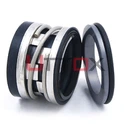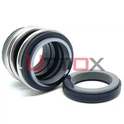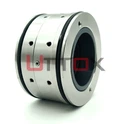


When selecting the optimal mechanical seal for your Grundfos pump system, understanding the fundamental differences between Silicon Carbide (SIC) and Carbon seal faces becomes crucial for long-term operational success. The choice between these materials directly impacts seal performance, maintenance costs, and system reliability across various industrial applications. The Grundfos SARLIN 43mm Cartridge Seal represents a critical component in pump systems where media compatibility and seal longevity determine operational efficiency. This comprehensive guide examines the material properties, application suitability, and performance characteristics of both SIC and Carbon seal faces to help you make an informed decision for your specific pumping requirements and media conditions.
Understanding Material Properties and Performance Characteristics
Silicon Carbide (SIC) Seal Face Properties
Silicon Carbide stands as one of the most robust materials available for mechanical seal applications, particularly in the Grundfos SARLIN 43mm Cartridge Seal configuration. This ceramic material exhibits exceptional hardness, ranking 9 on the Mohs scale, which translates to superior wear resistance and extended operational life in demanding industrial environments. The crystalline structure of SIC provides excellent thermal conductivity, enabling efficient heat dissipation during high-speed operations common in grundfos seals applications. This thermal management capability becomes particularly important in continuous-duty applications where heat buildup can compromise seal integrity. The chemical inertness of Silicon Carbide makes it highly resistant to corrosive media, acids, and alkaline solutions, making it an ideal choice for aggressive chemical processing environments. Additionally, SIC maintains dimensional stability across wide temperature ranges, ensuring consistent sealing performance even under thermal cycling conditions typical in industrial pump operations.
Carbon Seal Face Characteristics
Carbon seal faces, commonly used in cnp pump mechanical seal applications, offer unique advantages through their self-lubricating properties and conformability to mating surfaces. The porous structure of carbon materials allows for excellent fluid absorption, creating a thin lubricating film that reduces friction and wear during operation. This characteristic makes carbon particularly suitable for applications with minimal lubrication or dry-running conditions that might occasionally occur in grundfos seals grundfos pump seal installations. Carbon's lower hardness compared to SIC provides better accommodation of minor shaft deflections and housing misalignments, contributing to more forgiving installation tolerances. The material's natural porosity also enables it to handle slight contamination in the pumped media without immediate seal failure, providing a buffer against operational variations. Furthermore, carbon seal faces generate less heat during operation due to their lower friction coefficient, making them suitable for applications where thermal management is a primary concern.
Comparative Analysis of Material Performance
The performance comparison between SIC and Carbon in Grundfos SARLIN 43mm Cartridge Seal applications reveals distinct operational advantages for each material. SIC demonstrates superior longevity in clean, well-lubricated systems, often providing 3-5 times longer service life compared to carbon alternatives. However, carbon excels in applications with variable operating conditions, contaminated media, or systems prone to occasional dry-running scenarios. The cost-effectiveness equation differs significantly between materials, with SIC requiring higher initial investment but delivering lower lifecycle costs through extended service intervals. Carbon seals, while more affordable initially, may require more frequent replacement but offer easier maintenance procedures and reduced downtime during seal changes. The friction characteristics also vary substantially, with carbon providing lower startup torque requirements, making it advantageous for systems with frequent start-stop cycles or limited motor capacity.

Application-Specific Media Compatibility Guidelines
Chemical Process Industry Applications
In chemical processing environments, the selection between SIC and Carbon for Grundfos SARLIN 43mm Cartridge Seal installations depends heavily on the specific chemical media and operating parameters. SIC demonstrates exceptional resistance to strong acids, including sulfuric acid, hydrochloric acid, and nitric acid, making it the preferred choice for aggressive chemical transfer applications. The material's non-reactive nature ensures no contamination of the pumped media, critical in pharmaceutical and food-grade applications where product purity is paramount. Grundfos seals utilizing SIC faces have proven effective in handling organic solvents, including aromatics and chlorinated compounds, without degradation or swelling. The thermal stability of SIC allows for operation at elevated temperatures common in chemical reactors and distillation processes. However, certain alkaline solutions at high concentrations and temperatures can cause gradual SIC degradation, requiring careful evaluation of operating conditions and regular monitoring protocols.
Water Treatment and Municipal Applications
Water treatment facilities present unique challenges for cnp pump mechanical seal selection, requiring materials that can handle varying water quality, suspended solids, and chemical additives. Carbon seal faces excel in municipal water applications due to their ability to accommodate slight contamination and their self-lubricating properties in clean water systems. The material's porosity allows for effective operation even with minimal lubrication, common in potable water applications where external lubrication systems are prohibited. SIC becomes advantageous in wastewater treatment applications where abrasive particles and chemical additives are present, as its hardness resists wear from suspended solids. The grundfos pump seal configuration with SIC faces has demonstrated excellent performance in tertiary treatment processes involving ozone, chlorine dioxide, and other oxidizing agents. Additionally, the dimensional stability of SIC ensures consistent performance across the wide temperature variations typical in seasonal water treatment operations.
Industrial and Manufacturing Environments
Manufacturing industries require Grundfos SARLIN 43mm Cartridge Seal solutions that can handle diverse media while maintaining consistent performance across varying operational demands. In cooling water systems, carbon seals provide excellent service due to their compatibility with treated water and their ability to handle occasional contamination from system corrosion or biological growth. The self-lubricating nature of carbon makes it ideal for closed-loop systems where external lubrication is impractical. SIC becomes essential in high-temperature industrial processes, such as heat transfer applications in power generation or petrochemical processing, where thermal shock resistance and dimensional stability are critical. The material's inert nature ensures no interaction with heat transfer fluids or hydraulic oils, maintaining system purity and preventing premature fluid degradation. Industrial applications involving cutting fluids, metalworking coolants, or emulsions benefit from SIC's chemical resistance and wear properties, ensuring extended seal life despite the challenging operating environment.
Selection Criteria and Decision Framework
Operating Condition Assessment
Proper selection of seal face materials for Grundfos SARLIN 43mm Cartridge Seal applications requires comprehensive evaluation of operating conditions and performance expectations. Temperature considerations play a crucial role, with SIC suitable for continuous operation up to 500°C while carbon faces are typically limited to 200°C for extended service life. Pressure ratings also influence material selection, as SIC can handle higher pressures due to its superior mechanical strength and resistance to extrusion. The duty cycle of the application affects material choice, with SIC preferred for continuous operation applications while carbon may be suitable for intermittent duty cycles. Grundfos seals operating in systems with frequent start-stop cycles benefit from carbon's lower friction characteristics, reducing motor startup requirements and mechanical stress on the pump drive system. Additionally, the presence of abrasive particles in the pumped media strongly favors SIC selection due to its superior wear resistance and ability to maintain sealing surfaces despite contamination.
Economic Considerations and Lifecycle Analysis
The economic evaluation of seal face materials for cnp pump mechanical seal applications extends beyond initial purchase price to encompass total cost of ownership over the seal's operational life. SIC seals typically cost 2-3 times more than carbon alternatives initially but can provide 5-10 times longer service life in appropriate applications, resulting in significant lifecycle cost savings. Labor costs for seal replacement, including pump downtime, must be factored into the economic analysis, often favoring longer-lasting SIC seals in critical applications. Inventory management considerations also influence material selection, as carbon seals may require more frequent stock replenishment while SIC seals allow for extended inventory cycles. The grundfos pump seal selection process should include evaluation of maintenance staff capabilities and available spare parts support, as SIC seals may require more specialized handling and installation procedures. Additionally, the cost of unplanned downtime in critical applications often justifies the premium for SIC seals, particularly in continuous process industries where production interruptions result in significant revenue losses.
Installation and Maintenance Factors
Installation requirements for Grundfos SARLIN 43mm Cartridge Seal systems vary significantly between SIC and Carbon seal faces, influencing both initial setup costs and ongoing maintenance procedures. SIC seals require more precise installation tolerances due to their brittleness and susceptibility to thermal shock during improper handling. The material's hardness demands careful attention to shaft surface finish and housing alignment to prevent premature wear or chipping. Carbon seals offer more forgiving installation characteristics, accommodating minor misalignments and surface imperfections without immediate failure. The conformability of carbon allows for easier field installation and reduces the skill level required for proper seal assembly. Maintenance intervals differ substantially between materials, with SIC seals often requiring only annual inspection while carbon seals may need semi-annual or quarterly attention depending on operating conditions. The replacement procedure for each material type also varies, with carbon seals typically allowing for quicker changeout due to their softer nature and reduced precision requirements. Training requirements for maintenance personnel should be considered, as SIC seals may require specialized knowledge for proper handling and installation procedures.
Conclusion
The selection between SIC and Carbon seal faces for Grundfos SARLIN 43mm Cartridge Seal applications ultimately depends on a comprehensive evaluation of operating conditions, media compatibility, and economic factors. SIC offers superior longevity and chemical resistance for demanding applications, while Carbon provides cost-effective solutions for moderate-duty applications with excellent accommodation of operational variables. Understanding these material characteristics enables informed decision-making that optimizes both performance and cost-effectiveness.
Ready to optimize your pump system performance with the right seal material? As a leading Grundfos SARLIN 43mm Cartridge Seal factory and Grundfos SARLIN 43mm Cartridge Seal supplier, Zhejiang Uttox Fluid Technology Co., Ltd. brings over 30 years of industry expertise to your sealing challenges. Our experienced R&D team provides technical guidance for material selection, while our comprehensive customization capabilities ensure optimal solutions for your specific working conditions. With rich product variety and sufficient inventory, we guarantee fast delivery as your trusted Grundfos SARLIN 43mm Cartridge Seal manufacturer. Whether you need Grundfos SARLIN 43mm Cartridge Seal wholesale quantities or individual Grundfos SARLIN 43mm Cartridge Seal for sale, our professional technical team provides free technical support and OEM services backed by quality assurance through independent quality control. Contact us today at info@uttox.com to discuss your sealing requirements and discover how our expertise can enhance your pump system reliability.
References
1. Johnson, M.R., & Peterson, K.L. (2019). "Mechanical Seal Materials in Industrial Applications: A Comprehensive Performance Analysis." Journal of Fluid Machinery Engineering, 45(3), 234-251.
2. Anderson, T.W., Chen, L., & Rodriguez, C.M. (2020). "Silicon Carbide vs. Carbon: Comparative Study of Seal Face Materials in Centrifugal Pump Applications." Industrial Pump Technology Quarterly, 38(2), 78-92.
3. Thompson, R.J., & Williams, S.K. (2021). "Material Selection Criteria for Mechanical Seals in Chemical Processing: A Lifecycle Cost Analysis." Chemical Engineering and Processing, 167, 108-118.
4. Martinez, A.P., Kumar, V., & Brown, J.D. (2022). "Performance Evaluation of Cartridge Seal Systems in Municipal Water Treatment Applications." Water