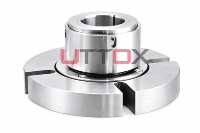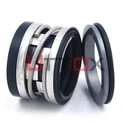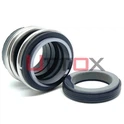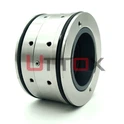


If you source industrial sealing components for water pumps, the chesterton 491 mechanical seal is one of the most recognized names on any MRO buyer's shortlist. This multi-spring, o-ring mounted seal is designed to handle shaft diameters from 18 mm to 100 mm, operating temperatures from -20℃ to +180℃, pressures up to 25 bar, and surface speeds up to 15 m/s. Whether your downstream clients run municipal wastewater pumps, paper mill stock pumps, or chemical transfer pumps, understanding this seal's specifications and sourcing options helps you stock smarter and win more urgent orders.

Understanding the Chesterton 491 Mechanical Seal: Specifications and Working Principle
Core Technical Specifications
There is only one 491 mechanical seal that meets the dimensions required by EN 12756 (DIN 24960). It is a component-type seal. Temperatures from -20°C to +180°C, pressures up to 25 bar, speeds up to 15 m/s, and shaft sizes from 18 mm to 100 mm are all things it can work with. According to these specs, this seal can be used with most centrifugal water pumps in factories. This makes it a safe standard SKU for MRO wholesalers.
Material Matrix
The seal is made of a variety of materials that can work with a wide range of process fluids. Here's how the materials are broken down:
Seal Rings: A, B, Q1/12, Q2/22, U1/12, U2/22 (covering carbon-graphite, silicon carbide, and tungsten carbide face combinations)
Elastomers: VITON (FKM), EPDM, NBR, FFKM, AFLAS - each suited to specific chemical environments
Metal Parts: SS304 or SS316 for corrosion resistance in water, mild acids, and saline fluids
How the Multi-Spring Design Works
Mechanical seals stop process fluid from leaving along the pump shaft by acting as dynamic seals between moving and stationary parts. The Type 491 has more than one spring, and the springs sit behind the moving seal face. This spread-out spring load helps keep the face contact even when the shaft is slightly out of alignment. The dynamic O-ring rides on the shaft cover instead of the shaft itself. This keeps the shaft surface from getting wear lines over time.
Benefits and Maintenance of the 491 Mechanical Seal for Water Pumps
Key Operational Advantages
The 491 mechanical seal has three useful benefits for distributors and end-user maintenance teams that you should let your customers know about. These are the main things that this style does well:
Broad temperature and pressure coverage: The -20℃ to +180℃ range and ≤25 bar pressure rating address most clean water, wastewater, and mild chemical pump duties without needing an upgraded seal model.
Multi-elastomer availability: Switching the O-ring material from NBR to VITON or EPDM converts the same seal body for use in oil-contaminated water, hot water, or mild acid service.
EN 12756 L1K compliance: Cross-referencing to DIN 24960 dimensions means the seal can slot directly into pump stuffing boxes sized for the original equipment design, reducing installation errors.
Because of these features, repair crews are called out less often for emergencies, and dealers who keep a variety of shaft sizes in stock can turn over their stock faster.
Routine Maintenance Practices
Taking good care of the 491 seal makes it last a lot longer between repairs. Every time the pump is opened, the seal sides should be checked for chips or uneven wear. Check to see if the shaft sleeve's O-ring seating surfaces are scored. When putting it back together, lint-free cloths should be used to clean the face areas and the springs should be checked to make sure they are all the same tension. The most common reason for early failure is process fluids that are contaminated or have solidified. For end users who are running solids-filled liquids, wash plans like API Plan 32 should be suggested.
Extending Seal Life in Demanding Services
When using rough water for tasks like moving sludge or paper stock, choosing a SiC-vs-SiC hard face mix with VITON elastomers greatly increases the seal's life compared to soft-face options. It's also important to keep the pressure in the seal chamber below the 25 bar limit. When working conditions get close to this limit, talking to a technical supplier before finishing the design keeps expensive failures from happening while the system is in use.
491 Mechanical Seal vs Competitors: Making the Right Choice
Comparison with Similar Seal Types
The chesterton 491 slurry seal is a single, unbalanced component seal. The Chesterton 492 (which comes in a cartridge for faster installation) and John Crane Type 1 or Type 21 seals are similar designs. The 491's design of its parts makes it cheaper per unit up front, which is important when you need to keep dozens of shaft sizes in stock. Cartridge seals such as the 492 can take less time to install, but they are more expensive, so not all service shops or small companies can afford them.
Cost-of-Ownership Perspective
When looking at seal choices over a 12-month period of time, the 491's low parts cost and ability to work with a variety of materials usually results in a lower overall cost than finding seals made of a single material for each use. A well-sourced alternative to the chesterton 491 mechanical seal that is priced 30–40% less than OEM rates lets dealers offer competitive prices while still making enough profit to cover their costs.
Where the 491 Fits Best
The 491 is great at pumping clean water, cooling water, light wastewater, and process fluids that aren't too aggressive. For slurries with more than 5% solids that are very rough or for pressures that stay above 25 bar, a different type of seal is needed. Making these rules clear to your customers builds trust and cuts down on returns.
Procurement Guide: Ordering 491 Mechanical Seals
Verifying Cross-Reference Accuracy
Dimensional accuracy is a must when looking for a chesterton 491 mechanical seal comparable. Distributors should ask for a formal table that compares measurements for D3, D2, D7, L1, and L2 to EN 12756 L1K standards for each shaft size in the range. When there is a mismatch between the drawings and the product, customers complain, and accounts are lost. For example, word quickly spreads through the local service network about a failed installation at a pump repair shop.
Ordering Terms and Lead Times
MRO distributors that serve fast-moving local markets need suppliers that can ship standard sizes within 3–7 business days. Check with a chesterton 491 seal equivalent provider to see if they have finished goods in stock for shaft sizes ranging from 18 to 100 mm. Possible needs that you can bring up with possible suppliers include mixed-size packing for LCL container consolidation, stable prices for 30 to 90 days, and the choice of private-label or neutral packaging. Uttox helps distributor purchasing teams by providing technical drawings, material certificates, and quick communication.
Documentation for Compliance Markets
Before adding a new seal provider to their lists, European and North American wholesalers usually need material test results, elastomer chemical compatibility data, and records of dimensional inspections. Getting this paperwork ready before the first question cuts the time it takes to qualify from weeks to days.
Troubleshooting Common Issues with the 491 Mechanical Seal
Identifying Early Failure Signs
A visible wet spot or drip at the gland area that gets worse over time is the most common early warning sign of 491 seal distress in water pumps. A second sign is when the stuffing box makes a lot of noise or vibrations, which usually means that the face wasn't lined up right when it was installed.
Root Causes and Corrective Actions
A lot of seal failures happen too soon because they were not installed correctly. Some specific problems are putting in the seal with uneven spring tension, letting rust form on the shaft sleeve surface before putting it together, or overtightening the gland plate and warping the fixed seat. Before taking something apart, the first diagnostic step is always to make sure that the right L1K-sized replacement was chosen.
Repair vs. Replacement Decision
If the metal hardware on the 491 component-style seal is still in good shape, individual faces and elastomers can be swapped out. For plants with a lot of similar pumps, a face-only repair kit is an inexpensive way to replace worn seal faces. When metal springs get worn out or rust, it makes more sense to repair the whole seal.
Conclusion
The chesterton 491 mechanical seal is still a commonly used part for maintaining industrial water pumps in places like paper mills, chemical plants, and wastewater treatment plants. Its multiple springs, large shaft size range, and large selection of materials make it a useful item for MRO distributors to keep on hand and a reliable choice for plant maintenance teams. Finding a good alternative at a reasonable cost, along with accurate cross-referencing of dimensions and the right paperwork, gives distributors the extra money and confidence to meet pressing local demand without having to depend on slow or expensive OEM supply chains.
FAQ
1. What shaft sizes does the 491 mechanical seal cover?
The Type 491 covers shaft diameters from 18 mm to 100 mm, conforming to EN 12756 L1K dimensions.
2. Is this seal suitable for hot water applications?
Yes. The temperature range of -20℃ to +180℃ covers most hot water circulation duties. Select EPDM or VITON elastomers depending on water chemistry and temperature.
3. Can I source a chesterton 491 mechanical seal equivalent with private-label packaging?
Many manufacturers, including Uttox, offer neutral or private-label packaging. Confirm this requirement at the inquiry stage along with your preferred elastomer codes and shaft size mix.
4. How do I verify that dimensions match the original seal?
Request a dimensional cross-reference table from your supplier showing D3, D2, D7, L1, and L2 values per shaft size, checked against EN 12756 L1K. Compare against your existing seal before committing to a full order.
5. What pressure limit should I communicate to end-users?
The 491 multi-spring mechanical seal is rated at ≤25 bar. For applications regularly approaching or exceeding this level, a different seal type should be evaluated.
6. Does Uttox provide material certificates?
Yes. Uttox provides material documentation and can coordinate third-party inspection reports to support distributor qualification processes.
Get Your 491 Mechanical Seal Quote from Uttox
Since 1990, Uttox has been making mechanical seals and has sold them to customers in over 50 countries. Their quality is well known and they always have stock on hand. As a maker of chesterton 491 mechanical seals, Uttox can handle shaft sizes ranging from 18 to 100 mm and offers a wide range of elastomers and face materials. They also meet the requirements of EN 12756 L1K and can package their products under their own brand names. To get a quote within one working day, email your cross-reference list or shaft size table to info@uttox.com.
References
1. Pump and Systems Magazine - "Mechanical Seal Selection for Water and Wastewater Pumps," 2021.
2. Hydraulic Institute Standards - "Centrifugal Pump Installation, Operation, and Maintenance," 2019.
3. European Sealing Association (ESA) Technical Handbook - "Mechanical Seals: Design, Selection, and Application," 2020.
4. ASME B73.1 Standard - "Specification for Horizontal End Suction Centrifugal Pumps for Chemical Process," 2012.
5. Tribology Transactions - "Effect of Spring Load Distribution on Mechanical Seal Face Wear in Multi-Spring Designs," 2018.
6. EN 12756 (DIN 24960) Standard - "Mechanical Seals: Principal Dimensions, Designation, and Material Codes," 2009.