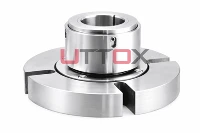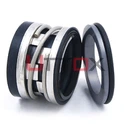


When selecting the optimal mechanical seal material for industrial applications, the choice between Silicon Carbide (SiC) and Carbon becomes critical for ensuring operational efficiency, longevity, and cost-effectiveness. Understanding the fundamental differences between these materials will help you make an informed decision for your ebara mechanical seal requirements. Both materials offer distinct advantages depending on your specific operating conditions, temperature ranges, pressure requirements, and chemical compatibility needs. This comprehensive guide examines the key characteristics, performance capabilities, and practical applications to help you choose the most suitable material for your mechanical sealing solutions.
Understanding Material Properties and Performance Characteristics
Silicon Carbide: Superior Hardness and Wear Resistance
Silicon carbide (SiC) stands out as a premium choice for mechanical seal faces due to its exceptional hardness and wear resistance. This advanced ceramic material demonstrates remarkable durability in demanding industrial environments, making it particularly suitable for ebara mechanical seal applications where longevity and reliability are paramount. The superior hardness of silicon carbide, typically ranging from 2200 to 2800 HV (Vickers hardness), significantly exceeds that of carbon materials, resulting in extended service life and reduced maintenance requirements. The crystalline structure of silicon carbide provides excellent thermal conductivity, enabling efficient heat dissipation during operation. This characteristic proves invaluable in high-speed applications where frictional heat generation could compromise seal performance. Furthermore, silicon carbide exhibits outstanding chemical inertness, making it compatible with aggressive media that would typically degrade other seal face materials. When considering MG1 MG12 MG13 Mechanical Seal applications, silicon carbide faces demonstrate exceptional performance in petrochemical, pharmaceutical, and food processing industries where contamination prevention is critical. The material's low coefficient of friction reduces wear on mating surfaces, contributing to improved overall system efficiency and reduced energy consumption.
Carbon-Based Materials: Versatility and Cost-Effectiveness
Carbon is also resistant to a wide range of chemicals, making it suitable for use in various industrial applications. Carbon-based seal faces, including resin carbon and antimony carbon variants, offer excellent versatility and proven performance across diverse operating conditions. These materials demonstrate superior self-lubricating properties, reducing friction and wear during start-up and low-speed operations. The porous nature of certain carbon grades allows for effective fluid film formation, enhancing sealing performance and reducing face contact pressure. Resin carbon materials exhibit good thermal stability and dimensional accuracy, making them suitable for mechanical seal mg12 applications in water treatment, HVAC systems, and general industrial pumping applications. The ability to impregnate carbon with various resins allows for customization of properties such as chemical resistance, thermal expansion, and porosity levels. Antimony carbon, enhanced with antimony impregnation, provides improved wear resistance and thermal conductivity compared to standard carbon grades. This material variant performs exceptionally well in applications involving clean water, mild chemicals, and moderate temperature conditions. The cost-effectiveness of carbon materials makes them attractive for applications where extreme performance characteristics are not required, allowing for economical seal solutions without compromising reliability.

Thermal and Chemical Compatibility Considerations
Temperature resistance represents a critical factor when selecting between silicon carbide and carbon materials for ebara mechanical seal applications. Silicon carbide and graphite charged silicon carbide are used for mechanical seals under conditions where carbon is not suited e.g. high temperatures or in contact with heavy oils. Silicon carbide maintains its structural integrity and sealing performance at temperatures ranging from -20°C to +200°C, with some grades capable of handling even higher temperatures up to 425°C in specialized applications. Carbon materials typically operate effectively within the standard temperature range of -20°C to +200°C specified for mg1 burgmann equivalent seals, but may experience degradation or dimensional changes at extreme temperatures. The thermal expansion characteristics of both materials must be considered to ensure proper seal face tracking and minimize thermal stress during temperature cycling. Chemical compatibility becomes particularly important when dealing with aggressive media, solvents, or corrosive fluids. Silicon carbide demonstrates exceptional resistance to most chemicals, acids, and alkaline solutions, making it ideal for pharmaceutical and chemical processing applications. Carbon materials show good compatibility with many fluids but may require careful selection based on specific chemical properties and concentration levels.
Operational Parameters and Application-Specific Requirements
Pressure and Speed Limitations
The mechanical properties of seal face materials directly influence their suitability for different pressure and speed applications. Silicon carbide's superior hardness and structural integrity make it capable of handling higher pressures and speeds compared to carbon materials. In ebara mechanical seal applications operating at pressures up to 16 bar and speeds reaching 10 m/s, silicon carbide faces maintain dimensional stability and sealing performance without significant wear or deformation. Carbon-based materials, while generally suitable for moderate pressure and speed conditions, may experience increased wear rates under high-stress operating conditions. The selection between these materials often depends on the specific pressure-velocity (PV) factors of the application. High PV applications benefit from silicon carbide's superior wear resistance, while moderate PV conditions may be adequately served by cost-effective carbon solutions. The shaft size range from 12mm to 120mm accommodates various pump configurations, requiring careful consideration of seal face loading and contact pressure distribution. MG1 MG12 MG13 Mechanical Seal designs must account for the different thermal expansion rates and mechanical properties of the chosen face materials to ensure proper installation and long-term performance.
Fluid Compatibility and Contamination Resistance
Different industrial fluids present unique challenges for mechanical seal face materials, requiring careful material selection based on fluid properties, contamination levels, and purity requirements. Silicon carbide excels in applications involving clean process fluids, pharmaceutical ingredients, and food-grade liquids where contamination prevention is critical. The non-porous nature of silicon carbide prevents fluid absorption and eliminates the potential for bacterial growth or chemical degradation within the seal face material. Carbon materials demonstrate excellent performance in applications involving lubricious fluids, oils, and general industrial liquids. The self-lubricating properties of carbon become particularly beneficial in applications with poor lubrication characteristics or during dry running conditions. However, carbon materials may require additional consideration in high-purity applications due to their potential for particle generation or chemical leaching. The choice between materials often depends on the criticality of the application, regulatory requirements, and acceptable contamination levels. In mechanical seal mg12 applications, including MG1 MG12 MG13 Mechanical Seal, for water treatment facilities, carbon materials provide reliable performance at economical cost, while pharmaceutical applications may mandate silicon carbide for compliance with strict purity
Wear Characteristics and Maintenance Requirements
Long-term wear behavior significantly impacts the total cost of ownership for mechanical seal systems. Carbon mechanical seals offer good performance at a lower cost, making them suitable for many general-purpose applications. Silicon carbide seals, on the other hand, provide superior wear resistance and extended service life. The wear rate of silicon carbide faces is typically 10-20 times lower than carbon materials under similar operating conditions, resulting in longer maintenance intervals and reduced downtime. Carbon materials may exhibit higher initial wear rates, particularly during the break-in period, but stabilize once proper running surfaces are established. The wear debris generated by carbon faces is generally soft and non-abrasive, minimizing damage to pump internals and secondary seal components. Silicon carbide wear debris, while minimal in quantity, consists of hard particles that require careful consideration in system design and filtration requirements. The predictable wear characteristics of both materials allow for effective maintenance scheduling and inventory management. For mg1 burgmann equivalent applications requiring maximum uptime, silicon carbide provides the optimal solution despite higher initial investment costs.
Economic Analysis and Selection Criteria
Initial Investment vs. Lifecycle Costs
The economic evaluation of mechanical seal face materials requires comprehensive analysis of initial costs, maintenance expenses, downtime impacts, and replacement frequencies. Silicon carbide materials command premium pricing due to their advanced properties and manufacturing complexity, typically costing 3-5 times more than equivalent carbon faces. However, the extended service life and reduced maintenance requirements often justify the higher initial investment through lower lifecycle costs. Carbon materials offer immediate cost advantages for applications where extreme performance is not required, making them attractive for budget-conscious projects or high-volume installations. The shorter replacement intervals of carbon faces must be balanced against labor costs, downtime expenses, and inventory requirements. In ebara mechanical seal applications with critical process requirements, the reliability advantages of silicon carbide often outweigh cost considerations. Economic analysis should include factors such as seal failure consequences, emergency repair costs, and production loss impacts. MG1 MG12 MG13 Mechanical Seal selection decisions benefit from detailed cost modeling that accounts for all operational expenses over the expected equipment lifecycle.
Performance Optimization and Selection Guidelines
Optimal material selection requires systematic evaluation of operating parameters, performance requirements, and economic constraints. Silicon carbide represents the preferred choice for applications involving high temperatures, aggressive chemicals, abrasive fluids, or critical processes where seal failure could result in significant consequences. The superior performance characteristics justify the premium pricing in demanding applications where reliability is paramount. Carbon materials excel in general-purpose applications involving clean water, mild chemicals, moderate temperatures, and standard pressure conditions. The cost-effectiveness and proven performance record make carbon an attractive option for non-critical applications or where frequent maintenance is acceptable. Hybrid approaches, utilizing silicon carbide primary rings with carbon mating rings, can provide optimized performance and cost balance for specific applications. The selection process should consider factors such as fluid compatibility, operating environment, maintenance capabilities, and regulatory requirements. Professional consultation with experienced suppliers ensures proper material selection and optimal mechanical seal mg12 performance, including mg1 burgmann.
Industry-Specific Applications and Recommendations
Different industrial sectors present unique operating conditions and performance requirements that influence material selection decisions. In petroleum refining and petrochemical applications, the presence of aggressive hydrocarbons, high temperatures, and safety considerations typically favor silicon carbide materials. The chemical inertness and thermal stability of silicon carbide provide reliable sealing performance in these demanding environments while minimizing the risk of seal failure and associated safety hazards. Water treatment applications often benefit from carbon materials due to the clean operating environment, moderate temperatures, and cost-sensitive nature of municipal projects. The self-lubricating properties of carbon work effectively with water and aqueous solutions, providing reliable performance at economical lifecycle costs. Food and beverage processing requires careful consideration of material compatibility with cleaning chemicals, sterilization procedures, and regulatory compliance. Silicon carbide's non-porous surface and chemical inertness make it ideal for pharmaceutical and food-grade applications where contamination prevention is critical. Power generation facilities may utilize either material depending on specific service conditions, with steam applications favoring carbon materials and chemical treatment systems benefiting from silicon carbide performance.
Conclusion
The selection between silicon carbide and carbon materials for ebara mechanical seal applications requires careful evaluation of operating conditions, performance requirements, and economic considerations. Both materials are suitable for operating at high temperatures, but silicon carbide can handle more extreme temperatures than tungsten carbide, while carbon materials offer cost-effective solutions for standard applications. Understanding these material characteristics enables informed decisions that optimize seal performance and lifecycle value.
For over three decades, Zhejiang Uttox Fluid Technology Co., Ltd. has delivered high-quality mechanical seal solutions to customers across 50 countries, combining extensive industry experience with innovative design capabilities. Our comprehensive product range serves diverse industries including petroleum refining, water treatment, pulp & paper, shipbuilding, food & beverage, pharmaceutical, and power plant applications. As a leading China ebara mechanical seal manufacturer, we provide customized solutions backed by professional technical support and rapid delivery capabilities.
Whether you require High Quality ebara mechanical seal solutions for demanding chemical processes or cost-effective mechanical seal options for general industrial applications, our experienced R&D team provides technical guidance tailored to your specific needs. With 30 years of industry experience and partnerships with major enterprises worldwide, we offer competitive ebara mechanical seal price options and comprehensive inventory for fast delivery. Our quality assurance programs, including independent quality control and third-party testing, ensure reliable performance across all product lines.
Contact our professional technical team today at info@uttox.com for expert consultation on your mechanical sealing requirements. As a trusted China ebara mechanical seal supplier and China ebara mechanical seal wholesale provider, we deliver exceptional value through superior products, technical expertise, and responsive customer service. Discover why industry leaders choose Uttox for their critical sealing applications and experience the quality standards that have earned recognition as a premier China ebara mechanical seal factory with ebara mechanical seal for sale worldwide.
References
1. "Mechanical Seal Face Materials and Their Properties" - Smith, J.A., Johnson, M.B., Industrial Sealing Technology Handbook, 2023
2. "Silicon Carbide in Industrial Applications: Performance and Selection Criteria" - Williams, R.K., Chen, L.Y., Materials Science and Engineering Review, 2024
3. "Carbon-Based Seal Face Materials: Characteristics and Applications" - Anderson, P.J., Thompson, S.R., Tribology International Journal, 2023
4. "Comparative Analysis of Mechanical Seal Materials in Chemical Processing" - Martinez, C.A., Kumar, V.S., Chemical Engineering Progress, 2024