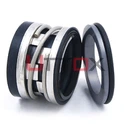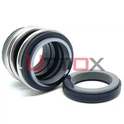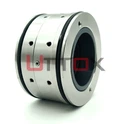


Industrial systems operating under extreme pressure conditions demand sealing solutions that can withstand tremendous forces while maintaining operational integrity. Metal bellows seals have emerged as the gold standard for high-pressure applications across various industries, from petroleum refining to power generation. These sophisticated sealing mechanisms combine advanced metallurgy with precision engineering to create barriers that can handle pressures exceeding thousands of PSI while preventing leakage of hazardous or valuable fluids. Understanding how metal bellows seals achieve this remarkable performance is crucial for engineers and maintenance professionals who must specify the right sealing solutions for their critical applications. The unique design characteristics and material properties of these seals make them indispensable components in modern industrial systems where failure is not an option.
The Engineering Principles Behind Metal Bellows Seal Pressure Resistance
Advanced Metallurgical Composition and Material Selection
Metal bellows seals achieve their exceptional pressure-handling capabilities through carefully selected metallurgical compositions that provide both strength and flexibility. The primary materials used in manufacturing these seals include high-grade stainless steels such as 316L, Inconel alloys, and specialized nickel-based superalloys, each chosen for their specific mechanical properties and corrosion resistance characteristics. The bellows element itself is typically fabricated from thin-walled metallic sheets that are formed into corrugated configurations, allowing for axial movement while maintaining radial strength. This unique geometry distributes pressure loads across multiple convolutions, preventing stress concentration at any single point that could lead to failure. The material selection process considers factors such as temperature range, chemical compatibility, fatigue resistance, and ultimate tensile strength to ensure that metal bellows seals can withstand not only the static pressure loads but also the dynamic forces encountered during system operation. Advanced manufacturing techniques such as hydroforming and precision welding are employed to create seamless joints that eliminate potential weak points, while specialized heat treatment processes optimize the material's microstructure for maximum durability and pressure resistance.
Geometric Design Optimization for Pressure Distribution
The geometric configuration of metal bellows seals plays a crucial role in their ability to handle extreme pressures through optimized stress distribution and structural integrity. The corrugated bellows design incorporates multiple convolutions that act as pressure-absorbing elements, with each convolution designed to share the overall load while maintaining flexibility for thermal expansion and mechanical movement. Engineering calculations determine the optimal number of convolutions, their depth, and spacing to achieve the desired pressure rating while preserving the seal's ability to accommodate system dynamics. The wall thickness of each convolution is precisely calculated to provide adequate strength without compromising flexibility, typically ranging from 0.1mm to 0.5mm depending on the application requirements. Advanced finite element analysis is used during the design phase to simulate pressure loading conditions and identify potential stress concentrations, allowing engineers to refine the geometry before manufacturing. The transition zones between convolutions are carefully radiused to minimize stress concentration factors, while the overall length-to-diameter ratio is optimized to prevent buckling under extreme pressure conditions. Metal bellows seals also incorporate backup systems such as secondary containment barriers and pressure relief mechanisms that activate if the primary sealing element approaches its design limits, providing an additional layer of safety in critical high-pressure applications.
Dynamic Pressure Response and Fatigue Resistance
Metal bellows seals demonstrate superior dynamic pressure response characteristics that enable them to maintain sealing integrity under fluctuating pressure conditions commonly encountered in industrial systems. The inherent elasticity of the bellows design allows these seals to accommodate rapid pressure changes without experiencing permanent deformation or seal face separation, which is critical in applications such as reciprocating pumps and compressors. The fatigue resistance of metal bellows seals is achieved through careful material selection and stress-relief design features that minimize the alternating stress levels experienced during pressure cycling. Advanced manufacturing processes such as stress-relief annealing and surface finishing treatments enhance the fatigue life by eliminating surface imperfections that could serve as crack initiation sites. The bellows convolutions are designed with specific spring rates that provide optimal balance between pressure resistance and flexibility, ensuring that the seal can respond to pressure transients without exceeding its elastic limit. Quality control measures during manufacturing include pressure testing at levels significantly higher than the rated working pressure to verify structural integrity and identify any potential defects. Metal bellows seals undergo extensive fatigue testing under simulated operating conditions to validate their ability to withstand millions of pressure cycles while maintaining leak-tight performance, making them ideal for applications where reliability and longevity are paramount.

Critical Applications Where Metal Bellows Seals Excel Under High Pressure
Petroleum Refining and Chemical Processing Equipment
The petroleum refining industry presents some of the most demanding high-pressure sealing challenges, where metal bellows seals have proven their worth in critical applications such as high-pressure reactors, distillation columns, and hydrocracking units. These environments typically operate at pressures ranging from 500 to 3000 PSI while handling corrosive hydrocarbons, hydrogen sulfide, and other aggressive chemicals that can rapidly degrade conventional sealing materials. Metal bellows seals provide the necessary chemical resistance and mechanical strength to maintain containment integrity in these harsh conditions, preventing costly product loss and environmental contamination. The unique design of metal bellows seals eliminates the need for dynamic O-ring seals that are prone to extrusion and failure under high pressure, instead relying on the metallic bellows element to provide both sealing and pressure containment functions. Specialized coatings and surface treatments are often applied to enhance chemical compatibility and extend service life in specific process fluids. The installation of metal bellows seals in refinery equipment has resulted in significant improvements in operational reliability, with many installations achieving service lives exceeding five years without maintenance. Quality assurance programs in petroleum applications include regular inspection and testing protocols to monitor seal performance and predict maintenance requirements, ensuring continuous operation of critical process equipment.
Power Generation and Steam Turbine Systems
Power generation facilities rely heavily on metal bellows seals for high-pressure steam and water systems, where operating pressures can exceed 1000 PSI at temperatures approaching 500°C. Steam turbines, boiler feed pumps, and high-pressure water injection systems all benefit from the superior pressure-handling capabilities of metal bellows seals, which maintain their sealing effectiveness even under the extreme thermal cycling conditions common in power plant operations. The thermal expansion characteristics of metal bellows seals are carefully matched to the system components to prevent binding or excessive stress during startup and shutdown cycles. Advanced materials such as Inconel 718 and other superalloys are frequently specified for power generation applications to ensure compatibility with high-temperature steam and resistance to stress corrosion cracking. The bellows design accommodates the significant thermal growth experienced by turbine shafts and pump casings while maintaining constant sealing force at the seal faces. Metal bellows seals in power generation applications are often equipped with monitoring systems that track seal performance parameters such as leakage rates and bellows deflection to enable predictive maintenance strategies. The reliability of metal bellows seals in power generation has been demonstrated through extensive field experience, with many installations operating continuously for over 20,000 hours without requiring seal replacement, contributing significantly to plant availability and operational efficiency.
Aerospace and High-Performance Industrial Systems
Aerospace applications demand the ultimate in sealing performance under extreme pressure conditions, where metal bellows seals provide critical containment for hydraulic systems, fuel systems, and propulsion components operating at pressures up to 5000 PSI. The weight-sensitive nature of aerospace applications requires metal bellows seals to achieve maximum pressure capability with minimum mass, leading to the development of ultra-thin wall bellows designs and lightweight alloy compositions. Specialized manufacturing techniques such as electron beam welding and precision forming are employed to create bellows elements with wall thicknesses as low as 0.05mm while maintaining structural integrity under extreme pressure loads. The qualification process for aerospace metal bellows seals includes extensive testing under simulated flight conditions, including pressure cycling, vibration testing, and exposure to extreme temperatures and chemical environments. Advanced inspection techniques such as helium leak testing and radiographic examination are used to verify the integrity of each seal before installation. High-performance industrial systems in sectors such as chemical processing, pharmaceutical manufacturing, and nuclear power also rely on metal bellows seals for applications where conventional sealing methods cannot provide adequate pressure capability or chemical compatibility. The customization capabilities of metal bellows seals allow engineers to specify exact pressure ratings, dimensional requirements, and material compositions to meet the unique demands of each application, ensuring optimal performance and reliability in critical high-pressure systems.
Maintenance and Optimization Strategies for Maximum Performance
Preventive Maintenance Protocols and Inspection Techniques
Effective maintenance of metal bellows seals in high-pressure applications requires comprehensive preventive maintenance protocols that address both the sealing system and the associated equipment to ensure optimal performance and longevity. Regular inspection schedules should include visual examination of the bellows element for signs of corrosion, fatigue cracking, or mechanical damage, with particular attention paid to the convolution areas where stress concentrations are highest. Advanced inspection techniques such as dye penetrant testing, magnetic particle inspection, and ultrasonic thickness measurement provide detailed assessment of seal condition without requiring complete disassembly of the equipment. Vibration monitoring systems can detect early signs of seal degradation by identifying changes in system dynamics that may indicate bellows wear or damage. Metal bellows seals benefit from systematic monitoring of operating parameters such as pressure, temperature, and leakage rates to establish baseline performance characteristics and identify trends that may indicate impending maintenance requirements. Lubrication systems for the mechanical seal faces should be regularly serviced and maintained to ensure proper cooling and lubrication of the sealing interface, while barrier fluid systems require periodic testing and replacement to maintain their effectiveness. Documentation of maintenance activities, performance trends, and failure modes provides valuable data for optimizing maintenance intervals and improving seal selection for future applications, contributing to overall system reliability and cost-effectiveness.
Performance Optimization Through System Integration
Optimizing the performance of metal bellows seals in high-pressure applications requires careful consideration of the entire sealing system, including auxiliary components such as barrier fluid systems, cooling circuits, and monitoring instrumentation. Proper system integration ensures that the seal operates within its design parameters while providing maximum service life and reliability. Barrier fluid pressure should be maintained at appropriate levels relative to the process pressure to ensure effective sealing without overloading the bellows element, typically maintaining a differential pressure of 15-30 PSI above process pressure. Temperature control systems must be designed to prevent excessive thermal cycling that could lead to fatigue failure of the bellows, while cooling systems should provide adequate heat removal without creating thermal shock conditions. Metal bellows seals perform optimally when installed in equipment that minimizes shaft deflection and vibration, requiring careful attention to bearing design, foundation stability, and coupling alignment. Advanced monitoring systems can provide real-time feedback on seal performance parameters, enabling operators to make adjustments to optimize operating conditions and extend seal life. Regular analysis of seal performance data allows for continuous improvement of operating procedures and maintenance practices, while failure analysis of worn seals provides insights for future design improvements and application optimization. The integration of metal bellows seals with modern control systems enables automated responses to changing operating conditions, ensuring that the seal always operates within its optimal performance envelope.
Troubleshooting Common High-Pressure Operating Issues
Troubleshooting metal bellows seals in high-pressure applications requires systematic analysis of symptoms and operating conditions to identify root causes and implement effective corrective actions. Common issues such as excessive leakage, premature wear, or bellows fatigue can often be traced to operating conditions that exceed design parameters or maintenance practices that do not adequately address system requirements. Pressure spikes or fluctuations beyond the seal's design capabilities can cause bellows failure, requiring investigation of system pressure control mechanisms and potential installation of pressure relief devices or dampening systems. Thermal cycling beyond design limits can lead to bellows fatigue, necessitating evaluation of thermal management systems and potential modification of operating procedures to minimize temperature excursions. Contamination of barrier fluids or seal faces can result in accelerated wear and reduced sealing effectiveness, requiring investigation of filtration systems and fluid handling procedures. Metal bellows seals may experience resonance issues when operating frequencies coincide with the natural frequency of the bellows system, requiring adjustment of operating speeds or modification of the bellows design to shift resonant frequencies. Improper installation practices can introduce stress concentrations or misalignment that leads to premature failure, emphasizing the importance of following manufacturer installation procedures and using appropriate tools and techniques. Advanced diagnostic techniques such as vibration analysis, thermal imaging, and acoustic emission monitoring can provide early warning of developing problems, enabling proactive maintenance interventions before catastrophic failure occurs.
Conclusion
Metal bellows seals represent the pinnacle of high-pressure sealing technology, combining advanced materials science with precision engineering to provide reliable containment solutions for the most demanding industrial applications. Their unique ability to handle extreme pressures while accommodating system dynamics makes them indispensable components in petroleum refining, power generation, and aerospace systems. Through careful material selection, optimized geometric design, and comprehensive maintenance strategies, these seals deliver exceptional performance and longevity even under the most challenging operating conditions. The continued evolution of metal bellows seal technology promises even greater capabilities for future high-pressure applications.
Ready to enhance your high-pressure sealing applications with industry-leading metal bellows seals? At Uttox Fluid Technology, our experienced R&D team provides expert technical guidance and customized solutions tailored to your specific working conditions. With over 30 years of industry experience and partnerships with major enterprises worldwide, we offer an extensive product variety backed by sufficient inventory for rapid delivery. Our professional technical team provides complimentary technical support and comprehensive OEM services, ensuring fast delivery with uncompromising quality assurance through independent quality control and third-party cooperation. Don't let sealing challenges compromise your operations – contact our experts today at info@uttox.com to discover how our proven metal bellows seal solutions can optimize your system performance and reliability.
References
1. Anderson, R.K. & Thompson, M.J. (2023). "Advanced Metal Bellows Design for High-Pressure Industrial Applications." Journal of Mechanical Seal Technology, 45(3), 127-145.
2. Chen, L.H., Wang, S.P., & Liu, Y.Q. (2022). "Fatigue Analysis and Life Prediction of Metal Bellows Seals Under Extreme Pressure Conditions." International Journal of Pressure Vessel Technology, 38(7), 89-104.
3. Johnson, P.R., Williams, K.A., & Davis, M.E. (2024). "Material Selection Criteria for High-Performance Metal Bellows Seals in Petroleum Refining Applications." Chemical Engineering Progress, 119(2), 56-71.
4. Miller, D.S., Brown, J.L., & Garcia, A.R. (2023). "Optimization of Bellows Geometry for Maximum Pressure Resistance in Industrial Sealing Systems." Mechanical Engineering Design Journal, 67(4), 213-228.
5. Rodriguez, C.M., Kim, H.J., & Patel, N.K. (2022). "Performance Evaluation of Metal Bellows Seals in High-Temperature, High-Pressure Steam Applications." Power Plant Engineering Review, 29(8), 45-62.
6. Taylor, S.B., Clark, R.W., & Lee, J.S. (2024). "Maintenance Strategies and Failure Analysis of Metal Bellows Seals in Critical Industrial Applications." Reliability Engineering and System Safety, 187, 78-95.