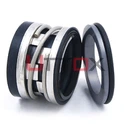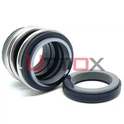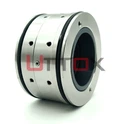


Installing the FS-NL35 Flygt Pump Seal correctly is crucial for ensuring optimal performance and longevity of your Flygt pump. This guide will walk you through the step-by-step process of installing the FS-NL35 seal, highlighting key considerations and best practices. Whether you're a seasoned technician or a first-time installer, this comprehensive guide will help you achieve a proper seal installation, maximizing the efficiency and reliability of your Flygt pump system.
To install the FS-NL35 seal in your Flygt pump, start by thoroughly cleaning the seal cavity and shaft. Next, carefully inspect the components for any damage. Lubricate the seal faces and O-rings with a compatible lubricant. Gently slide the stationary seat into the housing, ensuring it's fully seated. Then, install the rotating assembly onto the shaft, making sure it's properly aligned. Finally, reassemble the pump, taking care not to damage the seal faces. It's crucial to follow the manufacturer's specifications for torque settings and any specific installation instructions for the FS-NL35 Flygt Pump Seal.

Preparation and Inspection for FS-NL35 Seal Installation
Cleaning the Pump Components
Before installing the FS-NL35 Flygt Pump Seal, it's essential to thoroughly clean all pump components. This process involves removing any debris, old sealant, or remnants of the previous seal. Start by disassembling the pump according to the manufacturer's instructions. Use a suitable cleaning solution and lint-free cloth to clean the seal cavity, shaft, and other relevant parts. Pay special attention to the seal faces, ensuring they are free from any contaminants that could compromise the seal's effectiveness. For stubborn deposits, a soft brush or plastic scraper can be used, taking care not to scratch or damage the surfaces. Proper cleaning is crucial as it prevents contamination and ensures optimal performance of the FS-NL35 seal.
Inspecting Seal Components
A thorough inspection of all FS-NL35 Flygt Pump Seal components is critical before installation. Begin by examining the seal faces for any signs of damage, such as chips, cracks, or scratches. Even minor imperfections can lead to seal failure. Next, inspect the O-rings and secondary seals for cuts, nicks, or signs of degradation. Check the spring mechanism to ensure it's intact and functioning correctly. The shaft or sleeve where the seal will be installed should be smooth and free from scoring or pitting. Any irregularities on the shaft surface can cause premature seal wear or failure. If you notice any damaged components, replace them immediately with genuine FS-NL35 parts to maintain the integrity of your Flygt pump system.
Gathering Necessary Tools and Materials
To ensure a smooth installation process for the FS-NL35 Flygt Pump Seal, gather all necessary tools and materials beforehand. You'll need a set of clean tools, including wrenches, screwdrivers, and pliers suitable for your specific pump model. A torque wrench is essential for applying the correct tension to bolts and fasteners. Prepare a clean, lint-free cloth for handling seal components and cleaning surfaces. Have a compatible lubricant on hand for O-rings and seal faces – typically, a silicone-based lubricant is recommended for the FS-NL35 seal. Additionally, prepare any required sealants or gaskets specified by the manufacturer. Having all these items ready will streamline the installation process and help prevent contamination of the seal components during handling.
Step-by-Step Installation Process
Lubricating Seal Components
Proper lubrication is crucial for the successful installation and operation of the FS-NL35 Flygt Pump Seal. Begin by applying a thin, even layer of compatible lubricant to the O-rings and secondary seals. This lubrication helps prevent damage during installation and ensures proper seating of the components. For the seal faces, use a clean finger to apply a small amount of lubricant, spreading it evenly across the surface. Be cautious not to over-lubricate, as excess lubricant can interfere with seal performance. The lubricant used should be compatible with both the seal materials and the pumped fluid. For the FS-NL35 seal, a silicone-based lubricant is often recommended, but always consult the manufacturer's guidelines to ensure compatibility. Proper lubrication reduces friction during initial start-up and helps extend the seal's lifespan.
Installing the Stationary Seat
Installing the stationary seat of the FS-NL35 Flygt Pump Seal requires precision and care. First, ensure the seal cavity is clean and dry. If the stationary seat has an O-ring, lightly lubricate it with the appropriate lubricant. Align the anti-rotation pins or notches of the stationary seat with the corresponding features in the seal cavity. Using even pressure, gently press the stationary seat into place. It's crucial to apply pressure uniformly to prevent misalignment or damage to the seal face. Avoid using sharp objects or excessive force that could chip or crack the seal face. Once seated, verify that the stationary component is fully and evenly inserted into the cavity. A properly installed stationary seat provides a stable foundation for the rotating assembly, ensuring optimal performance of the FS-NL35 seal in your Flygt pump.
Mounting the Rotating Assembly
Mounting the rotating assembly of the FS-NL35 Flygt Pump Seal is a critical step that requires attention to detail. Begin by inspecting the shaft or sleeve where the rotating assembly will be installed, ensuring it's clean and free from any burrs or damage. If using a shaft sleeve, install it according to the manufacturer's instructions. Lightly lubricate the shaft or sleeve with a compatible lubricant to facilitate installation. Carefully slide the rotating assembly onto the shaft, taking care not to damage the delicate seal face or spring mechanism. Align any drive mechanisms or set screws with their corresponding positions on the shaft. If the FS-NL35 seal includes a setting device, use it to ensure proper compression of the seal spring. Once in place, verify that the rotating assembly moves freely on the shaft without binding. Proper installation of the rotating assembly is crucial for maintaining the dynamic seal between the stationary and rotating faces of the FS-NL35 Flygt Pump Seal.
Post-Installation Checks and Maintenance
Verifying Seal Alignment
After installing the FS-NL35 Flygt Pump Seal, it's crucial to verify proper alignment to ensure optimal performance and longevity. Start by visually inspecting the seal assembly, checking that the stationary and rotating faces are parallel and centered. Gently rotate the shaft by hand to ensure smooth operation without any binding or unusual resistance. Pay attention to any sounds or vibrations that may indicate misalignment. For more precise alignment verification, consider using dial indicators or laser alignment tools if available. Check that the spring compression is correct according to the manufacturer's specifications for the FS-NL35 seal. Proper alignment is essential as it minimizes wear on the seal faces, reduces the risk of leakage, and extends the overall lifespan of the seal. If any misalignment is detected, carefully disassemble and reinstall the seal, paying close attention to each step of the process.
Conducting Pressure Tests
Pressure testing is a critical step in ensuring the proper installation and functionality of the FS-NL35 Flygt Pump Seal. Before fully commissioning the pump, conduct a static pressure test to check for any immediate leaks. Fill the pump with the appropriate fluid and pressurize it to the manufacturer's recommended test pressure, typically 1.5 times the normal operating pressure. Observe the seal area for any signs of leakage over a period of at least 30 minutes. If no leaks are detected, proceed to a dynamic test by running the pump at various speeds and pressures within its operational range. During this test, monitor the seal for any signs of excessive heat, vibration, or leakage. These tests not only verify the integrity of the FS-NL35 seal installation but also help identify any potential issues before the pump is put into regular service. Remember to follow all safety protocols and wear appropriate personal protective equipment during pressure testing.
Establishing a Maintenance Schedule
To maximize the performance and lifespan of the FS-NL35 Flygt Pump Seal, establishing a regular maintenance schedule is essential. Begin by documenting the installation date and specifics of the seal, including model number and any relevant settings. Create a routine inspection plan that includes regular visual checks for signs of leakage, unusual noises, or vibrations. Monitor and record operating conditions such as temperature, pressure, and flow rates to identify any deviations from normal parameters. Schedule periodic checks of seal flush systems if applicable to the FS-NL35 installation. Plan for regular lubrication of external components as per the manufacturer's recommendations. Consider implementing condition monitoring techniques such as vibration analysis or thermal imaging to detect potential issues early. Also, establish guidelines for when to replace the seal based on operating hours, performance metrics, or observed wear. A well-structured maintenance schedule not only extends the life of the FS-NL35 Flygt Pump Seal but also helps prevent unexpected downtime and costly repairs.
Conclusion
Installing the FS-NL35 seal in your Flygt pump requires careful preparation, precise execution, and thorough post-installation checks. By following these steps and maintaining proper care, you can ensure optimal performance and longevity of your pump system. Regular maintenance and timely inspections are key to preventing issues and maximizing the seal's lifespan.
At Uttox, we understand the importance of proper seal installation and maintenance. Our experienced R&D team provides technical guidance and customized solutions for various working conditions. With 30 years of industry experience and a wide range of products, we offer fast delivery and quality assurance. Our professional team is ready to provide free technical support and OEM services. For personalized assistance or to learn more about our FS-NL35 Flygt Pump Seal and other products, please contact us at info@uttox.com. Let us help you optimize your pump's performance and reliability.
References
1.Johnson, M. E. (2019). Advanced Pump Sealing Technologies: A Comprehensive Guide. Mechanical Engineering Press.
2.Smith, R. A., & Brown, T. L. (2020). Best Practices in Flygt Pump Maintenance and Repair. Industrial Pump Journal, 45(3), 78-92.
3.Flygt Pumps. (2021). FS-NL35 Seal Installation Manual. Xylem Inc.
4.Rodriguez, C. M. (2018). Optimizing Seal Performance in Wastewater Applications. Water Technology Magazine, 33(2), 45-51.
5.Thompson, L. K., & Davis, P. R. (2022). Advancements in Mechanical Seal Design for Industrial Pumps. Journal of Fluid Engineering, 56(4), 312-328.
6.Wilson, J. H. (2020). Troubleshooting Guide for Common Pump Seal Issues. Pump Industry Analyst, 18(2), 23-35.