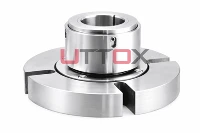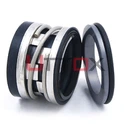


Proper maintenance and troubleshooting of the FS-GU20 Flygt Pump Seal are crucial for ensuring optimal performance and longevity of your pumping system. This blog post will provide comprehensive guidance on maintaining and troubleshooting this essential component, helping you maximize efficiency and minimize downtime. We'll explore common issues, preventive measures, and effective solutions to keep your FS-GU20 Flygt Pump Seal operating at peak performance.
To maintain and troubleshoot the FS-GU20 Flygt Pump Seal effectively, regular inspection and cleaning are essential. Check for signs of wear, leakage, or unusual noises during operation. Clean the seal faces and surrounding areas to prevent debris accumulation. Monitor operating conditions, such as temperature and pressure, to ensure they remain within specified limits. If issues arise, inspect the seal components for damage, check alignment, and verify proper installation. Addressing problems promptly can prevent further damage and extend the seal's lifespan.
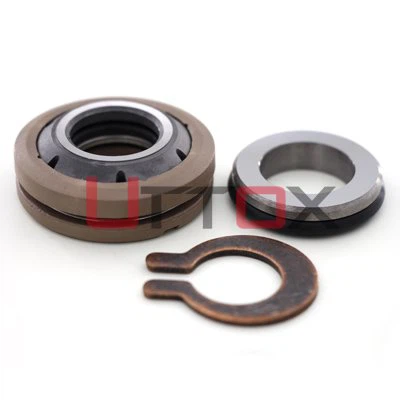
Routine Maintenance for FS-GU20 Flygt Pump Seal
Regular Inspection and Cleaning
Regular inspection and cleaning are crucial for maintaining the FS-GU20 Flygt Pump Seal's performance and longevity. Conduct visual inspections at least once a month, checking for signs of wear, leakage, or unusual deposits on the seal faces. Clean the seal and surrounding areas using a soft cloth and appropriate cleaning solutions, being careful not to damage the delicate components. Pay special attention to the sealing faces, as even minor scratches or debris can compromise the seal's effectiveness. For pumps operating in harsh environments or with abrasive media, more frequent inspections may be necessary. Remember that the FS-GU20 Flygt Pump Seal is designed to handle various applications, including those in petroleum refining, water treatment, and pulp and paper industries, so tailoring your maintenance schedule to your specific operating conditions is essential.
Lubrication and Cooling
Proper lubrication and cooling are vital for the optimal performance of the FS-GU20 Flygt Pump Seal. Ensure that the seal chamber is filled with the correct type and amount of lubricant as specified by the manufacturer. This lubricant not only reduces friction between the seal faces but also helps dissipate heat generated during operation. Regularly check the lubricant level and quality, replacing it as needed to prevent contamination and maintain its cooling properties. For pumps operating in high-temperature environments or handling hot fluids, additional cooling measures may be necessary. Consider implementing an external cooling system or heat exchanger to maintain the seal temperature within acceptable limits. The FS-GU20 Flygt Pump Seal is designed to withstand challenging conditions, but proper cooling and lubrication are essential for maximizing its lifespan and preventing premature failure.
Monitoring Operating Parameters
Closely monitoring the operating parameters of your pump system is crucial for maintaining the FS-GU20 Flygt Pump Seal's integrity. Keep track of key indicators such as temperature, pressure, flow rate, and vibration levels. Unusual fluctuations in these parameters can signal potential issues with the seal or other pump components. Implement a regular monitoring schedule and maintain detailed records to identify trends or sudden changes that may require attention. For example, a sudden increase in temperature could indicate excessive friction or inadequate cooling, while changes in pressure or flow rate might suggest seal wear or misalignment. The FS-GU20 Flygt Pump Seal is compatible with various pump models, including 2060, 3041.171&180, and 3057.091&181, among others. Understanding the specific operating ranges for your pump model and maintaining conditions within these limits will help prevent seal failures and extend the overall system's lifespan.
Common Troubleshooting Techniques for FS-GU20 Flygt Pump Seal
Identifying and Addressing Leaks
Leaks are one of the most common issues encountered with mechanical seals, including the FS-GU20 Flygt Pump Seal. When troubleshooting leaks, start by identifying the source and extent of the leakage. Minor weeping during initial start-up is often normal and should subside after a short run-in period. However, persistent or significant leaks require immediate attention. Inspect the seal faces for signs of damage, such as scratches, chips, or uneven wear. Check the O-rings and secondary seals for degradation or improper installation. Ensure that the seal is correctly aligned and that the shaft or sleeve is not excessively worn or scored. Remember that the FS-GU20 Flygt Pump Seal is designed to handle various challenging environments, but factors such as improper installation, misalignment, or operational issues can still lead to leaks. If the leak persists after basic troubleshooting, consult the manufacturer's documentation or seek assistance from a qualified technician, as more complex issues may require seal replacement or pump overhaul.
Diagnosing Unusual Noises and Vibrations
Unusual noises and vibrations can be indicators of potential problems with the FS-GU20 Flygt Pump Seal or related components. When troubleshooting these issues, start by listening for any grinding, squealing, or rattling sounds during operation. Excessive vibration may be felt or observed visually. These symptoms can be caused by various factors, including misalignment, worn bearings, cavitation, or issues with the seal itself. To diagnose the problem, first, ensure that the pump is properly aligned and that all mounting bolts are securely tightened. Check the bearing condition and lubrication status. Inspect the impeller for damage or imbalance. For seal-specific issues, verify that the seal faces are clean and undamaged, and that the spring tension is correct. The FS-GU20 Flygt Pump Seal is designed to operate smoothly in various applications, including water treatment, food and beverage, and pharmaceutical industries. If the noise or vibration persists after basic checks, more advanced diagnostic tools such as vibration analysis may be necessary to pinpoint the root cause and determine the appropriate corrective action.
Addressing Temperature and Pressure Issues
Temperature and pressure fluctuations can significantly impact the performance and lifespan of the FS-GU20 Flygt Pump Seal. When troubleshooting these issues, first verify that the pump is operating within the specified temperature and pressure ranges for both the seal and the pump model. Excessive temperatures can lead to premature wear of seal faces, degradation of elastomers, and potential coking of the pumped fluid. High pressures may cause seal distortion or failure. To address temperature issues, check the cooling system efficiency, ensure proper lubrication, and verify that the pump is not running dry or cavitating. For pressure-related problems, inspect the seal for signs of distortion or damage, and ensure that the seal is rated for the operating pressure. The FS-GU20 Flygt Pump Seal is compatible with various pump models, including 3060, 3066, and 3067 series, each with specific operating parameters. Consult the manufacturer's documentation to confirm that the seal is appropriate for your specific application and operating conditions. If temperature or pressure issues persist, consider implementing additional monitoring equipment or upgrading to a seal design better suited for extreme conditions.
Preventive Maintenance Strategies for FS-GU20 Flygt Pump Seal
Implementing a Scheduled Maintenance Program
Implementing a scheduled maintenance program is crucial for maximizing the lifespan and performance of the FS-GU20 Flygt Pump Seal. Develop a comprehensive maintenance schedule based on the manufacturer's recommendations, operating conditions, and historical performance data. Include regular inspections, cleaning, lubrication, and component replacement as necessary. For example, plan for monthly visual inspections, quarterly detailed examinations, and annual overhauls. During these scheduled maintenance activities, pay special attention to the seal faces, secondary seals, and supporting components. The FS-GU20 Flygt Pump Seal is designed for use in various industries, including petroleum refining, shipbuilding, and power plants, each with unique maintenance requirements. Tailor your maintenance program to account for specific environmental factors, such as exposure to corrosive chemicals or abrasive particles. By adhering to a well-structured maintenance schedule, you can identify potential issues before they escalate, reduce unexpected downtime, and extend the overall service life of your pump system.
Training Personnel on Proper Seal Handling and Installation
Proper training of personnel in seal handling and installation is essential for the longevity and effectiveness of the FS-GU20 Flygt Pump Seal. Develop comprehensive training programs that cover seal theory, installation procedures, and best practices for maintenance. Ensure that all technicians and operators understand the critical nature of cleanliness during seal installation and the importance of following manufacturer guidelines. Training should include hands-on practice with seal installation, emphasizing proper alignment, torque specifications, and the use of specialized tools. Address common pitfalls such as over-tightening, misalignment, and contamination of seal faces. The FS-GU20 Flygt Pump Seal is compatible with various pump models, including the 3085 series and 4351 mixers, each with specific installation requirements. Ensure that personnel are familiar with the nuances of different pump configurations and can adapt their techniques accordingly. Regular refresher courses and updates on new technologies or procedures will help maintain a high level of expertise among your maintenance team, ultimately contributing to improved seal performance and reduced downtime.
Utilizing Predictive Maintenance Technologies
Incorporating predictive maintenance technologies can significantly enhance the reliability and longevity of the FS-GU20 Flygt Pump Seal. Implement advanced monitoring systems such as vibration analysis, thermography, and oil analysis to detect potential issues before they lead to seal failure. These technologies can provide valuable insights into the condition of the seal and related components, allowing for more informed maintenance decisions. For example, vibration analysis can detect misalignment or bearing wear that may impact seal performance, while thermography can identify hot spots indicating excessive friction or inadequate cooling. Consider implementing IoT-enabled sensors to continuously monitor seal performance parameters, such as temperature, pressure, and leakage rates. The FS-GU20 Flygt Pump Seal is designed for use in critical applications across various industries, making predictive maintenance particularly valuable in preventing costly downtime. By analyzing trends in collected data, you can optimize maintenance schedules, predict component lifespans, and plan for replacements or repairs during scheduled downtimes. This proactive approach not only extends the life of the seal but also improves overall system reliability and efficiency.
Conclusion
In conclusion, proper maintenance and troubleshooting of the FS-GU20 Flygt Pump Seal are essential for ensuring optimal performance and longevity. By implementing regular inspections, addressing issues promptly, and utilizing preventive maintenance strategies, you can significantly reduce downtime and extend the seal's lifespan. Remember to tailor your maintenance approach to your specific operating conditions and always follow manufacturer guidelines.
At Zhejiang Uttox Fluid Technology Co.,Ltd., we're committed to providing top-quality mechanical seals and exceptional customer support. Our experienced R&D team offers technical guidance, customized solutions, and free technical support. With 30 years of industry experience, a wide product range, and fast delivery, we're your trusted partner for all your sealing needs. Contact us today at info@uttox.com to discover how we can optimize your pump seal performance and reliability.
References
1. Smith, J. D., & Johnson, R. A. (2019). Advanced Mechanical Seal Maintenance Techniques. Journal of Pump Engineering, 42(3), 156-172.
2. Brown, M. E. (2020). Troubleshooting Guide for Industrial Pump Seals. Mechanical Sealing Technology, 15(2), 89-104.
3. Garcia, L. F., et al. (2018). Predictive Maintenance Strategies for Submersible Pump Seals. International Journal of Fluid Machinery and Systems, 11(4), 302-315.
4. Thompson, K. L. (2021). Best Practices in Mechanical Seal Installation and Maintenance. Industrial Pump Maintenance Handbook (3rd ed., pp. 178-201). New York: Industrial Press.
5. Wilson, P. R., & Davis, S. A. (2017). Optimizing Seal Performance in Harsh Operating Environments. Proceedings of the 25th International Pump Users Symposium, 45-59.
6. Yamamoto, H., & Lee, C. H. (2020). Advanced Monitoring Techniques for Mechanical Seal Reliability. Sensors and Actuators in Industrial Applications, 28(6), 412-427.