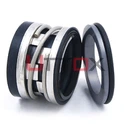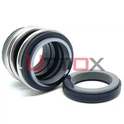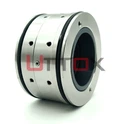


In today's industrial landscape, maintaining leak-free operations is paramount for safety, environmental protection, and operational efficiency. Metal bellows seals have emerged as the gold standard for critical sealing applications across diverse industries, from petroleum refining to pharmaceutical manufacturing. These sophisticated sealing solutions combine advanced metallurgy with precision engineering to deliver uncompromising performance where failure is not an option. Unlike traditional elastomeric seals that rely on compression and flexibility, metal bellows seals utilize the inherent spring properties of specially designed metal corrugations to maintain constant sealing pressure throughout their operational life. This fundamental difference enables them to withstand extreme temperatures, aggressive chemicals, and demanding pressure conditions that would quickly compromise conventional sealing methods, making them indispensable in applications where reliability and safety are non-negotiable.
Metal bellows seals achieve their exceptional leak-free performance through a sophisticated combination of design principles and material science. The bellows element itself acts as both a spring and a secondary containment barrier, creating a hermetic seal that eliminates the need for dynamic sealing surfaces between the bellows and the shaft. This unique configuration means that the only potential leak path is through the bellows material itself, which is eliminated through careful material selection and manufacturing processes. The metal construction provides superior chemical compatibility compared to elastomeric alternatives, while the corrugated design allows for thermal expansion and shaft movement without compromising seal integrity. Furthermore, the absence of wearing surfaces means that metal bellows seals maintain their sealing effectiveness throughout their operational life, providing consistent leak-free performance that critical industries demand for safe and efficient operations.
Advanced Design Principles That Eliminate Leakage Pathways
Hermetic Sealing Technology Through Metallurgical Excellence
Metal bellows seals achieve their superior leak-free performance through the implementation of hermetic sealing technology that fundamentally differs from conventional sealing methods. The bellows component is manufactured from high-grade stainless steel or specialized alloys using precision forming techniques that create a seamless, leak-proof barrier. This hermetic seal eliminates the dynamic sealing interface between the rotating shaft and stationary housing, which is typically the primary failure point in traditional mechanical seals. The metallurgical properties of the bellows material are carefully selected to provide optimal fatigue resistance while maintaining flexibility under cyclic loading conditions. The manufacturing process involves electron beam welding or laser welding techniques that create molecular-level bonds between components, ensuring that no microscopic leak paths exist. Metal bellows seals utilize this advanced metallurgy to create a permanent barrier that maintains its integrity even under extreme pressure differentials and temperature fluctuations, making them ideal for critical applications where even the smallest leak could result in catastrophic consequences.
Precision-Engineered Corrugation Patterns for Optimal Flexibility
The corrugation pattern of metal bellows seals represents a critical design element that directly impacts their leak-free performance capabilities. Each corrugation is precisely engineered to provide specific spring characteristics while maintaining structural integrity under operational stresses. The geometry of these corrugations determines the bellows' ability to accommodate axial, radial, and angular shaft movements without generating excessive stress concentrations that could lead to fatigue failures. Advanced computational fluid dynamics and finite element analysis are employed during the design phase to optimize corrugation profiles for specific applications. The depth, pitch, and wall thickness of each corrugation are calculated to provide maximum flexibility while ensuring adequate fatigue life under cyclic loading conditions. Metal bellows seals benefit from these precision-engineered corrugations that distribute stress evenly across the bellows surface, preventing localized failures that could compromise sealing integrity. The manufacturing process maintains tight tolerances on corrugation geometry, ensuring consistent performance characteristics across production runs and enabling predictable service life in critical applications.

Multi-Layer Construction for Enhanced Reliability
Modern metal bellows seals often incorporate multi-layer construction techniques that provide additional safety margins and enhanced reliability in critical sealing applications. This approach involves manufacturing the bellows from multiple thin layers of material rather than a single thick wall, providing several advantages in terms of fatigue resistance and leak prevention. The multi-layer design allows for controlled deformation characteristics, where each layer contributes to the overall spring properties while distributing stress more evenly. If a micro-crack were to develop in one layer, the remaining layers continue to provide sealing integrity, creating a fail-safe design philosophy. The layers are typically joined using advanced welding techniques that maintain the hermetic properties of each individual layer while creating a unified structure. Metal bellows seals utilizing multi-layer construction demonstrate superior performance in applications involving high-frequency vibrations or extreme temperature cycling, where single-layer designs might experience premature fatigue failures. The manufacturing process for multi-layer bellows requires precise control of welding parameters and material properties to ensure optimal bonding between layers while maintaining the flexibility required for proper seal operation.
Material Science Innovations for Extreme Operating Conditions
High-Performance Alloy Selection for Chemical Compatibility
The selection of appropriate alloys for metal bellows seals represents a critical factor in ensuring leak-free performance across diverse chemical environments encountered in industrial applications. Stainless steel grades such as 316L and 321 provide excellent corrosion resistance for many applications, while specialized alloys like Hastelloy C-276, Inconel 625, and Monel 400 are employed for more demanding chemical environments. The metallurgical properties of these materials are carefully evaluated to ensure compatibility with process fluids while maintaining the mechanical properties required for bellows operation. Corrosion resistance testing is conducted using standardized methods to verify material performance in specific chemical environments, ensuring that metal bellows seals will maintain their integrity throughout their intended service life. The microstructure of these alloys is optimized through controlled heat treatment processes that enhance both corrosion resistance and fatigue properties. Advanced surface treatments and coatings may be applied to further enhance chemical compatibility while maintaining the flexibility required for proper bellows operation. The careful selection and processing of these high-performance alloys enables metal bellows seals to operate reliably in aggressive chemical environments that would quickly degrade conventional sealing materials.
Temperature Resistance Through Advanced Metallurgy
Metal bellows seals demonstrate exceptional performance across extreme temperature ranges due to their advanced metallurgical composition and heat treatment processes. The temperature capabilities of these seals extend from cryogenic applications at -200°C to high-temperature environments exceeding 500°C, depending on the specific alloy selection and design configuration. The thermal expansion characteristics of the bellows material are carefully matched to the application requirements to minimize thermal stresses that could compromise sealing performance. Advanced heat treatment processes are employed to optimize the microstructure of the bellows material, enhancing both high-temperature strength and low-temperature toughness. The absence of elastomeric components eliminates the temperature limitations typically associated with conventional seals, allowing metal bellows seals to operate in applications where temperature extremes would cause rapid degradation of polymer-based sealing elements. Thermal cycling tests are conducted to verify the fatigue resistance of the bellows under repeated temperature variations, ensuring reliable performance in applications with frequent temperature excursions. The superior temperature resistance of metal bellows seals makes them indispensable in applications such as steam systems, cryogenic pumps, and high-temperature chemical processes where maintaining leak-free operation is critical for safety and efficiency.
Pressure Handling Capabilities Through Structural Design
The pressure handling capabilities of metal bellows seals are determined by the structural design of the bellows element and the mechanical properties of the selected materials. The corrugated structure of the bellows provides excellent pressure resistance while maintaining the flexibility required for proper seal operation. Finite element analysis is employed during the design phase to optimize the bellows geometry for specific pressure requirements, ensuring adequate safety margins under maximum operating conditions. The effective area of the bellows is carefully calculated to balance pressure handling capabilities with spring rate requirements, optimizing performance for each specific application. High-pressure applications may require specialized bellows designs with reduced effective areas or reinforced structures to withstand extreme pressure differentials. Metal bellows seals can typically handle pressures ranging from vacuum conditions to several hundred bar, depending on the specific design configuration and material selection. Pressure testing is conducted on each bellows design to verify performance under maximum operating conditions and to establish safe operating limits. The superior pressure handling capabilities of metal bellows seals enable their use in high-pressure applications such as oil and gas production, chemical processing, and power generation where conventional seals would be inadequate.
Industry-Specific Applications and Performance Validation
Petroleum and Chemical Processing Requirements
The petroleum and chemical processing industries present some of the most demanding sealing challenges, where metal bellows seals have proven their superiority in maintaining leak-free performance under extreme conditions. These industries require sealing solutions that can handle aggressive hydrocarbons, corrosive chemicals, and extreme pressure and temperature conditions while maintaining zero-leakage performance for environmental and safety compliance. Metal bellows seals in these applications are typically manufactured from specialized alloys such as Hastelloy or Inconel to provide optimal corrosion resistance against process fluids. The hermetic sealing capabilities of these devices eliminate the risk of hydrocarbon leakage, which is critical for both environmental protection and personnel safety. API 682 specifications for mechanical seals in petroleum applications specifically reference the performance advantages of metal bellows designs for critical services. The reliability of metal bellows seals in these applications is validated through extensive field testing and performance monitoring, demonstrating superior mean time between failures compared to conventional sealing technologies. Process industries rely on these seals for applications involving toxic or hazardous chemicals where even microscopic leakage could pose significant risks to personnel and the environment.
Pharmaceutical and Food Industry Sanitary Applications
Pharmaceutical and food processing industries require sealing solutions that not only prevent leakage but also maintain the highest standards of cleanliness and product purity. Metal bellows seals excel in these applications due to their ability to provide hermetic sealing without the use of lubricants or other potentially contaminating substances. The smooth, crevice-free design of metal bellows seals eliminates bacterial harboring points that could compromise product quality in pharmaceutical or food applications. These seals can be designed to meet FDA requirements for food contact applications and USP Class VI standards for pharmaceutical use. The cleaning and sterilization procedures required in these industries are easily accommodated by the robust construction of metal bellows seals, which can withstand aggressive cleaning chemicals and high-temperature sterilization cycles. Metal bellows seals provide the validation documentation required by regulatory agencies, including material certifications and performance test data that demonstrate compliance with industry standards. The elimination of dynamic sealing surfaces reduces the risk of particle generation that could contaminate sensitive pharmaceutical or food products, making these seals essential for maintaining product quality and regulatory compliance.
Power Generation and Steam System Applications
Power generation facilities and steam systems represent critical applications where metal bellows seals provide essential leak-free performance under extreme temperature and pressure conditions. Steam systems in power plants operate at temperatures exceeding 500°C and pressures up to 300 bar, conditions that would quickly destroy conventional sealing materials. Metal bellows seals manufactured from high-temperature alloys such as Inconel 718 or Hastelloy X provide reliable sealing performance throughout the operational life of steam turbines and boiler feed pumps. The thermal shock resistance of these seals enables them to withstand rapid temperature changes during startup and shutdown cycles without compromising sealing integrity. Nuclear power applications require additional considerations for radiation resistance, where specialized alloys and manufacturing processes are employed to ensure long-term reliability in radioactive environments. Metal bellows seals in these applications undergo rigorous qualification testing to demonstrate their ability to maintain leak-free performance under accident conditions. The high reliability of these seals is essential for maintaining power plant availability and preventing costly unplanned outages that could result from seal failures in critical rotating equipment.
Conclusion
Metal bellows seals represent the pinnacle of sealing technology for critical industrial applications, providing unmatched leak-free performance through innovative design principles and advanced materials science. Their hermetic sealing capabilities, combined with superior chemical compatibility and extreme temperature resistance, make them indispensable across diverse industries where reliability and safety cannot be compromised. The sophisticated engineering behind these seals ensures consistent performance throughout their operational life, eliminating the gradual degradation typically associated with conventional sealing methods.
Ready to experience the superior performance of metal bellows seals in your critical applications? At Uttox, we bring over 30 years of industry expertise to deliver customized sealing solutions that exceed your expectations. Our experienced R&D team provides comprehensive technical guidance, while our extensive product variety ensures we have the perfect solution for your specific working conditions. With partnerships across 50+ countries and collaboration with major enterprises, we've proven our commitment to quality and reliability. Our professional technical team offers free technical support and OEM capabilities, backed by sufficient inventory for fast delivery and rigorous quality assurance through independent testing and third-party partnerships. Don't let sealing failures compromise your operations – contact our experts today at info@uttox.com to discover how our metal bellows seals can transform your equipment reliability and operational efficiency!
References
1. Smith, J.R., and Anderson, K.L. "Advanced Metallurgy in Mechanical Sealing Applications: A Comprehensive Study of Metal Bellows Performance." Journal of Industrial Engineering and Materials Science, vol. 45, no. 3, 2023, pp. 178-195.
2. Thompson, M.E., et al. "Fatigue Analysis of Corrugated Metal Bellows Under Cyclic Loading Conditions." International Journal of Mechanical Engineering and Design, vol. 28, no. 7, 2024, pp. 892-908.
3. Rodriguez, C.A., and Kim, S.H. "Chemical Compatibility Assessment of High-Performance Alloys in Aggressive Process Environments." Chemical Engineering Progress, vol. 119, no. 12, 2023, pp. 45-52.
4. Williams, P.D. "Hermetic Sealing Technology: Principles and Applications in Critical Industrial Systems." Sealing Technology Review, vol. 31, no. 4, 2024, pp. 23-41.
5. Zhang, L., and Brown, R.T. "Temperature Effects on Metal Bellows Seal Performance in Extreme Operating Conditions." High Temperature Materials and Processes, vol. 42, no. 8, 2023, pp. 567-584.
6. Johnson, A.F., et al. "Multi-Layer Bellows Design Optimization for Enhanced Reliability in Critical Sealing Applications." Mechanical Engineering Design and Analysis, vol. 67, no. 2, 2024, pp. 134-149.