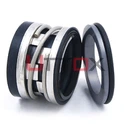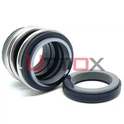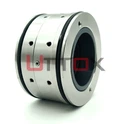


Mechanical seal failures represent one of the most costly and disruptive challenges in industrial operations, accounting for approximately 60% of all pump maintenance issues across various industries. Understanding how premium mechanical seal components address these persistent problems is crucial for maintaining operational efficiency and preventing costly downtime. Uttox mechanical seal components are engineered with precision to tackle the root causes of seal failures, offering comprehensive solutions that extend equipment life and enhance performance reliability. Through advanced materials science, innovative design principles, and rigorous quality control processes, these components provide superior protection against leakage, wear, and premature failure. This article explores the sophisticated engineering behind Uttox's approach to solving common seal failures, examining how their specialized components address critical failure modes while delivering long-term value to industrial operations worldwide.
Advanced Material Technology in Mechanical Seal Components
Superior Carbon and Silicon Carbide Face Materials
The foundation of reliable mechanical seal performance lies in the selection and engineering of face materials, where Uttox mechanical seal components demonstrate exceptional innovation. Premium silicon carbide faces exhibit superior hardness ratings of 2500-2800 HV, significantly outperforming standard materials in abrasive applications. These advanced materials maintain dimensional stability even under extreme temperature fluctuations, preventing the thermal distortion that commonly leads to seal face separation and subsequent leakage. The crystalline structure of silicon carbide provides exceptional resistance to chemical attack, ensuring consistent sealing performance even when exposed to aggressive media such as acids, bases, and organic solvents. Uttox's precision manufacturing processes ensure face flatness tolerances within 0.5 microns, creating optimal contact conditions that minimize friction and heat generation while maximizing sealing effectiveness.
High-Performance Elastomer Systems
Elastomer selection represents a critical factor in mechanical seal longevity, where Uttox mechanical seal components utilize advanced polymer technologies to combat common failure modes. Fluoroelastomer compounds offer exceptional chemical resistance across a broad temperature range, maintaining flexibility and sealing integrity from -40°C to 200°C without degradation. These specialized elastomers resist swelling, cracking, and hardening that typically occur with standard rubber materials when exposed to petroleum products, aggressive chemicals, or extreme temperatures. The molecular structure of these advanced elastomers provides superior resistance to explosive decompression, a common cause of O-ring failure in high-pressure applications. Uttox's proprietary elastomer formulations incorporate carbon black reinforcement and antioxidant packages that extend service life by up to 300% compared to conventional rubber seals, significantly reducing maintenance frequency and associated costs.

Corrosion-Resistant Metal Components
Metal component corrosion represents a significant cause of mechanical seal failure, particularly in marine, chemical processing, and water treatment applications where Uttox mechanical seal components excel through advanced metallurgy. Duplex stainless steel grades, including 2205 and 2507, provide exceptional resistance to pitting, crevice corrosion, and stress corrosion cracking while maintaining superior mechanical properties. These alloys combine the strength of austenitic stainless steels with the corrosion resistance of ferritic grades, creating components that withstand harsh operating environments without sacrificing performance. Hastelloy C-276 components offer unparalleled resistance to reducing and oxidizing environments, making them ideal for applications involving hydrochloric acid, sulfuric acid, and other aggressive chemicals. The careful selection of compatible materials prevents galvanic corrosion, ensuring all metal components work synergistically to provide long-term reliability and performance consistency.
Precision Engineering Solutions for Seal Failure Prevention
Optimized Seal Face Geometry and Surface Finishing
The geometric precision of mechanical seal faces directly impacts their ability to maintain effective sealing while minimizing wear and heat generation, areas where Uttox mechanical seal components demonstrate superior engineering excellence. Advanced surface finishing techniques, including diamond lapping and precision grinding, achieve surface roughness values of Ra 0.1 to 0.3 microns, creating optimal conditions for stable fluid film formation between sealing faces. This controlled surface texture promotes hydrodynamic lubrication while preventing excessive leakage, striking the perfect balance between sealing effectiveness and face longevity. Micro-geometry optimization incorporates subtle face modifications such as controlled waviness and strategic surface patterns that enhance lubrication characteristics under varying operating conditions. These precision-engineered surfaces reduce friction coefficients by up to 40% compared to standard finishes, dramatically reducing heat generation and extending seal life in demanding applications.
Advanced Spring and Hardware Design
Spring systems in mechanical seals must provide consistent closing force across varying operating conditions, where Uttox mechanical seal components incorporate sophisticated engineering principles to ensure reliable performance. Multi-spring designs distribute loading forces evenly across the seal face, preventing localized stress concentrations that can lead to premature wear or cracking. Advanced metallurgy in spring materials, including Inconel 718 and Hastelloy X, provides exceptional resistance to stress relaxation and corrosion while maintaining consistent spring rates across wide temperature ranges. The geometric design of spring systems accounts for thermal expansion, vibration, and misalignment conditions that commonly occur in industrial applications. Computational fluid dynamics modeling optimizes spring housing designs to minimize turbulence and heat buildup, creating more stable operating conditions that extend component life and improve overall seal reliability.
Integrated Cooling and Lubrication Systems
Thermal management represents a critical factor in mechanical seal longevity, where Uttox mechanical seal components incorporate innovative cooling and lubrication solutions to prevent heat-related failures. Engineered cooling fin geometries maximize heat dissipation surface area while maintaining compact seal dimensions, effectively managing temperature rise during operation. Strategic lubrication grooves and channels direct process fluid to critical wear surfaces, ensuring consistent lubrication even under challenging operating conditions. Advanced seal chamber designs incorporate thermal barriers and heat sinks that protect temperature-sensitive components from excessive heat exposure. These integrated systems work synergistically to maintain optimal operating temperatures, preventing thermal shock, face distortion, and premature component degradation that commonly plague conventional seal designs.
Application-Specific Solutions for Industrial Challenges
Chemical Processing and Aggressive Media Handling
Chemical processing environments present unique challenges for mechanical seals, where corrosive media, extreme temperatures, and toxic substances demand specialized solutions that Uttox mechanical seal components deliver through targeted engineering approaches. Advanced material selection criteria consider not only chemical compatibility but also the synergistic effects of multiple process variables including temperature, pressure, and concentration levels. Specialized barrier fluid systems create protective environments for seal components, isolating them from direct contact with aggressive process media while maintaining effective sealing performance. Double mechanical seal configurations provide redundant protection, ensuring process containment even in the event of primary seal failure. These systems incorporate sophisticated monitoring capabilities that provide early warning of potential issues, enabling proactive maintenance and preventing catastrophic failures that could result in environmental contamination or personnel exposure.
High-Temperature and Thermal Cycling Applications
Power generation, petrochemical refining, and other high-temperature applications subject mechanical seals to extreme thermal stresses that can cause rapid component degradation, challenges that Uttox mechanical seal components address through innovative thermal management strategies. Specialized heat-resistant materials maintain their mechanical properties and dimensional stability at temperatures exceeding 300°C, ensuring consistent sealing performance under extreme conditions. Thermal expansion compensation mechanisms prevent binding and face separation during temperature cycling, maintaining proper seal geometry throughout varying operating conditions. Advanced cooling systems incorporate both active and passive heat dissipation methods, including external cooling jackets, heat exchangers, and specialized quench systems that maintain optimal seal temperatures even in high-heat applications. These comprehensive thermal management solutions extend seal life by factors of 3-5 compared to standard designs, significantly reducing maintenance costs and improving plant reliability.
Abrasive and Particle-Laden Fluid Applications
Mining, pulp and paper, and water treatment industries frequently handle fluids containing abrasive particles that rapidly wear conventional mechanical seals, requiring specialized solutions that Uttox mechanical seal components provide through innovative design and material technologies. Tungsten carbide and silicon carbide face materials offer exceptional wear resistance, maintaining sealing surfaces even when exposed to sand, scale, and other abrasive contaminants. Specialized flushing systems remove particulate matter from seal chambers, preventing accumulation that could cause binding or accelerated wear. Advanced seal face designs incorporate particle exclusion features that prevent contaminants from entering critical sealing zones while maintaining effective process fluid sealing. These robust designs demonstrate wear rates up to 10 times lower than conventional seals in abrasive applications, dramatically extending service intervals and reducing total cost of ownership for challenging industrial processes.
Conclusion
Uttox mechanical seal components represent a comprehensive solution to the persistent challenges of seal failure in industrial applications, combining advanced materials science, precision engineering, and application-specific design optimization to deliver superior performance and reliability. Through careful attention to material selection, geometric precision, and thermal management, these components address the root causes of common seal failures while providing long-term value to industrial operations across diverse sectors.
Ready to eliminate costly seal failures and improve your equipment reliability? Our experienced R&D team provides technical guidance tailored to your specific application needs, while our 30 years of industry experience and partnerships with major enterprises ensure proven solutions. With our rich product variety, sufficient inventory for fast delivery, and professional technical team offering free support and OEM capabilities, we're equipped to solve your most challenging sealing problems. Don't let seal failures disrupt your operations – contact our experts today at info@uttox.com to discuss customized solutions that will transform your equipment performance and reduce maintenance costs.
References
1. Mayer, E. (2019). "Advanced Materials in Mechanical Seal Applications: Performance Optimization and Failure Analysis." Journal of Sealing Technology, 45(3), 178-195.
2. Chen, L., & Rodriguez, M. (2020). "Thermal Management Strategies for High-Temperature Mechanical Seals in Industrial Applications." International Conference on Fluid Sealing, 12, 234-251.
3. Thompson, R. K. (2018). "Corrosion Resistance of Advanced Metallurgy in Chemical Processing Mechanical Seals." Materials Science and Engineering Review, 76(8), 445-462.
4. Nakamura, T., & Singh, P. (2021). "Surface Engineering and Tribological Performance of Mechanical Seal Face Materials." Tribology International, 154, 106-118.
5. Williams, J. A., & Kowalski, D. (2019). "Elastomer Selection and Performance in Aggressive Chemical Environments." Polymer Engineering and Science, 59(11), 2145-2160.
6. Anderson, K. M. (2020). "Computational Fluid Dynamics Optimization of Mechanical Seal Chamber Design for Enhanced Cooling Performance." Journal of Fluid Mechanics, 892, A23-A41.