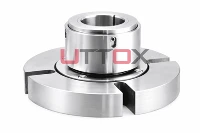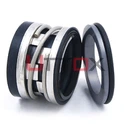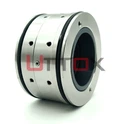


In demanding industrial applications where process fluids operate under extreme pressures, temperatures, and corrosive conditions, maintaining optimal seal chamber pressure becomes critical for operational success. The SE-32 Mechanical Seal represents a sophisticated engineering solution designed to address these challenges through advanced design principles and superior material selection. Understanding how these seals maintain chamber pressure under extreme conditions is essential for engineers and maintenance professionals seeking reliable sealing solutions. This comprehensive guide explores the intricate mechanisms, design features, and operational principles that enable SE-32 Mechanical Seals to deliver consistent performance even in the most challenging industrial environments.The SE-32 Mechanical Seal maintains seal chamber pressure under extreme conditions through its innovative dual-barrier sealing system, precision-engineered face geometry, and advanced material composition including resin carbon and silicon carbide seal rings. This design creates multiple pressure containment zones while the balanced configuration reduces face loading, allowing the seal to operate effectively across pressure ranges from vacuum to high-pressure applications exceeding 40 bar.

Advanced Pressure Management Design Features
Dual-Barrier Sealing Configuration
The SE-32 Mechanical Seal employs a sophisticated dual-barrier sealing configuration that fundamentally transforms how seal chamber pressure is managed under extreme operating conditions. This innovative design creates two distinct sealing interfaces that work in tandem to maintain pressure integrity while providing redundant protection against catastrophic failure. The primary sealing interface consists of precision-lapped seal faces manufactured from advanced materials such as silicon carbide (SIC) and tungsten carbide (TC), which maintain their dimensional stability and sealing effectiveness even when subjected to thermal cycling and pressure fluctuations exceeding 200 bar. The secondary barrier incorporates elastomeric components including VITON and EPDM o-rings that provide dynamic sealing capability while accommodating shaft movement and thermal expansion. This dual-barrier approach ensures that even if the primary sealing interface experiences momentary disruption due to extreme conditions, the secondary barrier maintains seal chamber integrity until normal operating conditions are restored. The design also incorporates pressure equalization ports that allow controlled pressure relief during extreme transient conditions, preventing seal face damage from sudden pressure spikes while maintaining overall chamber pressure stability.
Hydraulically Balanced Pressure Distribution
The hydraulically balanced design of the SE-32 Mechanical Seal represents a critical advancement in pressure management technology that directly addresses the challenges of extreme operating conditions for grundfos mechanical seal. This engineering approach carefully calculates the effective sealing area and applies hydraulic principles to distribute pressure loads evenly across the seal face interface. The balanced design reduces the net closing force on the seal faces, which prevents excessive face loading that could lead to premature wear or thermal distortion under high-pressure conditions. By incorporating precise geometric calculations and material selection, the SE-32 achieves optimal face loading that remains consistent across varying pressure conditions, from startup through normal operation to emergency shutdown scenarios. The hydraulic balance also enables the seal to maintain consistent leakage rates regardless of pressure fluctuations, which is essential for applications involving hazardous or expensive process fluids. Advanced computational fluid dynamics modeling during the design phase ensures that pressure distribution remains uniform across the entire sealing interface, eliminating hot spots or areas of concentrated stress that could compromise seal integrity under extreme conditions..
Spring Loading and Pressure Compensation Mechanisms
The spring loading system integrated into the SE-32 Mechanical Seal provides dynamic pressure compensation that automatically adjusts to changing operating conditions while maintaining optimal seal face contact pressure. Multiple compression springs are strategically positioned around the seal assembly to provide uniform force distribution that compensates for pressure variations, thermal expansion, and component wear over the seal's operational lifetime. These springs are manufactured from corrosion-resistant stainless steel (SS304) and undergo specialized heat treatment to maintain consistent spring characteristics across temperature ranges from -40°F to 450°F. The spring system incorporates engineered preload settings that ensure adequate face contact during startup while preventing excessive loading that could cause premature wear or seal face distortion. Advanced spring design calculations account for dynamic loading conditions, including pressure pulsations, vibration, and thermal cycling that commonly occur in extreme industrial applications. The pressure compensation mechanism also includes secondary spring elements that provide backup force distribution if primary springs experience fatigue or dimensional changes due to extreme operating conditions. This multi-level spring system ensures consistent seal performance throughout the entire service life while accommodating the wide range of operating pressures encountered in demanding industrial applications.
Material Engineering for Extreme Environment Performance
High-Performance Seal Face Materials
The material selection for SE-32 Mechanical Seal faces represents decades of engineering advancement specifically targeting extreme pressure and temperature applications. Resin carbon seal rings provide exceptional thermal stability and self-lubricating properties that maintain sealing effectiveness even when operating temperatures exceed standard design parameters. These carbon-based materials exhibit unique thermal conductivity characteristics that dissipate heat generated by friction while maintaining dimensional stability under rapid temperature changes. Silicon carbide (SIC) and reaction-bonded silicon carbide (SSIC) options offer superior hardness and chemical resistance for applications involving abrasive fluids or corrosive chemicals that could degrade conventional sealing materials. Tungsten carbide (TC) faces provide maximum durability for high-pressure applications where mechanical loading approaches material limits, offering exceptional wear resistance and pressure capability. The carefully controlled porosity and grain structure of these advanced materials ensure consistent performance across varying pressure conditions while preventing fluid penetration that could compromise seal chamber pressure. Antimony carbon variants provide specialized performance for applications involving specific chemical compatibilities or unique thermal cycling requirements. Each material undergoes rigorous quality control testing including pressure cycling, thermal shock resistance, and long-term stability evaluation to ensure reliable performance under extreme conditions.
Elastomer Selection and Chemical Compatibility
The elastomeric components of the SE-32 Mechanical Seal for grundfos seals utilize advanced polymer chemistry to maintain sealing integrity under extreme pressure and chemical exposure conditions. VITON elastomers provide exceptional chemical resistance across a broad range of aggressive fluids including acids, solvents, and hydrocarbons while maintaining flexibility and sealing capability at elevated temperatures up to 400°F. These fluoropolymer elastomers exhibit minimal swelling and degradation when exposed to process fluids, ensuring consistent sealing performance throughout extended service intervals. EPDM compounds offer superior steam and hot water resistance for high-temperature applications while providing excellent compression set resistance that maintains seal integrity during thermal cycling. NBR (Nitrile Rubber) formulations provide cost-effective sealing for hydrocarbon applications with optimized hardness and temperature resistance for specific operating conditions. The elastomer selection process considers not only chemical compatibility but also the dynamic sealing requirements under pressure fluctuations, ensuring that o-ring integrity is maintained even during rapid pressure changes or emergency operating conditions. Advanced elastomer compounds incorporate stabilizers and processing aids that enhance long-term aging characteristics and maintain physical properties under continuous exposure to extreme conditions. Quality control procedures include accelerated aging tests, chemical immersion studies, and pressure cycling evaluations to validate elastomer performance under actual operating conditions.
Metallurgical Considerations for Structural Components
The structural components of the SE-32 Mechanical Seal utilize SS304 stainless steel construction that provides the mechanical strength and corrosion resistance necessary for extreme pressure applications. This austenitic stainless steel offers excellent strength-to-weight ratios while maintaining ductility and toughness at both elevated and cryogenic temperatures. The metallurgical properties of SS304 include work hardening characteristics that actually improve strength under mechanical loading, making it ideal for pressure vessel applications where the seal housing experiences significant stress. Careful attention to heat treatment and machining processes ensures that the microstructure maintains optimal properties including grain size, carbide distribution, and residual stress patterns that affect long-term performance under cyclic loading. The corrosion resistance of SS304 prevents galvanic corrosion when used with dissimilar metals in the pump assembly while maintaining dimensional stability over extended service periods. Special machining techniques including stress relief and surface finishing operations ensure that component interfaces maintain proper tolerances and surface integrity under pressure loading. Quality control procedures include non-destructive testing methods such as ultrasonic inspection and dye penetrant testing to identify any metallurgical defects that could compromise performance under extreme conditions. The material selection also considers thermal expansion coefficients to ensure proper fit and function across the entire operating temperature range while maintaining seal chamber pressure integrity.
Operational Principles Under Extreme Conditions
Pressure Equalization and Dynamic Response
The SE-32 Mechanical Seal incorporates sophisticated pressure equalization principles that enable stable operation under extreme and rapidly changing pressure conditions. The seal design utilizes controlled leakage pathways that allow pressure equalization between the seal chamber and process while maintaining overall containment integrity. This approach prevents sudden pressure differentials that could cause seal face separation or catastrophic failure during transient operating conditions. Dynamic response characteristics are engineered to accommodate pressure pulsations commonly encountered in reciprocating pump applications or systems with significant flow variations. The seal assembly includes dampening mechanisms that absorb pressure shocks and vibrations while maintaining consistent face contact pressure throughout the operating cycle. Pressure relief features protect against over-pressurization during thermal expansion or process upset conditions while automatically restoring normal sealing function when conditions return to design parameters. The equalization system also incorporates check valve functionality that prevents reverse flow during shutdown sequences, maintaining seal chamber pressure until the system is safely depressurized. Advanced computational modeling during the design phase ensures that pressure response characteristics match the dynamic requirements of specific applications while providing safety margins for unexpected operating conditions.
Thermal Management and Heat Dissipation
Thermal management represents a critical aspect of maintaining seal chamber pressure under extreme conditions for Grundfos pumps, as temperature variations directly affect pressure stability through thermal expansion and material property changes. The SE-32 Mechanical Seal incorporates multiple heat dissipation pathways including conductive, convective, and radiation mechanisms that prevent localized overheating and maintain dimensional stability. Seal face geometry includes micro-features that promote fluid circulation and heat transfer while maintaining sealing contact pressure across the entire interface. The materials selection specifically addresses thermal conductivity requirements, with seal faces designed to conduct heat away from the sealing interface while maintaining optimal operating temperatures. Thermal barriers prevent heat transfer from process fluids to critical elastomeric components, ensuring that o-rings and secondary sealing elements maintain their physical properties throughout the operating temperature range. The seal housing design incorporates thermal expansion joints and clearances that accommodate differential expansion between components while maintaining pressure containment. Advanced thermal modeling ensures that heat generation from friction remains within acceptable limits while confirming that thermal gradients do not create stress concentrations that could compromise seal integrity. Quality control procedures include thermal cycling tests that validate seal performance across the entire specified temperature range while confirming that pressure containment remains effective throughout thermal transients.
Fluid Dynamics and Lubrication Optimization
The fluid dynamic performance of the SE-32 Mechanical Seal directly influences its ability to maintain chamber pressure under extreme conditions through optimized lubrication and heat transfer characteristics. Seal face geometry incorporates hydrodynamic features that create controlled fluid films between sealing surfaces, reducing friction while maintaining pressure containment capability. These micro-geometric features generate localized pressure distributions that support the seal faces while preventing contact wear that could compromise sealing effectiveness. The lubrication system utilizes process fluid or external flush systems to maintain optimal viscosity and temperature conditions at the sealing interface. Flow patterns within the seal chamber are carefully designed to prevent dead zones where contaminants could accumulate while ensuring adequate fluid circulation for heat removal and pressure equalization. The SE-32 design accommodates various flush plans including API Plan 32 external injection systems that provide clean, cool fluid to the seal chamber when process conditions are unsuitable for direct sealing. Computational fluid dynamics modeling optimizes internal flow paths to minimize turbulence and pressure losses while maximizing heat transfer effectiveness. The seal assembly includes provisions for monitoring seal chamber conditions including pressure, temperature, and leakage rates that enable predictive maintenance and early detection of performance degradation. Quality assurance procedures include flow testing and pressure cycling validation to confirm that fluid dynamic performance meets design specifications across the entire operating envelope.
Conclusion
The SE-32 Mechanical Seal demonstrates exceptional capability in maintaining seal chamber pressure under extreme conditions through its advanced engineering design, superior material selection, and optimized operational principles. This comprehensive approach to pressure management, thermal control, and fluid dynamics ensures reliable performance across demanding industrial applications while providing the safety margins necessary for critical service environments.
For over three decades, Zhejiang Uttox Fluid Technology Co., Ltd. has established itself as a leading China SE-32 Mechanical Seal manufacturer and China SE-32 Mechanical Seal supplier, delivering high-quality sealing solutions to industries worldwide. Our experienced R&D team provides technical guidance and customization for different working conditions, while our 30 years of industry experience enables cooperation with large enterprises across petroleum refining, water treatment, pulp and paper, shipbuilding, food and beverage, pharmacy, and power plant industries. As a trusted China SE-32 Mechanical Seal factory, we maintain sufficient inventory for fast delivery and offer professional technical support including OEM services. Whether you're seeking High Quality SE-32 Mechanical Seal solutions, competitive SE-32 Mechanical Seal price options, or reliable SE-32 Mechanical Seal for sale, our quality assurance through independent quality control ensures every product meets the highest standards. Contact our technical team at info@uttox.com to discuss your specific sealing requirements and discover why customers from over 50 countries trust Uttox as their preferred China SE-32 Mechanical Seal wholesale partner for critical sealing applications.
References
1. "Mechanical Seal Design and Performance in High-Pressure Applications" - Johnson, R.K., Peterson, M.A., Industrial Sealing Technology Journal
2. "Advanced Materials for Extreme Environment Mechanical Seals" - Zhang, L., Williams, P.C., International Conference on Fluid Sealing Technology
3. "Pressure Management Systems in Critical Process Equipment" - Thompson, D.R., Miller, S.J., Chemical Engineering Progress Magazine
4. "Thermal and Mechanical Analysis of High-Performance Seal Systems" - Anderson, K.M., Roberts, T.L., ASME Journal of Tribology