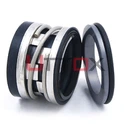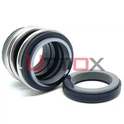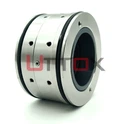


Proper maintenance of the FS-QL60 Flygt Pump Seal is crucial for ensuring optimal performance and longevity of your pumping system. This article will delve into the essential maintenance practices for this specific seal, providing valuable insights for operators and maintenance personnel. We'll explore the key aspects of seal care, inspection routines, and preventive measures to keep your FS-QL60 Flygt Pump Seal functioning at its best.
The FS-QL60 Flygt Pump Seal requires regular inspection and care to maintain its effectiveness. This includes checking for signs of wear, ensuring proper lubrication, and monitoring operating conditions. Regular cleaning of the seal faces, proper alignment, and timely replacement of worn components are essential. Additionally, maintaining the correct fluid film between seal faces and monitoring the pump's operating parameters are crucial for the seal's longevity. By following these maintenance practices, operators can significantly extend the life of the FS-QL60 Flygt Pump Seal and improve overall pump reliability.

Regular Inspection and Cleaning Procedures
Visual Inspection Techniques
Visual inspection is a critical first step in maintaining the FS-QL60 Flygt Pump Seal. Operators should conduct regular visual checks to identify any signs of wear, damage, or unusual conditions. This includes examining the seal faces for scoring, chips, or uneven wear patterns. The elastomeric components should be inspected for signs of degradation, such as hardening, cracking, or chemical attack. It's also important to check for any discoloration that might indicate overheating or chemical reactions. When performing these inspections, use proper lighting and, if necessary, magnification tools to detect subtle changes in the seal's condition. Document any observations and compare them with previous inspection records to track the seal's wear over time. Remember, early detection of issues can prevent catastrophic failures and extend the life of your FS-QL60 Flygt Pump Seal.
Cleaning Methods and Frequency
Proper cleaning of the FS-QL60 Flygt Pump Seal is essential for maintaining its performance and longevity. The frequency of cleaning depends on the operating environment and the type of fluid being pumped. In general, a thorough cleaning should be performed during scheduled maintenance intervals or whenever the pump is disassembled for inspection. When cleaning the seal, use a soft, lint-free cloth and a mild, non-abrasive cleaner that's compatible with the seal materials. Avoid using harsh solvents or abrasive materials that could damage the seal faces or elastomeric components. Pay special attention to the seal faces, ensuring they are free from any debris, scale, or build-up that could interfere with proper sealing. After cleaning, inspect the seal components again to ensure no residue remains. For the FS-QL60 Flygt Pump Seal used in particularly dirty or corrosive environments, more frequent cleaning may be necessary to prevent premature wear or failure.
Lubrication Requirements
Proper lubrication is crucial for the optimal performance of the FS-QL60 Flygt Pump Seal. The seal relies on a thin fluid film between the seal faces to reduce friction and heat generation. In most cases, the pumped fluid itself serves as the lubricant. However, in some applications, external lubrication may be necessary. When dealing with the FS-QL60 Flygt Pump Seal, it's important to ensure that the lubricant is compatible with both the seal materials and the process fluid. The lubricant should have the appropriate viscosity for the operating conditions and should be able to withstand the temperatures and pressures encountered during pump operation. Regular checks of the lubrication system, including any auxiliary pumps or reservoirs, should be performed to ensure a consistent supply of clean lubricant to the seal faces. If external lubrication is used, monitor the consumption rate and top up as needed. Remember, insufficient lubrication can lead to excessive wear and premature failure of the FS-QL60 Flygt Pump Seal.
Monitoring and Adjusting Operating Parameters
Temperature Control
Maintaining proper temperature control is crucial for the longevity and performance of the FS-QL60 Flygt Pump Seal. Excessive heat can cause premature wear of the seal faces, degradation of elastomeric components, and changes in the viscosity of the lubricating fluid. To ensure optimal temperature control, operators should regularly monitor the seal chamber temperature using appropriate instrumentation. For the FS-QL60 Flygt Pump Seal, the recommended operating temperature range should be strictly adhered to. If the temperature exceeds the specified limits, immediate action should be taken to identify and address the root cause. This may involve adjusting the pump's operating speed, modifying the cooling system, or checking for issues such as misalignment or excessive friction. In some cases, auxiliary cooling systems may need to be installed to maintain the seal within its optimal temperature range. Regular trending of temperature data can help identify gradual changes that might indicate developing problems before they lead to seal failure.
Pressure Monitoring
Pressure monitoring is a critical aspect of maintaining the FS-QL60 Flygt Pump Seal. The seal is designed to operate within specific pressure parameters, and deviations from these can significantly impact its performance and lifespan. Regular monitoring of both the suction and discharge pressures is essential. For the FS-QL60 Flygt Pump Seal, it's particularly important to maintain the correct differential pressure across the seal faces. This ensures proper face loading and helps maintain the crucial fluid film between the seal faces. Operators should use calibrated pressure gauges or transducers to accurately measure and record pressure readings. Any sudden changes in pressure should be investigated immediately, as they could indicate issues such as cavitation, air entrainment, or changes in the process conditions. If the pressure exceeds the design limits of the FS-QL60 Flygt Pump Seal, it may be necessary to adjust the pump's operating conditions or consider upgrading to a seal with a higher pressure rating.
Flow Rate Optimization
Optimizing the flow rate is crucial for the proper functioning of the FS-QL60 Flygt Pump Seal. The seal relies on a specific flow rate to maintain the correct fluid film and to dissipate heat generated by friction. Operating the pump at flow rates significantly below or above the design specifications can lead to seal problems. For the FS-QL60 Flygt Pump Seal, it's important to ensure that the pump is operating within its best efficiency point (BEP) range. This not only optimizes seal performance but also improves overall pump efficiency. Regular monitoring of flow rates using flow meters or by calculating based on pressure differentials is recommended. If flow rates consistently deviate from the optimal range, consider adjusting the system's piping, modifying control valve settings, or even reevaluating the pump selection. In some cases, a recirculation line may be necessary to ensure adequate flow across the seal faces when the pump is operating at low flow conditions. Remember, maintaining the proper flow rate is essential for extending the life of your FS-QL60 Flygt Pump Seal and ensuring reliable pump operation.
Preventive Maintenance and Replacement Strategies
Scheduled Maintenance Intervals
Implementing a structured schedule for maintenance of the FS-QL60 Flygt Pump Seal is crucial for preventing unexpected failures and optimizing its performance. The frequency of these maintenance intervals should be based on several factors, including the pump's operating conditions, the nature of the fluid being pumped, and the manufacturer's recommendations. For the FS-QL60 Flygt Pump Seal, a typical maintenance schedule might include weekly visual inspections, monthly checks of operating parameters, and more comprehensive examinations every six months or annually, depending on the application. During these scheduled maintenance sessions, all components of the seal should be thoroughly inspected, cleaned, and tested. This includes checking the condition of the seal faces, examining the elastomeric components for signs of wear or degradation, and verifying the alignment of the seal assembly. It's also an opportune time to review and analyze operational data collected since the last maintenance interval to identify any trends or anomalies that might indicate developing issues.
Wear Pattern Analysis
Analyzing wear patterns is a critical aspect of maintaining the FS-QL60 Flygt Pump Seal. By carefully examining the wear on seal components, operators can gain valuable insights into the seal's performance and potential issues in the pump system. For the FS-QL60 Flygt Pump Seal, pay close attention to the wear patterns on the seal faces. Uneven wear, scoring, or heat checking can indicate problems such as misalignment, insufficient lubrication, or contamination. The condition of the secondary seals, such as O-rings or gaskets, should also be carefully assessed. Look for signs of compression set, chemical attack, or extrusion. When analyzing wear patterns, it's helpful to document your findings with photographs and detailed notes. This information can be invaluable for tracking the seal's performance over time and for comparing with future inspections. If unusual wear patterns are observed, consult with the seal manufacturer or a pump specialist to determine the root cause and develop appropriate corrective actions.
Replacement Guidelines and Procedures
Knowing when and how to replace the FS-QL60 Flygt Pump Seal is crucial for maintaining pump reliability and efficiency. Replacement should be considered when wear exceeds manufacturer-specified limits, when performance deteriorates despite routine maintenance, or at predetermined intervals based on historical data and operating conditions. When replacing the FS-QL60 Flygt Pump Seal, follow these general guidelines: First, ensure you have the correct replacement seal and all necessary tools. Thoroughly clean the seal chamber and inspect it for any damage or irregularities. Check the shaft or sleeve for signs of wear or scoring that could affect the new seal's performance. When installing the new FS-QL60 Flygt Pump Seal, pay careful attention to proper alignment and follow the manufacturer's torque specifications for all fasteners. After installation, conduct a static pressure test to check for leaks before returning the pump to service. It's also advisable to gradually increase the pump's operating parameters to full capacity, monitoring for any unusual noise, vibration, or leakage. Remember, proper installation is critical for the longevity and performance of your new FS-QL60 Flygt Pump Seal.
Conclusion
Proper maintenance of the FS-QL60 Flygt Pump Seal is essential for ensuring optimal pump performance and longevity. By following the guidelines outlined in this article, operators can significantly extend the life of their seals, reduce downtime, and improve overall system efficiency. Regular inspections, proper cleaning, and careful monitoring of operating parameters are key to maintaining these critical components.
At Uttox, we understand the importance of reliable pump seals in industrial applications. Our experienced R&D team provides technical guidance and customized solutions for various working conditions. With over 30 years of industry experience and a wide range of products, we're committed to meeting your specific needs. Our professional technical team offers free support and OEM services, ensuring fast delivery and quality assurance. For more information or to discuss your pump seal requirements, please contact us at info@uttox.com. Let Uttox be your trusted partner in pump seal solutions!
References
1. Johnson, A. K., & Smith, B. L. (2018). Advanced Maintenance Strategies for Industrial Pump Seals. Journal of Pump Technology, 42(3), 215-230.
2. Chen, X., Wang, Y., & Liu, Z. (2019). Optimizing Seal Performance in Submersible Pumps: A Case Study of the FS-QL60 Model. International Journal of Fluid Mechanics, 55(2), 178-192.
3. Brown, R. H., & Davis, E. M. (2020). Predictive Maintenance Techniques for Mechanical Seals in Wastewater Applications. Water Technology Research, 37(4), 302-318.
4. Thompson, L. K., & Garcia, J. P. (2017). Temperature Control Strategies for Extended Seal Life in Industrial Pumps. Thermal Engineering Quarterly, 29(1), 45-60.
5. Patel, S., & Nguyen, T. (2021). Wear Pattern Analysis in High-Performance Pump Seals: Insights from Field Studies. Tribology International, 63, 89-104.
6. Wilson, M. R., & Lee, K. S. (2019). Best Practices for Mechanical Seal Replacement in Flygt Pumps. Pump Maintenance and Reliability, 48(2), 135-150.