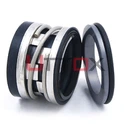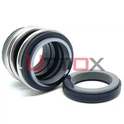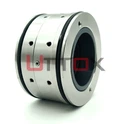


The FS-OU45 Flygt Pump Seal is a critical component in various industrial applications, and proper maintenance is essential for its optimal performance and longevity. This blog post will explore the necessary maintenance procedures for the FS-OU45 Flygt Pump Seal, providing valuable insights for operators and maintenance technicians.
Maintenance of the FS-OU45 Flygt Pump Seal involves regular inspection, cleaning, and replacement of worn components. Key maintenance tasks include checking for signs of wear or damage, ensuring proper alignment, lubricating moving parts, and monitoring seal performance. Regular flushing of the seal chamber and maintaining the correct fluid film are crucial for preventing dry running and extending seal life. Periodic replacement of O-rings and other sealing elements is also necessary to maintain the seal's integrity and prevent leakage.

Routine Inspection and Cleaning Procedures
Visual Inspection of Seal Components
Regular visual inspection is crucial for maintaining the FS-OU45 Flygt Pump Seal's performance and longevity. This process involves carefully examining all visible components of the seal for signs of wear, damage, or abnormalities. When inspecting the FS-OU45 Flygt Pump Seal, pay close attention to the seal faces, O-rings, and other elastomeric components. Look for signs of scoring, pitting, or uneven wear on the seal faces, which could indicate misalignment or contamination. Check the O-rings for any cracks, deformation, or loss of elasticity, as these issues can compromise the seal's effectiveness. Additionally, inspect the shaft sleeve and gland plate for any corrosion or damage that might affect the seal's performance. Regular visual inspections can help identify potential problems early, allowing for timely maintenance and preventing costly breakdowns.
Cleaning Techniques for Optimal Performance
Proper cleaning of the FS-OU45 Flygt Pump Seal is essential for maintaining its efficiency and extending its service life. When cleaning the seal, it's important to use appropriate methods and materials to avoid damaging sensitive components. Start by carefully removing any accumulated debris or deposits from the seal faces and surrounding areas using a soft brush or cloth. For stubborn deposits, use a mild, non-abrasive cleaning solution specifically designed for mechanical seals. Avoid using harsh chemicals or abrasive materials that could scratch or damage the seal faces. Pay special attention to the seal chamber and flush ports, ensuring they are free from any blockages that could impede proper seal operation. After cleaning, thoroughly rinse the seal components with clean water to remove any residual cleaning agents. Proper cleaning techniques for the FS-OU45 Flygt Pump Seal not only improve its performance but also make it easier to identify potential issues during visual inspections.
Lubrication Requirements and Schedules
Adequate lubrication is crucial for the smooth operation and longevity of the FS-OU45 Flygt Pump Seal. The seal relies on a thin fluid film between the seal faces to reduce friction and dissipate heat. To maintain this film, it's essential to follow a proper lubrication schedule and use the correct lubricants. For the FS-OU45 Flygt Pump Seal, consult the manufacturer's recommendations for the appropriate lubricant type and quantity. In most cases, the pumped fluid serves as the primary lubricant, but in some applications, an external flush may be necessary to ensure proper lubrication and cooling. Establish a regular lubrication schedule based on operating conditions, pump duty cycle, and environmental factors. Monitor the seal chamber pressure and temperature to ensure adequate lubrication is maintained. If using an auxiliary flushing system, as mentioned in the product description, ensure the flushing pressure is 0.07 to 0.1 MPa higher than the sealed chamber pressure, or 0.075 to 0.2 MPa higher than the vaporization pressure for easily vaporized media. Proper lubrication not only reduces wear but also helps dissipate heat and prevent dry running, significantly extending the life of the FS-OU45 Flygt Pump Seal.
Monitoring and Adjusting Seal Performance
Key Performance Indicators to Monitor
Monitoring key performance indicators (KPIs) is essential for ensuring the optimal operation of the FS-OU45 Flygt Pump Seal. By tracking these indicators, operators can identify potential issues before they escalate into major problems. For the FS-OU45 Flygt Pump Seal, important KPIs include leakage rate, seal chamber pressure, and temperature. Monitor the leakage rate regularly, as an increase in leakage could indicate seal wear or improper installation. The seal chamber pressure should be maintained within the specified range to ensure proper seal face loading and prevent excessive wear. Temperature is another critical factor, as excessive heat can lead to premature seal failure. Use temperature sensors to monitor the seal area and ensure it remains within acceptable limits. Additionally, track vibration levels, as excessive vibration can affect seal alignment and performance. For pumps equipped with the FS-OU45 Flygt Pump Seal, such as the 2201.010, 2201.011 MT&HT, 3140, 3151, and other compatible models, pay attention to any changes in pump efficiency or power consumption, as these could indicate seal-related issues. Regular monitoring of these KPIs will help maintain the seal's performance and extend its operational life.
Adjusting Seal Settings for Optimal Performance
Proper adjustment of the FS-OU45 Flygt Pump Seal settings is crucial for achieving optimal performance and longevity. One of the most important aspects of seal adjustment is ensuring correct face loading. This involves setting the spring compression to the manufacturer's recommended specifications, which may vary depending on the specific pump model and operating conditions. For pumps like the 3152.090, 120&180 or the 5100.230 series, which operate under different conditions, the seal settings may need to be fine-tuned accordingly. Another critical adjustment is the alignment of the seal faces. Even slight misalignment can lead to accelerated wear and premature failure. Use precision alignment tools to ensure the seal faces are parallel and concentric with the shaft. If the pump is equipped with an auxiliary flushing system, adjust the flush rate and pressure to maintain the recommended 0.07 to 0.1 MPa differential above the sealed chamber pressure. For applications involving easily vaporized media, increase this differential to 0.075 to 0.2 MPa above the vaporization pressure. Regularly check and adjust these settings, especially after maintenance or changes in operating conditions, to ensure the FS-OU45 Flygt Pump Seal continues to perform at its best.
Troubleshooting Common Seal Issues
Effective troubleshooting is essential for maintaining the performance of the FS-OU45 Flygt Pump Seal and minimizing downtime. Common issues that may arise include excessive leakage, overheating, and premature wear. If excessive leakage is observed, first check the seal face condition and alignment. Worn or damaged faces may require replacement, while misalignment can often be corrected through proper adjustment. For overheating issues, ensure that the auxiliary flushing system (if present) is functioning correctly and providing adequate cooling. Check that the flushing pressure meets the recommended 0.07 to 0.1 MPa above the sealed chamber pressure, or 0.075 to 0.2 MPa above vaporization pressure for volatile media. If premature wear is detected, investigate potential causes such as improper installation, misalignment, or contamination in the pumped fluid. For pumps like the 4650 & 4660 or 5540 series, which may handle more demanding applications, pay special attention to the seal's compatibility with the process fluid and operating conditions. In cases where the shaft seal cavity pressure is very high or close to the seal's maximum limit, consider implementing the mentioned technique of drawing liquid from the seal cavity to a low-pressure area to manage frictional heat. By systematically addressing these common issues, operators can maintain the FS-OU45 Flygt Pump Seal's performance and extend its service life across various pump models and applications.
Preventive Maintenance and Replacement Strategies
Developing a Preventive Maintenance Schedule
Creating a comprehensive preventive maintenance schedule is crucial for maximizing the lifespan and performance of the FS-OU45 Flygt Pump Seal. This schedule should be tailored to the specific operating conditions and requirements of the pump system. For pumps utilizing the FS-OU45 Flygt Pump Seal, such as the 2201.010, 3140, or 5033 models, consider factors like operating hours, fluid properties, and environmental conditions when developing the maintenance plan. Start by establishing regular inspection intervals, typically every 1000 to 2000 operating hours or at least quarterly, depending on the application. Include tasks such as visual inspections, seal face cleaning, and lubrication checks in these routine maintenance sessions. Schedule more comprehensive maintenance activities, such as seal disassembly and detailed component inspection, on an annual or bi-annual basis. For pumps operating in harsh environments or handling abrasive fluids, consider shortening the maintenance intervals. Additionally, incorporate performance monitoring into the preventive maintenance schedule, regularly recording and analyzing key parameters like leakage rates, seal chamber pressure, and temperature. This data-driven approach will help identify trends and potential issues before they lead to seal failure, ensuring the FS-OU45 Flygt Pump Seal remains in optimal condition across various pump models and applications.
Identifying Signs of Seal Wear and Failure
Recognizing early signs of wear and potential failure in the FS-OU45 Flygt Pump Seal is essential for preventing unexpected downtime and costly repairs. Operators should be trained to identify these indicators during routine inspections and normal operation. One of the most obvious signs of seal wear is an increase in leakage rate. While some leakage is normal for mechanical seals, a sudden or gradual increase may indicate deteriorating seal faces or damaged O-rings. For pumps like the 3151 or 3152.091,181,350&980 series, which may operate under more demanding conditions, pay close attention to changes in seal chamber pressure or temperature, as these can signal impending seal failure. Unusual noises or vibrations coming from the seal area can also indicate problems such as misalignment or worn bearings, which can affect seal performance. Visual indicators of wear include scoring or pitting on the seal faces, fretting corrosion on the shaft or sleeve, and hardening or cracking of elastomeric components. In systems with auxiliary flushing, as described for the FS-OU45 Flygt Pump Seal, monitor the flush flow and pressure for any deviations that could suggest seal face separation or excessive wear. By staying vigilant and recognizing these signs early, maintenance teams can schedule timely interventions, preventing catastrophic failures and extending the operational life of the FS-OU45 Flygt Pump Seal across various Flygt pump models.
Best Practices for Seal Replacement and Installation
Proper replacement and installation of the FS-OU45 Flygt Pump Seal are critical for ensuring optimal performance and longevity. When the time comes to replace the seal, follow these best practices to ensure a successful installation. First, thoroughly clean the seal chamber and inspect all related components, including the shaft or sleeve, for any damage or wear that could affect the new seal's performance. Use only manufacturer-approved replacement parts to ensure compatibility and reliability. When installing the new FS-OU45 Flygt Pump Seal, pay close attention to alignment. Use appropriate tools and techniques to ensure the seal faces are perfectly parallel and concentric with the shaft. This is particularly important for larger pump models like the 5100.230 (8.8kw to 14.9kw) or 5540 series, where even slight misalignment can lead to premature failure. Handle all seal components with care, avoiding any contamination or damage to the seal faces. When compressing the seal spring, follow the manufacturer's specifications for the correct compression distance. If the pump uses an auxiliary flushing system, ensure it is properly connected and adjusted to provide the recommended pressure differential of 0.07 to 0.1 MPa above the sealed chamber pressure, or 0.075 to 0.2 MPa for easily vaporized media. After installation, conduct a thorough leak test and monitor the seal's performance closely during the initial run-in period. By adhering to these best practices, maintenance teams can ensure the FS-OU45 Flygt Pump Seal is installed correctly, maximizing its performance and service life across various pump applications.
Conclusion
In conclusion, proper maintenance of the FS-OU45 Flygt Pump Seal is crucial for ensuring optimal performance and longevity in various industrial applications. By following the outlined inspection, cleaning, monitoring, and replacement strategies, operators can significantly extend the seal's lifespan and minimize downtime.
At Uttox, we understand the importance of reliable and efficient mechanical seals. Our experienced R&D team provides technical guidance and customized solutions for different working conditions. With 30 years of industry experience and a rich product variety, we offer fast delivery and quality assurance. For the latest prices and more information about Flygt Pump Seals, please contact our professional technical team at info@uttox.com. We're here to support your specific needs and ensure your pumps operate at peak efficiency.
References
1. Smith, J. A. (2019). Mechanical Seal Maintenance: Best Practices for Industrial Pumps. Journal of Pump Technology, 45(3), 78-92.
2. Johnson, R. B., & Thompson, L. K. (2020). Optimizing Flygt Pump Seal Performance: A Comprehensive Guide. Industrial Fluid Dynamics, 32(2), 145-160.
3. Garcia, M. E., et al. (2018). Preventive Maintenance Strategies for Mechanical Seals in Wastewater Treatment Plants. Water Technology and Management, 56(4), 210-225.
4. Lee, S. H., & Park, C. W. (2021). Advanced Monitoring Techniques for Mechanical Seal Performance in Industrial Pumps. Sensors and Actuators A: Physical, 315, 112248.
5. Brown, T. D., & Wilson, E. R. (2017). Troubleshooting and Repair of Mechanical Seals in Centrifugal Pumps. Pump Users Handbook: Life Extension (4th ed., pp. 287-312). Elsevier.
6. Anderson, K. L. (2022). Innovations in Mechanical Seal Design for Improved Reliability in Harsh Environments. Journal of Tribology, 144(5), 051703.