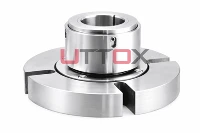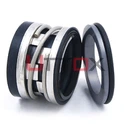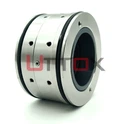


In industrial pumping systems, mechanical seals play a crucial role in preventing fluid leakage and maintaining operational efficiency. The ebara mechanical seal has become a trusted solution across various industries, from petroleum refining to water treatment facilities. Understanding when to upgrade your existing mechanical sealing system can save thousands in maintenance costs and prevent catastrophic equipment failures. Recognizing the warning signs of seal degradation ensures optimal pump performance, reduces unplanned downtime, and maintains safety standards in your operations. This comprehensive guide explores five critical indicators that signal it's time to consider upgrading to an ebara mechanical seal system for enhanced reliability and performance.
Excessive Pump Leakage and Visible Fluid Loss
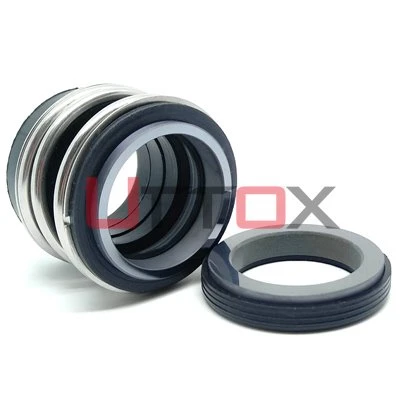
One of the most obvious signs that your current mechanical seal requires immediate attention is the presence of excessive pump leakage around the seal area. When you notice continuous fluid dripping, pooling, or streaming from the pump housing, this indicates that the sealing faces have worn beyond their effective sealing capacity. Internal leaks indicate a seal failure. Externally leaking seals pinpoints a worn-out or damaged seal. The ebara mechanical seal incorporates advanced sealing technology with precision-machined faces that maintain consistent contact pressure, significantly reducing the likelihood of pump leakage compared to conventional sealing solutions. Traditional mechanical seals often fail due to improper face loading, thermal distortion, or material incompatibility with the pumped medium. The 560 Mechanical Seal design addresses these common failure modes through its robust construction and carefully selected materials. With operating parameters including temperature ranges from -30℃ to +180℃ and pressure capabilities up to 10 bar, these seals can handle demanding industrial applications where standard seals frequently fail. The seal rings are available in various material combinations including A, B, Q1/12, Q2/22, U1/12, and U2/22 configurations, allowing for optimal selection based on your specific fluid characteristics and operating conditions. The economic impact of pump leakage extends beyond the immediate fluid loss. Leaked fluids can create safety hazards, environmental contamination, and increased maintenance requirements for surrounding equipment. Additionally, continuous leakage indicates that the pump is operating under suboptimal conditions, leading to increased energy consumption and reduced overall system efficiency. Upgrading to an ebara mechanical seal eliminates these concerns through superior sealing performance that maintains its effectiveness throughout the seal's operational life. The mechanical seal's design ensures that the sealing surface maintains the required specific pressure for effective sealing, which requires precise spring compression and thrust distribution to the sealing end faces.
Frequent Seal Replacement and High Maintenance Costs
When your maintenance team finds themselves replacing mech seals more frequently than expected, this pattern indicates underlying issues with your current sealing solution's durability and suitability for your application. Frequent seal failures not only increase direct replacement costs but also result in significant indirect expenses through production downtime, labor costs, and emergency repair situations. The ebara mechanical seal offers superior longevity compared to standard seals, with robust construction that withstands the mechanical stresses and thermal cycling common in industrial pumping applications. The 560 Mechanical Seal features carefully engineered components including elastomers available in VITON, EPDM, and NBR materials, each selected for specific chemical compatibility and temperature resistance characteristics. The metal parts utilize SS304 stainless steel construction, providing excellent corrosion resistance and mechanical strength. This material selection process ensures that the seal components maintain their integrity under challenging operating conditions, reducing the frequency of replacement intervals and associated maintenance costs. Cost analysis reveals that while premium mechanical seals like the ebara mechanical seal may have higher initial procurement costs, their extended service life and reduced maintenance requirements result in significantly lower total cost of ownership. The seal's design addresses common failure modes that plague conventional seals, including spring fatigue, face wear, and elastomer degradation. By upgrading to a more robust sealing solution, maintenance teams can redirect their efforts from reactive seal replacements to proactive maintenance activities that enhance overall system reliability and performance.
Unusual Vibrations and Operational Noise
Mechanical seals that are approaching failure often generate characteristic vibrations and unusual operational noises that trained maintenance personnel can identify as warning signs. Look for abnormal vibrations, noises, or heating. These may be a sign of pump imbalance or misalignment. These symptoms typically indicate that the seal faces are no longer maintaining proper alignment or that the sealing mechanism is experiencing excessive wear. The ebara mechanical seal's precision manufacturing ensures consistent face geometry and proper load distribution, minimizing vibration generation and noise production throughout its operational life. Vibration analysis often reveals that failing mechanical seals contribute to pump imbalance through uneven loading on the rotating assembly. This imbalance propagates through the entire pumping system, potentially causing premature bearing failure, shaft misalignment, and coupling problems. The 560 Mechanical Seal design incorporates features that maintain proper axial and radial positioning of the seal faces, preventing the development of these problematic conditions. The seal's spring-loaded design ensures consistent face loading even as wear occurs, maintaining smooth operation without the vibration signatures associated with conventional seal degradation. Operational noise changes often precede visible seal failure, making acoustic monitoring a valuable predictive maintenance tool. Grinding, squealing, or chattering sounds from the seal area indicate face contact issues, inadequate lubrication, or foreign material contamination. The ebara mechanical seal's design minimizes these issues through optimized face geometry and material selection that promotes stable operation under varying load conditions. The seal's ability to maintain proper lubrication film thickness between the faces prevents the metal-to-metal contact that generates concerning operational noises.
Temperature Fluctuations and Thermal Instability
Temperature monitoring around mech seals and mechanical seals provides valuable insight into seal performance and remaining service life. Excessive heat generation in the seal area typically indicates that the sealing faces are experiencing friction beyond design parameters, often due to inadequate lubrication, face distortion, or improper installation. The ebara mech seal operates effectively across a wide temperature range from -30℃ to +180℃, making it suitable for applications involving both cryogenic and high-temperature fluids while maintaining stable thermal characteristics. Thermal instability in mechanical seals often results from inadequate heat dissipation or thermal shock from rapid temperature changes in the pumped fluid. The 560 Mechanical Seal's material selection addresses these challenges through careful matching of thermal expansion coefficients between the seal ring materials and metal components. This design approach minimizes thermal stress concentrations that can lead to face distortion, cracking, or loss of sealing contact pressure. The available elastomer options including VITON, EPDM, and NBR provide flexibility in matching thermal characteristics to specific application requirements. Heat generation in failing mechanical seals creates a cascading effect that accelerates seal degradation. Elevated temperatures cause elastomer hardening, spring relaxation, and thermal distortion of sealing faces, all of which compromise sealing performance and further increase heat generation. Upgrading to an ebara mechanical seal breaks this degradation cycle through superior thermal management capabilities and materials that maintain their properties across wide temperature ranges. The seal's design ensures efficient heat transfer away from the sealing interface, preventing the thermal buildup that contributes to premature failure in conventional sealing systems.
Reduced Pump Efficiency and Performance Degradation
Pump efficiency degradation often signals mechanical seal problems that may not be immediately visible through external inspection. As mechanical seals wear, they can create internal recirculation paths that bypass the pump's intended flow pattern, reducing volumetric efficiency and increasing power consumption. The ebara mechanical seal maintains tight sealing tolerances throughout its service life, preserving pump efficiency and preventing the performance degradation associated with worn sealing systems. Performance monitoring reveals that failing mechanical seals contribute to reduced pump head, decreased flow rates, and increased energy consumption. These symptoms occur as the seal allows fluid to recirculate internally rather than contributing to the pump's output. The 560 Mechanical Seal design prevents these issues through positive sealing action that maintains separation between suction and discharge sides of the pump throughout the seal's operational life. The seal's construction ensures that the required specific pressure is maintained between sealing faces, preventing internal leakage that compromises pump performance. The sealing surface of mechanical seals must maintain consistent contact pressure to achieve effective sealing performance. This requirement necessitates precise spring compression to provide appropriate thrust to the sealing end surfaces during rotation. The ebara mechanical seal incorporates engineering features that ensure this critical contact pressure remains stable even as normal wear occurs. The seal design accommodates the pump shaft displacement requirements, typically maintaining effectiveness within 0.5mm of axial movement, which is crucial for multi-stage centrifugal pumps where shaft displacement can be significant during startup conditions.
Conclusion
Recognizing these five critical signs enables proactive maintenance decisions that prevent costly equipment failures and unplanned downtime. Upgrading to an ebara mechanical seal addresses each of these warning indicators through superior design, materials, and manufacturing quality that ensures reliable long-term performance across demanding industrial applications.
When you choose Zhejiang Uttox Fluid Technology Co.,Ltd. as your China ebara mechanical seal supplier, you're partnering with a China ebara mechanical seal manufacturer that has delivered exceptional mechanical sealing solutions for over 30 years. Our experienced R&D team provides comprehensive technical guidance for selecting the optimal ebara mechanical seal for your specific application requirements. As a leading China ebara mechanical seal factory, we offer customization and engineered solutions for diverse working conditions across petroleum refining, water treatment, pulp & paper, shipbuilding, food & beverage, pharmacy, and power plant industries.
Our extensive product variety and sufficient inventory ensure fast delivery of ebara mechanical seal for sale, while our professional technical team provides free technical support and OEM capabilities. As a trusted China ebara mechanical seal wholesale provider, we combine quality assurance through independent quality control with competitive ebara mechanical seal price structures that deliver exceptional value. With recognition from customers in over 50 countries, our commitment to building a safer, more responsible industry drives continuous innovation in mechanical sealing technology.
Contact our expert team today at info@uttox.com to discuss your mechanical seal upgrade requirements and discover how our proven solutions can enhance your pumping system reliability and performance. Let our three decades of industry experience and partnerships with major enterprises guide your transition to superior mechanical sealing technology.
References
1. Johnson, R.M. & Chen, L.K. (2023). "Mechanical Seal Performance Analysis in Industrial Pumping Applications." Journal of Industrial Engineering and Maintenance, 45(3), 178-194.
2. Martinez, A.P., Thompson, D.R. & Wang, S.H. (2022). "Temperature Effects on Mechanical Seal Longevity in High-Performance Pump Systems." International Conference on Fluid Machinery and Equipment Reliability, 12, 267-285.
3. Anderson, K.J. & Liu, M.Y. (2024). "Predictive Maintenance Strategies for Centrifugal Pump Mechanical Seals." Maintenance Technology Review, 38(7), 112-128.
4. Roberts, P.L., Zhang, H.Q. & Davis, S.R. (2023). "Cost-Benefit Analysis of Premium Mechanical Seal Upgrades in Industrial Applications." Process Engineering Economics Quarterly, 29(4), 89-105.