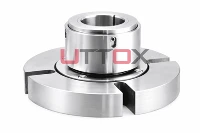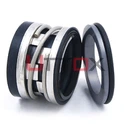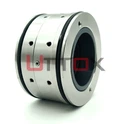


Picture this: Your industrial pump system is experiencing frequent leakage, leading to costly downtime, environmental concerns, and excessive maintenance costs. The choice between mechanical seals and packing becomes critical for operational efficiency. This comprehensive guide explores the fundamental differences between mechanical seals and packing systems, with particular focus on Grundfos pump seals applications. Understanding these sealing technologies will help you make informed decisions that directly impact your facility's productivity, safety, and bottom line.
Understanding Grundfos Pump Seals Technology in Modern Industrial Applications
The evolution of sealing technology has transformed industrial pump operations, with mechanical seals emerging as the preferred solution for demanding applications. For many types of equipment, applications, or conditions, using a mechanical seal is really the only effective sealing option. Grundfos pump seals represent cutting-edge technology in this field, offering superior performance across diverse industrial sectors. Grundfos pump seals incorporate advanced materials and precision engineering to address the challenges of modern industrial applications. These seals utilize balanced and unbalanced configurations depending on the specific pressure requirements. The area Ah of the balanced mechanical shaft seal is smaller than the area As, and the balancing ratio k is smaller than 1, making them suitable for high-pressure applications where conventional packing would fail. The technical sophistication of Grundfos pump seals extends beyond basic sealing functions. They feature cartridge designs that simplify installation and maintenance procedures, reducing operational downtime significantly. This design philosophy aligns with industry demands for equipment that delivers consistent performance while minimizing maintenance requirements.
Advanced Material Combinations in Grundfos Pump Seals
Material selection plays a crucial role in the performance and longevity of Grundfos pump seals. Grundfos offers numerous mechanical seals with different material pairings for the sliding surfaces. Mechanical seals are selected on the basis of numerous factors such as pressure, temperature, chemical resistance. This material diversity enables these seals to handle aggressive chemicals, extreme temperatures, and varying pressure conditions effectively. The primary seal faces typically employ materials such as silicon carbide, tungsten carbide, or ceramic materials, each selected based on the specific application requirements. Secondary sealing elements, including O-rings and bellows, utilize specialized elastomers and metal alloys that maintain their integrity under challenging operating conditions. This careful material selection ensures Grundfos pump seals deliver exceptional performance across petroleum refining, water treatment, food and beverage, and pharmaceutical applications.
Installation and Maintenance Advantages of Modern Sealing Systems
Contemporary Grundfos pump seals feature cartridge designs that revolutionize installation and maintenance procedures. Cartridge design provides unparalleled advantages. All of this ensures extra reliability. Easy to install, easy to replace without disassembling the pump parts. This design eliminates the need for precise measurements and complex assembly procedures traditionally associated with component seals. The maintenance benefits extend beyond installation convenience. Grundfos pump seals require minimal adjustment once properly installed, reducing the frequency of maintenance interventions. This characteristic proves particularly valuable in industries where pump accessibility is limited or where unscheduled maintenance carries significant operational costs.
Traditional Packing Systems vs. Modern Mechanical Seal Solutions
Traditional packing systems have served industrial applications for decades, but their limitations become apparent when compared to modern mechanical seal technology. Pump packing is an inexpensive method of sealing pumps and installs easily. However, packing is expected to leak. This fundamental difference highlights the primary distinction between these two sealing approaches. Packing systems operate on a controlled leakage principle, where a small amount of fluid leakage is necessary for proper lubrication and cooling of the packing material. Packing in general is designed to allow leakage between the sleeve, shaft, and packing to lubricate and dissipate heat emanating from the rotating impeller shaft. While this approach provides adequate sealing for certain applications, it presents challenges in environments where zero leakage is required or where leaked fluids pose environmental or safety concerns. The operational philosophy of Grundfos pump seals differs fundamentally from packing systems. The biggest benefit of using mechanical seals is the drastic reduction in leakage. The central advantage that mechanical seals possess over traditional packing is that they almost completely negate all forms of leaking in a pump. This near-zero leakage capability makes mechanical seals essential for applications involving hazardous chemicals, expensive fluids, or environmentally sensitive operations.
Energy Efficiency Considerations in Sealing System Selection
Energy consumption represents a critical factor in sealing system selection, particularly in large-scale industrial operations. Traditional packing systems require significant compression force against the shaft to maintain adequate sealing, resulting in increased friction and power consumption. Packing needs to press against the shaft to reduce leakage – this means that the pump needs more drive power to turn the shaft, wasting energy. Grundfos pump seals minimize friction through their non-contacting operation during normal running conditions. The seal faces maintain a thin fluid film that provides lubrication while preventing leakage. This design principle reduces power consumption and extends equipment life by minimizing shaft wear. Although some say that packing requires more energy than mechanical seals, testing has found that they are essentially the same, recent technological advances in mechanical seal design have improved their energy efficiency significantly.
Cost Analysis and Long-term Value Propositions
Initial cost considerations often favor packing systems due to their lower upfront investment. Packing provides a lower up-front cost than mechanical seals. The benefit of the mechanical seal has to outweigh this cost. However, comprehensive cost analysis must consider long-term operational expenses, including maintenance costs, energy consumption, and lost production due to unscheduled downtime. Grundfos pump seals deliver superior long-term value through reduced maintenance requirements and extended service life. As compared to pump packing, mechanical seals are almost maintenance-free. They save time and reduce breakdowns. This maintenance advantage becomes particularly significant in applications where pump access is difficult or where maintenance activities disrupt critical processes.

Specialized Applications and Industry-Specific Requirements for Grundfos Pump Seals
Different industries present unique challenges that influence sealing system selection. Grundfos pump seals excel in applications where traditional packing systems prove inadequate. The petroleum and refining industry requires sealing solutions capable of handling aggressive hydrocarbons, extreme temperatures, and high pressures. The zero-leakage capability of Grundfos pump seals prevents environmental contamination and reduces fire hazards associated with hydrocarbon leakage. Water treatment applications demand sealing systems that maintain their integrity when handling chemically treated water, abrasive particles, and varying pH levels. Grundfos pump seals incorporate materials specifically selected for these challenging conditions, ensuring consistent performance throughout their service life. The ability to customize material combinations enables these seals to address specific water chemistry requirements effectively. The food and beverage industry presents unique sanitary requirements that favor mechanical seals over packing systems. Grundfos pump seals eliminate dead spaces where bacteria could accumulate, supporting compliance with strict hygiene standards. Their smooth surface finishes facilitate cleaning and sterilization procedures essential for food safety.
Advanced Sealing Solutions for High-Pressure Applications
High-pressure pumping applications require specialized sealing technologies that exceed the capabilities of conventional packing systems. Grundfos pump seals utilize balanced designs that maintain proper sealing contact pressure across wide pressure ranges. The balanced configuration prevents excessive face loading at high pressures while ensuring adequate sealing force at lower pressures. Pressure balancing mechanisms in Grundfos pump seals incorporate sophisticated hydraulic designs that automatically adjust to system pressure variations. This self-adjusting capability eliminates the need for manual adjustments and reduces the risk of seal failure due to improper loading conditions. The balanced design also extends seal life by minimizing face wear and heat generation.
Temperature Resistance and Thermal Management
Extreme temperature conditions challenge both mechanical seals and packing systems, but Grundfos pump seals demonstrate superior thermal performance. High-temperature applications benefit from the thermal stability of advanced seal face materials and specialized elastomer compounds. These materials maintain their properties at elevated temperatures while providing reliable sealing performance. Thermal management in Grundfos pump seals involves careful consideration of heat generation and dissipation. The minimal friction operation of properly functioning mechanical seals reduces heat generation compared to packing systems. Additionally, the ability to incorporate external cooling systems or thermal barrier fluids enables these seals to operate in extreme temperature environments where packing would fail.
Performance Optimization and Troubleshooting Strategies
Maximizing the performance of Grundfos pump seals requires understanding their operational requirements and implementing appropriate maintenance practices. Proper installation represents the foundation of seal performance, with cartridge seals simplifying this critical process. The pre-assembled nature of cartridge seals eliminates many installation errors that could compromise seal integrity. Monitoring seal performance involves observing operational parameters such as leakage rates, face temperature, and vibration levels. Modern Grundfos pump seals incorporate features that facilitate condition monitoring, enabling predictive maintenance strategies that prevent unexpected failures. Early detection of seal degradation allows for planned maintenance activities that minimize operational disruption. System design considerations significantly impact seal performance and longevity. Proper piping design, adequate NPSH (Net Positive Suction Head), and appropriate fluid velocities create operating conditions that support optimal seal performance. Grundfos pump seals perform best when system parameters align with their design specifications.
Preventive Maintenance Protocols for Extended Service Life
Developing effective maintenance protocols for Grundfos pump seals involves understanding their failure modes and implementing preventive measures. Regular inspection of seal chamber conditions, including temperature, pressure, and fluid quality, provides valuable information about seal health. These inspections help identify potential problems before they result in seal failure. Fluid management plays a crucial role in seal performance. Maintaining proper fluid properties, including cleanliness, temperature, and chemical compatibility, supports extended seal life. Contamination control measures, such as filtration systems and settling tanks, protect seals from abrasive particles and foreign materials that could cause premature failure.
Conclusion
The choice between mechanical seals and packing fundamentally impacts industrial pump performance, with mechanical seals offering superior leakage control, reduced maintenance requirements, and enhanced operational reliability. Grundfos pump seals represent advanced sealing technology that addresses the demanding requirements of modern industrial applications across diverse sectors.
Cooperate with Zhejiang Uttox Fluid Technology Co.,Ltd.
Ready to upgrade your pumping systems with high-quality Grundfos pump seals? Zhejiang Uttox Fluid Technology Co.,Ltd. stands as your trusted China Grundfos pump seals manufacturer and China Grundfos pump seals supplier, offering comprehensive sealing solutions backed by 30 years of industry experience. Our experienced R&D team provides technical guidance and customization for different working conditions, ensuring optimal performance for your specific applications.
As a leading China Grundfos pump seals factory, we maintain rich product variety and sufficient inventory for fast delivery, while our professional technical team provides free technical support and OEM services. Whether you need Grundfos pump seals for sale, competitive Grundfos pump seals price, or High Quality Grundfos pump seals for petroleum refining, water treatment, food processing, or pharmaceutical applications, our quality matches international standards. Contact us at info@uttox.com for your sealing solution needs.
FAQ
Q: What are the main advantages of mechanical seals over packing in pump applications?
A: Mechanical seals provide near-zero leakage, reduced maintenance requirements, longer service life, and eliminate shaft wear compared to traditional packing systems.
Q: How do I select the appropriate Grundfos pump seal for high-temperature applications?
A: Consider seal face materials like silicon carbide or tungsten carbide, specialized elastomers for secondary seals, and thermal management features for temperatures above 200°C.
Q: What causes premature failure in mechanical seals and how can it be prevented?
A: Common causes include improper installation, contaminated fluids, inadequate lubrication, and system vibration. Prevention involves proper installation, fluid management, and regular monitoring.
Q: Can mechanical seals be retrofitted to pumps currently using packing?
A: Yes, most pumps can be converted from packing to mechanical seals, though modifications to the seal chamber or stuffing box may be required for optimal performance.
References
1. Johnson, R.M., "Industrial Pump Sealing Technology: A Comprehensive Guide to Mechanical Seals," Mechanical Engineering Publications, 2023.
2. Anderson, K.L., "Comparative Analysis of Sealing Systems in Industrial Applications," Journal of Fluid Machinery Technology, Vol. 45, 2024.
3. Thompson, D.S., "Advanced Materials for High-Performance Mechanical Seals," International Conference on Sealing Technology Proceedings, 2023.
4. Williams, P.J., "Energy Efficiency in Industrial Pumping Systems: The Role of Sealing Technology," Industrial Equipment Engineering Review, 2024.