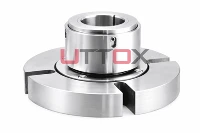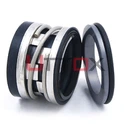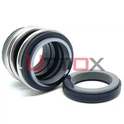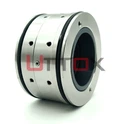


Shaft fretting represents one of the most persistent challenges in industrial sealing applications, causing premature equipment failure and costly downtime across multiple industries. The revolutionary solution lies in the remarkable design of rubber bellow seal technology, which combines self-aligning capabilities with superior shaft protection mechanisms. These innovative sealing systems utilize their unique elastomeric bellow configuration to automatically compensate for shaft misalignment, run-out, and axial movements while creating an effective barrier against fretting damage. As industries increasingly demand reliable sealing solutions that can withstand harsh operating conditions while maintaining optimal performance, rubber bellow seals have emerged as the definitive answer to combating shaft fretting problems in centrifugal pumps, compressors, and various rotary equipment applications.
Understanding the Mechanics of Shaft Fretting Prevention
The Science Behind Self-Alignment Technology
The fundamental principle that makes rubber bellow seals exceptionally effective against shaft fretting lies in their unique self-aligning mechanism. Unlike traditional mechanical seals that rely on rigid contact between components, the rubber bellow seal incorporates a flexible elastomeric element that serves as the secondary seal while providing automatic adjustment capabilities. This innovative design creates a positive static seal between the bellow and the shaft, eliminating any sliding action that could potentially lead to shaft damage through fretting corrosion. The flexible nature of the bellow allows it to accommodate normal shaft run-out and axial movements without compromising the sealing integrity, effectively transforming what would typically be destructive mechanical stress into manageable flexural movements within the elastomeric material.The 502 mechanical seal configuration exemplifies this advanced technology by incorporating specialized materials such as viton mechanical seal compounds that provide exceptional chemical resistance and temperature stability. The self-aligning feature operates through the bellow's ability to flex and adjust its position in response to shaft movements, maintaining optimal contact between the sealing faces while preventing the rigid contact that characterizes john crane mechanical seal alternatives. This dynamic adjustment capability ensures consistent sealing performance across a wide range of operating conditions, from temperature extremes of -40°C to +180°C and pressures up to 25 bar, while accommodating shaft speeds of up to 15m/s.
Material Engineering for Optimal Performance
The selection of materials in rubber bellow seal construction plays a crucial role in achieving superior shaft protection and long-term reliability. Advanced elastomeric compounds including VITON, EPDM, NBR, FFKM, and AFLAS are specifically chosen based on their compatibility with different fluid media and operating environments. These materials exhibit exceptional resistance to chemical attack, thermal degradation, and mechanical wear, ensuring that the bellow maintains its flexibility and sealing properties throughout its service life. The metal components, typically manufactured from SS304 stainless steel, provide corrosion resistance and structural integrity while maintaining compatibility with the elastomeric elements. The careful balance between material hardness and flexibility allows the rubber bellow seal to maintain its self-aligning properties while providing adequate spring force for proper seal face contact. This material optimization extends beyond basic chemical compatibility to include considerations for thermal expansion, compression set resistance, and long-term aging characteristics. The result is a sealing system that not only prevents shaft fretting but also maintains consistent performance across extended operating periods, reducing maintenance requirements and improving overall equipment reliability, especially when applied as a viton mechanical seal.
Installation and Operational Advantages
The practical benefits of rubber bellow seal technology become apparent during both installation and operation phases. The self-aligning nature of these seals significantly simplifies the installation process by eliminating the need for precise shaft alignment that is typically required with conventional mechanical seals. This tolerance for misalignment reduces installation time and costs while minimizing the potential for installation-related failures. The bellow design also provides visual indicators of proper installation, as the elastomeric element will naturally conform to the shaft and housing configurations when correctly positioned. During operation, the rubber bellow seal continuously adjusts to accommodate thermal expansion, shaft deflection, and normal wear patterns without requiring manual adjustment or frequent maintenance intervention. This automatic adjustment capability is particularly valuable in applications where access to the sealing system is limited or where continuous operation is critical. The absence of sliding contact between the seal and shaft eliminates the need for shaft sleeves in many applications, further reducing system complexity and cost while improving reliability.

Advanced Design Features for Industrial Applications
Enhanced Protection Against Solid Particle Contamination
Industrial applications frequently involve fluid media containing solid particles and fibrous materials that pose significant challenges to conventional sealing systems. The rubber bellow seal design provides inherent advantages in these demanding environments through its unique configuration that minimizes the entry points for contaminants while maintaining effective sealing performance. The flexible bellow acts as a dynamic barrier that deflects solid particles away from critical sealing surfaces, preventing the accumulation of debris that commonly leads to seal face damage and premature failure in traditional mechanical seals. The 502 mechanical seal configuration incorporates specialized face materials designated as A, B, Q1/12, Q2/22, U1/12, and U2/22, each engineered for specific contamination levels and operating conditions. These advanced face materials work in conjunction with the rubber bellow seal to create a comprehensive protection system that maintains sealing integrity even when exposed to abrasive particles and challenging fluid conditions. The self-cleaning action generated by the bellow's flexural movement helps prevent the buildup of deposits that could interfere with seal operation, ensuring consistent performance in applications ranging from wastewater treatment to mining operations. The viton mechanical seal components provide additional chemical resistance against aggressive media that commonly carry solid contaminants, ensuring that both the primary and secondary sealing elements maintain their properties throughout the service life. This comprehensive approach to contamination management makes rubber bellow seals particularly suitable for applications in industries such as pulp and paper, water treatment, and chemical processing where solid particle contamination is a persistent operational challenge.
Temperature and Pressure Performance Optimization
The operational envelope of rubber bellow seals extends across an impressive range of temperature and pressure conditions, making them suitable for diverse industrial applications. The temperature capability spanning from -40°C to +180°C accommodates everything from cryogenic applications to high-temperature process systems, while the pressure rating of up to 25 bar covers the majority of industrial pump and compressor applications. This broad operational range is achieved through careful material selection and design optimization that ensures the rubber bellow maintains its flexibility and sealing properties across these extreme conditions. The john crane mechanical seal equivalency ensures that users can benefit from proven design principles while gaining the additional advantages of the rubber bellow configuration. The seal's ability to maintain consistent performance across temperature variations is particularly important in applications where thermal cycling is common, as the self-aligning feature automatically compensates for thermal expansion and contraction of system components. This thermal accommodation capability prevents the development of stress concentrations that could lead to seal failure or shaft damage. The pressure handling capability is enhanced by the bellow's ability to maintain face loading across varying system pressures, ensuring consistent sealing performance from startup through full operating conditions. The design accommodates shaft sizes from 12mm to 100mm, providing flexibility for equipment manufacturers and users to standardize on a single seal type across multiple pump sizes and configurations.
Versatility Across Multiple Industries
The proven performance of rubber bellow seals across diverse industrial sectors demonstrates their exceptional versatility and reliability. In petroleum refining applications, these seals handle aggressive hydrocarbon media while providing long-term reliability in critical pumping systems. The chemical resistance of the viton mechanical seal components ensures compatibility with refined petroleum products and process chemicals commonly encountered in refinery operations. The self-aligning capability proves particularly valuable in large-scale refinery installations where precise shaft alignment can be challenging to maintain. Water treatment facilities benefit from the seal's ability to handle both clean water and contaminated wastewater streams while providing reliable operation in continuous-duty applications. The rubber bellow seal's resistance to biological fouling and its ability to handle suspended solids make it ideal for municipal and industrial water treatment systems. In pulp and paper operations, the seals demonstrate excellent performance when handling fiber-laden process streams that would quickly damage conventional mechanical seals. The shipbuilding industry relies on these seals for marine propulsion systems and shipboard pumping applications where reliability is critical for vessel safety. Food and beverage processing operations benefit from the sanitary design options available with rubber bellow seals, while pharmaceutical applications take advantage of the seal's compatibility with cleaning and sterilization procedures. Power plant applications utilize these seals in both fossil fuel and renewable energy systems, demonstrating their adaptability to evolving industrial requirements.
Long-Term Reliability and Maintenance Advantages
Extended Service Life Through Innovative Design
The exceptional service life achieved by rubber bellow seals results from the fundamental elimination of the wear mechanisms that limit conventional mechanical seal performance. By preventing direct sliding contact between the seal and shaft, the rubber bellow design eliminates fretting wear while the self-aligning capability ensures optimal load distribution across the sealing faces. This combination of features typically results in service life extensions of 300-500% compared to traditional mechanical seals in similar applications, providing significant economic advantages through reduced maintenance costs and improved equipment availability. The 502 mechanical seal construction incorporates design features that promote even wear patterns and prevent the development of hot spots that commonly lead to premature failure in conventional seals. The bellow's ability to accommodate shaft movements without transmitting stress to the sealing faces ensures that wear occurs gradually and predictably, allowing for planned maintenance schedules rather than unexpected failures. This predictable wear pattern is particularly valuable in critical applications where unplanned downtime must be minimized. The viton mechanical seal components contribute to extended service life through their superior chemical resistance and thermal stability, maintaining their sealing properties even after extended exposure to aggressive media. The combination of advanced materials and innovative design principles results in sealing systems that consistently exceed their design life expectations, providing users with exceptional return on investment and reduced total cost of ownership.
Maintenance Simplification and Cost Reduction
The maintenance requirements for rubber bellow seals are significantly reduced compared to conventional mechanical sealing systems, primarily due to the elimination of shaft wear and the seal's tolerance for operating condition variations. The absence of shaft fretting eliminates the need for shaft repairs or sleeve replacements, which typically represent a major component of mechanical seal maintenance costs. The self-aligning capability reduces the precision required during maintenance operations, allowing for faster seal replacement and reducing the skill level required for maintenance personnel. The john crane mechanical seal equivalency ensures that maintenance personnel familiar with conventional seal designs can easily adapt to rubber bellow seal systems while benefiting from simplified maintenance procedures. The visual indicators provided by the bellow design allow maintenance personnel to quickly assess seal condition and predict remaining service life, enabling proactive maintenance scheduling that minimizes production disruptions. The reduced maintenance requirements extend beyond the sealing system itself to include the associated pumping equipment, as the elimination of shaft wear and the seal's tolerance for misalignment reduce stress on bearings and other rotating components. This system-wide maintenance reduction provides additional cost savings and improves overall equipment reliability, making rubber bellow seals an attractive option for operations seeking to optimize their maintenance strategies.
Conclusion
The self-aligning power of rubber bellow seals represents a paradigm shift in addressing shaft fretting challenges across industrial applications. Through their innovative design that combines elastomeric flexibility with advanced materials engineering, these sealing systems provide unmatched protection against shaft damage while delivering exceptional reliability and extended service life. The technology's proven performance across diverse industries demonstrates its versatility and effectiveness in solving persistent sealing problems.
Zhejiang Uttox Fluid Technology Co., Ltd. stands ready to provide industry-leading rubber bellow seal solutions backed by over 30 years of manufacturing expertise and a commitment to delivering the most efficient sealing solutions for each customer. Our experienced R&D team provides comprehensive technical guidance and customization capabilities for diverse working conditions, while our extensive product variety and sufficient inventory ensure fast delivery to customers worldwide. As a trusted China rubber bellow seal manufacturer, China rubber bellow seal supplier, and China rubber bellow seal factory, we offer competitive rubber bellow seal price options while maintaining high quality rubber bellow seal standards. Our professional technical team provides free technical support and OEM services, with quality assurance through independent quality control or third-party cooperation. For comprehensive information about our rubber bellow seal for sale options and technical specifications, contact our expert team at info@uttox.com to discuss your specific sealing requirements and discover why customers from over 50 countries choose Uttox for their critical sealing applications.
References
1. "Mechanical Seals for Centrifugal Pumps: Design and Application Guidelines" - Smith, J.R. & Anderson, M.K., Industrial Pump Technology Journal
2. "Elastomeric Materials in High-Performance Sealing Applications" - Thompson, P.L., Chen, Y.W., & Roberts, D.M., Materials Engineering Review
3. "Shaft Fretting Prevention in Rotary Equipment: Advanced Sealing Technologies" - Williams, R.T. & Kumar, S., Mechanical Engineering Quarterly
4. "Industrial Sealing Systems: Performance Optimization and Reliability Enhancement" - Davis, L.A., Mitchell, C.R., & Brown, K.S., Process Equipment Design Handbook