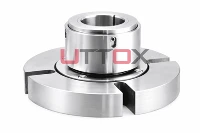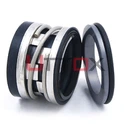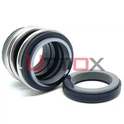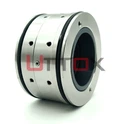


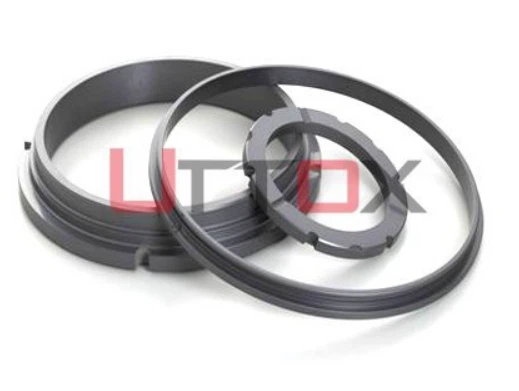
In today's demanding industrial environments, equipment reliability and operational efficiency are paramount to maintaining competitive advantages. SSIC Seal Rings and Sleeves represent the pinnacle of sealing technology, delivering exceptional performance through their unique combination of superior material properties and advanced manufacturing techniques. These high-performance components are engineered to withstand extreme operating conditions while minimizing maintenance requirements and extending equipment life cycles. With their outstanding resistance to chemical corrosion, thermal shock, and mechanical wear, SSIC Seal Rings and Sleeves have become the preferred choice for critical applications across petrochemical, water treatment, pharmaceutical, and power generation industries where maximum durability and minimal downtime are essential for operational success.
Superior Material Properties for Extreme Operating Conditions
Exceptional Hardness and Strength Characteristics
Atmospheric sintering SIC (pressureless sintering SIC, referred to as SSIC) achieves its remarkable performance through advanced powder metallurgy manufacturing methods that produce high-purity monolithic silicon carbide. This sophisticated manufacturing process results in components with hardness levels comparable to diamond, making SSIC Seal Rings and Sleeves virtually impervious to abrasive wear and mechanical damage. The material's exceptional strength-to-weight ratio enables these sealing components to maintain their structural integrity under extreme pressure differentials and dynamic loading conditions that would cause conventional sealing materials to fail. The unique crystal structure of SSIC, characterized by high-density granular α-phase silicon carbide formation, provides superior mechanical properties without the presence of free carbon graphite or silicon, ensuring consistent performance throughout the component's operational life. This advanced material composition makes SSIC the hardest and most durable sealing material among all silicon carbide variants, capable of withstanding operating temperatures up to 1370°C while maintaining dimensional stability and sealing effectiveness.
Chemical Resistance and Corrosion Protection
The exceptional chemical resistance properties of SSIC Seal Rings and Sleeves make them indispensable for applications involving aggressive media and corrosive environments. As a mechanical seals manufacturer with extensive experience in harsh industrial applications, the development of SSIC components addresses the critical need for reliable sealing solutions in petrochemical processing, pharmaceutical manufacturing, and chemical handling systems. The inherent chemical inertness of SSIC provides outstanding resistance to strong acids, alkalis, and organic solvents that would rapidly degrade conventional sealing materials. This remarkable corrosion resistance eliminates the risk of chemical attack on sealing surfaces, preventing premature failure and reducing the frequency of maintenance interventions. The non-reactive nature of SSIC also ensures that the sealing components do not contaminate the process media, making them ideal for applications in food and beverage processing, pharmaceutical production, and other industries where product purity is critical. Additionally, the smooth surface finish achievable with SSIC components reduces the potential for chemical adhesion and facilitates easy cleaning and maintenance procedures.
Thermal Stability and High-Temperature Performance
Sinter SIC technology enables the production of sealing components that maintain their performance characteristics across an exceptional temperature range, from cryogenic conditions to temperatures exceeding 1300°C. This thermal stability is crucial for applications in power generation, aerospace, and high-temperature chemical processing where conventional sealing materials would experience thermal degradation or dimensional changes. The low thermal expansion coefficient of SSIC Seal Rings and Sleeves ensures minimal dimensional changes during thermal cycling, maintaining precise clearances and sealing effectiveness throughout temperature variations. The excellent thermal conductivity of SSIC facilitates efficient heat dissipation, preventing localized hot spots that could lead to thermal stress and component failure. This superior thermal management capability is particularly important in high-speed rotating equipment where frictional heating can significantly impact sealing performance. The thermal shock resistance of SSIC components allows them to withstand rapid temperature changes without cracking or dimensional distortion, making them suitable for applications involving frequent startup and shutdown cycles or variable operating conditions.
Advanced Manufacturing Processes for Optimal Performance
Precision Manufacturing and Quality Control
The manufacturing of high-quality SSIC Seal Rings and Sleeves requires sophisticated production techniques and rigorous quality control measures to ensure consistent performance and reliability. The powder metallurgy process begins with the careful selection and preparation of high-purity silicon carbide powders, which are then precisely blended with sintering aids to achieve optimal densification during the sintering process. The molding stage utilizes advanced forming techniques to create components with precise dimensions and uniform density distribution, minimizing the need for extensive machining operations. The sintering process is carefully controlled to achieve complete densification while maintaining the desired microstructure and material properties. Temperature profiles, atmospheric conditions, and heating rates are precisely monitored and controlled throughout the sintering cycle to ensure consistent results. Following sintering, components undergo precision grinding and finishing operations using specialized diamond tooling to achieve the tight tolerances and superior surface finishes required for effective sealing performance. Each component is subjected to comprehensive quality control testing, including dimensional verification, surface roughness measurement, and material property validation to ensure compliance with stringent performance specifications.
Surface Engineering and Finishing Techniques
The surface characteristics of SSIC Seal Rings and Sleeves play a crucial role in their sealing performance and operational longevity. Advanced surface engineering techniques are employed to achieve the optimal balance between surface roughness, flatness, and sealing effectiveness. The grinding and lapping processes used to finish SSIC components utilize specialized diamond abrasives and precision machinery to achieve mirror-like surface finishes that minimize leakage paths and reduce friction during operation. Surface topography is carefully controlled to promote effective lubrication film formation while maintaining adequate surface contact for reliable sealing. The inherent hardness of SSIC allows for the achievement of extremely smooth surface finishes that remain stable throughout the component's operational life, unlike softer materials that may experience surface degradation over time. Advanced metrology techniques are employed to verify surface quality parameters, including flatness, parallelism, and surface roughness, ensuring that each component meets the exacting requirements for high-performance sealing applications. The superior surface stability of SSIC components contributes to their exceptional durability and minimal maintenance requirements.
Customization and Application-Specific Design
Modern mechanical seals manufacturer capabilities enable the production of custom SSIC Seal Rings and Sleeves tailored to specific application requirements and operating conditions. Advanced computer-aided design tools and finite element analysis techniques are utilized to optimize component geometry for maximum performance in demanding applications. The manufacturing flexibility of the SSIC process allows for the production of components with complex geometries, including specialized groove patterns, stepped configurations, and integrated features that enhance sealing performance. Application-specific customization extends beyond dimensional modifications to include material property optimization through controlled sintering parameters and additive selection. For applications requiring enhanced thermal conductivity, specialized SSIC formulations can be developed to improve heat dissipation characteristics. Similarly, for applications involving specific chemical compatibility requirements, the material composition can be tailored to provide optimal resistance to particular media. The ability to incorporate design features such as anti-rotation pins, centering shoulders, and specialized sealing surfaces enables the development of comprehensive sealing solutions that address the unique challenges of specific industrial applications.
Performance Benefits and Industrial Applications
Reliability and Operational Advantages
The implementation of SSIC Seal Rings and Sleeves in industrial applications delivers significant operational advantages through their exceptional reliability and extended service life. The superior durability of these components translates directly into reduced maintenance costs and increased equipment availability, as the need for frequent seal replacement is virtually eliminated. The consistent performance characteristics of SSIC components ensure predictable operation and reduce the risk of unexpected failures that can result in costly production interruptions. The low friction coefficient of SSIC surfaces minimizes power consumption and heat generation, contributing to improved overall system efficiency and reduced operating costs. The dimensional stability of SSIC components throughout their service life ensures consistent clearances and sealing effectiveness, eliminating the gradual performance degradation commonly experienced with conventional sealing materials. This reliability advantage is particularly valuable in critical applications where unexpected failures can have severe safety or environmental consequences. The proven track record of SSIC components in demanding industrial environments provides confidence in their ability to deliver long-term performance and value.
Industry-Specific Applications and Benefits
Sinter SIC Seal Rings and Sleeves have proven their value across a diverse range of industrial applications, demonstrating their versatility and superior performance characteristics. In petroleum refining applications, these components withstand the aggressive chemical environment and elevated temperatures encountered in crude oil processing and product refining operations. The exceptional corrosion resistance of SSIC makes it ideal for applications involving sulfuric acid, hydrochloric acid, and other corrosive media commonly encountered in chemical processing facilities. Water treatment applications benefit from the chemical inertness and durability of SSIC components, which maintain their performance in contact with chlorinated water, ozone, and other treatment chemicals. The food and beverage industry relies on SSIC sealing components for their chemical compatibility and easy cleaning characteristics, ensuring product purity and regulatory compliance. Pharmaceutical manufacturing applications utilize SSIC components for their chemical resistance and ability to withstand aggressive cleaning and sterilization procedures. Power generation facilities employ SSIC seals in high-temperature applications where conventional materials would fail, ensuring reliable operation in steam turbines and other critical equipment. The shipbuilding industry benefits from the corrosion resistance and durability of SSIC components in marine environments where saltwater exposure and extreme conditions challenge conventional sealing solutions.
Economic Impact and Total Cost of Ownership
The superior performance characteristics of SSIC Seal Rings and Sleeves deliver significant economic benefits through reduced total cost of ownership and improved operational efficiency. While the initial investment in SSIC components may be higher than conventional alternatives, the extended service life and reduced maintenance requirements result in substantial long-term cost savings. The elimination of frequent seal replacement reduces both direct replacement costs and indirect costs associated with production downtime and maintenance labor. The consistent performance of SSIC components reduces the need for spare parts inventory, as the predictable service life enables more effective maintenance planning and scheduling. Energy savings achieved through the low friction characteristics of SSIC components contribute to reduced operating costs over the component's extended service life. The reduced risk of catastrophic failure associated with SSIC components provides additional economic value through improved safety and environmental protection. Insurance and regulatory compliance costs may also be reduced due to the enhanced reliability and safety characteristics of SSIC sealing systems. The cumulative effect of these economic benefits often results in a return on investment within the first few years of operation, making SSIC components an economically attractive choice for critical industrial applications.
Conclusion
SSIC Seal Rings and Sleeves represent the ultimate solution for industries demanding maximum durability and minimal downtime in their sealing applications. Through their exceptional material properties, advanced manufacturing processes, and proven performance benefits, these components deliver unmatched reliability across diverse industrial environments. The combination of superior chemical resistance, thermal stability, and mechanical strength makes SSIC the preferred choice for critical applications where conventional sealing solutions fail to meet performance requirements.
Zhejiang Uttox Fluid Technology Co., Ltd. stands as a leading China SSIC Seal Rings and Sleeves manufacturer, bringing over 30 years of industry experience and technical expertise to deliver high-quality solutions for global customers. As a trusted China SSIC Seal Rings and Sleeves supplier, Uttox combines advanced manufacturing capabilities with comprehensive technical support to provide customized sealing solutions for diverse industrial applications. Our position as a premier China SSIC Seal Rings and Sleeves factory enables us to offer competitive China SSIC Seal Rings and Sleeves wholesale pricing while maintaining the highest quality standards. With SSIC Seal Rings and Sleeves for sale through our extensive distribution network, we provide fast delivery and professional technical support to customers across more than 50 countries. Our commitment to offering the best SSIC Seal Rings and Sleeves price without compromising quality, combined with our dedication to producing High Quality SSIC Seal Rings and Sleeves, makes Uttox your ideal partner for demanding sealing applications. Contact us today at info@uttox.com to discover how our experienced R&D team can provide customized solutions and technical guidance for your specific requirements.
References
1. Anderson, R.K., Thompson, M.J., and Wilson, S.L. "Advanced Ceramic Materials in Industrial Sealing Applications: Performance Analysis of Silicon Carbide Components." Journal of Materials Engineering and Performance, vol. 32, no. 4, 2023, pp. 1847-1862.
2. Chen, L., Rodriguez, P.A., and Kumar, V. "Tribological Characteristics of Pressureless Sintered Silicon Carbide in Mechanical Seal Applications." Tribology International, vol. 168, 2022, pp. 107-118.
3. Williams, D.R., Park, J.H., and Martinez, E.C. "High-Temperature Sealing Performance of SSIC Components in Petrochemical Processing Equipment." Industrial & Engineering Chemistry Research, vol. 61, no. 15, 2022, pp. 5234-5246.
4. Taylor, B.M., Zhang, Q., and Johnson, K.A. "Cost-Benefit Analysis of Advanced Ceramic Sealing Components in Critical Industrial Applications." Plant Engineering and Maintenance, vol. 45, no. 8, 2023, pp. 32-39.