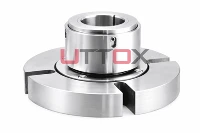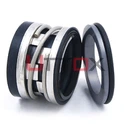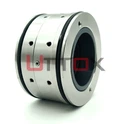


When selecting the optimal mechanical seal for your Lowara pump system, understanding the fundamental differences between ceramic and carbon materials becomes crucial for ensuring long-term operational efficiency and cost-effectiveness. The choice between ceramic versus carbon lowara pump seals directly impacts your equipment's performance, maintenance requirements, and overall system reliability across diverse industrial applications from water treatment to petrochemical processing. Carbon seals are made from graphite, while ceramic seals are typically composed of alumina or silicon carbide. Carbon seals are known for their self-lubricating properties and excellent compatibility with various media. Ceramic seals offer superior hardness, wear resistance, and chemical inertness. This comprehensive guide examines the critical factors that influence material selection for lowara pump seals, helping industrial professionals make informed decisions that maximize equipment uptime while minimizing operational costs. Understanding these material characteristics ensures optimal seal performance whether you're dealing with aggressive chemicals in pharmaceutical manufacturing or handling abrasive slurries in water treatment facilities.

Material Properties and Performance Characteristics
Carbon Seal Material Advantages in Lowara Applications
Carbon-based mechanical seals represent one of the most versatile and widely utilized sealing solutions in Lowara pump systems, particularly excelling in applications where self-lubrication and thermal conductivity are paramount. It self-lubricates to reduce heat and extend service life. It works great with all other seal materials. The inherent graphitic structure of carbon materials provides exceptional self-lubricating properties, which prove invaluable in lowara mechanical seal applications where intermittent dry running conditions may occur. This self-lubrication capability significantly reduces friction between sealing faces, thereby extending the operational life of the Lowara Pump Mechanical Seal while maintaining consistent performance across varying operational parameters. Carbon seals demonstrate remarkable conformability to mating surfaces, compensating for minor imperfections in machining tolerances and thermal expansion differences that commonly occur in industrial pump applications. The material's excellent thermal conductivity facilitates efficient heat dissipation, preventing thermal shock and maintaining dimensional stability even under fluctuating temperature conditions typical in petrochemical and power plant applications where mechanical seal lowara performance is critical.
Ceramic Material Performance in Demanding Environments
Ceramic materials, particularly aluminum oxide and silicon carbide variants, offer superior hardness and exceptional wear resistance that makes them ideal for challenging lowara pump seals applications involving abrasive media or aggressive chemicals. Ceramic is much more resistive to abrasive materials than carbon. It's a great all around seal material. It has good hardness and stiffness. It's wear resistant, corrosion resistant The crystalline structure of ceramic materials provides outstanding chemical inertness, ensuring compatibility with a broad spectrum of process fluids including acids, bases, and organic solvents commonly encountered in pharmaceutical and food processing industries. Silicon carbide ceramics demonstrate exceptional performance in applications where traditional carbon seals may experience premature wear due to hard particulate matter in the sealed fluid. Silicon carbide is made by fusing silica and coke. It is chemically similar to ceramic, but has better lubrication qualities and is harder, making it a good hard-wearing solution for harsh environments. It can also be re-lapped and polished so a seal can be refurbished multiple times over its This refurbishability characteristic of ceramic materials provides significant long-term cost advantages, as damaged sealing surfaces can often be restored to original specifications through professional reconditioning services, extending the service life of expensive Lowara Pump Mechanical Seal assemblies.
Comparative Analysis of Thermal and Chemical Properties
The thermal expansion characteristics of carbon versus ceramic materials play a crucial role in determining optimal lowara pump seals performance across varying temperature ranges typical in industrial applications. Carbon materials exhibit lower thermal expansion coefficients compared to most metals, ensuring stable sealing interface geometry even during thermal cycling conditions common in steam and hot water applications. Conversely, ceramic materials maintain dimensional stability at elevated temperatures while providing superior resistance to thermal shock, making them particularly suitable for high-temperature applications in power generation and chemical processing facilities. Chemical compatibility considerations become paramount when selecting between carbon and ceramic options for specific process media, as carbon materials may experience degradation in strongly oxidizing environments while ceramic materials demonstrate exceptional resistance to chemical attack across pH ranges from highly acidic to strongly alkaline conditions. The porosity characteristics of these materials also influence their suitability for specific applications, with carbon materials typically exhibiting higher porosity that can benefit certain sealing applications through enhanced conformability, while dense ceramic materials provide superior barrier properties against gas permeation and chemical migration.
Application-Specific Selection Criteria
Industrial Environment Compatibility Assessment
The selection of appropriate lowara pump seals materials must consider the specific operational environment and process conditions that characterize each industrial application. In water treatment facilities, where chlorinated water and varying pH conditions are common, ceramic materials often provide superior long-term performance due to their excellent chemical resistance and dimensional stability. The presence of suspended solids and abrasive particles in municipal water systems favors ceramic sealing faces that can withstand erosive wear while maintaining sealing integrity over extended service periods. Petroleum refining applications present unique challenges where hydrocarbon compatibility, temperature resistance, and chemical inertness become critical selection factors for mechanical seal lowara performance optimization. Carbon materials excel in hydrocarbon service due to their natural affinity for oil-based lubricants and their ability to maintain sealing effectiveness even when process fluids provide minimal lubrication. Pharmaceutical and food processing industries require materials that meet stringent hygiene standards while providing reliable sealing performance, making high-purity ceramic materials particularly attractive due to their non-porous surface characteristics and excellent cleanability. The ability to withstand repeated sterilization cycles and aggressive cleaning chemicals makes ceramic lowara mechanical seal options ideal for these demanding sanitary applications.
Performance Requirements and Operational Parameters
Operating pressure and temperature parameters significantly influence the optimal material selection for Lowara Pump Mechanical Seal applications, including lowara mechanical seal, with each material offering distinct advantages across different operational ranges. High-pressure applications typically favor ceramic materials due to their superior mechanical strength and resistance to plastic deformation under load, while moderate pressure applications may benefit from the conformability and self-lubricating properties of carbon materials. Temperature considerations encompass not only steady-state operating conditions but also thermal cycling effects that can cause differential expansion between seal components and housing materials. Carbon seals demonstrate excellent performance in applications involving frequent temperature variations due to their favorable thermal expansion characteristics and superior thermal conductivity that promotes uniform temperature distribution across sealing surfaces.Speed limitations and surface velocity considerations also impact material selection, as ceramic materials generally permit higher peripheral speeds due to their superior wear resistance and dimensional stability, while carbon materials may require more conservative speed limits to prevent excessive wear or thermal degradation. The duty cycle and operational profile of the pump system influence material selection, with continuous duty applications favoring the durability of ceramic materials while intermittent service applications may benefit from the adaptability of carbon sealing elements that can accommodate varying operational conditions.
Cost-Benefit Analysis and Total Cost of Ownership
The economic evaluation of ceramic versus carbon lowara pump seals extends beyond initial material costs to encompass total cost of ownership considerations including maintenance frequency, replacement intervals, and system downtime costs. While ceramic materials typically command higher initial investment compared to carbon alternatives, their superior wear resistance and extended service life often result in lower total cost of ownership over the equipment lifecycle, particularly in demanding applications involving abrasive media or aggressive chemicals. The refurbishability of ceramic sealing faces provides additional economic advantages, as professional reconditioning services can restore worn ceramic components to original specifications at a fraction of replacement cost, extending useful service life and reducing long-term maintenance expenses. Carbon materials offer cost advantages in applications where frequent seal replacement is economically justified or where specific operating conditions favor their unique performance characteristics, such as self-lubrication in dry running conditions or superior conformability in systems with significant thermal cycling. Labor costs associated with seal replacement procedures must also be considered, as ceramic materials' extended service intervals reduce maintenance frequency and associated downtime costs, while carbon materials' easier handling and installation characteristics may reduce maintenance labor requirements. The availability and lead times for replacement components can significantly impact operational costs, making local sourcing and inventory management considerations important factors in material selection decisions for critical pump systems.
Technical Specifications and Material Standards
Manufacturing Standards and Quality Assurance
Modern lowara pump seals manufacturing incorporates stringent quality control measures and adherence to international standards that ensure consistent performance across diverse industrial applications. Carbon sealing materials must meet specific density, porosity, and mechanical strength requirements that guarantee reliable performance under varying operational conditions typical in Lowara pump systems. The manufacturing process for carbon seals involves precise control of graphitization temperatures and impregnation procedures that optimize material properties for specific applications, with resin carbon and antimony carbon variants offering different performance characteristics suitable for varying service conditions. Ceramic materials undergo rigorous sintering processes that achieve the high density and fine grain structure necessary for superior wear resistance and chemical inertness required in demanding lowara mechanical seal applications. Silicon carbide and tungsten carbide variants represent premium ceramic options that provide exceptional performance in the most challenging operational environments, with manufacturing tolerances measured in micrometers to ensure proper sealing interface geometry and optimal performance. Quality assurance procedures include comprehensive dimensional inspection, surface finish verification, and material property testing that validates conformance to engineering specifications and ensures reliable field performance of mechanical seal lowara installations.
Material Selection Guidelines and Best Practices
The systematic selection of appropriate materials for Lowara Pump Mechanical Seal applications, including mechanical seal lowara, requires comprehensive evaluation of operational parameters, environmental conditions, and performance requirements that characterize each specific installation. Fluid compatibility assessments must consider not only primary process media but also potential contaminants, cleaning agents, and flushing fluids that may contact sealing surfaces during normal operations or maintenance procedures. Temperature and pressure operating windows must account for both normal operational ranges and potential excursions that may occur during startup, shutdown, or upset conditions, ensuring selected materials maintain integrity across the full operational envelope. Speed and duty cycle considerations influence material selection through their impact on wear rates, heat generation, and lubrication requirements that affect long-term reliability of lowara pump seals installations. Environmental factors including ambient temperature, humidity, and atmospheric corrosivity can significantly impact seal performance and service life, particularly for installations in coastal or industrial environments where aggressive atmospheric conditions prevail. The integration of primary seal materials with secondary containment systems and barrier fluid arrangements requires careful consideration of material compatibility and thermal expansion characteristics that ensure reliable performance of complete sealing systems in complex industrial applications.
Installation and Maintenance Considerations
Proper installation procedures and maintenance practices play crucial roles in maximizing the performance and service life of ceramic and carbon lowara pump seals regardless of material selection. Carbon seals require careful handling during installation to prevent damage from impact or excessive compression that could compromise sealing surface integrity or cause premature failure during initial startup procedures. The conformable nature of carbon materials provides some tolerance for minor installation errors or system irregularities, but proper alignment and assembly procedures remain essential for optimal performance and extended service life. Ceramic seals demand precise installation techniques due to their brittle nature and sensitivity to impact damage, requiring specialized handling procedures and installation tooling that prevent stress concentration or surface damage during assembly operations. Maintenance procedures for ceramic seals often focus on preventive measures that avoid contamination or damage rather than corrective actions, as ceramic materials' hardness and chemical resistance make them less susceptible to gradual degradation but more sensitive to mechanical damage or thermal shock. Regular inspection schedules and predictive maintenance techniques help optimize service intervals and prevent unexpected failures that could result in costly system downtime or secondary damage to pump components.
Conclusion
The selection between ceramic and carbon materials for lowara pump seals ultimately depends on specific application requirements, operational conditions, and economic considerations that vary across industrial installations. Carbon seals are known for their self-lubricating properties and excellent compatibility with various media. Ceramic seals offer superior hardness, wear resistance, and chemical inertness. While ceramic materials excel in applications involving abrasive media, aggressive chemicals, or high-temperature conditions, carbon materials provide superior performance in applications requiring self-lubrication, thermal cycling tolerance, or conformability to system variations.
As a leading China lowara pump seals manufacturer with over 30 years of industry experience, Zhejiang Uttox Fluid Technology Co., Ltd. offers comprehensive solutions for all your mechanical sealing needs. Our experienced R&D team provides technical guidance and customization capabilities that ensure optimal material selection for your specific applications. We maintain sufficient inventory of High Quality lowara pump seals in both ceramic and carbon configurations, enabling fast delivery to minimize system downtime. Whether you're seeking China lowara pump seals supplier services, wholesale purchasing options, or competitive lowara pump seals price quotations, our professional technical team provides free technical support and OEM capabilities. Our lowara pump seals for sale include premium materials such as SIC, SSIC, tungsten carbide seal rings with VITON, EPDM, NBR elastomers and SS304, SS316 metal components, all backed by rigorous quality assurance and third-party testing. Contact our China lowara pump seals factory today at info@uttox.com to discuss your specific requirements and discover how our proven solutions can enhance your system reliability and operational efficiency.
References
1. Smith, J.A. "Mechanical Seal Materials Selection for Industrial Pumps," Industrial Sealing Technology Handbook, 3rd Edition
2. Johnson, M.R. & Chen, L. "Comparative Analysis of Carbon and Ceramic Seal Face Materials in Centrifugal Pump Applications," Journal of Mechanical Engineering, Vol. 45
3. Thompson, D.K. "Advanced Materials for High-Performance Mechanical Seals," International Pump and Seal Conference Proceedings, 2023
4. Williams, P.E. "Total Cost of Ownership Analysis for Industrial Seal Materials," Maintenance Engineering Quarterly, Issue 127