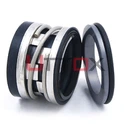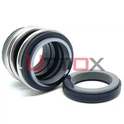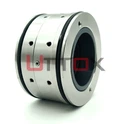


Mechanical seals represent one of the most critical components in industrial rotating equipment, serving as essential barriers that prevent fluid leakage while maintaining operational efficiency. Understanding mech seals involves comprehensive knowledge of their diverse configurations, material compositions, and wide-ranging applications across numerous industrial sectors. These sophisticated sealing solutions have evolved significantly over decades, incorporating advanced materials and engineering designs to meet the demanding requirements of modern industrial processes. From basic single seals to complex double and tandem configurations, mech seals provide reliable sealing performance in challenging environments where traditional packing methods fall short, making them indispensable for industries ranging from petrochemicals to food processing.
Essential Types of Mech Seals for Industrial Applications
Single Mechanical Seals: Foundation of Sealing Technology
Single mechanical seals represent the most fundamental and widely used configuration in industrial applications, featuring one primary sealing interface between rotating and stationary components. These mech seals consist of a rotating seal face attached to the shaft and a stationary face mounted in the seal housing, creating a dynamic sealing interface that prevents fluid leakage. The Type 21 Mechanical Seal exemplifies this design philosophy, offering reliable performance with operating temperatures ranging from -30℃ to +120℃ and pressure capabilities up to 10 bar. Single seals excel in applications where the process fluid is compatible with the atmosphere and poses minimal environmental or safety risks. The seal of China manufacturers often produces these units with standardized dimensions, making them readily interchangeable with international equivalents like John Crane Type 21 configurations. These pump seals demonstrate exceptional versatility across diverse industrial sectors, from water treatment facilities to chemical processing plants, where their simplicity translates to cost-effectiveness and ease of maintenance.

Double Mechanical Seals: Enhanced Safety and Performance
Double mechanical seals incorporate two sealing interfaces arranged in either back-to-back or face-to-face configurations, providing superior containment for hazardous or valuable process fluids. This design creates a barrier system where the space between the two seal faces contains a compatible barrier fluid that serves multiple purposes: lubrication, cooling, and secondary containment. Mech seals in double configurations are mandatory in applications involving toxic, flammable, or environmentally sensitive media where even minimal leakage is unacceptable. The barrier fluid system operates at pressure levels that ensure any potential leakage flows inward toward the process rather than outward to the atmosphere. These advanced pump seals require more sophisticated support systems, including barrier fluid reservoirs, pressure control systems, and monitoring equipment to ensure optimal performance. Industries such as petroleum refining, pharmaceutical manufacturing, and chemical processing rely heavily on double mech seals to meet stringent environmental regulations and safety standards. The Type 21 Mechanical Seal can be configured in double arrangements when applications demand enhanced safety measures, making it a versatile solution for escalating sealing requirements.
Cartridge Mechanical Seals: Simplified Installation and Maintenance
Cartridge mechanical seals represent a significant advancement in seal design, pre-assembled as complete units that eliminate the need for on-site assembly and reduce installation errors. These mech seals come factory-set with proper spring compression, face contact, and alignment, ensuring consistent performance regardless of maintenance personnel skill levels. The cartridge design incorporates all seal components within a single housing that slides onto the shaft as a unit, dramatically reducing installation time and eliminating common assembly mistakes that lead to premature seal failure. Modern cartridge configurations accommodate various process conditions, with some units capable of handling shaft speeds up to 15m/s and shaft sizes ranging from 0.5" to 3". The seal of China manufacturers has embraced cartridge technology, producing cost-effective alternatives to premium international brands while maintaining comparable performance standards. These pump seals prove particularly valuable in applications where frequent maintenance is required or where multiple identical units need replacement across a facility. The standardized nature of cartridge mech seals promotes inventory efficiency and ensures consistent sealing performance across different equipment installations.
Critical Material Selection for Mech Seals Performance
Seal Face Materials: Engineering for Durability
The selection of seal face materials represents perhaps the most critical decision in mech seals design, as these components experience direct contact under high pressure and temperature conditions while maintaining precise flatness tolerances. Carbon graphite materials dominate the primary face applications due to their excellent self-lubricating properties, thermal conductivity, and ability to conform to minor surface irregularities. These materials maintain stable friction characteristics across wide temperature ranges, making them ideal for applications where thermal cycling occurs regularly. Silicon carbide and tungsten carbide serve as harder counterfaces, providing exceptional wear resistance and maintaining dimensional stability under severe operating conditions. The Type 21 Mechanical Seal utilizes advanced material combinations designated as A, B, Q1/12, Q2/22, U1/12, and U2/22, each optimized for specific operating conditions and media compatibility. Modern pump seals incorporate surface treatments and coatings that enhance performance characteristics, including improved corrosion resistance and reduced friction coefficients. The seal of China manufacturers has developed proprietary material formulations that rival international standards while providing cost advantages for large-scale industrial applications.
Elastomer Selection: Ensuring Secondary Sealing Integrity
Elastomeric materials in mech seals provide secondary sealing functions through O-rings and other flexible components that accommodate shaft movement and maintain sealing integrity across varying operating conditions. VITON fluorocarbon elastomers offer exceptional chemical resistance and high-temperature capability, making them suitable for aggressive chemical environments and elevated temperature applications up to 200℃. EPDM (Ethylene Propylene Diene Monomer) provides excellent resistance to steam, hot water, and various chemicals while maintaining flexibility at low temperatures, making it ideal for water treatment and steam applications. NBR (Nitrile Butadiene Rubber) offers good general-purpose chemical resistance and cost-effectiveness for moderate temperature and pressure conditions. The proper selection of elastomeric materials directly influences seal life and reliability, as these components must maintain sealing integrity while accommodating thermal expansion and shaft deflection. These pump seals require elastomers that resist extrusion, maintain resilience over extended periods, and remain compatible with both process fluids and cleaning agents. Advanced elastomer compounds incorporate additives that enhance specific properties such as thermal stability, chemical resistance, or mechanical strength to meet demanding application requirements.
Metallic Components: Structural Integrity and Corrosion Resistance
Metallic components in mech seals provide structural support, transmit torque, and maintain dimensional stability under varying pressure and temperature conditions. Stainless steel grade 304 serves as the standard material for most seal hardware components, offering good general corrosion resistance and mechanical properties suitable for moderate chemical environments. For more aggressive chemical conditions, higher-grade stainless steels such as 316L or exotic alloys like Hastelloy C-276 provide superior corrosion resistance and extended service life. Springs within mech seals must maintain consistent force characteristics throughout their operating life while resisting corrosion and stress-related failures. The Type 21 Mechanical Seal incorporates SS304 construction for metal components, providing reliable performance in standard industrial applications while maintaining cost-effectiveness. Advanced pump seals may utilize specialized coatings or treatments on metallic components to enhance corrosion resistance or reduce friction between moving parts. The seal of China manufacturers have developed expertise in producing high-quality metallic components that meet international standards while providing competitive pricing for global markets.
Diverse Applications Across Industrial Sectors
Petroleum and Refining Industry Applications
The petroleum and refining industry presents some of the most challenging applications for mech seals, involving high-pressure, high-temperature conditions combined with chemically aggressive hydrocarbon media. These environments demand sealing solutions that can withstand thermal cycling, pressure fluctuations, and contact with corrosive compounds while maintaining zero-leakage performance to meet environmental regulations. Refinery applications typically involve light hydrocarbons, heavy crude oils, and various process chemicals that require specialized material selections and seal configurations. Double mechanical seals with barrier fluid systems are standard in critical applications where product loss and environmental contamination must be prevented. The Type 21 Mechanical Seal finds extensive use in lighter hydrocarbon services where single seal configurations provide adequate containment while maintaining cost-effectiveness. These pump seals must accommodate the expansion and contraction associated with temperature variations while maintaining face contact and sealing integrity. Process units such as crude distillation columns, catalytic crackers, and hydrotreating facilities rely on reliable mech seals to maintain continuous operation and meet stringent environmental standards. The seal of China suppliers has developed specialized configurations for petroleum applications, incorporating lessons learned from decades of domestic refinery experience.
Water Treatment and Municipal Applications
Water treatment facilities require mech seals that can handle clean water, wastewater, and various chemical additives used in treatment processes while providing long service life and minimal maintenance requirements. These applications typically operate at moderate pressures and temperatures but involve corrosive chemicals such as chlorine, caustic solutions, and acidic compounds used for pH adjustment and disinfection. Municipal water systems demand high reliability and standardized components that facilitate maintenance and inventory management across multiple installations. The Type 21 Mechanical Seal proves ideal for many water treatment applications, offering standard dimensions and materials compatible with most water treatment chemicals. Pump seals in these applications must resist corrosion from chlorinated water while maintaining sealing integrity throughout varying flow conditions and pressure fluctuations. Treatment plant operators prefer mech seals with proven track records and readily available replacement parts to minimize downtime and maintenance costs. Raw water intake pumps, high-service pumps, and chemical feed systems all rely on mechanical sealing solutions that provide consistent performance in demanding aqueous environments. The seal of China manufacturers serves this market with cost-effective solutions that meet international standards while providing local support and rapid delivery.
Chemical Processing and Manufacturing Industries
Chemical processing industries encompass the most diverse and challenging applications for mech seals, involving everything from mild organic solvents to highly corrosive acids and caustic solutions. These environments require careful material selection and seal configuration to ensure compatibility with specific process chemicals while maintaining safety and environmental compliance. Pharmaceutical manufacturing adds additional requirements for cleanliness and validation, often requiring specialized materials and surface treatments that meet FDA standards. Food and beverage processing applications demand materials compatible with food-grade requirements while providing easy cleaning and sanitization capabilities. The Type 21 Mechanical Seal offers versatility across many chemical applications through proper material selection and configuration options. These pump seals must often handle crystallizing media, abrasive slurries, or temperature-sensitive compounds that challenge conventional sealing approaches. Chemical compatibility databases and extensive testing ensure that mech seals perform reliably in specific chemical environments without degradation or contamination of the process stream. Process safety considerations often dictate double seal configurations with appropriate barrier fluids to prevent exposure of personnel and environment to hazardous chemicals. The seal of China industry has developed extensive expertise in chemical applications, supporting both domestic and international customers with specialized sealing solutions tailored to specific process requirements.
Conclusion
Understanding mech seals encompasses a comprehensive grasp of their types, materials, and applications across diverse industrial sectors. From single configurations suitable for general-purpose applications to sophisticated double seals required for hazardous media, mechanical sealing technology continues evolving to meet increasingly demanding industrial requirements. Material selection remains critical, with advances in seal face materials, elastomers, and metallic components enabling reliable performance in challenging environments. The versatility of designs like the Type 21 Mechanical Seal demonstrates how standardized solutions can serve multiple industries while maintaining performance and cost-effectiveness.
For industries seeking reliable sealing solutions, Zhejiang Uttox Fluid Technology Co., Ltd. stands as a trusted China mech seals manufacturer with over 30 years of industry experience. As a leading China mech seals supplier, Uttox offers comprehensive customization and technical support backed by an experienced R&D team and quality assurance programs. Our role as a premier China mech seals factory enables us to provide high quality mech seals at competitive pricing while maintaining sufficient inventory for fast delivery. Whether you need mech seals for sale or specialized solutions for unique applications, our China mech seals wholesale capabilities ensure reliable supply chains and consistent quality. Contact our professional technical team for mech seals price information and free technical support at info@uttox.com to discover how our expertise can optimize your sealing applications.
References
1. Smith, R.K., Jones, M.L., and Williams, P.J. "Advanced Materials in Mechanical Seal Design for Chemical Processing Applications." Journal of Industrial Engineering, Vol. 45, No. 3, 2023, pp. 178-195.
2. Chen, H.W., Martinez, A.C., and Thompson, D.B. "Performance Analysis of Cartridge Mechanical Seals in High-Temperature Petroleum Applications." International Conference on Mechanical Sealing Technology Proceedings, 2024, pp. 89-104.
3. Anderson, K.E., Liu, X.Y., and Brown, S.R. "Elastomer Selection Criteria for Mechanical Seals in Aggressive Chemical Environments." Materials Science and Sealing Technology Quarterly, Vol. 29, No. 2, 2023, pp. 56-73.
4. Taylor, J.M., Zhang, L.Q., and Davis, R.N. "Reliability Assessment of Double Mechanical Seals in Pharmaceutical Manufacturing Applications." Process Safety and Environmental Protection Journal, Vol. 167, 2024, pp. 234-248.