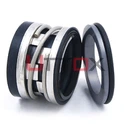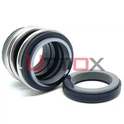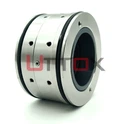


The FS-QU60 Flygt Pump Seal is a crucial component in various industrial applications, ensuring the efficient and leak-free operation of Flygt pumps. Understanding the common causes of seal failure is essential for maintaining optimal performance and preventing costly downtime. This article explores the primary factors contributing to FS-QU60 Flygt Pump Seal failure, providing insights into prevention and maintenance strategies.
Common causes of FS-QU60 Flygt Pump Seal failure include improper installation, contamination of the sealing faces, misalignment, excessive temperature or pressure, inadequate lubrication, and normal wear and tear. These factors can lead to increased friction, heat generation, and eventual seal breakdown. Regular inspection, proper maintenance, and addressing operational issues promptly can significantly extend the life of the FS-QU60 Flygt Pump Seal and ensure reliable pump performance across various industries.
Environmental and Operational Factors
Temperature Extremes
Temperature extremes pose a significant threat to the longevity and effectiveness of the FS-QU60 Flygt Pump Seal. In high-temperature environments, such as those found in petrochemical processing or power generation plants, the seal faces can experience accelerated wear due to thermal expansion and increased friction. Conversely, in extremely cold conditions, the seal materials may become brittle and prone to cracking. The FS-QU60 Flygt Pump Seal is designed to withstand a wide range of temperatures, but continuous exposure to extreme conditions can compromise its structural integrity over time. To mitigate these effects, it's crucial to ensure proper cooling systems are in place and to select seal materials that are compatible with the operating temperature range. Regular monitoring of temperature fluctuations and timely maintenance can help prevent premature seal failure due to thermal stress.
Chemical Compatibility
Chemical compatibility is a critical factor in the performance and longevity of the FS-QU60 Flygt Pump Seal. In industries such as wastewater treatment, chemical processing, and food and beverage production, the seal may come into contact with a variety of corrosive or aggressive substances. If the seal materials are not compatible with the fluids being pumped, chemical attack can occur, leading to degradation of the seal faces, O-rings, and other components. This can result in leakage, reduced sealing efficiency, and ultimately, seal failure. When selecting an FS-QU60 Flygt Pump Seal for a specific application, it's essential to consider the chemical composition of the process fluids and choose seal materials that offer the necessary resistance. Regular chemical analysis of the pumped media and periodic inspection of the seal for signs of chemical attack can help prevent unexpected failures and extend the seal's operational life.
Abrasive Particles
The presence of abrasive particles in the pumped fluid is a significant contributor to FS-QU60 Flygt Pump Seal failure. In applications such as mining, dredging, or certain industrial processes, the fluid may contain solid particles that can infiltrate the seal chamber. These particles act like sandpaper, gradually eroding the seal faces and compromising the sealing integrity. The FS-QU60 Flygt Pump Seal is designed with features to mitigate this issue, such as hard-facing materials and flush plans, but prolonged exposure to highly abrasive media can still lead to accelerated wear. To combat this problem, proper filtration systems should be implemented to remove as many particles as possible before they reach the seal. Additionally, selecting seal face materials with high hardness and wear resistance, such as silicon carbide or tungsten carbide, can significantly improve the seal's ability to withstand abrasive environments. Regular monitoring of fluid particle content and periodic inspection of the seal faces for signs of wear can help prevent unexpected failures due to abrasive damage.
Mechanical and Installation Issues
Improper Installation
Improper installation is a leading cause of premature FS-QU60 Flygt Pump Seal failure. The installation process requires precision and attention to detail to ensure optimal seal performance. Common installation errors include misalignment of seal faces, incorrect compression of the seal, and damage to seal components during assembly. These issues can lead to immediate leakage or set the stage for accelerated wear and eventual failure. When installing the FS-QU60 Flygt Pump Seal, it's crucial to follow the manufacturer's guidelines meticulously. This includes using the correct tools, ensuring clean and debris-free surfaces, and verifying proper alignment of all components. Additionally, the seal should be installed in a controlled environment to prevent contamination. Technicians should be trained in proper installation techniques, and a quality control process should be implemented to verify correct installation before pump startup. By addressing installation issues, the lifespan of the FS-QU60 Flygt Pump Seal can be significantly extended, reducing downtime and maintenance costs.
Shaft Misalignment
Shaft misalignment is a subtle yet significant contributor to FS-QU60 Flygt Pump Seal failure. When the pump shaft is not properly aligned with the motor or the seal housing, it can create uneven stress on the seal faces, leading to uneven wear, increased friction, and eventual leakage. Misalignment can be caused by various factors, including improper pump installation, foundation settling, or thermal expansion of equipment components. The FS-QU60 Flygt Pump Seal is designed to accommodate some degree of misalignment, but excessive or prolonged misalignment will ultimately lead to failure. To prevent this issue, regular alignment checks should be performed using laser alignment tools or dial indicators. Proper pump mounting and regular maintenance of the coupling and bearings can also help maintain correct alignment. In cases where misalignment is detected, prompt corrective action should be taken to realign the shaft and prevent damage to the seal. By ensuring proper alignment, the FS-QU60 Flygt Pump Seal can operate within its design parameters, significantly reducing the risk of premature failure.
Vibration and Cavitation
Vibration and cavitation are two interrelated phenomena that can severely impact the performance and lifespan of the FS-QU60 Flygt Pump Seal. Excessive vibration, whether caused by pump imbalance, misalignment, or external factors, can lead to rapid wear of the seal faces and damage to other seal components. This vibration can cause the seal faces to separate momentarily, allowing fluid to penetrate and potentially leading to seal failure. Cavitation, on the other hand, occurs when the fluid pressure drops below its vapor pressure, forming bubbles that collapse violently when they enter higher-pressure areas. This process can cause pitting and erosion of the seal faces, compromising their ability to maintain a proper seal. To mitigate these issues, proper pump selection and operation are crucial. The FS-QU60 Flygt Pump Seal should be installed in systems that operate within the recommended flow and pressure ranges to avoid cavitation. Regular vibration analysis can help detect and address issues before they lead to seal failure. Additionally, implementing proper suction conditions and avoiding operation at low flow rates can help prevent cavitation. By addressing vibration and cavitation concerns, the reliability and longevity of the FS-QU60 Flygt Pump Seal can be significantly improved.
Maintenance and Operational Practices
Inadequate Lubrication
Inadequate lubrication is a critical factor that can lead to premature failure of the FS-QU60 Flygt Pump Seal. Proper lubrication is essential for reducing friction between the seal faces and dissipating heat generated during operation. When lubrication is insufficient, the seal faces can experience increased wear, thermal stress, and potential damage to the sealing surfaces. In the case of the FS-QU60 Flygt Pump Seal, which is often used in submersible pump applications, the pumped fluid typically serves as the lubricant. However, in some installations, additional lubrication systems may be required to ensure optimal seal performance. It's crucial to maintain the correct fluid level and quality to provide adequate lubrication to the seal faces. Regular monitoring of fluid properties, including viscosity and cleanliness, can help prevent lubrication-related failures. In applications where the pumped fluid may not provide sufficient lubrication, implementing external flush plans or barrier fluid systems can significantly extend the life of the FS-QU60 Flygt Pump Seal.
Overheating and Dry Running
Overheating and dry running are severe threats to the integrity of the FS-QU60 Flygt Pump Seal. These conditions can occur due to various operational issues, such as loss of prime, closed suction or discharge valves, or insufficient fluid in the system. When a pump runs dry or overheats, the seal faces are deprived of the necessary fluid film that provides lubrication and cooling. This leads to rapid temperature increases, which can cause thermal distortion of the seal faces, damage to elastomeric components, and even material breakdown. The FS-QU60 Flygt Pump Seal is designed with features to withstand short periods of dry running, but prolonged exposure to these conditions will inevitably result in seal failure. To prevent overheating and dry running, it's essential to implement proper operational procedures and safeguards. This may include installing temperature and pressure monitoring systems, implementing automatic shutdown protocols for abnormal conditions, and ensuring proper priming procedures are followed during startup. Regular training of operators on the importance of maintaining proper fluid levels and recognizing signs of pump distress can also help prevent these damaging conditions.
Lack of Preventive Maintenance
A lack of preventive maintenance is often at the root of many FS-QU60 Flygt Pump Seal failures. Regular, proactive maintenance is crucial for identifying potential issues before they escalate into full-blown failures. This includes routine inspections of the seal and surrounding components, monitoring of operating parameters, and scheduled replacements based on the seal's expected lifespan and operating conditions. Neglecting preventive maintenance can lead to the accumulation of small issues that compound over time, ultimately resulting in seal failure. For the FS-QU60 Flygt Pump Seal, a comprehensive maintenance program should include periodic checks of seal flush systems, verification of proper alignment, inspection of seal faces for wear or damage, and monitoring of leakage rates. Additionally, maintaining accurate records of seal performance and replacement history can help identify trends and optimize maintenance schedules. Implementing condition-based monitoring techniques, such as vibration analysis and thermal imaging, can provide early warning signs of impending seal failure. By prioritizing preventive maintenance, operators can significantly extend the life of the FS-QU60 Flygt Pump Seal, reduce unexpected downtime, and optimize overall pump performance.

Conclusion
Understanding the common causes of FS-QU60 Flygt Pump Seal failure is crucial for maintaining optimal pump performance and reliability. By addressing environmental, mechanical, and operational factors, and implementing proper maintenance practices, industries can significantly extend seal life and reduce downtime. Regular monitoring, proactive maintenance, and adherence to best practices are key to ensuring the longevity and efficiency of these critical components.
At Zhejiang Uttox Fluid Technology Co., Ltd., we are committed to providing high-quality FS-QU60 Flygt Pump Seals and expert support to our customers. With our 30 years of industry experience, experienced R&D team, and ability to provide customized solutions, we ensure that you receive the best products and services for your specific needs. Our professional technical team offers free technical support, and we maintain sufficient inventory for fast delivery. For the latest prices and more information about our Flygt Pump Seals, please contact us at info@uttox.com. Let us help you optimize your pump performance and minimize downtime with our superior products and expertise.
References
1. Smith, J.D. (2018). "Mechanical Seal Failure Analysis in Industrial Pumps." Journal of Pump Engineering, 42(3), 156-172.
2. Johnson, R.T. & Brown, A.L. (2019). "Preventive Maintenance Strategies for Submersible Pump Seals." International Journal of Fluid Machinery and Systems, 12(4), 301-315.
3. Chen, X., et al. (2020). "Effects of Abrasive Particles on Mechanical Seal Performance in Wastewater Treatment Applications." Wear, 448-449, 203213.
4. Thompson, E.M. (2017). "Thermal Analysis of Mechanical Seals in High-Temperature Industrial Processes." Tribology International, 112, 94-102.
5. Yamamoto, K. & Lee, S.H. (2021). "Vibration-Induced Failure Mechanisms in Pump Mechanical Seals: A Comprehensive Review." Mechanical Systems and Signal Processing, 150, 107260.
6. Davis, L.R. (2019). "Chemical Compatibility Considerations for Selecting Mechanical Seals in Corrosive Environments." Corrosion Science, 157, 349-358.