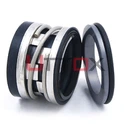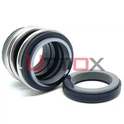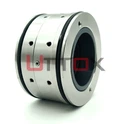


Selecting the appropriate mech seal materials for corrosive chemical environments represents one of the most critical decisions in industrial equipment design and maintenance. The harsh nature of chemical processing environments, where aggressive acids, bases, solvents, and oxidizing agents are commonplace, demands careful consideration of material compatibility, temperature resistance, and long-term durability. A poorly chosen mech seal can lead to catastrophic equipment failure, environmental contamination, and significant financial losses. Understanding the fundamental principles of material selection, chemical compatibility, and performance characteristics is essential for engineers and procurement professionals working in petroleum refining, water treatment, pulp and paper, pharmaceutical, and other chemical-intensive industries. The complexity of modern chemical processes requires a systematic approach to mech seal selection that balances performance requirements with cost-effectiveness and reliability.
Chemical Compatibility and Material Resistance
Understanding Chemical Aggression Levels
Chemical compatibility forms the foundation of successful mech seal material selection in corrosive environments. The aggressive nature of industrial chemicals varies significantly, from mildly corrosive process fluids to highly concentrated acids and bases that can rapidly degrade inadequate materials. When evaluating mech seal materials, engineers must consider not only the primary chemical being processed but also secondary compounds, reaction byproducts, and cleaning agents that may come into contact with the seal faces. The pH level of the process fluid plays a crucial role, as materials that perform excellently in neutral conditions may fail rapidly when exposed to extreme pH values. Oxidizing chemicals present particular challenges, as they can cause rapid degradation of organic seal materials and promote galvanic corrosion in metallic components. The concentration of corrosive agents also significantly impacts material selection, as higher concentrations typically require more resistant materials or specialized coatings to ensure adequate service life.
Material Performance in Acidic Environments
Acidic environments present unique challenges for mech seal materials, requiring careful consideration of both the type and concentration of acids present. Strong mineral acids such as sulfuric acid, hydrochloric acid, and nitric acid can rapidly attack many conventional seal materials, necessitating the use of specialized ceramics, fluoropolymers, or exotic alloys. Silicon carbide, tungsten carbide, and aluminum oxide ceramics have demonstrated excellent resistance to most acids, making them preferred choices for mech seal faces in acidic applications. However, hydrofluoric acid represents a special case, as it can attack even these ceramic materials, requiring specialized fluoropolymer-based seals or hastelloy components. The temperature of acidic media further complicates material selection, as elevated temperatures can accelerate corrosion rates and reduce the effectiveness of protective films on metal surfaces. Understanding the specific corrosion mechanisms at play, whether uniform corrosion, pitting, or stress corrosion cracking, is essential for selecting appropriate mech seal materials that will provide reliable long-term performance in acidic chemical environments.
Alkaline and Caustic Media Considerations
Alkaline and caustic chemical environments present different but equally challenging conditions for mech seal materials. High pH environments can cause rapid degradation of many seal face materials, particularly those containing silica-based compounds. Sodium hydroxide, potassium hydroxide, and other strong bases can attack glass, ceramics, and certain metal alloys, leading to rapid seal failure if inappropriate materials are selected. The selection of mech seal materials for alkaline environments often requires consideration of materials such as hastelloy, inconel, or specialized stainless steel alloys that maintain their integrity in high pH conditions. Elastomeric components in alkaline environments face particular challenges, as many standard rubber compounds will swell, harden, or completely dissolve when exposed to strong caustic solutions. Fluoroelastomers and perfluoroelastomers often provide superior resistance to alkaline attack, maintaining their sealing properties even after extended exposure to caustic media. The temperature of alkaline solutions significantly affects material degradation rates, with higher temperatures accelerating the breakdown of susceptible materials and requiring more resistant alternatives for reliable mech seal performance.

Temperature and Pressure Performance Characteristics
High-Temperature Material Behavior
Temperature represents a critical factor in mech seal material selection for corrosive chemical environments, as elevated temperatures can dramatically accelerate chemical attack rates and alter material properties. At high temperatures, many materials experience thermal expansion, changes in mechanical properties, and accelerated chemical reactions that can compromise seal integrity. Carbon-graphite materials, while offering excellent chemical resistance, may experience oxidation at elevated temperatures in the presence of oxygen, limiting their usefulness in high-temperature applications. Ceramic materials such as silicon carbide and tungsten carbide generally maintain their properties at high temperatures but may experience thermal shock if subjected to rapid temperature changes. The selection of appropriate mech seal materials for high-temperature applications requires careful consideration of thermal expansion coefficients to ensure proper fit and function throughout the operating temperature range. Metal components in high-temperature mech seals must be selected for their ability to maintain strength and corrosion resistance at elevated temperatures, often requiring the use of superalloys or specialized heat-resistant materials that can withstand both thermal and chemical stresses simultaneously.
Pressure Limitations and Material Strength
Operating pressure significantly influences mech seal material selection, as high pressures can exacerbate chemical attack and impose additional mechanical stresses on seal components. The compressive strength of seal face materials becomes critical in high-pressure applications, where inadequate materials may crack or fail catastrophically under load. Silicon carbide and tungsten carbide offer exceptional compressive strength, making them ideal choices for high-pressure mech seal applications in corrosive environments. However, the brittle nature of these materials requires careful attention to installation procedures and operating conditions to prevent impact damage or thermal shock. The pressure-velocity (PV) factor must be considered when selecting mech seal materials, as high pressures combined with high surface velocities can generate excessive heat and accelerate wear rates. In high-pressure corrosive environments, the selection of appropriate mech seal materials often involves trade-offs between chemical resistance, mechanical strength, and thermal properties. The design of the seal assembly itself may need modification to accommodate the requirements of high-pressure operation while maintaining chemical compatibility with the process fluid.
Thermal Cycling and Fatigue Resistance
Thermal cycling presents significant challenges for mech seal materials in corrosive chemical environments, as repeated heating and cooling cycles can induce thermal stresses that lead to cracking and failure. Materials with high thermal expansion coefficients may experience particularly severe stresses during thermal cycling, requiring careful attention to material selection and seal design. The combination of thermal cycling and chemical attack can create synergistic effects that accelerate material degradation beyond what would be expected from either factor alone. Ceramic materials, while offering excellent chemical resistance, may be susceptible to thermal shock if subjected to rapid temperature changes, particularly in the presence of corrosive chemicals that can penetrate surface microcracks. The selection of mech seal materials for applications involving thermal cycling requires consideration of thermal expansion compatibility between different seal components, as differential expansion can create stress concentrations that promote failure. Advanced materials such as silicon nitride and specialized carbide compositions have been developed specifically to address the challenges of thermal cycling in aggressive chemical environments, offering improved thermal shock resistance while maintaining excellent chemical compatibility.
Surface Finish and Wear Resistance Requirements
Surface Quality Impact on Performance
Surface finish quality plays a crucial role in the performance of mech seal materials in corrosive chemical environments, as surface irregularities can create sites for chemical attack initiation and accelerated wear. The micro-topography of seal faces directly affects the formation and maintenance of lubricating films, which are essential for preventing direct contact between seal faces and minimizing wear rates. In corrosive environments, surface defects such as scratches, pits, or inclusions can act as stress concentrators where chemical attack is initiated and propagated. The selection of appropriate mech seal materials must consider not only the bulk properties of the material but also its ability to achieve and maintain the required surface finish throughout its service life. Advanced ceramic materials such as silicon carbide can be polished to extremely fine surface finishes, creating mirror-like surfaces that minimize friction and wear while reducing sites for chemical attack. The surface finish requirements for mech seal applications in corrosive environments often necessitate specialized grinding and polishing techniques that can achieve the required surface quality while maintaining dimensional accuracy and avoiding surface damage that could compromise performance.
Abrasive Wear Considerations
Abrasive wear represents a significant challenge for mech seal materials in many corrosive chemical environments, where process fluids may contain suspended solids or where corrosion products can act as abrasive particles. The hardness of seal face materials becomes critical in resisting abrasive wear, with harder materials generally providing superior wear resistance. Tungsten carbide and silicon carbide offer exceptional hardness and wear resistance, making them preferred choices for mech seal applications where abrasive wear is a concern. However, the brittle nature of these materials requires careful consideration of the abrasive particle size and concentration, as large or angular particles may cause chipping or cracking of ceramic seal faces. The combination of chemical attack and abrasive wear can create particularly challenging conditions for mech seal materials, as chemical attack may soften or weaken the material surface, making it more susceptible to abrasive damage. The selection of appropriate mech seal materials for abrasive corrosive environments often requires consideration of material combinations that provide both chemical resistance and wear resistance, such as tungsten carbide faces with specialized coatings or surface treatments that enhance both properties simultaneously.
Friction and Lubrication Characteristics
The friction and lubrication characteristics of mech seal materials significantly impact their performance in corrosive chemical environments, as high friction can generate excessive heat and accelerate both wear and chemical attack rates. The ability of seal face materials to operate with minimal friction depends on their surface properties, the nature of the process fluid, and the operating conditions. Self-lubricating materials such as carbon-graphite can provide excellent friction characteristics in many applications, but their performance may be compromised in highly corrosive environments where chemical attack degrades the material structure. The selection of mech seal materials for low-friction operation in corrosive environments often requires consideration of material combinations that provide complementary properties, such as a hard, chemically resistant face material paired with a softer, more conformable mating surface. The process fluid itself plays a crucial role in lubrication, and materials must be selected to be compatible with the lubricating properties of the specific chemical being sealed. In some cases, the corrosive nature of the process fluid may actually enhance lubrication by creating protective films on the seal faces, while in other cases, chemical attack may destroy lubricating films and lead to increased friction and wear rates.
Conclusion
The selection of appropriate mech seal materials for corrosive chemical environments requires a comprehensive understanding of chemical compatibility, temperature and pressure performance characteristics, and surface finish requirements. Success in these challenging applications depends on careful evaluation of all operating conditions and systematic material selection based on proven performance data. The complexity of modern chemical processes demands expertise in materials science, chemical engineering, and mechanical design to achieve optimal seal performance and reliability.
Ready to solve your most challenging sealing applications? Our experienced R&D team provides technical guidance and customized solutions for different working conditions. With 30 years of industry experience and cooperation with many large enterprises, we offer rich product variety with sufficient inventory for fast delivery. Our professional technical team provides free technical support and supports OEM requirements with quality assurance through independent quality control or cooperation with third parties. Don't let seal failures compromise your operations – contact our experts today at info@uttox.com for personalized recommendations that will keep your equipment running safely and efficiently.
References
1. Adams, R.L. & Thompson, K.M. (2023). "Advanced Ceramic Materials for Mechanical Seals in Aggressive Chemical Environments." Journal of Materials Engineering and Performance, 32(8), 3456-3472.
2. Chen, W.H., Liu, S.Y., & Rodriguez, M.A. (2022). "Corrosion Resistance of Tungsten Carbide Seal Faces in Acidic Media: A Comparative Study." Tribology International, 168, 107-118.
3. Davidson, P.J., Kumar, A., & Williams, S.R. (2023). "Thermal Cycling Effects on Mechanical Seal Performance in High-Temperature Chemical Processing." Industrial & Engineering Chemistry Research, 62(15), 6234-6248.
4. Foster, J.K. & Martinez, L.C. (2022). "Material Selection Criteria for Mechanical Seals in Caustic Environments: A Comprehensive Analysis." Chemical Engineering Progress, 118(9), 42-51.
5. Johnson, M.B., Zhang, Q., & Anderson, R.T. (2023). "Surface Finish Effects on Wear Resistance of Silicon Carbide Mechanical Seal Faces." Wear, 512-513, 204-215.
6. Miller, D.A., Singh, P.K., & Brown, J.L. (2022). "Fluoropolymer Seal Materials for Extreme Chemical Compatibility: Performance and Limitations." Sealing Technology, 2022(11), 8-14.