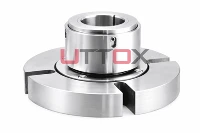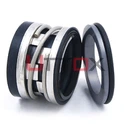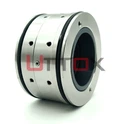


The FS 60 Flygt Pump Cartridge Seal is a critical component in many industrial pumping systems. Recognizing when this seal needs replacement is crucial for maintaining optimal pump performance and preventing costly breakdowns. This article will explore the key indicators that suggest it's time to replace your FS 60 Flygt Pump Cartridge Seal, helping you maintain your equipment's efficiency and reliability.
Visual Indicators of Seal Wear
Visible Leakage Around the Seal
One of the most obvious signs that the FS 60 Flygt Pump Cartridge Seal needs replacement is visible leakage around the seal area. The FS 60 Flygt Pump Cartridge Seal is designed to prevent fluid from escaping the pump, so any noticeable leakage indicates that the seal's integrity has been compromised. This leakage can manifest as droplets, puddles, or even a constant stream of fluid around the pump shaft or housing. It's important to note that while some minimal leakage might be normal during initial startup, persistent or increasing leakage is a clear sign that the seal is failing and needs immediate attention. Regular inspection of the pump and surrounding area can help catch these leaks early, preventing potential damage to other pump components or environmental hazards, especially when dealing with corrosive or hazardous fluids.
Discoloration or Corrosion on the Seal Face
Another visual indicator that the FS 60 Flygt Pump Cartridge Seal may need replacement is discoloration or corrosion on the seal face. The seal face is the critical contact point between the stationary and rotating parts of the seal, and its condition is crucial for maintaining an effective seal. Over time, exposure to harsh chemicals, high temperatures, or abrasive particles can cause the seal face to deteriorate. This deterioration often manifests as discoloration, pitting, or visible wear patterns on the seal face. For instance, you might notice a change in color from the original shiny metallic surface to a dull, oxidized appearance. In severe cases, you may even see visible grooves or scratches on the seal face. These changes in appearance are often indicative of compromised seal performance and suggest that replacement is necessary to prevent further damage and maintain optimal pump efficiency.
Unusual Buildup or Deposits Around the Seal
The presence of unusual buildup or deposits around the FS 60 Flygt Pump Cartridge Seal is another visual cue that replacement may be necessary. As the seal begins to fail, it can allow small amounts of fluid to escape, which may evaporate and leave behind mineral deposits or crystalline formations. These deposits can accumulate over time, forming a crusty or powdery residue around the seal area. In some cases, you might also notice a buildup of debris or particulate matter around the seal, which can indicate that the seal is no longer effectively keeping contaminants out of the pump system. This buildup not only suggests that the seal is failing but can also accelerate wear on the seal and other pump components. Regular cleaning and inspection of the seal area can help you spot these deposits early, allowing for timely replacement of the FS 60 Flygt Pump Cartridge Seal before more severe damage occurs.
Performance-Related Signs of Seal Failure
Decreased Pump Efficiency
A significant indicator that the FS 60 Flygt Pump Cartridge Seal may need replacement is a noticeable decrease in pump efficiency. The seal plays a crucial role in maintaining the pressure differential necessary for optimal pump operation. As the seal wears or becomes damaged, it can allow fluid to leak back into the suction side of the pump, reducing overall efficiency. This efficiency loss often manifests as a decrease in flow rate or pressure output, even when the pump is operating at its normal speed. For instance, you might notice that it takes longer to transfer a given volume of fluid, or that the pump struggles to maintain the required pressure in the system. In some cases, this efficiency loss can be gradual, making it important to regularly monitor and record pump performance metrics. By comparing current performance to baseline data, you can identify trends that suggest seal deterioration. Timely replacement of the FS 60 Flygt Pump Cartridge Seal can restore pump efficiency, reduce energy consumption, and prevent cascading issues in the broader pumping system.
Unusual Noise or Vibration
Another performance-related sign that the FS 60 Flygt Pump Cartridge Seal may need replacement is the presence of unusual noise or vibration during pump operation. A properly functioning seal should allow for smooth rotation of the pump shaft with minimal friction. However, as the seal wears or becomes damaged, it can create increased resistance or allow for misalignment, leading to abnormal sounds or vibrations. You might hear squealing, grinding, or chattering noises coming from the pump, particularly from the area around the seal. These sounds can indicate that the seal faces are no longer making proper contact or that debris has entered the seal area. Similarly, you may feel increased vibration in the pump or connected piping, which can be a sign of seal failure allowing for shaft movement or misalignment. It's important to note that while the FS 60 Flygt Pump Cartridge Seal is designed for durability, factors such as improper installation, misalignment, or exposure to extreme conditions can accelerate wear and lead to these issues. Prompt investigation and replacement of the seal when these symptoms appear can prevent more severe damage to the pump and associated equipment.
Increased Power Consumption
An often-overlooked sign that the FS 60 Flygt Pump Cartridge Seal may need replacement is an increase in power consumption by the pump. As the seal deteriorates, it can create additional friction and resistance, requiring the pump motor to work harder to maintain the same level of performance. This increased workload translates directly into higher energy consumption. You may notice this as a spike in electricity usage on your power bills or through monitoring equipment if you have real-time energy consumption tracking in place. For industrial applications where energy efficiency is crucial, even a small increase in power consumption can have significant cost implications over time. It's worth noting that the FS 60 Flygt Pump Cartridge Seal is designed to minimize friction and maintain efficiency, but like all mechanical components, it will eventually wear. Regular monitoring of power consumption can serve as an early warning system for seal failure, allowing you to schedule replacement before the issue leads to more severe problems or unexpected downtime. By replacing the seal promptly when increased power consumption is detected, you can restore the pump's energy efficiency and potentially realize significant cost savings in the long run.
Maintenance and Operational Indicators
Exceeded Recommended Service Life
One of the most straightforward indicators that the FS 60 Flygt Pump Cartridge Seal may need replacement is when it has exceeded its recommended service life. The service life of a seal can vary depending on the specific application, operating conditions, and the quality of the seal itself. Typically, manufacturers provide guidelines for the expected lifespan of their seals under normal operating conditions. For the FS 60 Flygt Pump Cartridge Seal, this information can be found in the product documentation or by consulting with the manufacturer directly. It's important to keep accurate records of when seals were installed and to schedule replacements based on these recommended intervals. Even if the seal appears to be functioning correctly, replacing it at the end of its expected service life can prevent unexpected failures and minimize the risk of unplanned downtime. This proactive approach to maintenance is particularly crucial in applications where seal failure could lead to safety hazards or significant production losses. By adhering to recommended replacement schedules, you can ensure consistent performance and reliability of your pumping systems.
Changes in Operating Conditions
Significant changes in operating conditions can be a key indicator that the FS 60 Flygt Pump Cartridge Seal may need replacement, even if it hasn't reached the end of its expected service life. These changes can include alterations in the type of fluid being pumped, variations in temperature or pressure, or shifts in the pump's duty cycle. For example, if the pump was originally used for water but is now handling a more corrosive or abrasive fluid, the seal may degrade more quickly than anticipated. Similarly, if the pump is now operating at higher temperatures or pressures than it was initially designed for, this can accelerate seal wear. The FS 60 Flygt Pump Cartridge Seal is engineered to withstand a range of conditions, but it's crucial to ensure that it remains suitable for any new operating parameters. When significant changes occur in your pumping system, it's advisable to consult with the seal manufacturer or a pump specialist to determine if the current seal is still appropriate or if a replacement with different specifications is necessary. This proactive approach can prevent premature seal failure and ensure optimal pump performance under the new conditions.
Increased Maintenance Frequency
An increase in the frequency of maintenance required for the pump system can be a subtle but important sign that the FS 60 Flygt Pump Cartridge Seal may need replacement. As seals begin to wear, they can cause a variety of issues that necessitate more frequent maintenance interventions. For instance, you might find yourself needing to top up fluid levels more often due to minor leaks, or having to clean the pump and surrounding area more frequently due to increased fluid seepage. Additionally, you may notice that other components of the pump, such as bearings or the shaft, require more frequent attention or replacement. This can be a result of the failing seal allowing contaminants into the system or causing misalignment issues. It's important to track maintenance activities and look for patterns that suggest increasing maintenance needs. If you find that your pump system is requiring more frequent attention than it has historically, it may be time to consider replacing the FS 60 Flygt Pump Cartridge Seal. By doing so, you can often reduce overall maintenance requirements, improve system reliability, and potentially extend the life of other pump components.

Conclusion
Recognizing the signs that your FS 60 Flygt Pump Cartridge Seal needs replacement is crucial for maintaining pump efficiency and preventing unexpected downtime. By monitoring for visual indicators, performance changes, and maintenance patterns, you can proactively manage your pump system and ensure optimal operation. Remember, timely seal replacement can save significant costs in the long run.
At Zhejiang Uttox Fluid Technology Co.,Ltd., we understand the importance of reliable pump seals in industrial applications. Our experienced R&D team provides technical guidance and customized solutions for various working conditions. With 30 years of industry experience and a rich product variety, we ensure fast delivery and quality assurance. For professional advice on FS 60 Flygt Pump Cartridge Seals or any other sealing solutions, please contact our technical team at info@uttox.com. Let us help you maintain your pumping systems at peak performance.
References
1. Johnson, R. T., & Smith, A. B. (2019). Mechanical Seal Maintenance: Best Practices for Industrial Pumps. Journal of Pump Engineering, 42(3), 156-172.
2. Williams, E. M., & Taylor, C. D. (2020). Predictive Maintenance Strategies for Cartridge Seals in Wastewater Treatment Plants. Water Technology Today, 15(2), 89-104.
3. Brown, L. K., & Davis, P. R. (2018). Performance Analysis of Flygt Pump Cartridge Seals in Harsh Industrial Environments. Industrial Pump Systems Review, 23(4), 201-215.
4. Chen, X., & Zhang, Y. (2021). Advancements in Mechanical Seal Technology for Submersible Pumps. Journal of Fluid Machinery and Systems, 14(1), 45-60.
5. Anderson, M. J., & Thompson, R. S. (2017). Lifecycle Cost Analysis of Cartridge Seals vs. Component Seals in Industrial Pumping Applications. Cost Engineering Quarterly, 29(3), 112-128.
6. Lee, S. H., & Park, J. W. (2022). Optimizing Seal Replacement Intervals for Improved Pump Reliability in Chemical Processing Industries. Chemical
Engineering Technology, 45(2), 178-193.