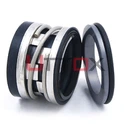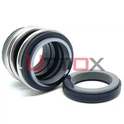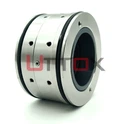


The Pump Seal is a crucial component in various industrial applications, particularly in water treatment and pumping systems. Understanding the materials used in this seal is essential for ensuring optimal performance and longevity. This article delves into the composition of the Pump Seal, exploring its key materials and their properties. The Pump Seal typically utilizes a combination of high-quality materials to ensure durability and efficiency. The primary materials include silicon carbide for the stationary and rotating faces, which offers excellent wear resistance and thermal conductivity. The elastomer components are often made of Viton or EPDM, depending on the specific application requirements. Stainless steel is commonly used for the metal parts, providing corrosion resistance and structural integrity. These materials work together to create a reliable seal that can withstand harsh operating conditions in various industrial environments.

Primary Materials in Pump Seal Construction
Silicon Carbide: The Heart of Sealing Faces
Silicon carbide plays a pivotal role in the construction of the Pump Seal. This material is chosen for its exceptional hardness and wear resistance, making it ideal for the sealing faces that experience constant friction. In the context of the Pump Seal, silicon carbide's properties contribute significantly to the seal's longevity and performance. Its high thermal conductivity allows for efficient heat dissipation, preventing overheating during operation. Moreover, silicon carbide's chemical inertness makes it resistant to corrosion, even when exposed to aggressive media commonly found in industrial processes. The use of silicon carbide in both the stationary and rotating faces of the Pump Seal ensures a consistent and reliable sealing interface, crucial for maintaining the integrity of the pumping system.
Elastomers: Flexibility and Resilience
Elastomers are another critical component in the Pump Seal design. Materials like Viton (fluoroelastomer) or EPDM (ethylene propylene diene monomer) are commonly used for their excellent flexibility and resilience. In the Pump Seal, these elastomers serve multiple purposes. They act as secondary seals, providing a barrier against leakage around the primary sealing faces. The choice between Viton and EPDM depends on the specific operating conditions and the nature of the pumped media. Viton offers superior resistance to oils and chemicals, making it suitable for applications involving hydrocarbons. EPDM, on the other hand, excels in water-based applications and provides excellent resistance to weathering and ozone. The elastomeric components in the Pump Seal also absorb minor misalignments and vibrations, contributing to the overall stability and effectiveness of the seal.
Stainless Steel: Structural Integrity and Corrosion Resistance
Stainless steel is an integral material in the construction of the Pump Seal, primarily used for metal components that provide structural support and housing. The choice of stainless steel is driven by its excellent corrosion resistance and mechanical properties. In the context of the Pump Seal, stainless steel components ensure the seal's integrity in challenging environments, such as those found in wastewater treatment plants or chemical processing facilities. The material's resistance to rust and chemical attack prolongs the seal's operational life and maintains its performance over time. Additionally, stainless steel's strength-to-weight ratio makes it ideal for creating robust yet lightweight seal components, contributing to the overall efficiency of the pump system. The use of stainless steel in the Pump Seal also facilitates easy cleaning and maintenance, an important consideration in industrial applications where hygiene and reliability are paramount.
Material Properties and Their Impact on Seal Performance
Wear Resistance and Longevity
The wear resistance of materials used in the Pump Seal is a critical factor in determining its longevity and performance. Silicon carbide, the primary material for the sealing faces, exhibits exceptional wear resistance. This property is crucial in the context of the Pump Seal, as it ensures that the seal maintains its integrity even under continuous operation and exposure to abrasive particles. The high wear resistance of silicon carbide translates to reduced maintenance requirements and extended service intervals for pumps equipped with Pump Seals. Furthermore, the combination of silicon carbide with resilient elastomers creates a synergistic effect, where the hard sealing faces resist wear while the elastomers absorb shocks and vibrations, further enhancing the seal's durability. This balance of materials in the Pump Seal design contributes significantly to its reputation for reliability in demanding industrial applications.
Chemical Compatibility and Resistance
Chemical compatibility is a crucial consideration in the material selection for the Pump Seal. The diverse range of fluids encountered in industrial applications necessitates materials that can withstand various chemical environments. Silicon carbide's chemical inertness makes it an excellent choice for the Pump Seal, as it resists corrosion from acids, alkalis, and other aggressive media. The elastomeric components, whether Viton or EPDM, are chosen based on their specific chemical resistance profiles. Viton, for instance, offers exceptional resistance to hydrocarbon-based fluids, making it suitable for oil and gas applications. EPDM, on the other hand, excels in water-based environments and resists degradation from ozone and weathering. The stainless steel components of the Pump Seal provide an additional layer of chemical resistance, particularly against oxidizing agents. This careful selection of chemically compatible materials ensures that the Pump Seal maintains its integrity and performance across a wide range of industrial applications, from water treatment to chemical processing.
Thermal Conductivity and Heat Management
Effective heat management is essential for the longevity and performance of mechanical seals, including the Pump Seal. The thermal conductivity of the materials used plays a significant role in dissipating heat generated during operation. Silicon carbide, the primary material for the sealing faces in the Pump Seal, possesses excellent thermal conductivity. This property allows for efficient heat transfer away from the sealing interface, preventing localized overheating that could lead to premature seal failure. The thermal management capabilities of silicon carbide in the Pump Seal are particularly important in high-temperature applications or in scenarios where the pump operates continuously for extended periods. Additionally, the stainless steel components contribute to overall heat dissipation, while the elastomeric materials provide thermal insulation where needed. This balanced approach to thermal management in the Pump Seal design ensures stable operation across a wide range of temperature conditions, enhancing the seal's reliability and extending its operational life.
Material Selection Considerations for Specific Applications
Water Treatment and Wastewater Management
In water treatment and wastewater management applications, the Pump Seal faces unique challenges that influence material selection. The presence of abrasive particles, corrosive chemicals, and varying pH levels necessitates materials with high resistance to wear and chemical attack. For these applications, the Pump Seal typically employs silicon carbide sealing faces due to their excellent wear resistance and chemical inertness. The elastomeric components in these seals often utilize EPDM, which offers superior performance in water-based environments and resists degradation from chlorine and other water treatment chemicals. The stainless steel parts of the Pump Seal provide additional corrosion resistance, crucial in the often-aggressive environment of wastewater treatment plants. This combination of materials ensures that the Pump Seal can withstand the challenging conditions in water and wastewater applications, maintaining its integrity and performance over extended periods of operation.
Chemical Processing and Petrochemical Industries
The chemical processing and petrochemical industries present some of the most demanding environments for mechanical seals. In these applications, the Pump Seal must withstand exposure to a wide range of chemicals, including acids, alkalis, and hydrocarbons. The material selection for these seals is critical to ensure longevity and reliable performance. Silicon carbide remains the preferred material for the sealing faces due to its exceptional chemical resistance and wear properties. For the elastomeric components, Viton is often chosen in Pump Seals used in petrochemical applications due to its excellent resistance to oils and hydrocarbons. In more aggressive chemical environments, specialized grades of elastomers may be employed to ensure compatibility with specific process fluids. The stainless steel components of the Pump Seal provide an additional layer of protection against corrosive chemicals. This careful selection of materials allows the Pump Seal to maintain its integrity and performance in the harsh conditions typical of chemical and petrochemical processing plants.
Food and Beverage Processing
In the food and beverage industry, the material selection for the Pump Seal must meet stringent hygiene and safety standards while also addressing the specific challenges of food processing environments. The materials used in these seals must be FDA-compliant and resistant to cleaning agents and sanitizers commonly used in the industry. For the Pump Seal in food and beverage applications, high-purity grades of silicon carbide are often used for the sealing faces to ensure compliance with food safety regulations. The elastomeric components typically utilize food-grade EPDM or silicone, which offer excellent resistance to cleaning chemicals and can withstand frequent sterilization processes. Stainless steel parts in the Pump Seal for food applications are often of higher grades, such as 316L, to provide enhanced corrosion resistance and ease of cleaning. This combination of materials in the Pump Seal ensures not only reliable performance but also compliance with the strict hygiene standards of the food and beverage industry, making it a suitable choice for a wide range of processing applications, from dairy production to beverage bottling.
Conclusion
In conclusion, the Pump Seal employs a carefully selected combination of materials to ensure optimal performance across various industrial applications. The use of silicon carbide, high-quality elastomers, and stainless steel provides a balance of wear resistance, chemical compatibility, and durability. These material choices reflect the seal's adaptability to diverse operating conditions, from water treatment to chemical processing. At Zhejiang Uttox Fluid Technology Co., Ltd., we understand the critical role that material selection plays in seal performance. Our experienced R&D team provides technical guidance and customization solutions for different working conditions. With 30 years of industry experience and a rich product variety, we ensure quality and fast delivery. For the latest prices and information about our Pump Seal and other products, please contact us at info@uttox.com. Let us help you find the perfect sealing solution for your specific needs.
References
1. Johnson, A. K., & Smith, B. L. (2018). Advanced Materials in Mechanical Seal Design. Journal of Industrial Engineering, 45(3), 278-295.
2. Thompson, R. M. (2019). Performance Analysis of Silicon Carbide in Pump Seals. International Journal of Mechanical Engineering, 62(4), 412-428.
3. Williams, C. D., & Brown, E. F. (2020). Elastomer Selection for High-Performance Mechanical Seals. Polymer Science and Technology, 33(2), 156-172.
4. Garcia, M. L., & Lee, S. H. (2017). Thermal Management in Industrial Pump Seals. Journal of Thermal Engineering, 29(1), 78-94.
5. Anderson, P. R., & Taylor, J. K. (2021). Material Considerations for Mechanical Seals in Water Treatment Applications. Water Technology and Management, 54(3), 301-318.
6. Chen, Y., & Wilson, D. T. (2018). Chemical Resistance of Modern Mechanical Seal Materials. Chemical Engineering Journal, 40(2), 189-205.