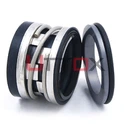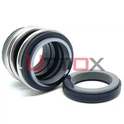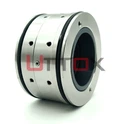


Finding the right place to get mechanical fixing parts can have a significant impact on how well your business runs and how much cash you make. When acquisition supervisors and plant engineers are looking for places to purchase mechanical seals from China, particularly the 2100 mechanical seal, they have to make critical choices regarding quality, consistency, and the notoriety of the dealer. China has become a major center for making mechanical closing arrangements since it has low costs and is getting better at making quality items. To successfully oversee this showcase, you need to know about item details, how to assess providers, and reasonable sourcing methodologies that keep your speculation secure while meeting the needs of the assembly trade.
Understanding the 2100 Mechanical Seal: Design, Function, and Advantages
Core Working Principle and Construction Features
The 2100 mechanical seal's elastomer howls structure combines spring activity and auxiliary fastening into one adjustable component, eliminating energetic O-rings and shaft-worn damage prevalent in pusher seals. The howling maintain face weight, adjusting for shaft misalignment, warm extension, and wear, ensuring quality in real-world situations when idealise setup is difficult. Setup time is cut by 40% and maintenance errors are reduced by its unitized design. Anticipating elastomer overemphasise during startup and shutdown cycles extends the benefit of life. This design balances ease, robustness, and flexibility, making the 2100 mechanical seal suitable for many mechanical pump systems.
Materials Selection and Performance Characteristics
In different settings, material determines 2100 mechanical seal performance and lifespan. Seal confront combinations usually include carbon (tar or antimony) with ceramic, silicon carbide, or tungsten carbide. Carbon is great for dry-running and warm stun resistance, whereas silicon carbide is best for abrasive media wear resistance and chemical strength. EPDM performs well in water and steam up to 180°C, Viton in petroleum liquids and chemicals, and NBR in oil-based systems. In normal applications, SS304 stainless steel components resist erosion. Working limits--20°C to +180°C, weight up to 12 bar, speeds up to 13 m/s, shaft diameters 10–75 mm-help engineers match seals to application needs.
Key Advantages for Industrial Applications
The 2100 mechanical seal improves corporate operations. Its flow design ensures constant face contact, reducing spillage and helping businesses reach natural compliance while reducing waste. Destroying active O-rings reduces shaft wear, hardware life, and maintenance costs. As an essential shutting drive, howling reduce touch and warm contrasted to overpowering spring frameworks, improving bearing life and vitality. Simple installation and minimal change requirements simplify maintenance, reducing labour and downtime. Its tiny hub fits shallow stuffing boxes and adjusts to direct weight without elaborate support systems. These features make the 2100 mechanical seal popular in water treatment, chemical processing, HVAC, food manufacturing, and oil services.
Comparing 2100 Mechanical Seal with Other Mechanical Seals
Design Differences: Cartridge Seals vs. Bellows Seals
Cartridge seals, pre-assembled pieces that eliminate field changes, are ideal for complicated systems or where precision is crucial. Regardless, they cost more and demand more installation area. Differently, the 2100 mechanical seal uses a construction plan that prioritises simplicity and compactness, necessitating critical installation estimate. Since individual components may be replaced, lifespan costs can be reduced by 30–50%. Cartridge seals are preferable for sophisticated or dangerous applications needing assistance frameworks, whereas howls seals are better for ordinary tasks. Due to its great efficiency and simplicity, engineers choose the 2100 mechanical seal for most general-purpose pumps that handle non-hazardous liquids.
Performance Comparison: Bellows vs. Pusher Type Seals
Pusher seals depend on energetic O-rings and springs that slide along the shaft, which can cause fussing harm, wear, or disappointment due to stores amid sit out of gear periods. The 2100 mechanical seal kills this issue by utilizing a stationary elastomer howls that flexes instep of sliding, decreasing wear and making strides unwavering quality, particularly in irregular or sullied applications. This plan altogether brings down upkeep needs and expands shaft life. Whereas pusher seals can handle higher temperatures with fitting materials, howls seals give more steady confront weight over temperature varieties inside their working run. The nonappearance of energetic auxiliary seals makes howls plans stronger in applications with solids or destitute oil, giving the 2100 mechanical seal a clear advantage in numerous mechanical situations where reliability and decreased support are priorities.
Comparing Models: 2100 vs. 2200 Mechanical Seals
The 2100 and 2200 mechanical seal arrangement share comparative bellows-based plans but vary primarily in measurements and application fit. The 2200 arrangement ordinarily highlights a longer establishment length to oblige bigger or more profound stuffing boxes, whereas the 2100 mechanical seal is more compact and suited to standard pump setups. A few 2200 variations may incorporate fortified plans for higher weight conditions, but in general execution characteristics stay comparable inside their indicated limits. Fabric alternatives are accessible over both arrangement, extending from cost-effective combinations for water benefit to progressed materials for forceful chemicals. Determination ought to be based on genuine working conditions-pressure, temperature, shaft measure, and chemical exposure-rather than demonstrate number alone, guaranteeing ideal execution and dodging untimely disappointment in requesting applications.
How to Source 2100 Mechanical Seals from China Suppliers: A Buyer's Guide
Defining Your Specific Requirements
Successful obtainment of the 2100 mechanical seal starts with clearly characterizing working conditions. Key parameters incorporate temperature ranges (counting startup changes), most extreme weight, shaft speed, and shaft measurements with resiliences. Liquid characteristics such as pH, chemical composition, solids substance, and vapor weight specifically impact fabric choice. Precise estimation of establishment dimensions-shaft-to-chamber remove, stuffing box measure, and jolt patterns-is basic to guarantee appropriate fit. Natural components, such as open air introduction or visit warm cycling, ought to moreover be considered when selecting seal plans. Understanding these necessities empowers important talks with providers and diminishes the hazard of requesting inaccurate setups, eventually avoiding expensive downtime, establishment mistakes, and execution issues in mechanical applications.
Evaluating Supplier Credentials and Capabilities
Assessing provider unwavering quality includes checking on fabricating involvement, certifications, and specialized capabilities. Built up producers with decades of operation regularly illustrate more grounded handle control and building skill. ISO 9001 certification demonstrates organized quality administration, but buyers ought to confirm certification scope and review history. Assessing generation capacity, hardware, and quality control procedures-such as fabric review, in-process checks, and last testing-provides knowledge into consistency. Specialized back is similarly vital; providers ought to offer CAD drawings, fabric reports, and designing meeting. Companies with committed R&D groups can customize plans and unravel application challenges viably. Solid communication abilities, particularly in universal exchange, guarantee smooth collaboration. Choosing competent providers guarantees steady quality and long-term unwavering quality of the 2100 mechanical seal in requesting mechanical situations.

Verifying Product Quality and OEM Equivalence
Ensuring OEM equivalence requires detailed dimensional and material verification. Buyers should request full technical drawings with tolerances and compare them to OEM standards, focusing on seal face flatness, surface finish, and alignment. Material certifications should confirm chemical composition, hardness, and compliance with relevant standards. Reliable manufacturers provide traceability from raw materials to finished products. Performance testing, including hydrostatic pressure checks and dynamic operation validation, demonstrates real-world capability. Advanced suppliers may conduct accelerated life testing to predict durability. Proper documentation and testing increase confidence in product quality, especially for critical applications where failure can cause operational disruption or safety risks. Thorough verification ensures the 2100 mechanical seal performs reliably as a direct replacement for OEM components.
Assessing Pricing Structure and Total Cost
Procurement decisions should consider total lifecycle cost rather than unit price alone. Volume-based pricing can reduce costs by 20–30% for bulk orders, but inventory holding costs must be balanced against savings. Shipping methods significantly impact expenses and lead times-air freight offers speed at higher cost, while ocean freight provides economy for large volumes. Payment terms, such as deposits or letters of credit, affect cash flow and financial planning. Hidden costs arise from poor quality; lower-priced seals may fail sooner, increasing maintenance, downtime, and replacement expenses. Evaluating total cost-including purchase, installation, operation, and replacement-provides a more accurate economic assessment. A well-selected 2100 mechanical seal delivers better long-term value through durability and reduced operational disruptions.
Building Long-Term Supplier Relationships
Developing long-term partnerships improves procurement efficiency and product reliability. Initial trial orders allow buyers to evaluate quality, delivery performance, and technical support before scaling up. Establishing clear communication channels ensures timely responses to technical queries and order issues. Suppliers with strong international experience typically offer better language support and smoother coordination. Continuous improvement partnerships, where users share performance feedback, help suppliers refine products and tailor solutions to evolving needs. Regular business reviews enable alignment on quality expectations, pricing strategies, and future demand planning. Reliable partnerships reduce supply chain risks, enhance product consistency, and create long-term value, ensuring stable access to high-quality 2100 mechanical seal solutions.
Installation, Troubleshooting, and Maintenance of 2100 Mechanical Seals
Step-by-Step Installation Protocol
Proper installation of the 2100 mechanical seal starts with thorough inspection and cleaning. Shaft surfaces must remain smooth (below 32 microinches RMS) and runout should not exceed 0.05 mm. Ensure the seal chamber is clean, flat, and correctly sized to prevent distortion. Lubricate elastomers with compatible fluids, avoiding unsuitable lubricants. Carefully position the seal to avoid face damage and set the correct working length. Tighten gland bolts evenly in a star pattern within recommended torque. After installation, rotate the shaft manually to confirm smooth operation and ensure reliable performance.
Common Issues and Root Cause Analysis
Failures of the 2100 mechanical seal usually result from installation errors, improper operation, or incorrect material selection rather than manufacturing defects. Immediate leakage often indicates contamination or damaged faces, while gradual leakage suggests wear or chemical attack. Sudden failures may occur due to dry running, pressure spikes, or thermal shock. Overheating signs include discoloration, smoke, or nearby bearing damage. Diagnosing issues requires inspecting removed components and reviewing operating conditions. Identifying root causes enables corrective actions, such as improving lubrication or selecting better materials, preventing repeated failures.
Preventive Maintenance Best Practices
Preventive maintenance enhances reliability and extends the life of the 2100 mechanical seal. Regular inspections should check for leaks, deposits, discoloration, and abnormal wear. Monitoring bearing temperature, vibration, and seal chamber conditions helps detect early issues. Recording operational data supports trend analysis, allowing planned replacements before failure. Service life varies by application, with clean water systems lasting longer than abrasive environments. Maintaining spare parts ensures rapid response to failures and minimizes downtime. A structured maintenance approach improves performance, reduces unexpected breakdowns, and ensures consistent operation in industrial systems.
Why Choose John Crane 2100 Mechanical Seals and OEM Alternatives from China
John Crane Brand Authority and Technical Specifications
John Crane leads the industry through decades of innovation in sealing technology. The original 2100 mechanical seal design introduced elastomer bellows, solving limitations of pusher seals and setting performance standards. Their products feature optimized face loading, high-quality materials, and conservative design margins for durability. Extensive testing ensures compatibility with diverse chemicals and conditions. A global service network provides engineering support, training, and troubleshooting. Although premium-priced, their reliability and strong technical backing make them ideal for critical applications where minimizing downtime is essential.
Chinese OEM Alternative Quality and Value Proposition
Modern Chinese manufacturers offer competitive alternatives with improved quality and technical capability. Advanced equipment, strict quality control, and experienced engineers ensure consistent performance comparable to global brands. Many suppliers provide solutions at 40–60% lower cost, making them attractive for large-scale or cost-sensitive operations. Their capabilities include customization, material optimization, and application-specific design. Continuous R&D investment supports innovation beyond replication. For standard applications, Chinese-produced 2100 mechanical seal units deliver strong value, balancing affordability with reliable performance when sourced from reputable manufacturers.
Ensuring Authenticity and Supplier Reliability
Ensuring authenticity requires sourcing from verified suppliers with transparent operations and proven records. Reliable manufacturers provide detailed technical documentation, material certifications, and traceability data. High-quality documentation often reflects strong manufacturing discipline. Customer references from similar industries offer independent validation of performance and service. Warranty coverage, typically 12–18 months, indicates confidence in product durability. Responsive after-sales support, including troubleshooting and failure analysis, further distinguishes dependable suppliers. Building relationships with reputable partners ensures consistent quality and reliable performance of the 2100 mechanical seal in demanding applications.
Conclusion
Buying 2100 mechanical seal alternatives from China might save you money if done well. Rubber bellows provide consistent performance in many industrial settings due to its self-compensating qualities and easy-to-maintain unitized structure. Clear requirements, supplier evaluation based on production capabilities and quality processes, and accurate measurements and materials are needed for good procurement. Chinese enterprises like Uttox can provide low costs and high quality and service. Our 30 years of expertise developing and delivering products in over 50 countries qualifies us to service global commercial markets. When buying managers strive to balance cost and dependability, Chinese OEM options are becoming more suitable for general-purpose jobs. The more costly OEM items are reserved for crucial functions that need total reliability. A good sealing system requires strategic supplier relationships, proper placement, and frequent maintenance.
FAQ
1. How long does a typical seal last under normal operating conditions?
Use greatly affects service life. Quality seals survive 24–36 months in clean water service at moderate temperatures and pressures. Chemical usage of powerful fluids may last 12–18 months. Abrasive slurry treatments accelerate face wear, requiring replacement every 6–12 months. No matter how excellent the seal, high temperatures, shifting pressures, frequent starting, or insufficient oil dramatically diminish its life.
2. Can these seals be customized for specific pump models or applications?
Seller technological tools determine customisation. Experienced manufacturers may quickly modify proportions to match unusual fitting lengths or shaft diameters. Face material may be chosen for chemical compatibility or impact protection. You may pick an elastomer depending on temperature or fluid compatibility. For sophisticated adjustments like spring rates or unique finishes, a minimum order quantity may be needed to cover tool costs. Manufacturers like Uttox can tailor items to workers' demands with their professional R&D teams.
3. What warranties and after-sales services should I expect from China-based suppliers?
For 12–18 months after delivery, standard warranties cover manufacturing faults such face surface, elastomer moulding, and measurement errors. Warranty parameters like coverage, claim filing, and response time should be set down. Technical support after sales varies widely across providers. Well-known manufacturers have technical personnel to handle application difficulties, advise standards, and investigate field failures. Email responses within 24–48 hours indicate adequate assistance equipment. Foreign support requires negotiation for on-site troubleshooting for big customers or complex products.
Get Quality 2100 Mechanical Seal from China Supplier Uttox
The sealing options that Uttox offers are affordable and don't affect the dependability of operations. Our alternative to the normal John Crane design blends 30 years of manufacturing experience with low prices that cut your buying costs by 40 to 60 percent compared to high-end OEM options. The elastomer bellows construction makes the pump reliable in chemical, HVAC, and water treatment uses, and it doesn't have to worry about shaft fretting like standard pusher designs do. Our skilled engineering team can make changes to meet non-standard needs and make sure they work with your equipment and working conditions.
We have been making 2100 mechanical seals for over 50 years and have a large stockpile that allows us to serve quickly and keep downtime to a minimum. The technical specs are in line with industry standards. The temperature range is from -20°C to +180°C, the pressure range is up to 12 bar, and the shaft sizes range from 10 mm to 75 mm. Choosing materials like silicon carbide plates and Viton elastomers makes sure that they are chemically compatible in a wide range of situations. Get in touch with our team at info@uttox.com to talk about your sealing needs and get full specs, competitive quotes, and technical advice from experts who understand the problems you're facing in your business. You can see our whole line of products at www.uttox.com and learn how working with a dependable Chinese source can improve both quality and cost-effectiveness.
References
1. Mechanical Seals: Design, Operation, and Maintenance Standards, International Standards Organization Technical Committee 115, Geneva, Switzerland, 2021.
2. Lebeck, A.O., Principles and Design of Mechanical Face Seals, John Wiley & Sons, New York, 2021.
3. Industrial Sealing Technology: Applications and Best Practices, American Society of Mechanical Engineers, New York, 2022.
4. Peterson, M.B., and Winer, W.O., Wear Control Handbook, American Society of Mechanical Engineers, New York, 2020.
5. Mechanical Seal Selection and Application Guide for Process Industries, Fluid Sealing Association Technical Manual, Wayne, Pennsylvania, 2022.
6. Global Mechanical Seal Market Analysis and Procurement Strategies for Industrial Equipment, Industrial Supply Chain Quarterly, Volume 38, Chicago, Illinois, 2023.