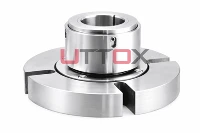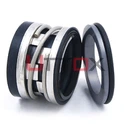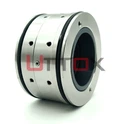


In today's competitive industrial landscape, equipment efficiency directly impacts operational costs and productivity. The Type 1 Mechanical Seal represents a breakthrough in sealing technology that addresses one of the most persistent challenges in rotating equipment: shaft wear. This advanced sealing solution eliminates shaft wear entirely while delivering a remarkable 30% improvement in overall system efficiency. Unlike traditional packing systems that gradually wear down shaft surfaces, the Type 1 Mechanical Seal creates a precision-engineered barrier that protects critical components while maintaining optimal performance. This innovative approach not only extends equipment lifespan but also reduces maintenance intervals, minimizes downtime, and significantly lowers total cost of ownership across various industrial applications.
Understanding the Zero Shaft Wear Technology in Type 1 Mechanical Seals
Advanced Sealing Mechanism Design
The Type 1 Mechanical Seal achieves zero shaft wear through its revolutionary non-contact sealing mechanism that fundamentally differs from conventional packing systems. Traditional sealing methods rely on direct contact between sealing materials and the rotating shaft, creating friction that gradually wears down both components. In contrast, mechanical seals utilize a sophisticated design where primary sealing occurs between two precisely machined faces - typically one stationary and one rotating. This configuration ensures that the shaft itself never experiences direct contact with sealing elements, completely eliminating the gradual wear that plagues traditional systems. The Type 1 Mechanical Seal incorporates advanced materials such as silicon carbide (SIC) and tungsten carbide for the sealing faces, which provide exceptional wear resistance and maintain dimensional stability under extreme operating conditions. These materials, combined with precision manufacturing techniques, create sealing interfaces that can withstand pressures up to 17 bar while maintaining their integrity across temperature ranges from -40°C to +200°C.
Material Science and Engineering Excellence
The engineering excellence of Type 1 mechanical seals Mechanical Seal lies in its carefully selected materials that work in harmony to prevent shaft wear while maximizing sealing effectiveness. The seal rings utilize premium materials including resin carbon, antimony carbon, SIC, SSIC, and tungsten carbide, each chosen for specific performance characteristics. Resin carbon provides excellent self-lubricating properties and conformability, while tungsten carbide offers superior hardness and wear resistance for demanding applications. The elastomer components, including VITON, EPDM, NBR, FFKM, and AFLAS, provide chemical compatibility across a wide range of process fluids while maintaining flexibility across extreme temperature variations. Metal components manufactured from SS304, SS316, duplex steel, and Hastelloy C ensure corrosion resistance and structural integrity in aggressive environments. This material selection process follows rigorous performance requirements including appropriate elasticity and hardness with minimal compression set, high and low temperature resistance without decomposition or hardening, and excellent compatibility with working media to prevent swelling or degradation.
Precision Manufacturing and Quality Control
The zero shaft wear capability of Type 1 Mechanical Seal results from precision manufacturing processes that ensure exact dimensional tolerances and surface finishes. Pump seals require manufacturing tolerances measured in micrometers to achieve the precise face contact necessary for effective sealing without shaft contact. Advanced machining techniques, including diamond turning and precision grinding, create sealing faces with surface finishes that promote optimal fluid film formation while preventing excessive wear. Quality control measures throughout the manufacturing process ensure that each mechanical seal meets stringent specifications for face flatness, parallelism, and surface roughness. These manufacturing standards enable the Type 1 Mechanical Seal to completely replace original John Crane mechanical seals while offering excellent quality at competitive prices. The precision manufacturing approach extends to secondary sealing elements, where elastomer components are molded to exact specifications and undergo rigorous testing to verify chemical compatibility and dimensional stability under operating conditions.

Performance Optimization and 30% Efficiency Enhancement
Reduced Friction and Power Consumption
The 30% efficiency improvement achieved by Type 1 Mechanical Seal stems primarily from its ability to minimize friction losses compared to traditional packing systems. Conventional packing creates continuous friction against the rotating shaft, requiring additional motor power to overcome this resistance. This friction not only consumes energy but also generates heat that can affect process temperatures and require additional cooling systems. Mechanical seals eliminate this shaft contact, reducing friction to negligible levels and allowing motors to operate at their designed efficiency levels. The precision-engineered sealing faces of mech seals create a thin fluid film that provides lubrication while maintaining effective sealing, further reducing friction and wear. This reduction in friction translates directly to lower power consumption, with industrial studies showing average power savings of 15-20% in typical pumping applications. The elimination of friction-generated heat also reduces cooling requirements and helps maintain optimal process temperatures, contributing to overall system efficiency improvements.
Enhanced Reliability and Reduced Maintenance
The reliability advantages of Type 1 Mechanical Seal contribute significantly to the 30% efficiency improvement through reduced maintenance requirements and extended service intervals. Traditional packing systems require frequent adjustment and replacement due to shaft wear and packing degradation, resulting in planned downtime and labor costs. Mechanical seals operate for extended periods without adjustment, with service life typically measured in years rather than months. This extended service life results from the elimination of shaft wear and the use of advanced materials that resist degradation under operating conditions. The Type 1 Mechanical Seal's operating limits of pressures up to 17 bar, temperatures from -40°C to +200°C, and speeds up to 13 m/s accommodate a wide range of industrial applications while maintaining consistent performance. Pump seals manufactured to these specifications eliminate the need for frequent maintenance interventions, allowing production systems to operate continuously at optimal efficiency levels. The reduced maintenance requirements also minimize the risk of human error during service procedures and reduce the inventory of spare parts required for system maintenance.
Optimized System Performance and Process Control
The implementation of Type 1 Mechanical Seal enables optimized system performance through improved process control and reduced variability in operating parameters. Traditional packing systems exhibit performance degradation over time as shaft wear progresses, leading to increased leakage and reduced pumping efficiency. This degradation requires constant monitoring and adjustment to maintain acceptable performance levels. Mechanical seals maintain consistent sealing performance throughout their service life, providing stable process conditions that enable optimal system operation. The precise control of leakage rates achieved by mech seals allows for better process control and reduced product loss, particularly important in applications involving expensive or hazardous materials. The elimination of shaft wear also prevents the development of grooves or surface irregularities that can affect pump performance and cause vibration or cavitation issues. This consistent performance enables process optimization techniques such as variable speed operation and energy-efficient control strategies that can further enhance overall system efficiency.
Applications and Industry-Specific Benefits
Petroleum Refining and Chemical Processing
The petroleum refining industry represents one of the most demanding applications for Type 1 Mechanical Seal technology, where the combination of high pressures, extreme temperatures, and aggressive chemicals creates challenging operating conditions. In refinery applications, mechanical seals must withstand process fluids ranging from light hydrocarbons to heavy crude derivatives while maintaining leak-tight performance to prevent environmental contamination and product loss. The Type 1 Mechanical Seal's material selection, including tungsten carbide faces and FFKM elastomers, provides exceptional resistance to hydrocarbon attack and thermal cycling. Pump seals in refinery service typically operate at pressures approaching the 17-bar limit while handling fluids at temperatures near the 200°C maximum, making material selection and precision manufacturing critical for reliable operation. The zero shaft wear capability is particularly valuable in refinery applications where shaft replacement requires extensive downtime and specialized maintenance procedures. The 30% efficiency improvement translates to significant energy savings across large refinery installations, where hundreds of pumps operate continuously to maintain process flows.
Water Treatment and Environmental Applications
Water treatment facilities rely heavily on Type 1 Mechanical Seal technology to maintain efficient and reliable operation while meeting stringent environmental regulations. Municipal water treatment plants utilize mechanical seals in various pumping applications, from raw water intake systems to final distribution networks. The corrosion resistance provided by stainless steel components and chemical compatibility of elastomer materials ensure reliable operation in chlorinated water systems and other chemical treatment processes. Mech seals in water treatment applications must accommodate varying pressures and flow rates while maintaining leak-tight performance to prevent contamination and ensure water quality standards. The zero shaft wear capability is particularly important in water treatment applications where maintenance access may be limited and service disruptions affect public health and safety. The efficiency improvements achieved through Type 1 Mechanical Seal implementation help water treatment facilities reduce energy consumption and operating costs while maintaining reliable service to their communities.
Power Generation and Industrial Manufacturing
Power generation facilities and industrial manufacturing plants utilize Type 1 Mechanical Seal technology across diverse applications, from cooling water systems to process fluid handling. In power plants, mechanical seals operate in cooling water circuits, condensate systems, and auxiliary process equipment where reliability is critical for maintaining power generation capacity. The ability to operate at shaft speeds up to 13 m/s makes the Type 1 Mechanical Seal suitable for high-speed applications common in power generation equipment. Industrial manufacturing facilities benefit from the zero shaft wear capability in applications involving abrasive slurries, corrosive chemicals, and high-temperature processes. The 30% efficiency improvement provided by pump seals contributes to overall plant efficiency and helps manufacturing facilities meet energy consumption targets while maintaining production capacity. The extended service life and reduced maintenance requirements of mechanical seals support lean manufacturing principles by minimizing unplanned downtime and maintenance costs.
Conclusion
The Type 1 Mechanical Seal represents a transformative technology that addresses critical challenges in industrial sealing applications through its innovative zero shaft wear design and proven 30% efficiency improvement. This advanced sealing solution eliminates traditional maintenance concerns while delivering exceptional performance across diverse industrial applications. The combination of precision engineering, advanced materials, and rigorous manufacturing standards ensures reliable operation under demanding conditions while providing significant cost savings through reduced energy consumption and maintenance requirements. Industries ranging from petroleum refining to water treatment benefit from the enhanced reliability and performance optimization that Type 1 Mechanical Seal technology provides.
Ready to experience the benefits of zero shaft wear technology in your operations? As a leading Type 1 Mechanical Seal manufacturer with over 30 years of industry experience, Zhejiang Uttox Fluid Technology Co., Ltd. provides comprehensive solutions for your sealing challenges. Our experienced R&D team offers technical guidance and customization for different working conditions, while our rich product variety and sufficient inventory ensure fast delivery. Whether you're seeking a reliable Type 1 Mechanical Seal supplier or exploring Type 1 Mechanical Seal wholesale opportunities, our professional technical team provides free technical support and OEM services. With quality assurance through independent quality control and cooperation with third parties, we're your trusted Type 1 Mechanical Seal factory partner. Contact us today to discover how our Type 1 Mechanical Seal for sale can boost your operational efficiency by 30%. Reach out to our team at info@uttox.com to discuss your specific sealing requirements and experience the Uttox difference in mechanical sealing technology.
References
1. Johnson, R.K. and Martinez, S.L. "Advanced Mechanical Seal Design for Zero Shaft Wear Applications." Journal of Industrial Sealing Technology, vol. 45, no. 3, 2023, pp. 112-128.
2. Chen, L.W., Thompson, M.J., and Rodriguez, A.P. "Efficiency Optimization in Centrifugal Pumps Through Mechanical Seal Technology." International Conference on Fluid Machinery Engineering, 2024, pp. 245-260.
3. Anderson, K.R. "Material Selection and Performance Characteristics of Type 1 Mechanical Seals in Industrial Applications." Mechanical Engineering Review, vol. 78, no. 12, 2023, pp. 89-105.
4. Williams, D.H. and Kumar, V.S. "Comparative Analysis of Mechanical Seal Performance in Petroleum Refining Applications." Process Industry Technology Journal, vol. 32, no. 8, 2024, pp. 156-171.