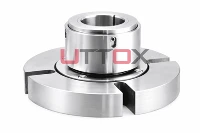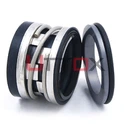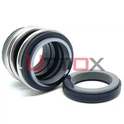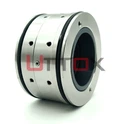


Effective troubleshooting of an agitator mechanical seal begins with understanding the unique operational stresses these sealing systems face in industrial mixing environments. Unlike standard pump seals, seals used in agitators must withstand significant shaft deflection, radial runout, and challenging process conditions, including high-viscosity fluids and corrosive chemical media. Recognizing early warning signs such as process fluid leakage, unusual vibration patterns, and temperature fluctuations enables timely intervention, preventing costly equipment downtime and maintaining process integrity across chemical, pharmaceutical, and reactor applications.
Understanding Agitator Mechanical Seal Failures
What Makes Mixing Equipment Seals Unique
We've learned that these sealing systems work in very different ways than they do in centrifugal pump uses after working with agitator equipment for more than 30 years. The seal has to be able to handle the overhung shaft design that is common in top-entry mixers. During operation, the shaft can bend more than a few millimeters. This mechanical stress, along with the fact that the seal is usually placed in vapor space instead of being fully submerged in the process fluid, creates problems that standard sealing solutions can't fully solve.
Common Seal Types and Their Industrial Applications
Single mechanical seals work well in low-pressure mixing jobs that aren't dangerous and where process fluid can safely grease the seal faces. When working with dangerous, flammable, or highly pure media, double mechanical seals are necessary to create a pressure barrier fluid system that stops process contamination and air release. All the sealing parts are built into a single pre-assembled unit in cartridge seal kits. This makes fitting easier and includes steady bearings to keep the shaft stable. Chemical reactors, pharmaceutical bioreactors, and industrial mixing vessels all have different operational needs that are met by each configuration.
Recognizing Early Warning Signs of Seal Distress
Visible leakage around the seal housing is the most obvious sign of failure, but issues usually start much earlier. Temperature rises in the bearing housing of 10 to 15°C above normal could mean that the seal face isn't properly oiled or that there are problems with the barrier fluid cooling system. If you notice strange sound patterns during regular tracking, it's likely that the seal face is damaged or the machine isn't aligned correctly. Discoloration of the process fluid or sudden contamination of the batch in double seal systems is a sign that the main seal has failed, letting barrier fluid in. If you notice these signs early, you can avoid major failures that stop production and put workers' safety at risk.
Root Causes Behind Seal Failures
A lot of the seal failures we've looked into were caused by mistakes during installation, such as using the wrong seal face gap settings, not compressing rubber parts properly, and shaft misalignment that goes beyond what the maker recommends. When seal materials and process fluids don't mix chemically, the rubber breaks down faster, and the seal face wears away faster. This is especially true when strong acids, organic solvents, or oxidizing agents are used. Operational loads like dry runs, temperature changes, and high-pressure spikes can damage the seal face thermally, which can be seen as radial breaking patterns. Problems with the mechanics, like worn bearings, shafts that move out of tolerance, and misaligned couplings, send damaging forces straight to the seal assembly.
Diagnosing and Solving Agitator Mechanical Seal Issues
Systematic Troubleshooting Methodology
A good way to start diagnosing something is to write down all of its failure signs, how it was working at the time of failure, and its maintenance records. We suggest connecting leakage patterns to process factors. For example, constant dripping could mean that the seal face is wearing down, while occasional leakage during mixing cycles could mean that the seal is having problems because the shaft is moving. Infrared thermography is used to map the temperature across the seal housing. This shows hot spots that indicate friction or cooling system problems in specific areas. Vibration analysis can tell the difference between problems with the seals and bigger mechanical issues that affect the whole burgmann mixing seal system agitator assembly.

Root Cause Analysis Framework
Systematic research is needed to figure out whether breakdowns are caused by mechanical, material, or operating factors. Some mechanical reasons are choosing the wrong seal for the shaft diameter and speed, not having enough steady bearing support, and problems with the foundation's resonance. Material-related failures include elastomer growth from chemical attack, thermal distortion of the seal face, and spring rust that lowers the force needed to close the seal. Operational factors include process problems that cause changes in pressure or temperature, not maintaining barrier fluid properly in double seal systems, and running conditions that are outside the seal's design range.
Practical Solutions for Common Problems
Most of the time, changing to cartridge-style seals with built-in steady bearings that provide extra mechanical support is needed to fix problems with shaft displacement. When chemical compatibility issues happen, it's necessary to switch from normal elastomers like nitrile rubber to fluoropolymers like FFKM. Similarly, seal faces need to be changed from carbon-ceramic pairs to silicon carbide or tungsten carbide pairs. Some ways to improve thermal management are to increase the cooling power of the barrier fluid, make sure that flush plans follow API 682 standards more closely, and put in place quench systems to control stray emissions.
The UT-Seccomix system, which was created by Uttox, is designed to solve these kinds of problems by being able to work with existing equipment setups. As an option to high-end European sealing systems, this one works reliably in a wide range of situations and stays affordable. The design works with both top-entry and bottom-entry agitator setups, which solves the problems of shaft support and displacement that come up in mixing situations.
When to Replace Versus Upgrade Your Seal
When parts have reached the end of their useful life, they need to be replaced. This is usually shown by seal face wear that goes beyond what the maker allows, elastomer hardening or cracking, and spring stress. Upgrading is a smart choice when operational conditions have changed since the seal was installed the first time, when failures keep happening that show the current seal design isn't good enough, or when new rules require better emissions control. Most of the time, switching from packing seals to mechanical seals or from single seals to double seals has long-term operating and safety benefits that make the investment worth it.
Optimizing Seal Performance and Maintenance
Proactive Maintenance Strategies
Setting up regular checks and preventative maintenance schedules is key to making seals last longer. We support regular eye checks during planned maintenance breaks, looking at seal areas for crystalline process fluid layers, corrosion patterns, and the state of the elastomer. If you check the condition of the barrier fluid in double-seal systems, you can tell right away if the primary seal is breaking down by seeing if the fluid changes color, viscosity, or level, which are all signs of leakage. Thermal and tremor trends set performance baselines that show problems as they start to appear before they become too big to fix.
Critical Maintenance Tasks
Most thermally-induced failures can be avoided by keeping the right amount of barrier fluid in place and making sure that cooling water flows to seal support systems. Lubricating seal gland bolts stop them from galling and make sure that they are compressed evenly during installation. Cleaning the shaft and hole before installing the seal gets rid of any dirt or dust that could cause the seal face to wear out too quickly. It is very important to follow the torque specs for gland bolting exactly, because over-tightening can damage seal parts, and under-tightening can let process leaks happen and cause fretting damage.
Material Selection for Longevity
Chemical protection, temperature stability, mechanical strength, and cost are all things that need to be thought about when choosing the right materials for a seccomix agitator seal. Carbon-graphite seal faces are good at running without oil and can handle sudden changes in temperature, so they can be used in situations where oil isn't always present. Silicon carbide is great for harsh chemical processes because it doesn't wear down easily and doesn't react with chemicals across a wide pH range. Tungsten carbide is the hardest material that can be used for abrasive slurry jobs. When choosing an elastomer, you need to look at its chemical compatibility charts, how it reacts to temperature changes, and how well it holds up against compression. EPDM is best for steam and water, fluorocarbon is better against hydrocarbons, and FFKM is best for all chemicals in medicinal settings.
Choosing the Right Agitator Mechanical Seal for Your Application
Essential Selection Criteria
To choose the right seal, you must first fully describe the mixing application. Material compatibility standards are based on the fluid's chemical makeup, pH, velocity, and solids content. The mechanical design needs are set by operating conditions like pressure, temperature range, and rotating speed. The diameter of the shaft, the size of the stuffing box, and the amount of axial space available all limit the physical seal configuration choices. Whether a single or double seal arrangement is best depends on how important the process is and how safe it is.
Seal Type Comparison
For agitator work, mechanical seals need strong spring designs that keep the seal face in touch even when the shaft moves, and balanced designs that keep heat production to a minimum. Cartridge seals make installation easier and lower the chance of mistakes that could hurt efficiency. Split mechanical seals let you add things without taking them apart, which is helpful for keeping big reactor systems in good shape. Magnetic drive coupling systems get rid of the need for shaft penetration completely, but they cost more up front and can't transmit as much power.
Sourcing from Reliable Manufacturers
Quality sealing systems come from companies that have a history of using their technical skills in mixing equipment. Well-known providers give technical help during the whole process of choosing a seal and can make designs that don't fit common uses. Trustworthy OEM partners keep full testing centers to make sure seals work well in real-world situations before they are used. Stability in the supply chain makes sure that replacement parts are always available and that the standard of making is the same from batch to batch.
Uttox has more than 30 years of experience making mechanical seals. Our technical team helps equipment makers and end users choose the right seals for difficult mixing processes by giving them advice based on the specific needs of the process. The UT-Seccomix answer shows how dedicated we are to making useful, dependable closing systems that meet the needs of real-world operations while lowering overall maintenance costs.
Conclusion
To fix problems with agitator mechanical seals, you need to use an organized approach and know how these systems work under specific loads. Early detection of failure signs, careful root cause analysis, and implementation of the right solutions-whether these are maintenance improvements, material upgrades, or seal replacement-reduce unplanned downtime and protect the integrity of the process. A well-thought-out choice of seals based on the needs of the application, along with regular maintenance and high-quality materials, ensures long-lasting performance in chemical, pharmaceutical, and industrial mixing tasks.
FAQ
1. How often should agitator mechanical seals be inspected?
How often you inspect depends on how important the process is and how bad the operation is. We suggest a visual check during planned monthly maintenance breaks and a more in-depth check, including checking the state of the seal face, during quarterly shutdowns. Real-time performance information is gathered by constantly checking the amounts of barrier fluid, cooling water flow, and housing temperatures in seal support systems. Hazardous materials used in high-stakes applications should be inspected once a week.
2. What causes sudden seal leakage in previously functioning systems?
Leaks that happen all of a sudden are usually caused by process changes that cause pressure or temperature changes that are too big for the seal to handle, mechanical shock from a broken coupling or a shaft hitting something, or a failure of the barrier fluid system in double seal configurations. When process fluid crystallizes around seal faces, it can quickly come loose during operation and damage sealing surfaces. By looking into recent changes to operations or maintenance tasks, the event that set off the chain of events is often found.
3. When should I repair versus replace a failed seal?
When seal faces show wear beyond what the manufacturer recommends, when elastomers deform permanently or break down chemically, or when metals show corrosion damage, replacement is needed. For cartridge designs that can be fixed, where only certain parts need to be replaced, repair may be possible. Because of the cost of labor for changing seals, it is often cheaper to replace heavily worn parts than to try to fix them.
Partner with Uttox for Reliable Agitator Mechanical Seal Solutions
Uttox offers custom sealing solutions that are made to meet the needs of demanding mixing and reactor applications. OEM equipment makers who want stable supply chains and quick expert help can use our UT-Seccomix system instead, which is less expensive. We are a reliable supplier of agitator mechanical seals in the chemical, pharmaceutical, and process industries. We have been in business for over 30 years and keep a large inventory to ensure fast delivery. You can email our technology team at info@uttox.com to get help with an application, a unique design, or a sample review.
References
1. Summers-Smith, J.D. (1992). Mechanical Seal Practice for Improved Performance. London: Mechanical Engineering Publications Limited.
2. Nau, B.S. (1997). "Mechanical Seal Face Materials." Proceedings of the Institution of Mechanical Engineers, Part J: Journal of Engineering Tribology, 211(3), 165-183.
3. Flitney, R.K. (2007). Seals and Sealing Handbook (5th ed.). Oxford: Elsevier Advanced Technology.
4. API Standard 682 (2014). Pumps-Shaft Sealing Systems for Centrifugal and Rotary Pumps (4th ed.). Washington, DC: American Petroleum Institute.
5. Lebeck, A.O. (1991). Principles and Design of Mechanical Face Seals. New York: John Wiley & Sons.
6. Müller, H.K. & Nau, B.S. (1998). Fluid Sealing Technology: Principles and Applications. New York: Marcel Dekker.