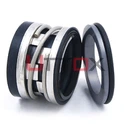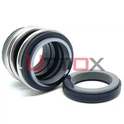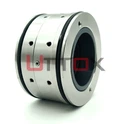


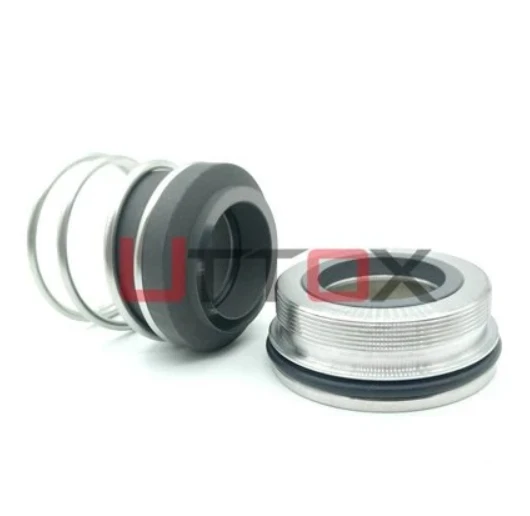
When maintaining hygienic processing equipment in food, beverage, or pharmaceutical facilities, reliable sealing performance directly impacts production safety and operational costs. The Alfa Laval mechanical seal represents a critical component in centrifugal pump systems, serving as a precision-engineered barrier between process fluids and the external environment. Designed specifically for LKH series pumps, these seals prevent contamination while withstanding the rigorous demands of CIP and SIP cleaning protocols. Understanding how these seals function and what makes them essential for sanitary applications helps equipment managers make informed decisions that protect product integrity and reduce unplanned downtime.
Understanding Alfa Laval LKH Mechanical Seals
What Makes LKH Seals Different from Standard Industrial Seals
When it comes to clean processing lines, Alfa Laval LKH pumps are the best because they can handle delicate fluids without breaking health rules. The Alfa Laval mechanical seals for these pumps are designed to load from the front, which lets maintenance teams replace worn parts without taking the whole pump assembly apart. Compared to regular back-pull-out seals, this design cuts the average time to repair by about 50%. The seal faces stay in contact with each other thanks to spring pressure. This makes a dynamic barrier that adjusts to shaft movement and temperature changes while the machine is running.
Core Operating Principles in Hygienic Environments
In cheese processing plants, a single broken lock can make thousands of liters of product dirty. This risk is taken care of by the Alfa Laval mechanical seal, which uses balanced design principles to spread hydraulic pressure evenly across the seal sides. When placed correctly, these seals keep a very thin film of fluid between the rotating and fixed faces. This film is just thick enough to keep fluid from leaking out while still letting heat escape. The shape of the seal chamber allows for full drainage during cleaning cycles, which gets rid of places where germs can hide and mess up food safety checks.
Material Certifications That Matter for Compliance
Pharmaceutical companies have to follow strict rules for validation that regular industrial seals can't handle. UTTOX makes seals with 316L stainless steel and elastomers that are FDA-compliant. All of the materials used can be tracked back to their source. The surface finish on the silicon carbide seal sides is less than 0.4µm, which meets the EHEDG standards for hygienic design. These rules make sure that seals can withstand GMP checks and the harsh cleaning agents that are used in SIP cycles that reach 140°C.
Key Features and Design Advantages of Alfa Laval LKH Mechanical Seals
Advanced Seal Face Materials for Extended Service Life
Equipment managers balancing cost control with reliability appreciate how material selection impacts total cost of ownership. This is what makes premium seal face materials so useful:
Silicon carbide faces deliver exceptional hardness (9 on the Mohs scale) and conduct heat three times better than tungsten carbide. This mix stops thermal shock breaking that happens when temperatures change quickly, which happens a lot when beverages are pasteurized. Chemically inert, the material doesn't break down in pH ranges from 0 to 14. This means it can be used with both acidic fruit juices and harsh cleaning products.
Tungsten carbide configurations suit applications involving abrasive particles in slurry processing. When working with brewing wort that contains grain bits, the material's fracture hardness keeps it from chipping. UTTOX has tungsten carbide seals with cobalt binder material that are perfect for medicinal uses where metal ion contamination is a worry.
Carbon graphite faces provide a cost-effective choice for low-pressure water transfer tasks. The self-lubricating traits lower friction during dry-running events, which increases the seal's life in systems that only work sometimes. Strong oxidizing agents used in chemical sanitization, on the other hand, don't work well with carbon faces.
These material choices solve a wide range of practical problems in many different businesses. Choosing the right seal faces based on the properties of the fluid, the operating temperature, and the chemicals that will be exposed to them guarantees the best performance while keeping costs low.
Elastomer Selection for Chemical Compatibility
How well seals work during cleaning cycles is based on the secondary sealing elements, which are O-rings and bellows. EPDM elastomers can handle the steam washing and harsh cleaning agents used in dairy farms. They stay flexible even after thousands of CIP cycles. In pharmaceutical synthesis, FKM (Viton) seals are used to work with organic solvents and oils. Chemical protection and low friction are combined in PTFE-encased O-rings, which reduce wear in high-speed pump operations above 3,600 RPM.
Spring Designs That Prevent Process Contamination
In traditional multiple-spring seals, product residue gets stuck between the coils, which can lead to contamination in aseptic processing. The Alfa Laval seal replacement uses insulated spring designs with rubber bellows that keep process fluids away from metal parts. This setup keeps the closing force constant across a wide temperature range and stops product buildup. Single-spring designs make upkeep easier because they have fewer parts that need to be checked when they are serviced regularly.
Applications and Industry Use Cases of Alfa Laval LKH Mechanical Seals
Dairy Processing Operations
Every day, milk production plants are open for more than 20 hours and deal with fluids range in temperature from 4°C for skim milk to 80°C for cream. A European dairy producer said that they had to replace seals 30% less often after switching to UTTOX seals with better face geometry. Even after being cleaned twice a day with 85°C caustic solutions, the seals didn't leak during the 18-month repair intervals. This performance cut down on product waste and the cost of keeping extra parts in stock by 40%.
Beverage and Brewery Systems
Due to changes in pressure and sugar crystals, closing carbonated beverage lines is harder than sealing other lines. The balanced seal design can handle pressure changes from 0 bar to 10 bar without losing contact with the face. Seals with larger flushing ports that don't get clogged are helpful for breweries that make craft beers with hop particles. After installing UTTOX seals made for thick fluids with solids in them, a medium-sized brewery got 99.2% uptime on their transfer pumps.
Pharmaceutical and Biotechnology Manufacturing
For sterile processing, the needs are higher than those of the food industry. This means that seals must support validation protocols and keep aseptic barriers in place. During API production, product contamination is avoided by double mechanical seal configurations with fluid movement that acts as a steam barrier. The seals can withstand multiple SIP cycles at 121°C and still meet the standards for sterility needed to make injectable drugs. Pharmaceutical engineers like the recorded material approvals that make it easier to submit regulatory documents.
Chemical Processing and Specialty Fluids
While LKH pumps primarily serve hygienic applications, they also handle purified water, glycol solutions, and low-viscosity chemicals. The Alfa Laval mechanical seal performs reliably in applications where process purity matters more than abrasion resistance. Cosmetic companies use these pumps for lotions and emulsions, so they need seals that keep the products from getting stained when they come into contact with metal. The 316L stainless steel construction keeps iron from getting into the product, which would lower the quality.
Maintenance, Troubleshooting, and Installation Best Practices
Proper Installation Procedures to Ensure Seal Longevity
Most seal failures are caused by mistakes in the fitting process, not problems with the material itself. Making sure that the shaft runout is less than 0.05 mm stops uneven wear patterns that lead to leaks before they happen. When you clean the seal chamber well, you get rid of the rough particles that damage the seal faces when the machine is first turned on. Installing seals that are just the right amount of compressed-neither too tight nor too loose-keeps the spring pressure at the right level throughout the working range.
Common Installation Mistakes That Cause Early Failure
Maintenance workers sometimes change seals too quickly during production situations, which can cause problems that could have been avoided. Not checking the shaft sleeve means that nicks and scratches can destroy new seal faces in just a few hours. When you install seals without lubricating the O-rings with the right fluid, they twist during assembly, which creates leak paths. If you don't properly vent the pump, air bubbles form that lead to dry running and damage from heat.
Routine Maintenance Schedule for Optimal Performance
Predictive maintenance makes seals last longer than what the maker says they should. Weeping, which is a sign of nearing end-of-life conditions, is found during monthly eye checks. Every three months, vibration analysis finds worn bearings that make the shaft bend more and speed up the breakdown of seals. Inspections of the seal chamber once a year during planned shutdowns find corrosion or erosion that needs to be fixed before a catastrophic failure happens.
Troubleshooting Leakage and Performance Issues
Systematic diagnosis finds the root causes of seals that start to break. If the leak keeps happening, it means that the seal face is worn or there is additional damage that needs to be fixed. Intermittent leakage during startup means that there isn't enough oil or that air is getting into the system. If there is too much heat production, it means that the running conditions are dry or that the seal face material was not chosen correctly for the temperature range of the application. Keeping an eye on these signs helps maintenance teams plan fixes before they cause process damage.
How Alfa Laval LKH Mechanical Seals Compare with Other Brands
Performance Benchmarks Against Industry Standards
When equipment managers look at seal providers, they look at how often they fail, how resistant they are to chemicals, and how much they cost. When it comes to cleanliness, the LKH mechanical seal works better than general industrial seals that have been modified for food service. In ongoing dairy operations, purpose-built designs last more than 18 months on average before they break. On the other hand, modified industrial seals usually need to be replaced every 6 to 9 months in the same circumstances.
Cost Analysis: OEM Parts Versus Quality Alternatives
Original manufacturer seals are guaranteed to work with other parts, but they are very expensive and can put a strain on maintenance budgets. When it comes to size, UTTOX seals are the same as OEM specs, but they cost 40–60% less. Because of this price advantage, facilities can keep bigger stocks of spare parts without having to spend more money on buying them. The quality control steps used during production make sure that cutting costs doesn't hurt reliability or compliance with the rules.
Technical Support and Documentation Quality
A supplier's speed and technical knowledge are also important factors in procurement choices, along with unit price. UTTOX has engineering support staff with more than 30 years of experience in sealing who can help with applications and make custom solutions. The detailed material certificates and test results make the validation process easier for companies that make medicines. Quick responses-usually within 24 hours for technical questions-help support teams fix urgent problems that put production plans at risk.
Delivery Lead Times for Critical Spare Parts
Production stops while seals are being replaced, costing thousands of dollars an hour in lost output. UTTOX keeps common LKH seal sizes in stock and can ship them right away. To major markets, delivery can happen in 3–5 business days. It takes 10 to 14 days to ship custom material combinations, which is still faster than most OEM lead times. This inventory availability lowers the working capital that is locked up in on-site spare parts and makes sure that new seals get to the plant before emergency stockouts shut down the line.
Conclusion
When choosing the right closing options for clean pumping systems, you have to weigh the need for performance against the needs of the business. The Alfa Laval mechanical seal meets important needs in the preparation of food, drinks, drugs, and science. Its custom designs keep up with hygiene standards and provide reliable service. Material certifications, surface finish specifications, and the ability to be cleaned properly make sure that all global markets follow the rules. UTTOX makes compatible seal replacements that are the same size as the OEM parts and are cheaper. They also offer quick technical support. If equipment managers understand the features, care needs, and application issues we've talked about here, they can make sure pumps work well and keep upkeep costs low.
FAQ
1. Can These Seals Handle Aggressive Cleaning Chemicals Used in Food Processing?
When seals are properly designed, they can stand up to all of the cleaning agents that are used in modern sanitary processing. EPDM elastomers can handle up to 2% sodium hydroxide at 85°C, which is what is used in dairy CIP systems. Acidic cleaners like peracetic acid and nitric acid, which are popular in beverage plants, can be used with FKM seals. Silicon carbide and tungsten carbide, which are used to make the seal faces, are chemically neutral across a pH range of 0 to 14. This means that the structure will stay strong even after thousands of cleaning rounds. Material suitability charts that come with UTTOX seals help you choose the right seals for each cleaning method.
2. What Delivery Lead Times Should We Expect for Standard and Custom Seals?
Standard LKH seal configurations can be sent from UTTOX's stock to places in North America and Europe in 3–5 business days. We keep common sizes of LKH 5 through LKH 60 pumps in stock so that we can quickly replace them when they break. It takes 10 to 14 days to make and check the quality of custom material mixes or special face configurations. Bulk orders for yearly repair plans are given priority scheduling, and wait times are arranged based on the amount needed. Emergencies are dealt with quickly so that they don't have a big effect on production.
3. Do These Seals Work as Direct Replacements for Original Equipment?
UTTOX seals are made to fit OEM specifications, so they can be installed without having to change the pump. The sizes of the mountings, shafts, and seal chambers are exactly the same as the original designs. Maintenance teams put in new seals by using standard methods and tools, so they don't need any special training. This interchangeability takes away worries about how it will affect equipment warranties and saves money at the same time. As part of quality assurance methods, documentation packages contain dimensional models and material documents.
Partner with Uttox for Reliable Alfa Laval Mechanical Seal Supply
Zhejiang Uttox Fluid Technology Co., Ltd. has been making mechanical seals for 30 years and works with clean processing uses all over the world. As a provider of Alfa Laval mechanical seals, we know how important it is for equipment managers to find the right mix between keeping costs low and making sure that the equipment works well. You can get free expert advice from our engineering team to help you choose the best seal designs for your needs. With full material certifications, competitive pricing, and an inventory that can be shipped quickly, Uttox gets rid of all the problems that come with getting seals. Get in touch with us at info@uttox.com to talk about your LKH pump sealing needs and find out how our solutions can lower your total cost of ownership while still meeting the high standards of hygiene your production needs.
References
1. European Hygienic Engineering & Design Group. (2019). Hygienic Equipment Design Criteria. EHEDG Document 8, Frankfurt, Germany.
2. Johnson, M. & Peters, R. (2021). Mechanical Seals for Sanitary Applications: Design and Material Selection. Industrial Press, New York.
3. Chen, W. (2020). "Performance Analysis of Mechanical Seals in Food Processing Equipment." Journal of Food Engineering, 285, 110-118.
4. International Dairy Federation. (2022). Equipment Hygiene Standards for Dairy Processing. IDF Bulletin 472, Brussels, Belgium.
5. Smith, J. T. (2018). Centrifugal Pump Mechanical Seals: Technology and Applications. Elsevier Technical Publishing, Oxford.
6. Zhao, L. & Anderson, K. (2023). "Material Compatibility of Elastomers in Clean-in-Place Systems." Food and Bioproducts Processing, 138, 45-54.