

Pre-assembled cartridge mechanical seals revolutionize pump maintenance by delivering integrated, ready-to-install sealing solutions that minimize downtime and reduce installation errors. Unlike traditional component-based seals requiring precise field assembly, cartridge designs like the john crane 1648 cartridge seal arrive as complete units with all components pre-aligned and tested. This approach eliminates guesswork during installation, ensuring consistent sealing performance across petrochemical, power generation, and LNG facilities where equipment reliability directly impacts operational safety and profitability.
Understanding Cartridge Mechanical Seals and Pre-Assembled Designs
The difficulty of standard mechanical seal installations has been solved by cartridge mechanical seals, which are a step forward in sealing technology. These units have rotating elements, fixed faces, springs, and secondary seals all built into one assembly that goes onto the pump shaft. This way, techs don't have to measure settings or change individual parts.
Core Components and Design Philosophy
Cartridge seal systems are built in a way that blends precise engineering with real-world needs in the field. The sealing faces are made of high-quality materials like silicon carbide, carbon-graphite, and tungsten carbide, which were chosen based on how well they work with fluids and the conditions under which they are used. The John Crane 1648 cartridge seal is a good example of this method because it doesn't use dynamic O-rings, which frequently break in harsh chemical conditions. Instead, it uses edge-welded metal bellows. This design for metal bellows takes into account heat expansion and shaft movement without using flexible parts that break down quickly in hot or acidic environments. The balanced design keeps heat from building up on the contact surfaces as little as possible. This makes the parts last longer and keeps the tight sealing tolerances even at temperatures ranging from -75°C to 425°C and pressures up to 31 bar.
Pre-Assembly Advantages in Industrial Settings
There is steady pressure on manufacturing sites to cut down on maintenance times and increase the number of installations that go well the first time. These problems can be solved with pre-assembled cartridge seals, which move the accuracy of assembly from the field to a controlled factory environment. Each unit is checked for dimensions, helium leaks, and hydraulic pressure before it is shipped. This makes sure that equipment managers get seals that meet API 682 compliance standards. This quality control at the plant level is especially helpful for important process pumps that handle volatile organic compounds or dangerous fluids. If the seal fails, it can lead to expensive shutdowns or safety issues.
Advantages of Pre-Assembled Cartridge Seals Over Traditional Designs
The things that equipment managers look at when choosing sealing solutions are how hard they are to install, how often they need to be maintained, the total cost of ownership, and how well they meet regulatory requirements. Compared to options that are made up of separate parts, pre-assembled cartridge configurations offer real benefits in every way.
Reduced Installation Time and Complexity
For traditional mechanical seals to work, the shaft dimensions must be carefully measured, the seal faces must be precisely placed, and the spring must be compressed correctly. These are all jobs that need to be done by skilled workers using special tools. Cartridge seals get rid of these problems by coming in pre-set designs that only need basic installation skills. Maintenance workers take out the old cartridge, clean the shaft sleeve, and then put the new unit into place. To finish the installation, they fix the set screws. This streamlined process cuts the time it takes to do something from hours to minutes, which is especially helpful for planned maintenance windows or sudden fixes. When petrochemical plants that do scheduled turnarounds move from component seals to cartridge systems, the time it takes to change seals is cut by 40 to 60 percent. This directly leads to more equipment being available and more production going through.
Enhanced Reliability and Maintenance Efficiency
There are several ways that the integrated design of cartridge seals makes them more reliable. Factory assembly makes sure that all the parts are lined up correctly and that the springs are properly compressed. This gets rid of common installation mistakes that happen in the field and lead to early failure. The enclosed design keeps the internal parts clean while they are being stored and installed, which is important for getting the best sealing performance. When a replacement is needed, the whole cartridge unit can be taken out and sent to be fixed up, while a spare unit keeps the equipment running, reducing the amount of unplanned downtime. This benefit is clearly seen in process pumps used in chemical processing plants-facilities that keep cartridge seal inventories see an average time between failures of over 36 months, compared to 18 to 24 months for similar component seals in the same operating conditions.
Safety and Environmental Compliance
Pressure on sealing technology increases because of strict fugitive emission laws in petroleum and processing. The metal bellows of the type 1648 mechanical seal bridge the gap that dynamic O-rings leave between the shaft and seal. This zero-gap closure approach reduces VOC emissions to almost undetectable levels. This helps facilities comply with environmental laws and protect workers. Heat and facial wear are reduced by the balanced seal design, adding safety. This reduces the risk of a catastrophic seal failure that releases hazardous fluids into the workplace. Note that these practical benefits immediately lead to financial gains before continuing. A faster installation equals reduced labour expenses, more dependable equipment means fewer spare parts, and greater environmental compliance means no government penalties. These are crucial concerns for procurement executives searching for sealing solutions for large orders.
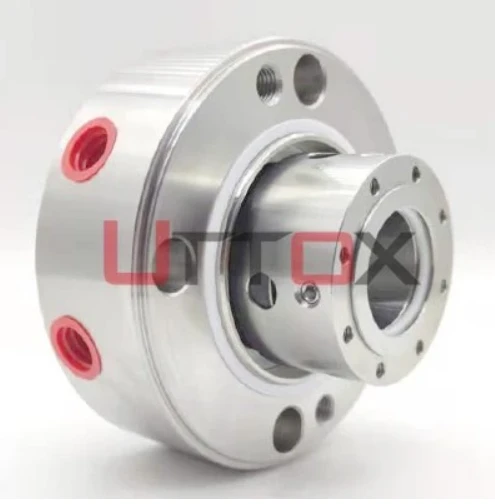
John Crane 1648 Cartridge Seal Features and Performance Benchmarks
In tough industrial settings, the dependability of equipment depends on the quality of its parts and how well it was designed. For uses involving dangerous, high-temperature, or chemically aggressive fluids found in processing and petrochemical processes, the John Crane 1648 cartridge seal has become the gold standard in single-cartridge sealing systems.
Material Selection and Engineering Innovation
The main technical feature that sets this seal design apart is its Inconel 718 alloy bellows, which are very resistant to corrosion and keep their mechanical flexibility even when temperatures change quickly. This choice of material solves a problem that has been bothering the industry for a long time: rubber secondary seals break down when they come into contact with hydrocarbon solvents, fragrant compounds, and changes in temperature, which causes the seal to stick and fail before it should. This way of failing is completely eliminated by the edge-welded bellows design, which acts as both a spring element and a main seal at the same time. The face materials are usually reaction-bonded silicon carbide or carbon-graphite composites, which are chosen based on the type of fluid and the required shaft speed. The seal can handle shaft speeds of up to 25 meters per second, which means it can be used with high-capacity centrifugal pumps that are common in process and fluid transfer applications.
Operational Performance Parameters
The John Crane 1648 cartridge seal works successfully in temperatures ranging from -75°C to 425°C. This means it can be used in a wide range of industrial pump situations, from cold oil circulation to cryogenic services. It can handle up to 31 bar of pressure, and the balanced design lowers the face loading to keep heat and wear to a minimum. API 682 compliance makes sure that gland connections are standardized and work with common flush plans, such as Plan 11 for recirculation from the pump discharge, Plan 21 for circulation from the outside of the reservoir, and Plan 32 for injecting clean barrier fluid. Standardization makes it easier to plan installations and makes sure that they will work with current pipe systems. This lowers the cost of engineering when deciding what equipment to buy and how to specify it.
Comparative Analysis and Market Positioning
Procurement teams look at performance data, total cost of ownership, and seller support skills when choosing sealing options for important equipment. The 1648 design goes up against other high-quality cartridge seals in the single-seal category. It has some advantages in situations where chemical compatibility and thermal cycling are problems for pusher-type seals with dynamic secondary seals. The economic life of these units can be extended through refurbishment. Worn bellows assemblies and seal faces can be changed while keeping the gland and sleeve parts, which saves money compared to replacing the whole thing while keeping the performance standards of the original equipment.
Procurement Considerations for Cartridge Seal Systems
More and more, equipment managers and procurement experts have to find ways to keep upkeep costs as low as possible while still making sure that important process equipment works reliably. To choose the right sealing options, you have to weigh the technical performance needs, the dependability of the supplier, and the total costs of ownership over the lifespan of the seal.
Identifying Reliable Supply Partners
The industrial sealing options market includes OEMs, authorised wholesalers, and other interchangeable sources. You should weigh the benefits and downsides of each station. Original manufacturers charge more but guarantee compatibility and provide full technical assistance. Authorised wholesalers sell manufacturer-backed items, have local inventories, and provide fast service. Some firms, like Uttox, manufacture replaceable cartridge seals as low-cost alternatives to popular designs. These seals are cost-effective and fulfil performance and size specifications. The UTTOX 1648 mechanical seal may replace the popular 1648 cartridge mechanical seal. The same installation dimensions and interface requirements allow it to be readily added to existing pump configurations. Since stocking spare parts for several seal types may be difficult and expensive, this interchangeability is particularly useful for companies that install many process pumps.
Evaluating Technical Capabilities and Quality Assurance
When buying something, you need to do more research than just looking at the unit price. You also need to look at how the seller makes things and how they control quality. Some important things that are looked at are:
Material certifications are given by reputable suppliers for important parts, especially high-nickel alloys like Inconel and Hastelloy, that are used in corrosive service situations.
Positive material identification testing stops galvanic corrosion failures before they happen, which occur when metals that are not the same touch in an electrical setting.
Helium leak testing makes sure that the bellows weld is solid, ensuring zero-gap closing performance.
Hydrostatic pressure testing at 1.5 times the highest working pressure makes sure that the gland and static seal work properly.
Face flatness verification testing with monochromatic light makes sure that sealing surfaces meet requirements, usually within one to two helium light bands. This is important for getting low leakage rates and long seal life.
Cost Structures and Inventory Management
To figure out the total cost of ownership, you have to add up the price of the unit itself, the cost of installation, the expected service life, and the cost of keeping spare units on hand. Pre-assembled cartridge seals usually cost more per unit than component seals, but they save money in the long run because they are easier to install and last longer. Standardizing on single-cartridge seal designs makes it easier to manage spare parts and train technicians, which is good for facilities that use a lot of identical pump models. When you buy from suppliers with stable inventory and fast shipping, you don't have to keep a lot of spare parts on hand. This frees up working capital and makes sure that you can quickly handle unplanned repair needs. The UTTOX 1648 design takes these things into account by making sure there is a steady supply of parts that can be delivered within days instead of weeks. This lowers the risk of downtime when repairs need to be made right away.
Installation, Maintenance, and Troubleshooting Best Practices
The best performance and service life of seals depend on how they are installed, how they are maintained, and how they are troubleshooted when problems happen. Even the most complex cartridge seals need to be used in a certain way in order to last as long as they were designed to.
Step-by-Step Installation Guidelines
Check the pump shaft and seal chamber before inserting a cartridge seal. Clean the shaft sleeve of rust, scale, and seal material. Check the shaft for cutting, pitting, or straining that might weaken the seal. A scale indication measures shaft runout. Fix the runout before installing new seals to prevent premature seal face wear. Make that the gland bolt holes match and the seal chamber depth matches the seal's requirements. Before installing the cartridge unit, lubricate the shaft sleeve with a thin coating of clean oil or the manufacturer's recommended lubricant. This will make installation simpler and protect static seals. Drive lugs or anti-rotation pins should fit into the gland when you place the cartridge onto the shaft. Following the manufacturer's recommendations, tighten gland bolts in a star pattern for equal tension. Before commencing, check that the seal can be twisted by hand and that flush or barrier fluid system pipe connections are tight and facing the appropriate direction.
Routine Maintenance and Inspection Protocols
Preventive maintenance extends seal life and alerts you to issues. Based on equipment importance and usage, schedule frequent inspections. Most process pumps only need monthly inspections, but demanding service conditions necessitate more regular checks. Check for seal face leaks, odd sounds or vibrations, and functional flush or quench lines during inspections. Check the seal chamber temperature and pressure with the installed instruments and compare them to the commissioning baselines. Sudden temperature spikes may indicate seal face contact or lubrication issues. Maintain barrier fluid tanks and circulation pumps. Write down all inspection data to determine performance trends and decide when to replace things. This allows scheduled maintenance rather than impromptu repairs.
Troubleshooting Common Operational Issues
Systematic diagnosis determines the source and best solution for seal performance issues. Bad fittings, broken seal faces, improper flush plan operation, or process conditions over the seal's capacity may cause excessive leakage. Measure installation dimensions and gland bolt torque. Make sure the shaft turns smoothly. Ensure flush fluid pressure and flow rate satisfy requirements. Noise or shaking is frequently caused by seal chamber cavitation, pump and driver misalignment, or shaft instability due to bearing issues. Fix these technical issues before blaming seal defects. Seals that fail too quickly must be examined. Inspect the failing parts and record face wear patterns, secondary seal condition, and chemical or heat damage. This failure study helps choose future seals and may reveal process or equipment improvements that need more than seal replacement.
Conclusion
Pre-assembled cartridge mechanical seals increase safety, equipment reliability, and maintenance in the petrochemical, power generation, and chemical processing sectors. The integrated design reduces downtime, simplifies installation, and provides constant sealing performance with factory-tested parts that match industry requirements. Interchangeable choices like the UTTOX 1648 are cost-effective and preserve dimensional compatibility and technical performance, while the john crane 1648 cartridge seal sets performance standards for hazardous fluid applications at high temperatures and pressures. Look at many supply channels and prioritise technical support, quality assurance, and inventory availability when buying. This lets you balance initial cost, total ownership expenses, and supplier capabilities to make the best purchases.
FAQ
1. What advantages do pre-assembled cartridge seals offer compared to component seals?
Pre-assembled cartridge seals come as whole units with all of their parts already matched and tested. This means that mistakes in field assembly don't happen, which is a common problem with component seals. This design cuts the time it takes to install from hours to minutes, makes it more reliable through quality control at the factory level, and makes upkeep easier by letting you change the whole cartridge without having to measure it carefully or use special tools. The sealed design keeps the inside parts from getting dirty, and the standard sizes make sure that all setups work the same way.
2. How can I verify genuine John Crane 1648 cartridge seal products?
Genuine units have markings from the maker, serial numbers, and material certificates that can be linked to production records. Buy from authorized distributors who offer warranties and technical support materials from the manufacturer. Ask for material test reports for important parts, especially high-nickel alloys used to build bellows, and make sure that the published engineering drawings match the dimensions given. Alternative suppliers with a good reputation provide thorough interchangeability paperwork that shows they meet the requirements of the original equipment.
3. What are the typical operating limits for cartridge seal systems?
With a shaft speed of up to 25 meters per second, the John Crane 1648 cartridge seal can work in temperatures ranging from -75°C to 425°C and pressures up to 31 Bar. Specific limits depend on the choice of material, the shape of the seal, and the properties of the working fluid. There are other designs, like the UTTOX 1648, that have similar performance ranges and can be used in normal industrial settings. You can find detailed specs that match your specific process conditions and equipment needs in the technical paperwork provided by the provider.
Partner with Uttox for Reliable Cartridge Seal Solutions
Uttox makes high-quality cartridge mechanical seals that can be used instead of more expensive sealing systems. One example is our UTTOX 1648 seal, which was made to work with all existing john crane 1648 cartridge seals without any issues. Our expert team has worked with companies in 50 countries in the petrochemical, power production, and chemical processing industries for more than 30 years, designing and making things. We offer quick engineering support, custom solutions for tough operating conditions, and stable inventory levels that guarantee fast delivery when your maintenance schedule calls for replacing seals right away. Contact our team at info@uttox.com to talk about your specific application needs, get technical information comparing seal performance parameters, or get quotes for John Crane 1648 cartridge seal supplier partnerships that lower costs while keeping the reliability your important equipment needs.
References
1. "Mechanical Seals for Pumps: Application Guidelines and API 682 Compliance Requirements," Industrial Sealing Technology Standards Committee, 2021.
2. "Cartridge Seal Design Optimization for Chemical Processing Applications," Journal of Fluid Sealing Engineering, Vol. 38, Issue 4, 2020.
3. "Total Cost of Ownership Analysis for Mechanical Seal Systems in Refinery Process Pumps," Petrochemical Maintenance Best Practices Annual Review, 2022.
4. "Material Selection Guidelines for Mechanical Seal Components in Corrosive Service," Materials Engineering for Rotating Equipment Handbook, 2019.
5. "Installation and Maintenance Procedures for Pre-Assembled Cartridge Mechanical Seals," Industrial Equipment Reliability Engineering Manual, 2021.
6. "Fugitive Emissions Control Through Advanced Mechanical Seal Technology," Environmental Compliance in Chemical Processing Operations, 2020.