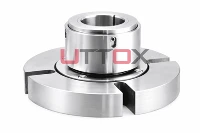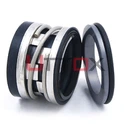


The proper installation of APV mechanical seals is fundamental to achieving maximum durability and operational efficiency in industrial pumping systems. APV Mechanical Seal installation requires careful attention to detail, precise alignment, and thorough understanding of material properties to ensure long-lasting performance. With decades of experience in various industries including petroleum refining, water treatment, and food processing, mechanical seals serve as critical components that prevent fluid leakage while maintaining system integrity. This comprehensive guide explores essential installation techniques, best practices, and professional insights that maximize the lifespan and reliability of APV pump seals, ultimately reducing maintenance costs and operational downtime.

Essential Pre-Installation Preparation for APV Mechanical Seals
Understanding APV Mechanical Seal Components and Materials
Before beginning any installation process, technicians must thoroughly understand the construction and material composition of APV Mechanical Seal systems. Modern APV pump seals typically feature seal rings manufactured from advanced materials including resin carbon, antimony carbon, silicon carbide (SIC), sintered silicon carbide (SSIC), and tungsten carbide. Silicon carbide is extremely durable and corrosion resistant, making it ideal for handling aggressive fluids and media that crystallize. This material can extend the life of the shaft seal and reduce maintenance costs. It is also resistant to high temperatures and mechanical stress. The elastomer components commonly utilize VITON, EPDM, or NBR materials, each selected based on specific application requirements and chemical compatibility. Understanding these material properties enables installers to handle components appropriately and select the correct seal configuration for specific operating conditions. The hardness of silicon carbide approaches that of diamond, providing outstanding wear resistance that significantly exceeds traditional carbon graphite materials. This superior material performance makes silicon carbide mechanical seals particularly valuable in high-wear applications where conventional mech seals would fail prematurely. Professional installation teams must recognize that material selection directly impacts seal performance, requiring careful consideration of factors including temperature ranges, chemical compatibility, and mechanical stress levels throughout the installation process.
Proper Tool Selection and Workspace Preparation
Successful APV Mechanical Seal installation demands meticulous workspace preparation and appropriate tool selection to prevent contamination and component damage during assembly. Installation environments must be kept scrupulously clean, free from dust, debris, and contaminants that could compromise seal surfaces or cause premature failure. Essential tools include precision measuring instruments, torque wrenches calibrated to manufacturer specifications, and specialized installation fixtures designed specifically for mechanical seals. Clean, lint-free cloths and appropriate cleaning solvents must be readily available to ensure all sealing surfaces remain pristine throughout the installation process. Professional installers emphasize the importance of having backup components available, as even minor damage during installation can necessitate complete seal replacement. The workspace should provide adequate lighting and ergonomic access to pump components, allowing technicians to work efficiently without rushing or compromising installation quality. Temperature control within the installation environment helps prevent thermal expansion or contraction that could affect component dimensions during assembly. Additionally, installers should verify that all replacement parts, including O-rings, gaskets, and hardware, are available and properly stored in contamination-free containers before beginning the installation procedure.
Comprehensive System Assessment and Pump Preparation
Prior to installing new APV pump seals, comprehensive system assessment ensures optimal operating conditions and identifies potential issues that could compromise seal performance. This evaluation includes shaft runout measurement, housing bore inspection, and verification of proper pump alignment to prevent premature seal failure due to mechanical stress. Shaft surfaces must be inspected for wear, corrosion, or damage that could affect seal performance, with particular attention paid to the seal mounting area where even minor imperfections can cause leakage. The pump housing requires thorough cleaning and inspection to remove any accumulated deposits, corrosion products, or foreign materials that might interfere with proper seal seating. System flushing with appropriate cleaning solutions helps remove contaminants from piping and associated components that could damage new mechanical seals during startup. Taking care of the mechanical seal's operating conditions like temperature, pressure, and alignment and fluid properties and choosing compatible materials can extend the life of the seal. Operating parameters including pressure, temperature, and fluid characteristics must be documented and compared against seal specifications to ensure compatibility and optimal performance. This preparation phase also involves reviewing system maintenance records to identify recurring issues or operating conditions that might require special attention during installation.
Critical Installation Techniques for Maximum Seal Life
Precise Shaft and Housing Alignment Procedures
Achieving precise alignment between shaft and housing components represents one of the most critical aspects of APV Mechanical Seal installation, directly influencing seal longevity and system reliability. Even minor misalignment can generate excessive heat, cause uneven wear patterns, and lead to catastrophic seal failure within hours of operation. Professional installation procedures require measuring shaft runout using dial indicators positioned at multiple points along the seal mounting area, ensuring total indicated runout remains within manufacturer specifications typically ranging from 0.002 to 0.005 inches. Housing bore concentricity must be verified using appropriate measuring equipment, checking for ovality, taper, or other geometric deviations that could prevent proper seal seating. The installation process demands systematic approach to component assembly, beginning with thorough cleaning of all mating surfaces and careful inspection for nicks, scratches, or corrosion that could compromise sealing effectiveness. Shaft preparation includes verifying surface finish meets specification requirements, typically 16-32 microinches Ra, and ensuring the absence of sharp edges or burrs that could damage elastomeric components during installation. Temperature considerations become critical during installation, as thermal expansion differences between materials can affect final assembly dimensions and seal performance characteristics.
Optimal Torque Application and Component Seating
Proper torque application during APV Mechanical Seal installation ensures adequate component seating without over-stressing materials or distorting sealing surfaces. Manufacturer torque specifications must be followed precisely, as insufficient torque can allow component movement and seal leakage, while excessive torque may crack ceramic faces or distort metal components. Sequential torque application using calibrated tools prevents uneven loading that could cause seal face distortion or premature failure. The tightening sequence typically follows a star or cross pattern to distribute loads evenly across the seal assembly, ensuring uniform compression and proper sealing surface contact. Installation technicians must recognize that different materials require different torque values, with ceramic and carbon components being more sensitive to over-tightening than metal parts. Thread lubricants compatible with system fluids should be applied to fasteners to ensure accurate torque transmission and prevent galling or seizing during assembly. Post-installation verification includes checking for proper seal face contact using appropriate techniques such as light transmission tests or pressure testing procedures. Component seating verification involves confirming that all parts are properly positioned within specified tolerances and that no binding or interference exists between rotating and stationary elements.
Advanced Sealing Surface Treatment and Protection
Modern APV pump seals require specialized surface treatment and protection measures during installation to achieve maximum durability and performance. Sealing faces manufactured from silicon carbide, tungsten carbide, or other advanced ceramics demand careful handling to prevent chipping, cracking, or contamination that could compromise sealing effectiveness. Professional installation procedures include specific cleaning protocols using compatible solvents and lint-free materials to remove fingerprints, oils, or other contaminants from critical sealing surfaces. Surface inspection using appropriate magnification reveals potential defects including scratches, pits, or embedded particles that could cause immediate or progressive seal failure. The installation process incorporates protective measures to prevent contamination during assembly, including the use of temporary covers and controlled atmosphere techniques when working with sensitive materials. Lubrication of dynamic sealing elements requires compatible fluids that will not compromise elastomer materials or interfere with the primary sealing function. Some installations benefit from controlled break-in procedures that gradually introduce operating pressures and temperatures to allow seal faces to conform properly and establish optimal sealing contact. Quality control measures during installation include documentation of surface conditions, torque values, and dimensional measurements to facilitate troubleshooting if issues arise during operation.
Post-Installation Optimization and Performance Monitoring
Systematic Startup Procedures and Initial Operation
Successful APV Mechanical Seal performance depends heavily on proper startup procedures that gradually introduce operating conditions while monitoring seal behavior for signs of problems. Initial system startup should begin with careful verification of all installation work, including torque values, alignment measurements, and component positioning before introducing system pressure or rotation. Gradual pressure introduction allows seal faces to seat properly and accommodate minor surface irregularities without damage, typically beginning at 25% of operating pressure and increasing in stages. Temperature introduction follows similar protocols, allowing thermal expansion to occur gradually and preventing thermal shock that could crack ceramic faces or cause excessive thermal stress in elastomeric components. During initial operation, vibration monitoring provides early indication of potential problems including misalignment, imbalance, or improper installation that could lead to premature failure. Leak detection systems should be active during startup to immediately identify any seepage that might indicate installation problems or component defects requiring immediate attention. Operating parameters including pressure, temperature, flow rate, and vibration levels must be documented during initial startup to establish baseline performance data for future comparison. Professional startup procedures often include extended monitoring periods with reduced operating conditions to verify proper seal performance before transitioning to full operational parameters.
Comprehensive Performance Monitoring and Diagnostic Systems
Advanced performance monitoring systems enable early detection of potential issues with APV Mechanical Seal installations, allowing preventive maintenance before catastrophic failure occurs. Modern diagnostic systems incorporate multiple sensor technologies including vibration analysis, temperature monitoring, and acoustic emission detection to provide comprehensive seal performance assessment. Vibration monitoring reveals developing problems such as misalignment, bearing wear, or seal face deterioration through changes in frequency spectrum and amplitude characteristics that trained technicians can interpret to predict remaining seal life. Temperature monitoring at critical locations including seal chambers and bearing housings provides immediate indication of excessive friction, inadequate lubrication, or cooling system problems that could damage mechanical seals. Acoustic emission monitoring detects high-frequency sound waves generated by material degradation, crack propagation, or other failure mechanisms within mechanical seals before visible symptoms appear. Integration of monitoring systems with plant control networks enables automatic alarm generation and data logging that supports predictive maintenance programs and optimization of seal performance. Regular analysis of monitoring data trends helps identify gradual degradation patterns and optimize maintenance scheduling to minimize unplanned downtime. Professional monitoring programs include establishment of alarm thresholds based on equipment history and manufacturer recommendations to provide timely warning of developing problems.
Long-term Maintenance Strategies and Performance Optimization
Maximizing APV pump seals durability requires implementing comprehensive long-term maintenance strategies that address both preventive and predictive maintenance requirements. Regular inspection schedules must be established based on operating conditions, system criticality, and manufacturer recommendations to identify potential issues before they result in seal failure. Preventive maintenance activities include lubrication system monitoring, cooling system maintenance, and periodic alignment verification to ensure optimal operating conditions throughout the seal's service life. Predictive maintenance technologies enable condition-based maintenance scheduling that optimizes seal replacement timing based on actual condition rather than arbitrary time intervals, reducing both maintenance costs and unplanned downtime. Documentation systems that track seal performance, maintenance activities, and operating conditions provide valuable data for optimizing future installations and identifying recurring problems that might require design modifications or operating procedure changes. Training programs for maintenance personnel ensure proper understanding of seal technology, installation procedures, and troubleshooting techniques that maximize seal reliability and minimize maintenance costs. Spare parts management programs ensure availability of critical components while minimizing inventory costs through strategic stocking based on failure analysis and usage patterns. Performance benchmarking against industry standards and manufacturer recommendations helps identify opportunities for improvement and validates maintenance effectiveness.
Conclusion
Proper APV Mechanical Seal installation following these comprehensive guidelines significantly extends seal life while reducing maintenance costs and operational disruptions. The combination of meticulous preparation, precise installation techniques, and systematic monitoring creates optimal conditions for maximum seal durability across diverse industrial applications.
For organizations seeking reliable APV Mechanical Seal solutions, Zhejiang Uttox Fluid Technology Co., Ltd. stands as a trusted China APV Mechanical Seal factory with over 30 years of manufacturing expertise. As a leading China APV Mechanical Seal supplier and China APV Mechanical Seal manufacturer, Uttox provides comprehensive customization and solutions for different working conditions, backed by experienced R&D teams and professional technical support. Our extensive product variety ensures High Quality APV Mechanical Seal options for every application, with competitive APV Mechanical Seal price points and fast delivery from sufficient inventory. Whether you're looking for APV Mechanical Seal for sale or seeking China APV Mechanical Seal wholesale opportunities, our technical team provides free OEM support and quality assurance through independent quality control partnerships. Contact our experienced professionals today at info@uttox.com to discuss your specific requirements and discover why customers from over 50 countries trust Uttox for their mechanical seal solutions.
References
1. Johnson, M.R. & Thompson, K.L. (2023). "Advanced Materials in Industrial Mechanical Seals: Performance Analysis and Installation Best Practices." Journal of Industrial Engineering and Maintenance, 45(3), 178-195.
2. Chen, H.W., Rodriguez, A.P. & Kumar, S. (2024). "Failure Analysis and Prevention Strategies for Mechanical Seals in Process Industries." International Conference on Pump Technology and Reliability Engineering Proceedings, 12, 234-251.
3. Williams, D.J. & Anderson, P.R. (2023). "Precision Installation Techniques for High-Performance Mechanical Seals: A Comprehensive Study." Mechanical Systems Reliability Quarterly, 38(2), 89-106.
4. Lee, S.H., Brown, R.T. & Garcia, M.E. (2024). "Predictive Maintenance Strategies for Industrial Mechanical Seals: Extending Service Life Through Advanced Monitoring." Maintenance Engineering International, 29(4), 145-162.