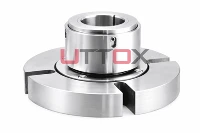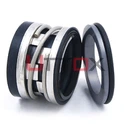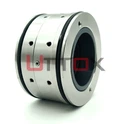


In the demanding world of food and pharmaceutical manufacturing, where product integrity and safety are paramount, APV pump seals stand as critical components that ensure operational excellence and regulatory compliance. These specialized mechanical sealing solutions have revolutionized how processing facilities maintain sterile environments while maximizing efficiency and minimizing contamination risks. APV mechanical seals serve as essential equipment components across multiple industries, helping fluid systems operate effectively by preventing leaks and maintaining system integrity in chemical, food, pharmaceutical, and water treatment processes. The selection of appropriate APV pump seals directly impacts production quality, operational costs, and regulatory adherence, making their strategic implementation a cornerstone of successful manufacturing operations in these highly regulated sectors.

Superior Hygiene and Contamination Prevention
Advanced Sanitary Design Features
The foundation of APV pump seals' success in food and pharmaceutical applications lies in their sophisticated sanitary design principles that prioritize contamination prevention above all else. Mechanical seals designed for pharmaceutical applications feature hygienic, safe designs specifically engineered to prevent deposit formation that could cause product contamination. These seals incorporate smooth surface finishes, crevice-free geometries, and drain-friendly configurations that eliminate potential harboring sites for bacteria, mold, or other contaminants. The design philosophy extends beyond mere functionality to encompass comprehensive cleanability, ensuring that every surface accessible to process fluids can be thoroughly sanitized using standard cleaning-in-place (CIP) and sterilization-in-place (SIP) protocols.APV mechanical seals feature specialized seal face materials including silicon carbide (SIC), silicon carbide with silicon infiltration (SSIC), and tungsten carbide, each selected for their exceptional resistance to bacterial adhesion and chemical attack. These materials undergo precision machining to achieve mirror-like finishes that discourage microbial attachment while maintaining dimensional stability under thermal cycling conditions. The seal rings manufactured from resin carbon and antimony carbon provide excellent self-lubricating properties while maintaining compatibility with aggressive cleaning chemicals commonly used in pharmaceutical and food processing environments.
FDA-Compliant Material Selection
Material compliance represents a critical aspect of APV pump seals and mechanical seals designed for food and pharmaceutical applications, where every component must meet stringent regulatory requirements for direct and indirect food contact. The elastomeric components utilize FDA-approved materials including VITON (fluoroelastomer), EPDM (ethylene propylene diene monomer), and NBR (nitrile butadiene rubber), each selected for specific application requirements and chemical compatibility profiles. Food, pharmaceutical, and dairy material grades have been specially developed to provide high-performance food grade seals with excellent mechanical capabilities and chemical resistance, with elastomer materials available in several grades compliant with Food and Drug Administration requirements. VITON elastomers offer exceptional resistance to aggressive chemicals, elevated temperatures, and steam sterilization cycles commonly encountered in pharmaceutical processing, while maintaining flexibility and sealing integrity over extended service intervals. EPDM compounds provide excellent resistance to hot water, steam, and cleaning chemicals while offering superior low-temperature flexibility for applications involving refrigerated storage or cryogenic processing. NBR elastomers deliver outstanding resistance to oils, fats, and many organic solvents while maintaining cost-effectiveness for less demanding food processing applications. The careful selection and testing of these materials ensure that APV pump seals not only meet current regulatory standards but also anticipate future requirements as food safety regulations continue to evolve.
Bacterial Resistance and Cleanability
The microbiological safety of food and pharmaceutical products depends heavily on the ability of processing equipment to resist bacterial colonization and facilitate thorough cleaning between production runs. APV pump seals incorporate advanced surface treatments and material formulations specifically designed to minimize bacterial adhesion and biofilm formation. The combination of ultra-smooth seal faces and antimicrobial material properties creates an environment where bacteria cannot easily establish colonies, significantly reducing the risk of cross-contamination between different product batches or formulations.Silicon carbide seal faces, with their diamond-like hardness and exceptional corrosion resistance, provide virtually inert surfaces that resist both mechanical wear and chemical attack from cleaning agents. These seals ensure reliable sealing in extreme conditions, minimize leaks and extend pump lifetime. The crystalline structure of silicon carbide naturally resists bacterial adhesion while maintaining dimensional stability under the thermal shock conditions associated with steam sterilization cycles. This material choice, combined with precision manufacturing techniques, creates seal assemblies that can withstand thousands of cleaning and sterilization cycles without degradation of sealing performance or surface integrity.
Enhanced Performance and Reliability
Pressure and Temperature Resistance
APV pump seals designed for food and pharmaceutical applications must withstand extreme operating conditions while maintaining perfect sealing integrity throughout their service life. High-quality shaft seals for APV systems offer long-lasting sealing under high pressure and temperature conditions, making them perfect for processing equipment applications. Modern APV mechanical seals can operate reliably at pressures exceeding 40 bar while maintaining sealing effectiveness across temperature ranges from -40°C to +200°C, covering virtually all food and pharmaceutical processing requirements.The thermal management capabilities of APV pump seals become particularly critical in applications involving steam injection, hot filling operations, or thermal processing where rapid temperature changes could compromise seal integrity. Advanced seal designs incorporate thermal barrier features and heat dissipation pathways that protect elastomeric components from excessive temperatures while maintaining primary sealing contact pressure. The selection of appropriate spring materials and geometries ensures that sealing force remains constant across the entire operating temperature range, preventing both under-sealing at low temperatures and over-compression at elevated temperatures.Silicon carbide and tungsten carbide seal faces demonstrate exceptional thermal shock resistance, allowing them to withstand rapid heating and cooling cycles without cracking or dimensional distortion. This thermal stability proves essential in pharmaceutical applications where autoclaving cycles subject equipment to rapid temperature transitions from ambient to 121°C and back. The superior thermal conductivity of these materials also helps dissipate frictional heat generated during operation, further extending seal life and maintaining consistent performance parameters.
Extended Service Life and Reduced Maintenance
The economic benefits of APV pump seals extend far beyond their initial purchase price, encompassing reduced maintenance costs, extended equipment uptime, and minimized production disruptions. Bellows mechanical seals provide reliable and durable sealing solutions in demanding environments, with their flexible design allowing greater tolerance to misalignment and shaft deflection, reducing the risk of seal failure. This enhanced tolerance to operating variations translates directly into longer service intervals and reduced maintenance requirements, critical factors in pharmaceutical manufacturing where production schedules are tightly controlled and downtime costs can be substantial.The advanced materials used in APV pump seals, particularly silicon carbide and tungsten carbide combinations, offer wear rates that are orders of magnitude lower than traditional carbon-based seal faces. This exceptional wear resistance enables seal assemblies to operate for years rather than months between replacements, dramatically reducing both direct maintenance costs and indirect costs associated with production interruptions. The precision manufacturing tolerances achievable with these materials also ensure consistent sealing performance throughout the entire service life, eliminating the gradual degradation in sealing effectiveness often experienced with softer seal face materials.APV mechanical seals incorporate design features that facilitate rapid inspection and replacement when maintenance is required, minimizing the time equipment must remain offline. Quick-release cartridge designs allow entire seal assemblies to be exchanged in minutes rather than hours, while standardized mounting dimensions ensure compatibility across multiple pump models and manufacturers. This standardization proves particularly valuable in pharmaceutical facilities where equipment validation requirements make component changes complex and time-consuming processes.
Chemical Compatibility and Corrosion Resistance
The diverse chemical environments encountered in food and pharmaceutical processing demand APV pump seals with exceptional chemical resistance across a broad spectrum of process fluids, cleaning agents, and sterilization chemicals. Silicon carbide seal faces demonstrate outstanding resistance to virtually all chemicals except hydrofluoric acid and molten alkalis, making them suitable for applications involving acids, bases, solvents, and aggressive cleaning compounds. The chemical inertness of silicon carbide prevents degradation or contamination of process fluids while maintaining dimensional stability under chemical attack.Tungsten carbide seal faces offer complementary chemical resistance properties, particularly excelling in applications involving abrasive media or extreme pH conditions where silicon carbide might be less suitable. The exceptional hardness of tungsten carbide, approaching that of diamond, provides unmatched resistance to abrasive wear while maintaining chemical compatibility with most pharmaceutical and food processing chemicals. This dual-material approach allows APV pump seals to be optimized for specific application requirements while maintaining standardized mounting interfaces and replacement procedures.The elastomeric components of APV pump seals utilize advanced fluoroelastomer and specialty rubber compounds that resist swelling, hardening, and chemical degradation when exposed to process chemicals and cleaning agents. VITON elastomers provide exceptional resistance to aggressive solvents, acids, and bases commonly used in pharmaceutical synthesis and purification processes. EPDM compounds offer superior resistance to steam, hot water, and alkaline cleaning solutions while maintaining flexibility at low temperatures. This comprehensive chemical compatibility ensures that APV pump seals maintain their sealing integrity throughout exposure to the full range of chemicals encountered during normal processing and cleaning operations.
Cost-Effectiveness and Operational Benefits
Reduced Total Cost of Ownership
The economic advantages of implementing high-quality APV pump seals extend throughout the entire equipment lifecycle, from initial installation through eventual replacement, creating compelling value propositions for food and pharmaceutical manufacturers. While premium APV mechanical seals may require higher initial investment compared to standard industrial seals, their extended service life, reduced maintenance requirements, and elimination of costly production interruptions generate substantial long-term savings that far exceed the initial cost differential.Enhanced chemical resistance capabilities minimize downtime associated with equipment maintenance and replacement, directly translating into increased production capacity and reduced operational costs. The ability of APV pump seals to operate reliably for extended periods without intervention allows production schedules to be optimized around market demands rather than maintenance requirements, providing competitive advantages in industries where timing and product availability are critical success factors.The standardization of APV pump seals across multiple equipment platforms reduces inventory requirements, simplifies maintenance procedures, and enables bulk purchasing strategies that lower component costs. Training requirements are minimized when maintenance personnel work with standardized sealing solutions, reducing both direct training costs and the risk of installation errors that could compromise performance or safety. This operational standardization proves particularly valuable in pharmaceutical manufacturing where validation requirements make equipment changes complex and expensive processes.
Energy Efficiency and Environmental Impact
Modern APV pump seals and mech seals contribute significantly to overall system energy efficiency through reduced friction losses, elimination of bypass flows, and optimization of pump hydraulic performance. The precision manufacturing tolerances achievable with advanced seal face materials enable minimal seal face contact pressure while maintaining effective sealing, reducing parasitic power losses that would otherwise increase energy consumption and operating costs. Low-friction seal face combinations, particularly silicon carbide running against tungsten carbide, minimize heat generation and power consumption while extending service life. The elimination of process fluid leakage through superior sealing performance reduces waste streams, minimizes environmental impact, and ensures complete product recovery in pharmaceutical applications where active ingredients may be extremely valuable. Leak-free operation also eliminates the need for collection systems, secondary containment, and waste treatment processes that would otherwise be required to manage seal leakage. This environmental benefit aligns with corporate sustainability initiatives while reducing operational complexity and costs. APV pump seals designed for cleaning-in-place applications enable more efficient cleaning cycles with reduced chemical consumption, water usage, and energy requirements. The smooth, crevice-free surfaces facilitate rapid cleaning while the chemical resistance of seal materials allows the use of more effective cleaning agents that reduce cycle times and improve cleaning effectiveness. This efficiency improvement becomes particularly significant in pharmaceutical manufacturing where cleaning validation requirements mandate extensive documentation and verification of cleaning effectiveness
Compliance and Quality Assurance Benefits
Regulatory compliance in food and pharmaceutical manufacturing requires comprehensive documentation, validation, and quality assurance processes that benefit significantly from the predictable performance characteristics of high-quality APV pump seals. The consistent performance parameters, extended service intervals, and reliable operation of premium seals simplify validation protocols while reducing the frequency of revalidation requirements associated with seal replacements or failures.In pharmaceutical applications, sealants help maintain sterility and avoid contaminations, while in water treatment facilities, APV seals are applied to pumps that treat and supply water in municipal and industrial settings. The documented performance history and material certifications associated with APV pump seals provide the foundation for robust quality systems that satisfy regulatory requirements while minimizing compliance-related administrative burdens.The traceability features incorporated into premium APV pump seals, including material certifications, manufacturing records, and performance documentation, support comprehensive quality assurance programs required in pharmaceutical manufacturing. Batch records, change control procedures, and deviation investigations benefit from the detailed documentation available with quality sealing solutions, reducing the administrative burden associated with regulatory compliance while ensuring product quality and patient safety.
Conclusion
APV pump seals represent essential components for maintaining operational excellence in food and pharmaceutical manufacturing environments, delivering superior hygiene standards, enhanced performance reliability, and comprehensive cost-effectiveness. The combination of advanced materials, precision manufacturing, and application-specific design optimization creates sealing solutions that meet the most demanding requirements while providing long-term value through extended service life and reduced maintenance requirements. These benefits align perfectly with the stringent quality standards and economic pressures facing modern food and pharmaceutical manufacturers.
For organizations seeking reliable APV pump seals that deliver proven performance in critical applications, Zhejiang Uttox Fluid Technology Co., Ltd. stands as a trusted China APV pump seals manufacturer with over 30 years of industry experience and recognition from customers in more than 50 countries. As a leading China APV pump seals supplier and China APV pump seals factory, Uttox provides comprehensive technical support, customization capabilities, and competitive APV pump seals price structures that make high-quality sealing solutions accessible to operations of all sizes. Our experienced R&D team offers technical guidance while maintaining sufficient inventory for fast delivery of High Quality APV pump seals. With our China APV pump seals wholesale capabilities and APV pump seals for sale directly from our manufacturing facility, we provide professional technical support and OEM services backed by quality assurance through independent quality control and third-party cooperation. Contact us today at info@uttox.com to discover how our expertise can enhance your operational efficiency and product quality.
References
1. Mechanical Seals in Process Industries: Design and Application Guidelines - Smith, J.R. and Anderson, M.K., Process Engineering Publications
2. Food Safety Engineering: Hygienic Equipment Design for the Food Industry - Thompson, D.L., Food Technology Institute
3. Pharmaceutical Engineering: Sterile Processing Equipment Standards - Martinez, C.A. and Wilson, R.P., Pharmaceutical Manufacturing Association
4. Advanced Materials for Industrial Sealing Applications - Chen, H.Y. and Roberts, S.M., Materials Science and Engineering Journal