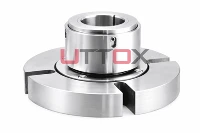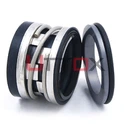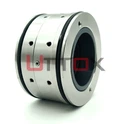


When critical pumping equipment experiences seal failure in your facility, the immediate concern isn't just about downtime costs-it's about whether your expensive Flygt mechanical seals can be salvaged or if you're facing the full expense of replacement. This comprehensive guide addresses the fundamental question that maintenance managers, plant operators, and engineers ask daily: can a mechanical seal be repaired? The answer is more nuanced than a simple yes or no, and understanding the repair possibilities for Flygt mechanical seals can save your operation significant costs while maintaining optimal performance standards.

Understanding Mechanical Seal Repairability
The repairability of mechanical seals fundamentally depends on the extent and nature of damage sustained during operation. Professional seal specialists evaluate multiple factors when determining whether Flygt mechanical seals can be restored to their original specifications. The primary consideration involves assessing the condition of critical components including the seal faces, springs, O-rings, and housing elements. Unlike simple replacement parts, mechanical seals are precision-engineered systems where each component must maintain exact tolerances to function effectively. Modern Flygt mechanical seals are designed with repairability in mind, featuring modular construction that allows individual components to be replaced without compromising the entire assembly. The seal faces, which form the primary sealing interface, can often be reconditioned through specialized lapping and grinding processes when wear patterns are within acceptable limits. However, catastrophic failures involving cracked seal faces, severely damaged springs, or compromised housing integrity may render the seal beyond economical repair.
Factors Determining Repair Feasibility
Several critical factors influence whether Flygt mechanical seals can be successfully repaired rather than replaced outright. The operating environment plays a crucial role, as seals exposed to highly corrosive chemicals, extreme temperatures, or abrasive media may suffer damage that extends beyond surface-level wear patterns. The age and service history of the seal also impact repair decisions, since older seals may lack replacement parts availability or may have accumulated multiple stress factors that compromise long-term reliability. The type of failure mode significantly affects repair prospects. Gradual wear from normal operation typically results in repairable conditions, while sudden failures caused by dry running, cavitation, or improper installation often create damage patterns that extend throughout the seal assembly. Professional evaluation involves detailed inspection of wear patterns, measurement of dimensional tolerances, and assessment of material condition to determine whether repair will restore the seal to acceptable performance standards.
Types of Mechanical Seal Damage and Repair Options
Surface Wear and Face Damage
The most common form of damage affecting Flygt mechanical seals involves wear of the sealing faces, which occurs naturally during normal operation as these surfaces maintain contact under pressure. Minor face wear, including shallow scratches, light scoring, or gradual face recession, can typically be corrected through precision lapping processes. This restoration technique involves carefully removing damaged material while maintaining the critical flatness and surface finish required for effective sealing. Professional repair facilities utilize specialized lapping equipment designed specifically for mechanical seal faces, ensuring that repaired Flygt mechanical seals meet or exceed original manufacturing specifications. The lapping process removes oxidation, minor scoring, and wear patterns while restoring the mirror-like finish essential for proper seal function. However, deep scoring, cracking, or excessive wear that approaches the face thickness limits may require complete face replacement rather than restoration.
Spring and Hardware Component Repair
The spring mechanism in Flygt mechanical seals provides the essential force required to maintain contact between sealing faces while accommodating normal shaft movement and thermal expansion. Springs subjected to corrosive environments, excessive temperatures, or fatigue loading may require replacement during the repair process. Unlike sealing faces, springs cannot typically be restored and must be replaced with components meeting original specifications. Other hardware components including pins, clips, retainers, and drive mechanisms can often be cleaned, inspected, and reused if they meet dimensional tolerances and show no signs of stress cracking or corrosion damage. The repair process involves thorough cleaning, dimensional verification, and replacement of any components that fail to meet original specifications. This selective replacement approach allows significant cost savings compared to complete seal replacement while ensuring reliable performance.
Elastomer and Gasket Replacement
All elastomeric components in Flygt mechanical seals, including O-rings, gaskets, and flexible bellows, require replacement during any repair procedure regardless of their apparent condition. Elastomers are susceptible to chemical attack, thermal degradation, and compression set that may not be visible during inspection but can cause premature seal failure if not addressed. Professional repair facilities maintain comprehensive inventories of elastomeric materials compatible with various operating conditions. The selection of appropriate elastomer materials during repair considers the specific operating environment, including temperature range, chemical compatibility, and pressure conditions. Upgraded elastomer materials may be recommended during repair to improve chemical resistance or extend service life based on actual operating experience. This approach ensures that repaired Flygt mechanical seals deliver performance equal to or better than the original configuration.
Professional Repair Process and Quality Standards
Disassembly and Inspection Procedures
The professional repair of Flygt mechanical seals begins with careful disassembly following documented procedures that prevent additional damage during component removal. Each component undergoes detailed inspection using precision measuring equipment to determine dimensional compliance with original specifications. This inspection process identifies which components can be restored, which require replacement, and whether the overall seal assembly is suitable for repair. Specialized inspection equipment including surface finish measurement devices, dimensional gauges, and optical inspection systems provide objective assessment of component condition. The inspection process documents all findings, providing detailed reports that justify repair recommendations and establish quality benchmarks for the restored seal. This documentation ensures traceability and provides confidence that repaired Flygt mechanical seals will deliver reliable service performance.
Restoration and Reassembly Standards
Components approved for restoration undergo specialized processes designed to return them to original specifications. Sealing faces receive precision lapping using diamond compound and specialized fixtures that maintain exact parallelism and surface finish requirements. Metal components may undergo cleaning, polishing, or minor machining operations to remove corrosion or restore dimensional tolerances. The reassembly process follows strict quality procedures including proper lubrication, torque specifications, and dimensional verification at each step. Final inspection ensures that all components are properly positioned and that the completed seal meets original performance specifications. Quality documentation accompanies each repaired seal, providing assurance that professional standards have been maintained throughout the repair process.
Cost-Benefit Analysis of Mechanical Seal Repair
Economic Advantages of Repair
Repairing Flygt mechanical seals typically costs 40-60% less than purchasing new replacement seals, providing immediate cost savings for maintenance budgets. These savings become particularly significant for specialized seals designed for specific applications or those featuring exotic materials required for challenging operating conditions. The repair option allows organizations to maintain critical equipment operation while managing maintenance costs effectively. Beyond direct cost savings, seal repair provides faster turnaround times compared to sourcing new replacement seals, especially for older equipment or specialized configurations. Emergency repair services can often restore damaged seals within days rather than the weeks sometimes required for new seal procurement. This rapid response capability minimizes equipment downtime and associated production losses.
Long-term Performance Considerations
Properly repaired Flygt mechanical seals deliver service life comparable to new seals when the repair process addresses all wear mechanisms and replaces all consumable components. The repair process often incorporates improved materials or design modifications based on field experience, potentially extending service life beyond the original configuration. This continuous improvement approach ensures that repaired seals benefit from accumulated operating knowledge. However, the decision to repair versus replace must consider the overall condition of the pumping equipment and the anticipated remaining service life. Installing repaired seals in equipment nearing end-of-life may not provide optimal return on investment compared to planning for complete equipment replacement. Professional assessment considers these factors to recommend the most cost-effective approach for each specific situation.
Conclusion
Mechanical seal repair represents a viable and cost-effective solution for extending the service life of Flygt mechanical seals when performed by qualified professionals using appropriate procedures and quality standards. The decision to repair depends on careful evaluation of damage extent, component condition, and economic considerations specific to each application.
Cooperate with Zhejiang Uttox Fluid Technology Co.,Ltd.
As a leading China Flygt mechanical seals manufacturer with over 30 years of industry experience, Zhejiang Uttox Fluid Technology Co.,Ltd. offers comprehensive mechanical seal solutions including professional repair services, custom manufacturing, and technical support. Our experienced R&D team provides technical guidance and customization for different working conditions, ensuring optimal performance for your critical applications across petroleum refining, water treatment, pulp and paper, shipbuilding, food and beverage, pharmaceutical, and power plant industries.
Our extensive product variety and sufficient inventory enable fast delivery of High Quality Flygt mechanical seals at competitive Flygt mechanical seals price points. As a trusted China Flygt mechanical seals supplier and China Flygt mechanical seals factory, we provide Flygt mechanical seals for sale with comprehensive technical support, OEM services, and quality assurance through independent quality control. Contact our professional technical team at info@uttox.com for free consultation and discover how our China Flygt mechanical seals wholesale solutions can optimize your equipment performance while reducing maintenance costs.
FAQ
Q: How long does mechanical seal repair typically take?
A: Professional mechanical seal repair usually takes 3-7 business days depending on the extent of damage and parts availability.
Q: What percentage of mechanical seals can be successfully repaired?
A: Approximately 70-80% of failed mechanical seals can be economically repaired when evaluated by qualified specialists.
Q: Can repaired mechanical seals perform as well as new ones?
A: Yes, properly repaired seals using original specifications and quality materials typically deliver service life comparable to new seals.
Q: What types of mechanical seal damage cannot be repaired?
A: Seals with cracked housings, severely damaged seal faces, or multiple component failures may be beyond economical repair.
References
1. "Mechanical Seal Technology and Applications" - John Crane Engineering, Maintenance Standards Division
2. "Industrial Pump Seal Repair and Maintenance Procedures" - American Society of Mechanical Engineers, Seal Technology Committee
3. "Cost-Effective Maintenance Strategies for Rotating Equipment Seals" - Process Industries Maintenance Association, Technical Advisory Board
4. "Quality Standards for Mechanical Seal Repair and Reconditioning" - International Organization for Standardization, Industrial Sealing Systems Working Group