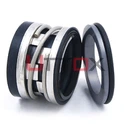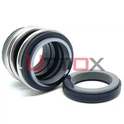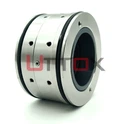


Choosing the wrong mechanical seal can lead to unexpected downtime, costly repairs, and production losses that impact your bottom line. When pumps fail due to improper seal installation or selection, maintenance teams scramble to identify the root cause while operations grind to a halt. Understanding the fundamental differences between cartridge mechanical seals and component mechanical seals is essential for anyone responsible for pump reliability, from maintenance engineers to procurement managers. Cartridge mechanical seals offer pre-assembled convenience and installation simplicity, while component seals provide flexibility and cost advantages for experienced technicians. This comprehensive guide explores these critical distinctions to help you make informed decisions that enhance equipment performance, reduce maintenance costs, and minimize unplanned shutdowns across your facility.
Understanding Cartridge Mechanical Seals: Design and Construction
Cartridge mechanical seals represent a revolutionary approach to sealing technology, where all essential components are pre-assembled into a single, ready-to-install unit. Unlike traditional component seals that require individual assembly of multiple parts, the CARTEX SN Cartridge Seals integrate the gland, sleeve, seal faces, springs, and all necessary hardware into one cohesive cartridge system. This pre-assembled configuration eliminates the guesswork associated with setting correct seal dimensions and ensures that critical measurements are factory-set by experienced technicians who understand the precise tolerances required for optimal performance. The construction of cartridge mechanical seals incorporates advanced materials carefully selected for durability and compatibility across diverse industrial applications. Seal rings in cartridge designs typically utilize materials such as Resin Carbon, Antimony Carbon, SIC (Silicon Carbide), SSIC (Sintered Silicon Carbide), and Tungsten Carbide, each offering specific advantages for different operating conditions. The elastomer components, including FKM, FFKM, EPDM, AFLAS, and NBR, provide chemical resistance and temperature stability, while metal parts manufactured from SS304, SS316, Duplex, Hastelloy C, and 904L ensure structural integrity under demanding pressures and corrosive environments. This comprehensive material selection within the cartex seal design allows for customization to match specific process requirements without compromising the pre-assembled convenience that defines cartridge technology.
Installation Advantages of Cartridge Mechanical Seals
The installation process for cartridge mechanical seals dramatically differs from component seal installation, offering significant advantages in terms of time, skill requirements, and reliability outcomes. When installing CARTEX SN Cartridge Seals, maintenance personnel benefit from a streamlined procedure that typically requires only basic measurements of the shaft and stuffing box dimensions. The pre-assembled nature of cartridge mechanical seals means that critical settings such as spring compression, seal face alignment, and proper clearances are already established at the factory, reducing the possibility of human error during installation. This design approach proves particularly valuable in facilities where skilled seal technicians may not always be available or where rapid equipment turnaround is essential for maintaining production schedules. The inspection procedures before installation remain important even with cartridge mechanical seals, though they differ from component seal requirements. Regardless of whether it is a newly replaced mechanical seal or a repaired seal, technicians should verify that all visible components are clean and free of contamination, particularly checking that rotating elements move freely without binding or resistance. The positioning screws should be examined to ensure they are properly secured yet accessible for adjustment, and any auxiliary seals visible within the cartridge assembly should be inspected for proper positioning according to the manufacturer's specifications. The sealing surfaces of both dynamic and static rings must be examined carefully for nicks, scratches, or any surface damage that could compromise sealing performance, as even minor imperfections can lead to premature seal failure and process fluid leakage.
Performance Characteristics and Operational Benefits
Cartridge mechanical seals deliver consistent performance advantages that translate directly into reduced maintenance costs and improved equipment reliability across industrial facilities. The factory-assembled configuration ensures that mechanical seals maintain optimal face loading, proper alignment, and correct compression throughout their service life, characteristics that can be difficult to achieve consistently with field-assembled component seals. The CARTEX SN Cartridge Seals incorporate reasonable design principles that account for thermal expansion, shaft deflection, and vibration impacts, providing reliable sealing even under challenging operating conditions common in industries such as petroleum refining, water treatment, pulp and paper production, and pharmaceutical manufacturing. Beyond installation simplicity, cartridge mechanical seals offer operational advantages that become apparent over time. The integrated design reduces the number of potential leak paths compared to component seals, where each separately installed piece introduces additional opportunities for seal compromise. The pre-set spring load in cartex seal systems ensures consistent face pressure that adapts appropriately to varying operating conditions without requiring manual adjustment or periodic inspection to verify proper compression. Quality cartridge designs also incorporate features that protect seal faces during equipment startup and shutdown, periods when component seals often experience accelerated wear due to insufficient lubrication or misalignment issues that develop over multiple installation cycles.

Component Mechanical Seals: Traditional Flexibility and Applications
Component mechanical seals represent the traditional approach to pump sealing, where individual elements including the rotating assembly, stationary seat, gland plate, and various hardware components are supplied separately and assembled during installation. This modular design provides maximum flexibility for customization, allowing maintenance technicians to select specific materials and configurations tailored to unique process requirements or budget constraints. Component seals have served industry reliably for decades, and their continued relevance stems from situations where installation expertise is readily available and where the cost advantages of component designs align with operational priorities and maintenance capabilities within a facility. The assembly process for component mechanical seals requires significant technical knowledge and hands-on experience to achieve reliable results. Technicians must correctly position seal faces, install elastomeric components with proper orientation, set the precise axial position on the pump shaft, and ensure that all mating surfaces are clean and undamaged. The seal rings in component configurations utilize the same high-performance materials as cartridge designs, including Resin Carbon, Antimony Carbon, SIC, SSIC, and Tungsten Carbide, paired with elastomers like FKM, FFKM, EPDM, AFLAS, and NBR depending on chemical compatibility requirements. Metal components manufactured from SS304, SS316, Duplex, Hastelloy C, and 904L provide the structural foundation, with material selection driven by the corrosive nature of process fluids and operating temperature ranges encountered in specific applications.
Installation Requirements and Technical Considerations
Installing component mechanical seals demands meticulous attention to detail and adherence to precise measurement protocols that directly impact seal longevity and performance reliability. Before beginning installation, technicians must carefully check all parts to ensure they are clean and free of dirt, with particular attention given to the sealing surfaces of the static and dynamic rings where even microscopic contamination can lead to accelerated wear and premature failure. The rotating parts of the seal must be verified for free movement, confirming that transmission pins and spring pins operate without binding or restriction that could interfere with the seal's ability to maintain face contact during operation. The positioning screws of the rotating parts require special attention during component mechanical seal installation, as these elements secure the seal to the shaft while allowing for necessary adjustments. The screws should exhibit appropriate tightness, with old or damaged screws replaced before installation proceeds to prevent loosening during operation. The thickness of all auxiliary seals must be carefully verified according to the seal installation drawing provided by the manufacturer, as improper thickness affects the correct positioning of the seal and alters the spring load applied to the sealing surface, potentially causing excessive face wear or insufficient face contact that allows process fluid leakage. Proper matching between all rotating parts and the shaft or sleeve constitutes another critical verification step, as dimensional mismatches create vibration, misalignment, and accelerated component wear. The sealing surface inspection of both dynamic and static rings represents perhaps the most crucial pre-installation check, where technicians must detect and address any nicks or scratches that could compromise seal integrity. Any slight damage to these precision-lapped surfaces may cause the sealing surface to leak, negating the benefits of proper installation technique and potentially causing costly unplanned downtime that disrupts production schedules and necessitates emergency maintenance interventions.
Cost Considerations and Long-term Economics
Component mechanical seals typically offer lower initial purchase costs compared to cartridge mechanical seals, making them attractive options for budget-conscious operations or applications where seal replacement frequency is low and installation expertise is readily available. The individual component pricing allows facilities to stock common wear items such as seal faces and elastomers while maintaining a smaller inventory investment compared to keeping complete cartridge assemblies on hand. This cost structure benefits organizations with skilled maintenance teams capable of reliably assembling component seals and where the labor costs associated with longer installation times are offset by the reduced material expenses compared to cartridge seal alternatives. However, the total cost of ownership calculation must consider factors beyond initial purchase price when comparing component versus cartridge mechanical seals. The installation time required for component seals typically exceeds that of cartridge seals by a significant margin, translating into higher labor costs and potentially extended equipment downtime that affects production output. Installation errors with component seals can lead to reduced seal life or immediate failure, necessitating additional replacement and labor costs that quickly erode the initial savings from choosing lower-priced component designs. Facilities should evaluate their specific circumstances, including technician skill levels, availability of maintenance resources, and the production impact of extended downtime when determining which mechanical seal type delivers the best long-term economic value for their operations.
Key Differences Between Cartridge and Component Mechanical Seals
The fundamental distinction between cartridge mechanical seals and component mechanical seals centers on their assembly status and installation methodology, with implications that extend throughout their service life. Cartridge mechanical seals arrive at the installation site as completely pre-assembled units where factory technicians have set all critical dimensions, alignments, and clearances under controlled conditions using specialized tools and fixtures. Component mechanical seals, conversely, consist of separate elements that field technicians must assemble on-site, requiring them to establish proper measurements, apply correct torque values, and verify alignment using available equipment and measurement tools that may vary in precision compared to factory assembly environments. This assembly difference creates cascading impacts on installation time requirements, skill level prerequisites, and reliability outcomes that organizations must carefully consider. The CARTEX SN Cartridge Seals can typically be installed in a fraction of the time required for equivalent component seals, often reducing installation duration by sixty to seventy percent compared to component alternatives. This time savings translates directly into reduced equipment downtime and faster return to production, benefits that prove particularly valuable in continuous process industries where every hour of unplanned shutdown represents significant financial losses and potential impacts on customer commitments and supply chain obligations.
Maintenance and Replacement Implications
The maintenance and replacement procedures for cartridge mechanical seals versus component mechanical seals differ substantially, affecting spare parts inventory requirements, technician training needs, and overall maintenance program complexity. When a cartridge mechanical seal requires replacement, the entire cartridge assembly is removed as a single unit and replaced with a new or rebuilt cartridge, simplifying the replacement procedure and ensuring that all seal components are refreshed simultaneously. This approach eliminates the possibility of mixing new and worn components, a common issue with component seals where budget constraints sometimes lead to replacing only the most obviously degraded parts while retaining others that may be approaching the end of their service life.
Component mechanical seals offer flexibility in replacement strategies, allowing maintenance teams to replace individual elements such as seal faces or elastomers if these components show wear while other parts remain serviceable. This selective replacement capability can reduce spare parts costs in situations where seal failures result from specific component wear rather than general degradation across all elements. However, this flexibility requires more sophisticated diagnostic capabilities to identify which components require replacement and which can remain in service, along with detailed record-keeping to track the service history of individual components and prevent reliability issues from mixing components with different service hours or exposure to varying operating conditions. The inspection requirements also differ between the two seal types during maintenance intervals and before reinstallation. For cartridge mechanical seals, inspection focuses on the overall condition of the cartridge assembly, checking for visible damage, confirming free movement of dynamic components, and verifying that sealing surfaces remain in acceptable condition without deep scratches or embedded contamination. Component mechanical seals require more granular inspection of each individual element, examining seal face condition, elastomer integrity, spring functionality, and hardware condition separately, with documentation tracking the status of each piece to support decisions about replacement versus reuse based on observed wear patterns and service history records.
Application-Specific Selection Criteria
Selecting between cartridge mechanical seals and component mechanical seals requires careful evaluation of application-specific factors that influence which design approach delivers optimal performance and value. Industries such as petroleum refining, water treatment facilities, pulp and paper production, shipbuilding operations, food and beverage processing, pharmaceutical manufacturing, and power generation plants each present unique challenges regarding chemical compatibility, temperature extremes, abrasive content, and reliability requirements that favor different seal configurations. Cartridge mechanical seals excel in applications where installation consistency is paramount, where skilled seal technicians may not always be available, or where rapid equipment turnaround is essential for maintaining production schedules and meeting operational commitments.
The CARTEX SN Cartridge Seals demonstrate particular advantages in services involving hazardous or expensive process fluids where seal failure represents significant safety concerns or material loss costs that justify the higher initial investment in cartridge technology. The reliable installation and consistent performance characteristics of cartex seal designs reduce the likelihood of seal failures that could release dangerous chemicals, contaminate products, or create environmental incidents requiring costly cleanup and regulatory reporting. Component mechanical seals remain viable choices for less critical services, applications where maintenance budgets are constrained, or situations where experienced seal technicians are readily available and installation time is not a limiting factor for maintenance scheduling and equipment availability requirements. The physical constraints of the installation environment also influence seal type selection, as some equipment configurations provide limited access for the detailed measurements and adjustments required during component seal installation. Pumps located in confined spaces, elevated positions, or areas with restricted access benefit significantly from the simplified installation procedures associated with cartridge mechanical seals. Additionally, facilities operating multiple identical pumps may find that cartridge mechanical seals provide more consistent seal performance across the equipment population compared to component seals where installation quality can vary based on which technician performs the work and the specific circumstances present during each installation event.
Material Selection and Performance Optimization
The materials utilized in both cartridge mechanical seals and component mechanical seals play crucial roles in determining seal longevity, reliability, and suitability for specific process conditions encountered across diverse industrial applications. Seal ring materials including Resin Carbon, Antimony Carbon, SIC, SSIC, and Tungsten Carbide each offer distinct performance characteristics that make them preferable for different operating scenarios. Resin Carbon provides excellent self-lubricating properties and performs well in applications with marginal lubrication or where process fluids offer limited cooling, while Antimony Carbon adds enhanced strength and wear resistance for services involving higher shaft speeds or abrasive particle content that would rapidly degrade softer seal face materials. Silicon Carbide (SIC) and Sintered Silicon Carbide (SSIC) represent premium seal face materials that deliver exceptional wear resistance, thermal conductivity, and chemical inertness, making them ideal choices for high-temperature applications, chemically aggressive environments, or services demanding extended seal life with minimal maintenance intervention. Tungsten Carbide provides the ultimate in wear resistance for extremely abrasive services or applications where seal faces must withstand high contact pressures without excessive wear or thermal damage. The mechanical seals utilized in critical applications often employ hard-hard face combinations using these advanced materials to achieve optimal performance and longevity in demanding industrial environments.
Elastomer and Metal Component Selection
The elastomer materials used in mechanical seals serve critical functions including dynamic sealing of rotating elements, static sealing of stationary components, and providing the flexible interface between moving and stationary seal elements. FKM (Fluoroelastomer) offers broad chemical compatibility and temperature resistance suitable for many general industrial applications, while FFKM (Perfluoroelastomer) provides enhanced chemical resistance for extremely aggressive services involving strong acids, bases, or solvents that attack conventional elastomers. EPDM excels in hot water, steam, and dilute acid or alkali services, while AFLAS combines chemical resistance with excellent high-temperature performance. NBR provides cost-effective sealing for petroleum products and mild chemical services where extreme temperature or chemical resistance is not required.
Metal components manufactured from SS304 and SS316 stainless steels serve most general industrial applications adequately, providing good corrosion resistance and mechanical strength at reasonable cost. Duplex stainless steels offer enhanced strength and improved resistance to chloride-induced stress corrosion cracking, making them valuable for seawater applications, brackish water services, and certain chemical processes involving chlorides. Hastelloy C provides exceptional resistance to oxidizing and reducing environments, performing reliably in applications involving sulfuric acid, hydrochloric acid, and other highly corrosive chemicals where standard stainless steels would suffer rapid degradation. The 904L superaustenitic stainless steel bridges the performance gap between standard stainless steels and exotic alloys, delivering improved corrosion resistance at a more moderate cost compared to Hastelloy grades. Both cartridge mechanical seals and component mechanical seals can incorporate these advanced materials, though the CARTEX SN Cartridge Seals offered by experienced manufacturers provide the additional advantage of factory-verified material compatibility and optimized component combinations that have been tested under actual operating conditions. This verification reduces the risk of unexpected material compatibility issues that can arise when field-assembling component seals using parts from multiple suppliers where material properties may vary from nominal specifications or where subtle incompatibilities between different manufacturers' components create reliability issues not apparent until after installation and operation.
Advanced Features and Modern Seal Technology
Contemporary cartridge mechanical seals incorporate advanced features that enhance reliability, simplify maintenance, and extend service life beyond what traditional component mechanical seals typically achieve. The CARTEX SN Cartridge Seals exemplify modern seal technology through features such as integrated seal face protection systems that prevent dry running damage during startup, built-in flush connections that ensure proper cooling and lubrication of seal faces, and containment sleeves that protect O-rings from process fluid exposure and damage during installation. These design elements work synergistically to create a robust sealing system that tolerates the real-world operating conditions encountered in industrial environments, including occasional process upsets, vibration from equipment misalignment, and thermal cycling that challenges seal face flatness and alignment. The reasonable design principles applied to high-quality cartridge mechanical seals account for practical installation challenges and operating realities that component seals may not address as comprehensively. Easy installation features such as clearly marked installation reference points, integrated setting tools, and self-aligning capabilities reduce the possibility of installation errors that compromise seal performance. The reliable quality achieved through factory assembly and testing ensures that mechanical seals leave the manufacturing facility in optimal condition, with all critical dimensions verified and all components functioning properly before shipment to the customer site.
Replacement Options and Aftermarket Considerations
The market for mechanical seals includes both original equipment manufacturer (OEM) products and aftermarket alternatives that completely replace premium seal brands while offering comparable performance at more affordable prices. High-quality manufacturers like Zhejiang Uttox Fluid Technology Co., Ltd. produce cartridge mechanical seals that match or exceed the performance of premium brands such as Burgmann's Cartex series, providing customers with reliable alternatives that reduce procurement costs without sacrificing quality or reliability. These replacement cartridge mechanical seals incorporate the same advanced materials, design principles, and manufacturing precision as OEM products, backed by extensive testing and quality control procedures that verify performance before products reach the market. The availability of high-quality aftermarket cartex seal products benefits end users by introducing competitive pricing pressures that reduce the total cost of maintaining sealing systems across their facilities. Fast delivery capabilities from manufacturers maintaining sufficient inventory ensure that replacement seals arrive when needed, minimizing equipment downtime associated with parts procurement delays. Professional technical teams provide free technical support, helping customers select appropriate seal configurations for their specific applications, troubleshoot installation or performance issues, and optimize seal performance through proper installation practices and operating parameter adjustments that extend seal life and reduce maintenance frequency. Organizations can further benefit from suppliers offering customization and solutions for different working conditions, drawing on decades of industry experience and cooperation with large enterprises that have validated seal performance across diverse applications. The rich product variety available from specialized mechanical seal manufacturers ensures that appropriate seal solutions exist for virtually any industrial application, from standard services using conventional materials to exotic applications requiring specialized alloys, seal face materials, or design configurations that address unique challenges not adequately served by standard catalog products available from general industrial suppliers.
Conclusion
Selecting between cartridge mechanical seals and component mechanical seals ultimately depends on your specific operational requirements, maintenance capabilities, and long-term cost considerations. Cartridge mechanical seals deliver installation simplicity, consistent performance, and reduced downtime, while component seals offer flexibility and lower initial costs for experienced teams.
Cooperate with Zhejiang Uttox Fluid Technology Co., Ltd.
Partner with a China Cartridge mechanical seals manufacturer that combines over 30 years of industry expertise with commitment to quality matching international standards. As a leading China Cartridge mechanical seals factory and China Cartridge mechanical seals supplier, Zhejiang Uttox Fluid Technology Co., Ltd. offers High Quality Cartridge mechanical seals at competitive Cartridge mechanical seals prices with Cartridge mechanical seals for sale through our China Cartridge mechanical seals wholesale programs. Our experienced R&D team provides technical guidance and customized solutions for diverse working conditions across petroleum refining, water treatment, pulp and paper, shipbuilding, food and beverage, pharmaceutical, and power plant industries. Benefit from our rich product variety, sufficient inventory for fast delivery, professional technical support with OEM capabilities, and quality assurance through independent or third-party verification. Contact our team at info@uttox.com to discuss your specific sealing requirements and discover how our expertise can optimize your equipment reliability while reducing maintenance costs.
References
1. "Mechanical Seal Fundamentals and Selection Guidelines" - Fluid Sealing Association Technical Manual, Fluid Sealing Association Engineering Staff
2. "Pump User's Handbook: Life Extension" - Heinz P. Bloch, Allan R. Budris
3. "Mechanical Seals: Selection and Application" - Heinz K. Muller, Bernard S. Nau
4. "Centrifugal Pumps: Design and Application" - Val S. Lobanoff, Robert R. Ross