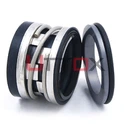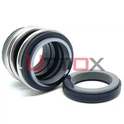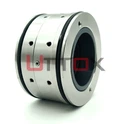


High-temperature pump applications present critical sealing challenges that can lead to catastrophic equipment failures, unplanned downtime, and hazardous leaks. When conventional elastomeric seals deteriorate under extreme heat, metal bellow seal technology offers the robust solution industries need to maintain safe, reliable operations in temperatures ranging from cryogenic conditions to over 350°C. Understanding the unique advantages and applications of metal bellows seals for high-temperature pumps is essential for engineers and maintenance professionals seeking to prevent seal failures that compromise safety, productivity, and environmental compliance in demanding industrial environments.
Understanding Metal Bellow Seal Technology in High-Temperature Applications
Metal bellow seal designs represent a fundamental advancement in mechanical sealing technology specifically engineered to address the limitations of traditional elastomeric seals. The core innovation lies in the use of corrugated metallic bellows that provide axial flexibility while maintaining exceptional rigidity in the radial direction. This unique construction eliminates the dependency on rubber O-rings or elastomeric components that degrade rapidly under thermal stress. In high-temperature pump applications, the metal bellow mechanical seal functions by utilizing the bellows assembly to maintain constant seal face loading despite shaft misalignment, thermal expansion, and vibration. The flexible metal bellows compensates for axial shaft movement while ensuring consistent contact pressure between the primary seal faces, typically manufactured from advanced materials such as silicon carbide, tungsten carbide, or carbon graphite combinations. The mechanical advantage of mech seals incorporating metal bellows technology becomes particularly evident when examining their performance in thermal cycling environments. Unlike spring-loaded seals where elastomeric components lose resilience at elevated temperatures, metal bellows maintain their spring characteristics across the entire operating temperature range. The JC 609 Metal Bellows Seals exemplify this principle with their welded bellows construction capable of withstanding temperatures from -75°C to +350°C. This remarkable temperature tolerance stems from the metallurgical properties of materials such as AM350, Inconel 718, and Hastelloy C, which retain their mechanical strength and corrosion resistance even under extreme thermal and chemical stress. The bellows design inherently distributes stress evenly across the corrugations, preventing stress concentration points that could lead to premature failure in high-temperature service.
Design Principles for Extreme Temperature Resistance
The engineering of metal bellow seal assemblies for high-temperature applications requires careful consideration of thermal expansion coefficients, material compatibility, and face loading dynamics. Modern metal bellow mechanical seal designs incorporate hydraulic balance features where the balance diameter lies within the bellows structure itself, enabling the seal to handle system pressures up to 20 bar while minimizing heat generation at the seal faces. This hydraulic balance is critical because it reduces the closing force on the seal faces, thereby decreasing frictional heat that would otherwise compound the thermal challenges already present in high-temperature applications. The rotating bellows configuration commonly employed in the JC 609 Metal Bellows Seals provides superior face tracking compared to stationary designs, ensuring optimal seal face contact even as pump operating conditions fluctuate. Material selection represents another crucial aspect of metal bellow seal performance in high-temperature environments. The seal rings available in various material grades including A, B, Q1/12, Q2/22, U1/12, and U2/22 offer different combinations of hardness, wear resistance, and thermal conductivity optimized for specific applications. For instance, silicon carbide seal faces paired with carbon graphite counterfaces provide excellent performance in clean, high-temperature fluids, while tungsten carbide combinations excel in abrasive services. The secondary sealing components, traditionally a weakness in high-temperature applications, utilize flexible graphite or specialized high-temperature elastomers such as FFKM (perfluoroelastomer) and AFLAS (tetrafluoroethylene-propylene copolymer) capable of maintaining sealing integrity at temperatures where standard VITON and NBR materials would fail catastrophically.
Critical Performance Parameters and Operating Limits
Understanding the operational boundaries of metal bellow seal technology is essential for proper application selection and reliable performance. The JC 609 Metal Bellows Seals demonstrate the typical operating envelope for high-temperature mech seals with temperature capabilities extending from cryogenic -75°C to extreme heat at +350°C, pressure ratings up to 20 bar, peripheral speeds reaching 25 m/s, and shaft size compatibility from 1 inch to 4 inches. These parameters are not arbitrary limits but rather represent the carefully validated performance boundaries where the seal can maintain its primary function of preventing fluid leakage while minimizing wear and heat generation. Exceeding these limits risks seal face damage, bellows fatigue, or secondary seal extrusion, all of which can lead to sudden seal failure and potential safety incidents. The pressure-temperature relationship in metal bellow mechanical seal applications deserves particular attention because these two parameters interact to influence seal face loading and heat dissipation. At elevated temperatures, most sealed fluids experience reduced viscosity, which affects the lubricating film between seal faces. Simultaneously, the vapor pressure of the sealed fluid increases, potentially leading to face vaporization if adequate cooling is not maintained. The narrow radial cross-section of modern metal bellow seal designs facilitates better heat dissipation from the seal chamber, while the balanced design reduces the heat generated by friction. This thermal management capability makes metal bellows seals particularly suitable for hot oil services, high-temperature chemical processes, and thermal fluid circulation systems where maintaining seal face temperatures below critical thresholds is challenging with conventional seal designs.

Applications of Metal Bellows Seals in High-Temperature Industries
The deployment of metal bellow seal technology across various high-temperature industrial sectors demonstrates its versatility and reliability in demanding applications. In petroleum refining operations, high-temperature pumps handling hot crude oil, reformer feeds, and thermal cracking products operate continuously at temperatures exceeding 300°C. The metal bellow mechanical seal provides essential leak prevention in these services where hydrocarbon emissions pose significant safety and environmental risks. The ability of mech seals to maintain sealing integrity during thermal cycling, start-stop operations, and process upsets makes them indispensable in refinery pump applications where downtime for seal replacement translates directly to substantial production losses. Power generation facilities represent another critical application area for high-temperature metal bellows seals. Boiler feed pumps, condensate pumps, and thermal oil circulation systems in both fossil fuel and nuclear power plants require sealing solutions capable of withstanding sustained high-temperature operation while maintaining zero-leak performance standards. The JC 609 Metal Bellows Seals and equivalent designs provide the reliability demanded by these applications, where seal failure could result in forced outages costing millions in lost generation capacity. The welded metal bellows construction eliminates the elastomeric degradation issues that plague conventional seals in these services, while the robust mechanical design resists the erosion and wear caused by high-velocity fluid flow and occasional cavitation events.
Chemical Processing and Specialty Manufacturing
Chemical process industries face perhaps the most diverse and challenging sealing requirements, combining high temperatures with aggressive chemical environments that attack both elastomers and metal components. Metal bellow seal technology addresses these challenges through careful material selection and design optimization. For instance, pumps handling hot acids, alkalis, and chlorinated solvents benefit from the corrosion resistance of Hastelloy C bellows and tungsten carbide seal faces, while the elimination of elastomeric dynamic seals removes a common failure mode in these corrosive services. The static sealing provided by flexible graphite or FFKM gaskets maintains leak-tight performance even when exposed to chemical attack that would rapidly degrade standard seal materials. Pharmaceutical manufacturing and food processing industries increasingly rely on metal bellow mechanical seal technology for high-temperature sterilization and cleaning processes. Steam-in-place (SIP) and clean-in-place (CIP) procedures subject pump seals to rapid temperature cycles and exposure to hot caustic cleaning solutions followed by high-temperature steam. The thermal shock resistance and cleaning compatibility of metal bellows seals make them ideal for these hygienic applications where product contamination from seal leakage is unacceptable. The smooth, crevice-free design of modern mech seals facilitates effective cleaning and prevents bacterial growth, while the robust construction withstands the mechanical stress of repeated thermal cycling without degradation.
Pulp and Paper Industry Challenges
The pulp and paper industry presents unique sealing challenges that combine high temperatures with abrasive and corrosive process fluids. Black liquor pumps, bleach plant pumps, and paper machine white water pumps operate at elevated temperatures while handling fluids containing suspended solids that cause rapid wear of conventional seal designs. Metal bellow seal technology provides extended service life in these applications through superior face tracking that maintains optimal seal face contact despite the presence of particulates. The spring force provided by the metal bellows is less susceptible to degradation from chemical attack compared to coil springs, which can suffer from stress corrosion cracking in chlorinated environments. Additionally, the hydraulic balance feature reduces face loading, minimizing wear even when handling slurries and abrasive fluids at elevated temperatures.
Installation and Maintenance Considerations for Metal Bellows Seals
Proper installation of metal bellow seal assemblies is critical to achieving their full performance potential in high-temperature applications. The installation procedure begins with careful inspection of the seal chamber and shaft to ensure they meet dimensional specifications and surface finish requirements. Any shaft runout, scoring, or corrosion must be addressed before seal installation because these imperfections will cause accelerated wear and premature failure regardless of seal quality. The metal bellow mechanical seal typically installs as either a component seal or cartridge assembly, with cartridge designs offering significant advantages in terms of installation simplicity and reduced risk of installation errors. When installing JC 609 Metal Bellows Seals or equivalent designs, attention must be paid to the correct orientation of rotating versus stationary components and proper compression of static sealing elements to manufacturer specifications. The setting dimension, or the distance the seal must be compressed during installation, critically affects performance in high-temperature applications. Insufficient compression may result in excessive face separation and leakage as thermal expansion occurs during operation, while over-compression can cause excessive face loading, leading to rapid wear and heat generation. Most metal bellow seal manufacturers provide specific setting gauges or installation instructions that must be followed precisely. Additionally, the shaft sleeve or shaft protection sleeve commonly used with mech seals must be properly installed and secured to prevent fretting corrosion and to provide a smooth, wear-resistant surface for the seal's rotary unit.
Operational Monitoring and Predictive Maintenance
Successful long-term operation of metal bellows seals in high-temperature applications requires systematic monitoring and proactive maintenance strategies. Temperature monitoring of the seal chamber provides early warning of potential issues such as inadequate flush flow, face contact problems, or process condition changes that could compromise seal performance. Modern plant monitoring systems can trend seal chamber temperatures and alert operators to deviations from normal operating ranges before catastrophic failure occurs. Additionally, monitoring flush system flow rates and pressures ensures that adequate cooling and lubrication reaches the seal faces, which is particularly critical in high-temperature services where even brief interruptions in flush flow can cause immediate seal failure. Vibration analysis represents another valuable predictive maintenance tool for pumps equipped with metal bellow mechanical seal technology. Changes in vibration signatures can indicate developing problems such as bearing wear, impeller imbalance, or cavitation that will eventually affect seal performance. Addressing these mechanical issues before they cause seal damage extends seal life and prevents unexpected failures. The robust construction of metal bellows seals provides some tolerance for mechanical problems, but sustained operation with excessive vibration or misalignment will ultimately lead to premature failure even with high-quality mech seals. Implementing a comprehensive predictive maintenance program that includes thermal imaging, vibration monitoring, and regular inspection of seal support systems maximizes the operational reliability and cost-effectiveness of metal bellow seal installations.
Troubleshooting Common High-Temperature Seal Issues
Despite the superior design of metal bellows seals, operational issues can still occur in high-temperature applications. Excessive leakage typically indicates seal face damage, improper installation, or inadequate flush system performance. In high-temperature services, checking the flush system should be the first troubleshooting step because insufficient cooling flow rapidly leads to face contact problems and thermal distortion. If the flush system is functioning correctly, inspection of the seal faces for heat checking, thermal cracking, or wear patterns provides insight into the root cause of failure. Heat checking appears as fine cracks in the seal face surface caused by thermal shock or inadequate cooling, while circumferential wear tracks indicate poor face tracking or the presence of abrasive particles in the sealed fluid. Bellows fatigue represents another potential failure mode in metal bellow seal applications, though modern designs have largely eliminated this issue through improved metallurgy and stress analysis. Bellows failure typically manifests as a crack in one of the corrugations, resulting in immediate loss of seal function and substantial leakage. This failure mode is most common in applications with excessive vibration, improper installation causing bellows over-compression, or exposure to temperatures beyond the material's capability. Preventive measures include ensuring proper shaft alignment, using cartridge seal designs that prevent installation errors, and selecting bellows materials appropriate for the application's temperature and chemical environment. The JC 609 Metal Bellows Seals utilize advanced welding techniques and material selection to provide exceptional fatigue resistance, with documented service lives exceeding five years in properly maintained systems.
Comparative Analysis: Metal Bellows Versus Conventional Seal Technologies
The decision to specify metal bellow seal technology over conventional spring-loaded or rubber bellows designs requires understanding the performance trade-offs and economic implications. Metal bellows seals command a higher initial purchase price compared to elastomeric seal designs, typically costing 50-100% more depending on size and material specifications. However, this initial cost premium must be evaluated against the total cost of ownership, which includes installation labor, maintenance frequency, spare parts inventory, and downtime costs associated with seal failures. In high-temperature applications where conventional seals may require replacement every 6-12 months, metal bellow mechanical seal designs routinely achieve 3-5 year service life, resulting in substantially lower lifecycle costs despite the higher upfront investment. Performance comparison reveals distinct advantages of metal bellows technology in temperature extremes. While high-quality elastomeric seals using FFKM O-rings can operate up to approximately 260°C, metal bellow seal designs extend this capability to 350°C or higher depending on material selection. This temperature extension is not merely incremental but transformative, enabling seal application in services previously considered "unsealable" with conventional mechanical seals. The JC 609 Metal Bellows Seals demonstrate this capability by providing reliable performance equivalent to original John Crane Type 609 seals at a fraction of the cost, making advanced sealing technology accessible to a broader range of applications and budgets.
Environmental and Safety Advantages
The environmental and safety benefits of metal bellows seals in high-temperature applications extend beyond simple leak prevention. Fugitive emissions regulations increasingly target volatile organic compound (VOC) leakage from pump seals, with particularly stringent requirements for hazardous air pollutants and compounds that contribute to smog formation. Metal bellow mechanical seal technology achieves emissions levels typically below 500 parts per million, and often approaching zero measurable emissions, making them essential for compliance with environmental regulations. In high-temperature hydrocarbon services, where vapor pressure drives increased emissions from degraded conventional seals, the sustained zero-leak performance of metal bellows designs provides both regulatory compliance and significant environmental benefits. Safety considerations favor metal bellows seals in applications handling toxic, flammable, or corrosive fluids at elevated temperatures. The catastrophic failure mode of elastomeric seals, where rapid degradation leads to sudden complete seal failure and massive leakage, poses serious personnel safety risks. Metal bellow seal degradation, by contrast, tends to be gradual, providing warning signs such as increased leakage or temperature rise that allow for planned maintenance before catastrophic failure. This predictable degradation characteristic, combined with the robust construction resistant to sudden failure, makes mech seals with metal bellows technology the preferred choice for critical services where seal failure could result in personnel injury, fire, or toxic exposure.
Selection Criteria and Specification Guidelines
Selecting the appropriate metal bellow seal configuration for high-temperature pump applications requires systematic evaluation of multiple factors. The sealed fluid's properties, including temperature, pressure, viscosity, chemical composition, and presence of solids, establish the baseline requirements for seal face materials and metallurgy. For instance, clean, non-corrosive thermal fluids permit use of cost-effective materials like SS316 hardware with silicon carbide faces, while corrosive high-temperature chemicals may necessitate exotic alloys such as Hastelloy C or Inconel 718 combined with tungsten carbide seal faces. The operating conditions must be compared against the seal's published operating limits, ensuring adequate safety margin particularly for temperature and pressure ratings. A general guideline suggests operating at no more than 80% of the seal's maximum rated temperature to provide margin for process upsets and ensure optimal longevity. Seal chamber design and flush arrangement significantly influence metal bellow mechanical seal performance in high-temperature applications. API Plan 11 arrangements, where the seal operates in the process fluid without external flush, are suitable for clean fluids below 200°C with adequate cooling characteristics. Higher temperature applications or fluids with poor lubricity require external flush systems, with API Plan 23 (external flush from another source) being common for temperatures from 200-350°C. The flush fluid must be compatible with both the process fluid and seal materials while providing effective cooling and lubrication to the seal faces. Flush flow rates typically range from 1-4 liters per minute depending on heat load, with higher flows required for maximum temperature applications to maintain seal face temperatures within acceptable limits.
Material Selection for Optimal Performance
The material combinations specified for metal bellow seal components directly determine performance, reliability, and cost. Seal face pairing selection must balance wear resistance, thermal conductivity, chemical resistance, and cost considerations. Silicon carbide versus carbon provides excellent performance in most clean fluid services with good thermal properties and moderate cost. Silicon carbide versus silicon carbide combinations offer superior wear resistance and chemical compatibility but require excellent lubrication to prevent face chipping. Tungsten carbide seal faces provide maximum abrasion resistance for services containing suspended solids but have lower thermal conductivity requiring careful attention to cooling. The JC 609 Metal Bellows Seals offer multiple seal face options to match specific application requirements, ensuring optimal performance across diverse operating conditions. Secondary sealing material selection requires equal care, as these components must maintain sealing integrity across the temperature range while resisting chemical attack. For applications below 200°C, VITON elastomers provide excellent chemical resistance and cost-effectiveness. Higher temperature applications from 200-260°C typically utilize FFKM (perfluoroelastomer) which offers exceptional chemical resistance and temperature capability. Beyond 260°C, flexible graphite becomes the material of choice, providing reliable static sealing to temperatures exceeding 400°C. The metal bellows material itself must be selected based on the combination of temperature, pressure, and chemical environment, with AM350 precipitation-hardening stainless steel suitable for most services, while highly corrosive environments may require Hastelloy C or Inconel 718 despite their significantly higher cost.
Conclusion
Metal bellows seals represent the optimal sealing solution for high-temperature pump applications where conventional elastomeric seal designs fail to provide adequate reliability and performance. The unique combination of temperature capability from -75°C to +350°C, robust mechanical design eliminating elastomeric degradation, and proven long-term reliability makes metal bellow seal technology essential for critical services in petroleum refining, chemical processing, power generation, and other demanding industries. By understanding the design principles, application requirements, and proper installation practices, engineers and maintenance professionals can leverage metal bellows seal technology to achieve superior equipment reliability, regulatory compliance, and operational cost reduction in their most challenging high-temperature sealing applications.
Cooperate with Zhejiang Uttox Fluid Technology Co.,Ltd.
As a China metal bellow seal manufacturer with over 30 years of industry experience since 1990, Zhejiang Uttox Fluid Technology Co.,Ltd. delivers High Quality metal bellow seal solutions matching flygt standards. Our China metal bellow seal factory offers competitive metal bellow seal price with comprehensive inventory for fast delivery across petroleum refining, water treatment, pulp & paper, shipbuilding, food & beverage, pharmaceutical, and power plant industries. As a trusted China metal bellow seal supplier and China metal bellow seal wholesale provider, we offer metal bellow seal for sale with experienced R&D teams providing customization and technical solutions for different working conditions. Recognized by customers from over 50 countries, our professional technical team provides free technical support with OEM capabilities. When you need reliable mech seals that deliver proven performance in your most critical high-temperature applications, contact us at info@uttox.com to discover how our JC 609 Metal Bellows Seals completely replace original John Crane mechanical seals with excellent quality and competitive pricing.
References
1. Mechanical Seals for Pumps: Application Guidelines (Author: Heinz P. Bloch, Engineering Consultant)
2. Handbook of Mechanical Seal Design and Application in High Temperature Services (Author: Alan O. Lebeck, Professor of Mechanical Engineering)
3. Industrial Sealing Technology: Metal Bellows Mechanical Seals (Author: Robert K. Flitney, Sealing Technology Consultant)
4. API Standard 682: Pumps - Shaft Sealing Systems for Centrifugal and Rotary Pumps (Author: American Petroleum Institute Technical Committee)