

When industrial pumps fail unexpectedly, causing costly downtime and emergency repairs, the culprit is often inadequate lubrication of mechanical seals. This critical component failure scenario affects thousands of operations worldwide daily. The answer is straightforward: yes, mechanical seals require seal water or compatible barrier fluid for proper lubrication, cooling, and optimal performance. Understanding this fundamental requirement can save your operation from catastrophic failures, reduce maintenance costs, and extend equipment life significantly.
Understanding Mechanical Seals Water Requirements
The Critical Role of Seal Water in Mechanical Seal Operation
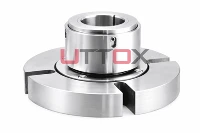
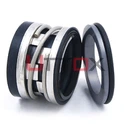
Mechanical seals are precision-engineered components that create a dynamic barrier between rotating and stationary parts in pumps and rotating equipment. These seals rely on maintaining an extremely thin fluid film between seal faces to prevent direct contact and minimize wear. Without proper lubrication from seal water or compatible fluids, mechanical seals would experience rapid degradation due to friction, heat generation, and material wear. The lubrication mechanism involves creating a boundary layer between the primary and mating ring surfaces. This microscopic fluid film, typically measuring only micrometers thick, prevents metal-to-metal contact while maintaining the seal's integrity. Grundfos pump seals, like other high-quality mechanical seals, depend on this lubrication principle for reliable operation. When seal water is absent or inadequate, the seal faces experience direct contact, leading to accelerated wear, heat generation, and ultimately, seal failure.
Types of Fluids Used for Mechanical Seal Lubrication
Various fluids can serve as lubricants for mechanical seals, depending on the application requirements and operating conditions. The primary options include the process fluid itself, external clean water, barrier fluids, or specialized lubricating liquids. Process fluid lubrication is common when the pumped medium is compatible and provides adequate lubricating properties. However, when handling abrasive, corrosive, or non-lubricating fluids, external seal water becomes essential. Clean water remains the most commonly used external lubricant for mechanical seals due to its availability, cost-effectiveness, and excellent lubricating properties. Water provides effective cooling, helps flush away debris, and maintains the necessary fluid film between seal faces. Grundfos pumps frequently utilize water-based lubrication systems, ensuring optimal performance across various industrial applications. Alternative barrier fluids include light oils, glycol solutions, or specialized synthetic lubricants designed for specific operating conditions or chemical compatibility requirements.

Seal Water Systems and Implementation Methods
Single Mechanical Seal Water Requirements
Single mechanical seals represent the most basic configuration, where one set of seal faces prevents leakage from the process side to the atmosphere. These seals typically require seal water when the process fluid lacks sufficient lubricating properties or contains particles that could damage seal faces. The seal water is introduced at the seal chamber, creating a clean environment around the seal faces while providing necessary lubrication and cooling. Implementation of seal water systems for single mechanical seals involves careful consideration of water quality, pressure, and flow rate. The seal water pressure must exceed the process pressure by a specified margin to ensure proper flow direction and prevent process fluid contamination of the seal faces. Flow rates typically range from 1-3 liters per minute, depending on the seal size and operating conditions. Grundfos pump seals benefit from properly designed water injection systems that maintain consistent pressure and flow characteristics throughout the operating cycle.
Double Mechanical Seal Water Requirements
Double mechanical seal configurations utilize two sets of seal faces with a barrier fluid between them, providing enhanced reliability and environmental protection. These systems inherently require barrier fluid circulation, as the space between the inner and outer seal faces must be filled with a compatible lubricating medium. The barrier fluid serves multiple purposes: lubricating both seal faces, providing cooling, and creating a clean environment isolated from the process fluid. Double mechanical seals consume more barrier fluid than single seals, typically requiring 4-6 liters per minute of circulation. The barrier fluid system includes a reservoir, circulation pump, heat exchanger, and monitoring instrumentation to maintain optimal operating conditions. This configuration is essential for handling hazardous, toxic, or environmentally sensitive fluids where zero emissions are required. The complexity of double seal systems necessitates careful design and maintenance to ensure reliable operation and prevent barrier fluid contamination.
Water Quality and Treatment Considerations for Mechanical Seals
Water Quality Standards for Seal Applications
The quality of seal water significantly impacts mechanical seal performance and longevity. Poor water quality can introduce contaminants, cause seal face damage, or create deposits that interfere with proper seal operation. Essential water quality parameters include filtration level, hardness, pH, chloride content, and dissolved oxygen concentration. Industrial applications typically require filtered water with particle sizes less than 25 microns to prevent abrasive wear of seal faces. Chemical composition of seal water affects material compatibility and long-term reliability. High chloride concentrations can cause corrosion of metallic seal components, while excessive hardness leads to scale formation and deposit buildup. Temperature control of seal water is equally important, as elevated temperatures reduce lubricating effectiveness and can cause thermal stress in seal materials. Grundfos pump seals, like other precision mechanical seals, perform optimally with clean, temperature-controlled water that meets specific quality standards.
Water Treatment Systems for Seal Applications
Effective water treatment systems ensure consistent seal water quality and prevent contamination-related failures. Basic treatment includes mechanical filtration to remove particles, chemical treatment for pH adjustment and corrosion control, and temperature regulation through heat exchangers or cooling systems. Advanced treatment may incorporate reverse osmosis, demineralization, or specialized chemical additives to achieve specific water quality targets. Monitoring and control systems track key parameters such as flow rate, pressure, temperature, and water quality indicators. Automated control systems can adjust treatment parameters in real-time, ensuring optimal seal water conditions under varying operating conditions. Regular maintenance of treatment systems, including filter replacement, chemical adjustment, and system cleaning, is essential for sustained performance. Investment in proper water treatment systems pays dividends through extended seal life, reduced maintenance costs, and improved equipment reliability.
Alternative Solutions and Water Conservation Methods
Waterless Mechanical Seal Technologies
Recent technological advances have introduced waterless mechanical seal solutions for applications where water consumption reduction is critical or where water availability is limited. These specialized seals utilize dry-running materials, gas lubrication, or self-lubricating face materials to eliminate traditional water requirements. Silicon carbide versus silicon carbide face combinations, enhanced with specialized surface treatments, can operate effectively without external lubrication under specific conditions. However, waterless mechanical seals have limitations and are not suitable for all applications. Operating speed, pressure, temperature, and process fluid characteristics must be carefully evaluated to determine feasibility. These seals typically require more precise installation, alignment, and maintenance procedures compared to conventional water-lubricated seals. While eliminating water consumption, waterless seals may have shorter service life or require more frequent maintenance, making total cost of ownership considerations important.
Water Recycling and Conservation Systems
Water conservation initiatives have driven development of advanced recycling and recirculation systems for seal water applications. Closed-loop systems capture and treat used seal water, removing contaminants and reconditioning the water for reuse. These systems significantly reduce fresh water consumption while maintaining seal performance requirements. Treatment processes may include filtration, chemical adjustment, temperature control, and contamination monitoring. Smart control systems optimize water usage by monitoring seal condition and adjusting flow rates based on operating requirements. Variable flow control reduces water consumption during low-load conditions while ensuring adequate lubrication during peak operation. Integration with plant-wide water management systems enables optimization across multiple applications and equipment. These conservation measures support environmental sustainability goals while reducing operating costs and regulatory compliance requirements.
Troubleshooting Common Seal Water Problems
Identifying Seal Water System Failures
Common seal water system problems manifest through various symptoms that require systematic diagnosis and correction. Inadequate water flow typically results from clogged filters, pump failures, or pressure regulation problems. Visual inspection of flow indicators, pressure gauges, and filtration systems provides initial diagnostic information. Seal face damage, evidenced by increased leakage or noise, often indicates water quality problems or insufficient lubrication. Water contamination issues appear as discoloration, unusual odors, or deposit formation in the seal area. Chemical analysis of seal water samples can identify specific contaminants and guide corrective actions. Temperature problems, whether excessive heating or inadequate cooling, affect seal performance and require evaluation of heat exchanger effectiveness, circulation rates, and ambient conditions. Regular monitoring and maintenance of instrumentation ensures accurate diagnosis of system problems.
Preventive Maintenance for Seal Water Systems
Systematic preventive maintenance programs minimize seal water system problems and extend mechanical seal life. Regular filter replacement prevents contamination buildup and maintains proper flow characteristics. Water quality testing at scheduled intervals identifies potential problems before they affect seal performance. Pump maintenance, including impeller inspection and bearing lubrication, ensures reliable water circulation. System calibration and instrumentation verification maintain accurate monitoring and control capabilities. Documentation of maintenance activities, water quality data, and system performance creates valuable trending information for optimization and troubleshooting. Training maintenance personnel in proper procedures and safety requirements ensures consistent execution of maintenance tasks. Proactive maintenance approaches significantly reduce unplanned downtime and emergency repair costs.
Conclusion
Mechanical seals require seal water for optimal performance, longevity, and reliability in most industrial applications. Understanding the critical role of proper lubrication, cooling, and contamination prevention enables informed decisions about seal water system design and maintenance.
Cooperate with Zhejiang Uttox Fluid Technology Co., Ltd.
Zhejiang Uttox Fluid Technology Co., Ltd., established in 1990, stands as a premier China mechanical seals manufacturer with over 30 years of industry expertise. Our experienced R&D team provides technical guidance and customization solutions for diverse working conditions across petroleum refining, water treatment, pulp & paper, shipbuilding, food & beverage, pharmacy, and power plant industries.
As a leading China mechanical seals supplier, we offer comprehensive product variety with sufficient inventory for fast delivery. Our China mechanical seals factory maintains quality standards comparable to Flygt, ensuring High Quality mechanical seals at competitive mechanical seals price. Professional technical support, OEM services, and third-party quality assurance demonstrate our commitment as a trusted China mechanical seals wholesale partner.
Contact our team at info@uttox.com for mechanical seals for sale and customized solutions. Bookmark this resource for quick reference when seal challenges arise, and leverage our three decades of experience to optimize your equipment performance.
FAQ
Q: How much seal water do mechanical seals typically consume?
A: Single mechanical seals usually require 1-3 liters per minute, while double mechanical seals consume 4-6 liters per minute, depending on size and operating conditions.
Q: Can tap water be used directly for seal water applications?
A: Tap water typically requires filtration and treatment to remove particles, adjust pH, and control chemical composition before use in mechanical seal applications.
Q: What happens if seal water supply is interrupted?
A: Interruption of seal water supply causes rapid seal face wear, overheating, and potential catastrophic failure within minutes to hours, depending on operating conditions.
Q: Are there mechanical seals that don't require water?
A: Specialized dry-running mechanical seals exist for specific applications, but most industrial mechanical seals require some form of lubrication fluid for optimal performance.
References
1. "Mechanical Seals: Design and Application" by John H. Crane, Industrial Press, 2018
2. "Centrifugal Pump User's Guidebook: Problems and Solutions" by Sam G. Yedidiah, Chapman & Hall, 1996
3. "Mechanical Seal Practice for Improved Performance" by Heinz P. Bloch, Fairmont Press, 2005
4. "API Standard 682: Pumps - Shaft Sealing Systems for Centrifugal and Rotary Pumps" by American Petroleum Institute, 2014