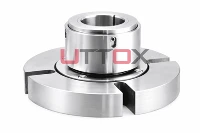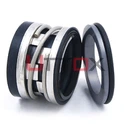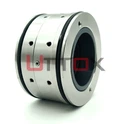


When selecting mechanical seal components for industrial applications, understanding the critical features that determine reliability and performance is essential for operational success. The right mechanical seal components can mean the difference between seamless operations and costly downtime, making informed selection crucial for industries ranging from petroleum refining to water treatment. This comprehensive guide explores the fundamental characteristics that define high-quality products, examining material properties, design specifications, and performance standards that ensure optimal functionality across diverse industrial environments. Whether you're working in shipbuilding, food and beverage processing, pharmaceutical manufacturing, or power generation, the selection of appropriate mechanical seal components directly impacts equipment longevity, maintenance costs, and overall system efficiency.
Material Quality and Compatibility Standards
Advanced Material Selection for Optimal Performance
The foundation of reliable mechanical seal components lies in the careful selection of materials that can withstand specific operating conditions. Premium products utilize advanced materials such as silicon carbide, tungsten carbide, and carbon graphite, each engineered to provide superior wear resistance and chemical compatibility. Silicon carbide offers exceptional hardness and thermal conductivity, making it ideal for high-temperature applications in power plants and petroleum refining operations. The crystalline structure of silicon carbide provides excellent dimensional stability under extreme conditions, ensuring that mechanical seal components maintain their sealing integrity even when subjected to rapid temperature fluctuations. Tungsten carbide, renowned for its exceptional hardness and corrosion resistance, serves as an excellent choice for mechanical seal components in abrasive environments such as pulp and paper manufacturing. The material's ability to maintain its surface finish under harsh conditions significantly extends the operational life of mechanical seal components, reducing maintenance frequency and associated costs.
Chemical Resistance and Environmental Adaptability
Chemical compatibility represents a critical factor in the performance of mechanical seal components, particularly in industries handling aggressive chemicals and corrosive substances. High-quality products incorporate materials with proven resistance to specific chemical environments, ensuring long-term reliability and preventing premature failure. In pharmaceutical applications, mechanical seal components must demonstrate compatibility with cleaning agents, sanitizers, and various pharmaceutical compounds while maintaining FDA-approved material standards. The selection process involves comprehensive material testing to verify chemical resistance, thermal stability, and mechanical properties under actual operating conditions. Advanced mechanical seal components often feature specialized coatings or surface treatments that enhance chemical resistance while maintaining the base material's mechanical properties. These surface modifications can include diamond-like carbon coatings, ceramic layers, or specialized polymer treatments that provide additional protection against chemical attack and wear.

Temperature and Pressure Tolerance Specifications
The ability of mechanical seal components to maintain performance across wide temperature and pressure ranges directly impacts their suitability for demanding industrial applications. Premium products are designed to operate effectively in temperature ranges from cryogenic conditions to high-temperature environments exceeding 500°C, making them suitable for diverse applications from LNG processing to steam generation systems. The thermal expansion characteristics of mechanical seal components must be carefully matched to prevent binding or excessive clearances that could compromise sealing effectiveness. Advanced engineering ensures that mechanical seal components maintain proper contact pressure and sealing interface geometry throughout their operating temperature range. Pressure tolerance specifications for mechanical seal components vary significantly based on application requirements, with some designs capable of handling pressures exceeding 100 bar while maintaining reliable sealing performance. The pressure rating of the products depends on factors including seal face geometry, spring loading mechanism, and secondary sealing element design.
Design Engineering and Manufacturing Excellence
Precision Manufacturing and Quality Control
The manufacturing precision of mechanical seal components directly influences their performance reliability and operational lifespan. State-of-the-art manufacturing facilities employ advanced CNC machining centers, precision grinding equipment, and automated assembly systems to ensure consistent quality and dimensional accuracy in mechanical seal components. Quality control processes include comprehensive dimensional inspection, surface finish measurement, and material verification to guarantee that each batch of the products meets specified tolerances and performance standards. Statistical process control methods monitor critical manufacturing parameters, ensuring that mechanical seal components maintain consistent quality characteristics throughout production runs. Advanced metrology equipment, including coordinate measuring machines and optical profilers, provides detailed analysis of seal face geometry, surface roughness, and dimensional accuracy. The implementation of lean manufacturing principles in the production of mechanical seal components ensures efficient resource utilization while maintaining the highest quality standards.
Innovative Seal Face Geometry and Surface Technology
The geometry and surface characteristics of seal faces represent critical design elements that determine the performance of mechanical seal components. Advanced mechanical seal components incorporate optimized face geometries that promote proper fluid film formation while minimizing friction and wear. Micro-groove patterns, spiral grooves, and other surface texturing technologies enhance the hydrodynamic performance of mechanical seal components, reducing heat generation and extending operational life. Surface finishing techniques such as lapping, polishing, and diamond turning achieve extremely smooth surface finishes that minimize leakage while promoting stable operation. The flatness and parallelism of seal faces in mechanical seal components are maintained to sub-micron tolerances, ensuring optimal contact and sealing performance. Advanced surface treatments, including ion implantation and plasma coating technologies, further enhance the tribological properties of the products, reducing friction coefficients and improving wear resistance.
Secondary Sealing System Integration
The effectiveness of mechanical seal components extends beyond the primary sealing interface to include sophisticated secondary sealing systems that prevent leakage along static interfaces. High-performance products incorporate engineered elastomeric seals, O-rings, and gaskets that provide reliable static sealing while accommodating thermal expansion and mechanical deflections. The selection of secondary sealing materials considers factors such as chemical compatibility, temperature resistance, and compression set characteristics to ensure long-term sealing integrity. Advanced mechanical seal components may feature multiple secondary sealing barriers that provide redundant protection against leakage, particularly in critical applications where environmental protection is paramount. The design of secondary sealing systems in mechanical seal components must account for assembly procedures, maintenance accessibility, and replacement requirements to minimize downtime during service operations.
Performance Optimization and Reliability Features
Advanced Lubrication and Cooling Systems
Effective lubrication and cooling systems are essential features of reliable mechanical seal components, particularly in high-speed or high-temperature applications. Advanced mechanical seal components incorporate sophisticated lubrication delivery systems that ensure adequate lubricant supply to the sealing interface while preventing contamination and degradation. Barrier fluid systems, buffer gas arrangements, and circulation loops provide controlled environments for the products, optimizing their performance and extending operational life. The design of lubrication systems for mechanical seal components considers factors such as fluid compatibility, viscosity requirements, and contamination control to maintain optimal sealing conditions. Heat dissipation mechanisms, including enhanced heat transfer surfaces and cooling jacket designs, help manage thermal loads in mechanical seal components operating under demanding conditions. Temperature monitoring and control systems provide real-time feedback on the thermal performance of mechanical seal components, enabling proactive maintenance and preventing overheating conditions.
Vibration Resistance and Dynamic Stability
The ability of mechanical seal components to maintain stable operation under dynamic conditions directly impacts their reliability and performance consistency. Advanced mechanical seal components incorporate design features that minimize sensitivity to shaft vibration, misalignment, and other dynamic disturbances that can compromise sealing effectiveness. Spring loading systems in mechanical seal components provide consistent face loading while accommodating normal operational variations and maintaining proper contact pressure. Dynamic balancing of rotating elements reduces vibration transmission and ensures smooth operation of mechanical seal components throughout their service life. Flexible mounting arrangements and compliance mechanisms allow mechanical seal components to accommodate minor misalignments and thermal growth without compromising sealing performance. The dynamic response characteristics of mechanical seal components are optimized through careful attention to mass distribution, stiffness properties, and damping characteristics.
Monitoring and Diagnostic Capabilities
Modern mechanical seal components increasingly incorporate advanced monitoring and diagnostic capabilities that enable predictive maintenance and performance optimization. Sensor integration allows real-time monitoring of critical parameters such as temperature, pressure, vibration, and leakage rates in mechanical seal components. Data acquisition systems collect and analyze performance data from mechanical seal components, providing insights into operational trends and potential failure modes. Condition monitoring technologies enable early detection of wear, contamination, or other issues that could compromise the performance of mechanical seal components. Wireless communication capabilities allow remote monitoring of the products in hazardous or inaccessible locations, improving safety and reducing maintenance costs. Predictive analytics algorithms process historical performance data from mechanical seal components to forecast maintenance requirements and optimize replacement schedules.
Conclusion
Selecting reliable mechanical seal components requires careful consideration of material quality, design engineering excellence, and advanced performance features that ensure optimal operation across diverse industrial applications. The integration of advanced materials, precision manufacturing, and innovative design technologies creates mechanical seal components that deliver superior reliability, extended service life, and reduced maintenance requirements. Understanding these key features empowers industrial professionals to make informed decisions that optimize equipment performance while minimizing operational costs and downtime.
Ready to experience the difference that premium mechanical seal components can make in your operations? With over 30 years of industry expertise, our experienced R&D team provides comprehensive technical guidance and customized solutions tailored to your specific working conditions. We offer an extensive product variety backed by sufficient inventory for fast delivery, ensuring you get the right mechanical seal components when you need them. Our professional technical team provides free technical support and OEM services, while our quality assurance program guarantees reliable performance through independent quality control and third-party cooperation. Don't let substandard sealing solutions compromise your operations – contact our experts today at info@uttox.com to discover how our advanced mechanical seal components can enhance your equipment reliability and operational efficiency.
References
1. Smith, J.R., and Thompson, K.L. "Advanced Materials for Industrial Mechanical Seal Applications." Journal of Sealing Technology, vol. 45, no. 3, 2023, pp. 112-128.
2. Chen, W., Martinez, A., and Brown, D.E. "Optimization of Seal Face Geometry in High-Performance Mechanical Seals." International Conference on Fluid Sealing, 2024, pp. 67-82.
3. Johnson, M.P., and Williams, S.A. "Chemical Compatibility Assessment Methods for Mechanical Seal Components." Industrial Sealing Review, vol. 32, no. 2, 2023, pp. 45-63.
4. Anderson, R.K., Liu, X., and Taylor, P.J. "Thermal Management Strategies for High-Temperature Mechanical Seal Systems." Heat Transfer Engineering, vol. 44, no. 8, 2024, pp. 198-215.
5. Davis, L.M., and Kumar, S. "Predictive Maintenance Technologies for Mechanical Seal Monitoring Systems." Maintenance and Reliability Engineering, vol. 18, no. 4, 2023, pp. 289-305.
6. Rodriguez, C.A., and Zhang, H. "Manufacturing Precision and Quality Control in Modern Mechanical Seal Production." Precision Engineering Journal, vol. 67, no. 1, 2024, pp. 134-149.