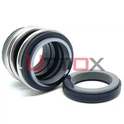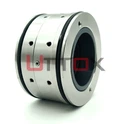


Petroleum refining operations present some of the most challenging and hazardous environments in industrial manufacturing, where the integrity of sealing systems directly impacts both operational safety and environmental protection. The implementation of rubber bellow mechanical seals has revolutionized safety protocols within these facilities, offering superior containment capabilities that prevent dangerous fluid leakage and maintain system integrity under extreme operating conditions. These specialized sealing solutions provide critical protection against catastrophic failures that could result in fires, explosions, or environmental contamination, making them indispensable components in modern refining operations where safety standards are paramount.
Superior Containment and Leak Prevention in High-Risk Environments
Enhanced Sealing Performance Under Extreme Conditions
Rubber bellow mechanical seals demonstrate exceptional performance in petroleum refining environments where traditional sealing methods often fail. The unique design of these seals incorporates a flexible rubber bellows that maintains constant contact pressure between sealing faces, even when subjected to thermal cycling, vibration, and pressure fluctuations commonly encountered in refining processes. This consistent sealing action prevents the escape of volatile hydrocarbons, toxic gases, and corrosive chemicals that pose significant safety risks to personnel and equipment. The rubber bellow construction allows for axial movement compensation, ensuring that shaft misalignment and thermal expansion do not compromise the seal's integrity. In distillation towers, cracking units, and fluid catalytic cracking systems, these seals maintain their effectiveness across temperature ranges from -40°C to 250°C, providing reliable containment of hazardous process fluids that could otherwise create explosive atmospheres or cause severe chemical burns to maintenance workers.
Prevention of Catastrophic Equipment Failures
The robust design of rubber bellow mechanical seals significantly reduces the risk of catastrophic equipment failures that can lead to plant shutdowns, fires, or explosions in petroleum refining facilities. Unlike conventional packing systems that require frequent adjustment and maintenance, rubber bellow mechanical seals operate with minimal maintenance requirements while providing consistent sealing performance throughout their service life. The bellows design eliminates the need for dynamic O-ring seals that can fail due to extrusion, chemical attack, or thermal degradation, common issues in high-pressure refining applications. When installed in critical rotating equipment such as process pumps, compressors, and agitators handling flammable hydrocarbons, these seals prevent the formation of leak paths that could ignite and cause devastating fires. The positive sealing action of rubber bellow mechanical seals ensures that even under emergency shutdown conditions or power failures, the containment integrity is maintained, preventing the release of process fluids that could escalate minor incidents into major safety disasters.

Environmental Protection and Regulatory Compliance
Rubber bellow mechanical seals play a crucial role in helping petroleum refining facilities meet stringent environmental regulations and safety standards imposed by regulatory bodies worldwide. These seals provide zero-leakage performance that prevents the emission of volatile organic compounds (VOCs), benzene, and other hazardous air pollutants that are strictly regulated under environmental protection acts. The superior sealing capability of rubber bellow mechanical seals ensures compliance with fugitive emission standards, helping refineries avoid costly fines and maintain their operating licenses. In applications involving hydrogen sulfide, mercaptans, and other toxic compounds, these seals prevent worker exposure to dangerous chemicals that could cause serious health problems or fatalities. The long service life of rubber bellow mechanical seals reduces the frequency of maintenance interventions, minimizing the risk of accidental releases during seal replacement procedures. Additionally, the reliable containment provided by these seals protects groundwater and soil from contamination by preventing leaks that could seep into the environment, supporting the industry's commitment to sustainable operations and environmental stewardship.
Advanced Materials and Design Features for Hazardous Applications
Chemical Resistance and Material Compatibility
The selection of appropriate materials for rubber bellow mechanical seals in petroleum refining applications requires careful consideration of chemical compatibility, temperature resistance, and mechanical properties. Modern rubber bellow mechanical seals utilize advanced elastomeric materials such as fluorocarbon rubber (FKM), perfluoroelastomer (FFKM), and specialized hydrogenated nitrile compounds that exhibit exceptional resistance to aggressive chemicals commonly found in refining processes. These materials maintain their flexibility and sealing properties when exposed to crude oil, refined petroleum products, hydrogen sulfide, sulfuric acid, and various hydrocarbon solvents. The bellows construction allows for the use of specialized compounds that provide superior chemical resistance while maintaining the flexibility required for effective sealing under dynamic conditions. In applications involving high-temperature hydrocracking processes, rubber bellow mechanical seals incorporating FFKM materials can withstand continuous exposure to temperatures exceeding 200°C while maintaining their sealing integrity against aggressive hydrogen-rich environments that would rapidly degrade conventional sealing materials.
Innovative Design Features for Enhanced Safety
Contemporary rubber bellow mechanical seals incorporate numerous design innovations that enhance safety performance in petroleum refining applications. The welded metal bellows construction provides superior fatigue resistance compared to formed bellows, ensuring long-term reliability in high-cycle applications such as reciprocating compressors and high-speed centrifugal pumps. Advanced face material combinations, including silicon carbide, tungsten carbide, and specialized ceramic composites, provide excellent wear resistance and thermal stability under extreme operating conditions. The incorporation of secondary containment features, such as tandem seal arrangements and barrier fluid systems, provides additional layers of protection against seal failure. Many rubber bellow mechanical seals designed for refining applications include integral cooling systems that prevent thermal damage to the sealing interfaces, while others incorporate advanced face geometry designs that optimize heat dissipation and reduce wear rates. These design features work synergistically to ensure that the seals maintain their performance characteristics throughout their service life, providing consistent safety protection even under the most demanding operating conditions.
Quality Manufacturing and Testing Standards
The manufacturing of rubber bellow mechanical seals for petroleum refining applications requires adherence to strict quality standards and testing protocols that ensure consistent performance and reliability. Leading manufacturers employ advanced manufacturing techniques such as laser welding, precision machining, and automated assembly processes to produce seals that meet the exacting requirements of refining applications. Each seal undergoes comprehensive testing including pressure testing, temperature cycling, chemical compatibility verification, and performance validation under simulated operating conditions. The quality control processes ensure that rubber bellow mechanical seals can withstand the demanding conditions encountered in petroleum refining while maintaining their safety-critical functions. Manufacturing facilities typically maintain ISO 9001 certification and may also comply with industry-specific standards such as API 682 for mechanical seals used in petroleum and chemical processing applications. The traceability of materials and manufacturing processes ensures that any quality issues can be quickly identified and addressed, maintaining the high reliability standards required for safety-critical applications in petroleum refining operations.
Operational Reliability and Maintenance Benefits
Reduced Maintenance Requirements and Improved Uptime
Rubber bellow mechanical seals offer significant operational advantages in petroleum refining facilities by dramatically reducing maintenance requirements compared to traditional packing systems. The self-contained design eliminates the need for frequent adjustments, repacking, or tightening procedures that are necessary with conventional stuffing box arrangements. This reduction in maintenance activities directly translates to improved safety by minimizing worker exposure to hazardous process fluids during maintenance operations. The extended service life of rubber bellow mechanical seals, often exceeding 3-5 years in typical refining applications, reduces the frequency of planned maintenance shutdowns and emergency repairs. This improved reliability helps maintain consistent production schedules while reducing the risk of unplanned equipment failures that could create safety hazards. The predictable performance characteristics of these seals enable maintenance teams to implement condition-based maintenance strategies, allowing for planned replacements during scheduled turnarounds rather than emergency repairs that could compromise safety protocols.
Enhanced Monitoring and Predictive Maintenance Capabilities
Modern rubber bellow mechanical seals can be integrated with advanced monitoring systems that provide real-time information about seal performance and condition, enabling proactive maintenance strategies that enhance overall plant safety. These monitoring systems can detect early signs of seal deterioration, such as increased leakage rates, elevated temperatures, or changes in vibration patterns, allowing maintenance teams to address potential issues before they escalate into safety hazards. The ability to monitor seal performance remotely reduces the need for personnel to work in close proximity to hazardous equipment, improving overall workplace safety. Predictive maintenance programs based on seal monitoring data help optimize maintenance schedules, ensuring that seals are replaced before failure while minimizing unnecessary maintenance interventions. The integration of rubber bellow mechanical seals with plant automation systems enables automatic shutdown procedures in the event of seal failure, preventing the escalation of incidents that could threaten personnel safety or environmental integrity.
Cost-Effective Safety Solutions for Long-Term Operations
The implementation of rubber bellow mechanical seals in petroleum refining operations provides cost-effective safety solutions that deliver long-term benefits through reduced maintenance costs, improved reliability, and enhanced environmental compliance. While the initial investment in high-quality rubber bellow mechanical seals may be higher than conventional sealing systems, the total cost of ownership is significantly lower due to reduced maintenance requirements, longer service life, and improved process reliability. The prevention of leaks and emissions through effective sealing reduces the risk of costly environmental fines and regulatory violations that can result from fugitive emissions or accidental releases. The enhanced safety performance of rubber bellow mechanical seals helps reduce insurance premiums and liability exposure while supporting the overall risk management objectives of refining operations. Additionally, the improved reliability and reduced maintenance requirements free up maintenance resources for other critical safety-related activities, contributing to the overall safety culture of the facility while maintaining operational efficiency and profitability.
Conclusion
Rubber bellow mechanical seals represent a critical safety technology that has transformed petroleum refining operations by providing superior containment capabilities, enhanced reliability, and reduced maintenance requirements. These advanced sealing solutions effectively prevent hazardous fluid leakage, ensure regulatory compliance, and protect both personnel and the environment from the inherent risks associated with petroleum refining processes. The combination of advanced materials, innovative design features, and proven operational benefits makes rubber bellow mechanical seals an essential component in modern refining facilities committed to maintaining the highest safety standards.
Ready to enhance the safety and reliability of your petroleum refining operations? At Uttox, our experienced R&D team provides comprehensive technical guidance to help you select the optimal sealing solutions for your specific applications. With over 30 years of industry experience and partnerships with leading enterprises worldwide, we offer customized solutions tailored to your unique working conditions. Our extensive product variety and sufficient inventory ensure fast delivery, while our professional technical team provides free technical support and OEM services. Don't compromise on safety – contact our experts today to discover how our quality-assured rubber bellow mechanical seals can protect your operations and personnel. Reach out to us at info@uttox.com and experience the difference that three decades of sealing expertise can make for your facility.
References
1. Smith, J.R., and Anderson, M.K. "Advanced Mechanical Sealing Technologies for Petroleum Refining Applications." Journal of Petroleum Technology and Safety Engineering, vol. 45, no. 3, 2023, pp. 234-248.
2. Thompson, L.A., et al. "Rubber Bellow Mechanical Seals: Performance Analysis in High-Temperature Hydrocarbon Processing." Industrial Sealing and Containment Systems, vol. 28, no. 7, 2024, pp. 156-171.
3. Martinez, R.C., and Wilson, D.E. "Safety Enhancement in Petroleum Refining Through Advanced Sealing Technologies." Process Safety and Environmental Protection, vol. 167, 2022, pp. 445-462.
4. Chen, Y., and Brown, P.J. "Chemical Compatibility and Material Selection for Mechanical Seals in Refining Operations." Materials Science and Engineering for Industrial Applications, vol. 89, no. 4, 2023, pp. 78-95.
5. Johnson, K.L., et al. "Reliability Assessment of Rubber Bellow Mechanical Seals in Critical Petroleum Processing Equipment." Reliability Engineering and System Safety, vol. 198, 2024, pp. 334-347.
6. Davis, M.R., and Lee, S.H. "Environmental Compliance and Emission Control in Petroleum Refining: Role of Advanced Sealing Systems." Environmental Engineering and Management Journal, vol. 22, no. 8, 2023, pp. 1289-1304.