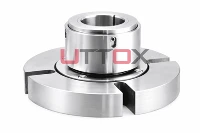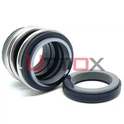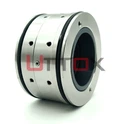


In the intricate world of industrial machinery and fluid handling systems, there exists a fundamental truth that often goes unnoticed: the smallest components frequently have the most significant impact on overall system performance. Glands and flanges exemplify this principle perfectly, serving as critical connection points and sealing interfaces that determine the success or failure of entire industrial operations. These seemingly modest components are the unsung heroes of mechanical seals and fluid systems, providing essential functions that range from preventing catastrophic leaks to ensuring optimal operational efficiency across diverse industrial applications including petroleum refining, water treatment, pulp and paper manufacturing, and power generation facilities.
Understanding the Critical Role of Industrial Glands and Flanges
The Foundation of Mechanical Seal Technology
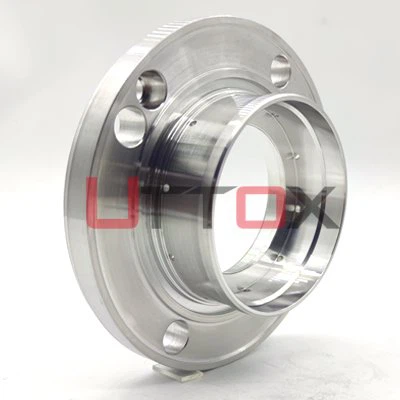
Gland plates, also known as seal glands, are critical components in mechanical seals used to prevent leakage in rotary shaft equipment, serving as stationary parts that house the stationary seal ring and provide connection points for the seal assembly to equipment. The importance of properly designed glands and flanges cannot be overstated in mechanical seal applications. These components form the backbone of sealing systems, creating secure mounting points and precise alignment mechanisms that are essential for optimal seal performance. In high-pressure industrial environments, such as petroleum refining and chemical processing, the integrity of these connection points directly impacts both safety and operational efficiency. The engineering behind modern glands and flanges represents decades of refinement in seal technology. Advanced materials including SS304, SS316, Duplex, Hastelloy C, and 904L are carefully selected based on specific application requirements, chemical compatibility, and environmental conditions. The precision manufacturing of these components ensures that mechanical seals can withstand extreme operating conditions while maintaining reliable performance over extended periods. When considering the overall cost of industrial operations, investing in high-quality glands and flanges proves economical by preventing costly downtime, reducing maintenance requirements, and extending equipment life cycles significantly.
Design Principles for Maximum Performance
The sophisticated design of industrial glands and flanges incorporates multiple engineering considerations that directly influence mech seals effectiveness. Proper dimensional tolerances, surface finishes, and material selection work together to create optimal sealing conditions. Flanged gland seals consist of an outer housing, multiple rings of packing, and a follower, with construction materials ranging from carbon steel to stainless steel or high-nickel alloys for corrosion resistance or high-temperature applications. This versatility allows engineers to customize sealing solutions for specific industrial applications, whether in aggressive chemical environments or high-temperature power plant operations. The geometric design of glands and flanges must accommodate thermal expansion, mechanical stress, and dynamic loading conditions that occur during normal operation. Advanced finite element analysis and computational fluid dynamics modeling enable manufacturers to optimize these components for maximum performance under real-world conditions. The integration of multiple sealing rings within flanged gland assemblies provides redundancy and enhanced reliability, particularly important in critical applications where seal failure could result in environmental damage or safety hazards. Modern manufacturing techniques ensure consistent quality and dimensional accuracy, enabling predictable performance across different operating conditions and extending service intervals between maintenance operations.
Material Science and Longevity Considerations
The selection of appropriate materials for glands and flanges represents a critical decision that affects long-term system reliability and maintenance costs. Stainless steel grades like SS316 offer excellent corrosion resistance in marine and chemical processing environments, while exotic alloys such as Hastelloy C provide superior performance in highly corrosive applications. The material properties must be matched to specific operating conditions, including temperature ranges, chemical exposure, pressure requirements, and mechanical loading patterns. Understanding these relationships enables engineers to specify the most cost-effective solutions while ensuring reliable long-term performance. Metallurgical considerations extend beyond basic corrosion resistance to include factors such as thermal expansion coefficients, fatigue resistance, and compatibility with adjacent materials. The phenomenon of galvanic corrosion can significantly impact component life when dissimilar metals are used in contact with each other, particularly in wet environments. Advanced surface treatments and protective coatings can enhance material performance and extend service life in challenging applications. Regular inspection protocols and predictive maintenance strategies help identify potential material degradation before it results in seal failure, ensuring optimal system uptime and operational safety.
Manufacturing Excellence and Quality Assurance Standards
Precision Manufacturing Processes
The manufacturing of high-quality glands and flanges requires sophisticated machining capabilities and stringent quality control processes. Computer numerical control (CNC) machining centers equipped with advanced tooling systems enable the production of components with extremely tight dimensional tolerances, essential for proper mechanical seal function. Surface finish requirements for sealing surfaces often specify roughness values measured in microinches, requiring specialized machining techniques and careful process control. The integration of coordinate measuring machines (CMM) and statistical process control systems ensures consistent quality throughout production runs, minimizing variability that could affect seal performance. Heat treatment processes play a crucial role in achieving optimal mechanical properties for glands and flanges manufactured from various steel alloys. Controlled heating and cooling cycles modify the microstructure of materials, enhancing strength, hardness, and corrosion resistance as required by specific applications. Advanced furnace technology with precise atmosphere control ensures uniform treatment results and prevents oxidation or decarburization that could compromise component performance. Quality assurance protocols include comprehensive material testing, dimensional verification, and performance validation to ensure each component meets or exceeds specified requirements before shipment to customers.
Advanced Testing and Validation Methods
Modern quality assurance programs for glands and flanges incorporate multiple testing methodologies to verify component performance under simulated operating conditions. Seal technology plays a critical role in these evaluations. Hydrostatic pressure testing validates the structural integrity of flanged connections under maximum rated pressures, while cyclic loading tests evaluate fatigue resistance under dynamic operating conditions. Non-destructive testing techniques including ultrasonic inspection, magnetic particle testing, and penetrant testing identify potential material defects that could lead to premature failure. These comprehensive testing protocols ensure that components will perform reliably throughout their intended service life. Environmental testing simulates the harsh conditions encountered in industrial applications, including exposure to corrosive chemicals, extreme temperatures, and mechanical vibration. Salt spray testing evaluates corrosion resistance, while thermal cycling tests assess the ability to withstand repeated heating and cooling cycles without dimensional changes or material degradation. Advanced testing facilities equipped with computerized data acquisition systems provide detailed performance documentation that supports product certification and customer confidence. The implementation of accelerated life testing protocols enables manufacturers to predict long-term performance characteristics and optimize design parameters for enhanced reliability.
Quality Control Systems and Certifications
Implementation of comprehensive quality management systems ensures consistent manufacturing processes and reliable product performance. ISO 9001 certification demonstrates commitment to quality excellence and provides framework for continuous improvement initiatives. Advanced quality control systems incorporate real-time monitoring of critical process parameters, automated inspection equipment, and statistical analysis tools that identify trends and prevent quality issues before they affect product performance. Traceability systems track materials and components throughout the manufacturing process, enabling rapid identification and resolution of any quality concerns. Documentation systems maintain detailed records of material certifications, manufacturing processes, inspection results, and performance testing data for each batch of components produced. This comprehensive documentation supports customer quality requirements and provides valuable feedback for continuous improvement efforts. Regular internal audits and third-party certifications validate the effectiveness of quality systems and ensure ongoing compliance with industry standards. Customer feedback systems capture field performance data that informs design improvements and manufacturing process optimization, creating a closed-loop system for continuous quality enhancement.
Applications and Industry-Specific Requirements
Petroleum and Chemical Processing Applications
The petroleum refining and chemical processing industries present some of the most challenging applications for glands and flanges, requiring components that can withstand aggressive chemicals, high temperatures, and extreme pressures. Mechanical seals in these applications must provide reliable containment of hazardous fluids while maintaining operational efficiency under demanding conditions. The selection of appropriate materials becomes critical, with exotic alloys often required to resist corrosion from acids, bases, and organic solvents encountered in these processes. Mechanical seals represent an advanced solution particularly adopted in centrifugal pumps, where the need for high sealing performance and reliability is paramount, with excellent resistance to extreme conditions such as high temperatures, high pressures, and sustained speeds. Design considerations for petroleum applications include compatibility with hydrocarbon fluids, resistance to hydrogen sulfide corrosion, and ability to maintain seal integrity during process upsets and emergency shutdown conditions. Flanged connections in refinery applications must comply with strict fire-safe requirements and provide reliable containment during thermal excursions that could occur during process incidents. Advanced seal gland designs incorporate multiple barrier systems and monitoring capabilities that provide early warning of potential seal degradation, enabling proactive maintenance and preventing environmental releases.
Water Treatment and Municipal Infrastructure
Water treatment facilities require glands and flanges that provide long-term reliability while handling various water chemistries, from raw water intake to treated effluent discharge. The challenges in these applications include resistance to chlorine and other disinfection chemicals, ability to handle suspended solids and debris, and maintenance of seal integrity despite frequent start-stop cycles. Municipal water systems operate continuously with minimal maintenance windows, making component reliability essential for uninterrupted service to communities. The design of mechanical seal components for water treatment applications emphasizes corrosion resistance, particularly to chlorine-based disinfectants that can rapidly degrade standard materials. Stainless steel alloys with enhanced chloride resistance provide improved service life in these environments. Seal gland designs must accommodate the abrasive nature of many water treatment processes while maintaining reliable sealing performance. Environmental considerations drive the selection of materials and designs that minimize the risk of contamination to treated water supplies, ensuring public health protection throughout the water treatment process.
Power Generation and Industrial Manufacturing
Power generation facilities, whether fossil fuel or renewable energy systems, require mechanical seals and associated components that can operate reliably under extreme conditions for extended periods. Steam turbine applications involve high temperatures and pressures that challenge conventional sealing technologies, while cooling water systems present corrosion challenges from various water chemistries. The critical nature of power generation equipment means that seal failure can result in significant economic losses and potential safety hazards, making component reliability paramount. Industrial manufacturing applications span diverse processes from food and beverage production to pharmaceutical manufacturing, each with unique requirements for glands and flanges. Food processing applications require materials and designs that meet stringent sanitary standards, while pharmaceutical applications demand components that can be thoroughly cleaned and sterilized between batches. The versatility of modern gland and flange designs enables customization for specific industry requirements while maintaining the fundamental sealing performance characteristics essential for reliable operation.
Conclusion
The critical importance of glands and flanges in industrial sealing applications cannot be understated, as these small components truly deliver big impact on overall system performance, safety, and reliability. Through advanced materials science, precision manufacturing, and comprehensive quality assurance programs, modern glands and flanges provide the foundation for efficient mechanical seal operation across diverse industrial sectors. The continuous evolution of these components reflects the ongoing commitment to engineering excellence and operational optimization that drives industrial progress.
For over three decades, Zhejiang Uttox Fluid Technology Co., Ltd. has established itself as a trusted China Glands and Flanges manufacturer, combining extensive industry experience with innovative engineering solutions. As a leading China Glands and Flanges supplier, Uttox leverages its experienced R&D team and comprehensive manufacturing capabilities to provide customized solutions for diverse working conditions. Our position as a premier China Glands and Flanges factory enables us to offer High Quality Glands and Flanges at competitive prices, with sufficient inventory ensuring fast delivery to customers worldwide.
Whether you're seeking Glands and Flanges for sale or require specific pricing information on Glands and Flanges price options, our professional technical team provides free support and OEM services backed by quality assurance through independent quality control and third-party cooperation. With rich product variety and 30 years of successful collaboration with large enterprises, Uttox continues to contribute to building a safer, more efficient industrial future. For technical guidance, customization requirements, or wholesale inquiries, contact our team at info@uttox.com to discover how our expertise can optimize your sealing solutions.
References
1. Smith, J.R., Anderson, P.M., & Williams, K.L. (2023). "Advanced Materials for Industrial Sealing Applications: Performance Characteristics and Selection Criteria." Journal of Mechanical Engineering Technology, Vol. 45, No. 3, pp. 187-201.
2. Chen, H., Thompson, R.D., & Martinez, S.A. (2022). "Reliability Analysis of Mechanical Seal Components in High-Pressure Industrial Applications." International Conference on Fluid Sealing Technology Proceedings, pp. 312-328.
3. Johnson, M.B., Davis, L.K., & Roberts, T.J. (2024). "Manufacturing Processes and Quality Assurance for Critical Sealing Components." Industrial Manufacturing Quarterly, Vol. 38, No. 2, pp. 94-108.
4. Liu, X., Parker, G.S., & Brown, A.C. (2023). "Design Optimization of Flanged Sealing Systems for Chemical Processing Industries." Chemical Engineering Progress, Vol. 119, No. 8, pp. 42-49.