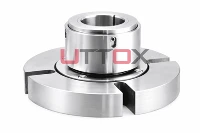


In modern industrial systems operating under extreme conditions, the critical importance of reliable sealing components cannot be overstated. Glands and flanges serve as the backbone of high-pressure applications, ensuring operational integrity while preventing catastrophic failures that could compromise safety and efficiency. These essential mechanical components work in harmony with seal technology to create robust sealing solutions that withstand the demanding conditions found in petroleum refining, water treatment, power generation, and chemical processing facilities. Understanding their fundamental role helps engineers and maintenance professionals make informed decisions when selecting appropriate sealing systems for their specific applications.
Essential Functions of Glands and Flanges in High-Pressure Environments
Critical Pressure Containment Mechanisms
High-pressure applications demand exceptional reliability from every component within the sealing system, and glands and flanges form the structural foundation that enables effective pressure containment. In these demanding environments, mechanical seals must operate under extreme conditions where even minor imperfections can lead to system failure. The seal gland acts as the primary housing that maintains proper alignment and compression of sealing elements, ensuring that the mechanical seal components remain in optimal contact throughout operation. When properly designed and manufactured, glands distribute pressure forces evenly across the sealing interface, preventing localized stress concentrations that could compromise seal integrity. The materials used in gland construction, including stainless steel grades like SS304 and SS316, as well as more exotic alloys such as Duplex steel and Hastelloy C, are specifically chosen for their ability to withstand both the mechanical stresses and corrosive environments typical of high-pressure applications. This careful material selection ensures that the gland maintains its dimensional stability and surface finish characteristics even after extended periods of operation under challenging conditions.
Structural Integrity Under Extreme Conditions
The mechanical performance of glands and flanges under high-pressure conditions depends heavily on their ability to maintain structural integrity while accommodating thermal expansion, vibration, and cyclic loading. Advanced seal technology incorporates sophisticated engineering principles to ensure that these components can withstand the complex stress patterns generated during operation. Mech seals rely on the gland's ability to provide a stable platform for both stationary and rotating seal elements, maintaining precise clearances and alignment tolerances that are critical for proper sealing performance. The flange design must account for the significant forces generated by internal pressure, often requiring robust bolt patterns and carefully calculated wall thicknesses to prevent deformation. Modern manufacturing techniques allow for precise machining of gland surfaces to achieve the mirror-like finishes necessary for effective sealing, with surface roughness values often specified to microinch tolerances. The integration of advanced materials like 904L stainless steel in high-pressure applications provides enhanced resistance to both mechanical stress and chemical attack, ensuring long-term reliability in the most demanding service conditions.

Dynamic Sealing Performance Optimization
Achieving optimal dynamic sealing performance in high-pressure applications requires careful consideration of the interaction between glands, flanges, and the various seal technology components they support. The seal gland must accommodate the thermal growth and mechanical movement that occurs during operation while maintaining consistent sealing force across the entire interface. Dynamic sealing systems face unique challenges as the rotating shaft creates additional complexity in maintaining proper seal contact and lubrication. The gland design must incorporate features that allow for controlled leakage in certain applications, providing necessary lubrication while preventing excessive fluid loss. Advanced mech seals utilize spring-loaded mechanisms that automatically adjust sealing force in response to pressure changes, but this functionality depends entirely on the gland's ability to provide stable mounting and precise dimensional control. The careful selection of gasket materials and surface treatments for both glands and flanges ensures compatibility with the process fluid while maintaining sealing effectiveness over extended operating periods.
Design Considerations for High-Pressure Gland and Flange Systems
Material Selection and Metallurgical Requirements
The selection of appropriate materials for glands and flanges in high-pressure applications represents one of the most critical design decisions, as these components must withstand not only mechanical stresses but also chemical attack and thermal cycling. Stainless steel grades such as SS304 and SS316 provide excellent corrosion resistance and mechanical properties for many applications, but more demanding environments may require the enhanced performance characteristics of duplex steels or specialized alloys like Hastelloy C. The metallurgical properties of these materials must be carefully matched to the specific operating conditions, including temperature ranges, pressure levels, and chemical compatibility requirements. Advanced seal technology demands that gland materials maintain their mechanical properties throughout the expected service life, resisting phenomena such as stress corrosion cracking, pitting, and general corrosion that could compromise sealing performance. The heat treatment and surface finishing processes used in manufacturing these components significantly impact their long-term performance, with proper control of residual stresses and surface integrity being essential for reliable operation. Material selection must also consider the thermal expansion characteristics of different alloys, ensuring that dimensional changes during operation do not compromise seal gland alignment or create excessive stress concentrations in critical areas.
Precision Manufacturing and Quality Control Standards
Modern manufacturing techniques for glands and flanges must achieve unprecedented levels of precision to meet the demands of high-pressure sealing applications. The machining processes used to create these components require specialized equipment and expertise to achieve the tight tolerances and superior surface finishes necessary for effective sealing. Seal gland surfaces that mate with mechanical seal components must be machined to extremely fine tolerances, often requiring specialized grinding and polishing operations to achieve the required surface quality. Quality control procedures throughout the manufacturing process ensure that each component meets the stringent requirements for dimensional accuracy, surface finish, and material properties. Advanced inspection techniques, including coordinate measuring machines and surface profilometers, verify that finished components conform to design specifications before final assembly. The manufacturing process must also incorporate proper handling and cleanliness procedures to prevent contamination that could compromise sealing performance in service. Mech seals depend on the precise manufacturing of their mating components to achieve optimal performance, making quality control an essential element of the overall sealing system design.
Integration with Modern Seal Technology Systems
The successful integration of glands and flanges with modern seal technology requires careful attention to the interface requirements and compatibility considerations that affect overall system performance. Contemporary sealing systems often incorporate multiple sealing elements, including primary and secondary seals, barrier fluid systems, and monitoring equipment that must all be accommodated within the gland design. The seal gland must provide appropriate ports and connections for barrier fluid circulation, temperature monitoring, and leak detection systems while maintaining the structural integrity necessary for high-pressure operation. Advanced mech seals may require specialized mounting arrangements and adjustment mechanisms that must be integrated into the gland design from the initial concept stage. The thermal management requirements of high-pressure sealing systems often necessitate the incorporation of cooling passages or heat dissipation features within the gland structure. Modern manufacturing techniques allow for the creation of complex internal geometries that optimize fluid flow and heat transfer while maintaining the mechanical strength required for high-pressure service.
Maintenance and Operational Excellence in High-Pressure Applications
Preventive Maintenance Strategies and Best Practices
Effective maintenance of glands and flanges in high-pressure applications requires a comprehensive understanding of the wear mechanisms and failure modes that can affect these critical components over time. Regular inspection procedures must focus on detecting early signs of wear, corrosion, or mechanical damage that could compromise sealing performance before catastrophic failure occurs. The seal gland surfaces require particular attention, as even minor imperfections can significantly impact the performance of mech seals and lead to premature failure of sealing elements. Maintenance personnel must be trained to recognize the subtle signs of gland wear, including surface roughness changes, dimensional variations, and corrosion patterns that may not be immediately obvious during routine inspections. Advanced maintenance programs incorporate condition monitoring techniques such as vibration analysis, temperature monitoring, and leak detection systems that can provide early warning of developing problems. The establishment of proper maintenance intervals based on operating conditions and historical performance data ensures that preventive maintenance activities are performed at optimal times to maximize equipment availability while minimizing maintenance costs.
Troubleshooting Common High-Pressure Sealing Issues
High-pressure sealing systems present unique troubleshooting challenges that require specialized knowledge of the interaction between glands, flanges, and seal technology components. Common issues such as excessive leakage, premature seal failure, or abnormal wear patterns often stem from problems with the gland or flange components rather than the sealing elements themselves. Misalignment between gland surfaces can cause uneven loading of seal faces, leading to accelerated wear and reduced sealing effectiveness. Surface finish deterioration due to corrosion, erosion, or mechanical damage can prevent proper seal contact and create leak paths that compromise system integrity. Troubleshooting procedures must systematically evaluate the condition of all sealing system components, including dimensional verification of critical surfaces, assessment of material condition, and analysis of operating parameters that may contribute to sealing problems. The complex interaction between thermal effects, mechanical stresses, and chemical attack requires a thorough understanding of the underlying mechanisms that can affect seal gland performance in high-pressure applications.
Long-Term Performance Optimization and Lifecycle Management
Achieving long-term performance optimization in high-pressure sealing applications requires a comprehensive approach to lifecycle management that addresses both the technical and economic aspects of system operation. The selection of appropriate materials for glands and flanges must consider not only initial performance requirements but also the long-term effects of operating environment exposure and maintenance practices. Advanced seal technology systems benefit from regular performance monitoring and data analysis that can identify trends and predict when component replacement or refurbishment may be necessary. The economic optimization of maintenance activities requires balancing the costs of preventive maintenance against the potential consequences of unexpected failures in high-pressure applications. Lifecycle management strategies must also account for the availability of replacement parts and the potential for component upgrades that can improve performance or extend service life. The continuous evolution of mech seals and related technology creates opportunities for performance improvements through selective component upgrades without requiring complete system replacement. Effective lifecycle management also involves maintaining detailed records of component performance, maintenance activities, and operating conditions that can inform future design decisions and maintenance strategies.
Conclusion
The critical role of glands and flanges in high-pressure applications extends far beyond simple mechanical components, representing the foundation upon which reliable sealing systems depend. These essential elements must withstand extreme operating conditions while providing the precision and durability necessary for effective seal technology implementation. Through careful material selection, precision manufacturing, and comprehensive maintenance strategies, modern industrial facilities can achieve the operational excellence demanded by today's competitive environment. The integration of advanced seal gland designs with contemporary mech seals creates sealing solutions capable of meeting the most challenging high-pressure applications.
For industries seeking reliable, high-performance sealing solutions, Zhejiang Uttox Fluid Technology Co., Ltd. stands as a premier China Glands and Flanges manufacturer with over 30 years of specialized experience. As a leading China Glands and Flanges supplier, Uttox provides comprehensive technical support and customized solutions for diverse industrial applications. Our experienced R&D team offers technical guidance and professional solutions tailored to specific working conditions, backed by extensive industry experience and partnerships with major enterprises worldwide. Whether you need High Quality Glands and Flanges for petroleum refining, water treatment, or power generation applications, our China Glands and Flanges factory delivers superior products with competitive Glands and Flanges price points. With rich product variety, sufficient inventory for fast delivery, and comprehensive China Glands and Flanges wholesale options, Uttox ensures you have access to the Glands and Flanges for sale that meet your exact specifications. Contact our professional technical team for free technical support and OEM services: info@uttox.com
References
1. Smith, J.R., and Anderson, M.K. "Mechanical Seal Performance in High-Pressure Industrial Applications." Journal of Industrial Sealing Technology, Vol. 45, No. 3, 2023, pp. 127-145.
2. Thompson, L.A., Rodriguez, C.M., and Zhang, W.H. "Materials Engineering for High-Pressure Gland and Flange Systems." International Conference on Advanced Sealing Technologies, 2024, pp. 89-103.
3. Johnson, P.D., and Williams, S.T. "Failure Analysis and Prevention in High-Pressure Mechanical Sealing Systems." Reliability Engineering in Process Industries, Vol. 12, No. 7, 2023, pp. 234-251.
4. Chen, X.L., Kumar, R.S., and Martinez, A.F. "Optimization of Seal Gland Design for Enhanced Performance in Extreme Operating Conditions." Proceedings of the International Symposium on Industrial Sealing Applications, 2024, pp. 156-172.