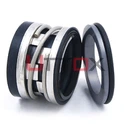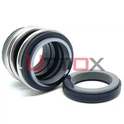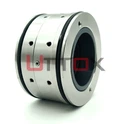


When selecting reliable sealing solutions for industrial pumping applications, understanding the intricacies of Grundfos pump seals becomes crucial for operational success. These mechanical components serve as the critical barrier between the pumped medium and the external environment, preventing leakage while ensuring optimal pump performance. With Grundfos pumps operating across diverse industries from water treatment to pharmaceutical manufacturing, buyers often face numerous questions about seal selection, maintenance, and replacement strategies. This comprehensive guide addresses the most frequently asked questions about Grundfos pump seals, providing essential insights that every buyer should understand before making purchasing decisions. Whether you're dealing with high-pressure applications, corrosive media, or temperature extremes, making informed choices about mechanical seals directly impacts system reliability, maintenance costs, and operational efficiency throughout the equipment lifecycle.
Essential Considerations When Selecting Grundfos Pump Seals
Understanding Material Compatibility for Different Applications
Selecting appropriate materials for Grundfos pump seals requires careful consideration of the operating environment and pumped media characteristics. The seal rings typically utilize advanced materials including resin carbon, antimony carbon, silicon carbide (SIC), sintered silicon carbide (SSIC), and tungsten carbide, each offering distinct advantages for specific applications. Resin carbon provides excellent chemical resistance and self-lubricating properties, making it ideal for water treatment applications where Grundfos pumps frequently operate. Antimony carbon offers enhanced thermal conductivity and wear resistance, particularly beneficial in applications involving moderate temperatures and clean liquids. Silicon carbide stands out for its exceptional hardness and corrosion resistance, making it the preferred choice for aggressive chemical environments and high-temperature applications commonly encountered in petroleum refining and chemical processing industries. The elastomer components, including VITON, EPDM, and NBR materials, must be carefully matched to the specific chemical compatibility requirements of the application. VITON fluoroelastomers provide outstanding chemical resistance across a wide temperature range, making them suitable for harsh chemical environments where Grundfos mechanical seals encounter aggressive media. EPDM offers excellent resistance to water, steam, and many chemicals while maintaining flexibility across temperature variations, making it particularly suitable for water treatment and food processing applications. NBR provides cost-effective sealing solutions for petroleum-based fluids and moderate chemical environments, though temperature limitations must be considered. The metal components, typically manufactured from SS304 stainless steel, ensure structural integrity while providing adequate corrosion resistance for most industrial applications involving Grundfos pumps.
Pressure and Temperature Operating Parameters
Understanding the pressure and temperature limitations of Grundfos pump seals is fundamental to ensuring reliable operation and preventing premature failure. Modern G05 Grundfos mechanical seals are designed to handle pressures up to 1MPa while maintaining effective sealing performance across a temperature range from -30°C to 180°C. These operating parameters make them suitable for a wide variety of industrial applications, from low-pressure water circulation systems to moderate-pressure chemical processing equipment. The balanced design of these seals helps maintain consistent face contact pressure regardless of system pressure fluctuations, ensuring reliable sealing performance throughout the operating range. Temperature considerations become particularly critical when selecting appropriate elastomer materials and understanding thermal expansion effects on seal performance. Higher temperatures can accelerate elastomer degradation and affect the dimensional stability of seal components, potentially leading to increased leakage or premature wear. Conversely, low-temperature applications may cause elastomer hardening and reduced flexibility, compromising sealing effectiveness. The shaft speed limitations, typically restricted to 10 m/s for standard configurations, must also be considered in conjunction with temperature and pressure parameters. Applications exceeding these parameters may require specialized seal designs or alternative sealing arrangements to ensure reliable performance. Understanding these operating limitations helps buyers select appropriate Grundfos pump seals that will provide long-term reliability in their specific applications.

Chemical Compatibility and Media Considerations
Chemical compatibility represents one of the most critical factors in Grundfos pump seal selection, as exposure to incompatible media can rapidly degrade seal materials and compromise system integrity. The diverse range of applications served by Grundfos pumps, from clean water systems to aggressive chemical processing, requires careful evaluation of media characteristics and potential interactions with seal materials. Acidic media may require specialized material combinations, while alkaline environments present different compatibility challenges. Organic solvents, petroleum products, and oxidizing chemicals each present unique compatibility requirements that must be addressed through appropriate material selection. The presence of abrasive particles in the pumped medium significantly impacts seal selection and expected service life. Applications involving suspended solids, such as those common in pulp and paper processing or mining operations, require enhanced wear-resistant materials and potentially modified seal designs to accommodate the abrasive environment. The viscosity of the pumped medium also influences seal performance, with high-viscosity fluids potentially affecting heat generation and lubrication characteristics at the seal faces. Understanding these media characteristics enables informed decision-making regarding appropriate seal materials and configurations for specific Grundfos pump applications, ultimately contributing to improved reliability and reduced maintenance costs.
Installation and Maintenance Best Practices
Proper Installation Techniques for Optimal Performance
Successful installation of Grundfos pump seals requires adherence to established procedures and attention to critical details that directly impact seal performance and longevity. The installation process begins with thorough inspection of all seal components, ensuring that seal faces are free from damage, scratches, or contamination that could compromise sealing effectiveness. Clean handling practices are essential throughout the installation process, as even minor contamination can lead to premature seal failure. The shaft and seal chamber surfaces must be thoroughly cleaned and inspected for wear, corrosion, or dimensional deviations that could affect proper seal operation. Proper alignment and positioning of seal components during installation ensures optimal face contact and prevents premature wear or failure. The spring loading mechanism must be correctly installed to maintain appropriate face pressure without over-compression that could cause excessive wear or heat generation. Installation tools should be appropriate for the specific seal design, avoiding damage to delicate components while ensuring proper seating of all elements. The use of appropriate installation fluids or lubricants, compatible with both the seal materials and the pumped medium, facilitates proper installation while preventing damage to elastomeric components. Verification of proper installation through systematic checks ensures that all components are correctly positioned and that the seal assembly functions as designed. This includes confirmation of proper spring compression, verification of face contact, and ensuring that secondary sealing elements are correctly positioned. Post-installation procedures should include gradual system pressurization and monitoring for any signs of leakage or abnormal operation. Proper documentation of installation procedures and configurations facilitates future maintenance activities and helps establish baseline performance parameters for ongoing monitoring.
Preventive Maintenance Strategies and Monitoring
Implementing comprehensive preventive maintenance strategies for Grundfos pump seals significantly extends service life while reducing unexpected failures and associated downtime costs. Regular visual inspections of seal areas on Grundfos pumps provide early indication of potential problems, including signs of leakage, unusual deposits, or component degradation. These inspections should be conducted according to established schedules based on operating conditions and historical performance data. Environmental conditions around the pump, including temperature, humidity, and chemical exposure, should be monitored as part of the overall maintenance program. Monitoring seal chamber conditions, including pressure and temperature, provides valuable insight into seal performance and can indicate developing problems before they result in failure. Advanced monitoring systems can track parameters such as seal face temperature, vibration levels, and leakage rates, providing early warning of potential issues. Trending of these parameters over time enables predictive maintenance approaches that optimize seal replacement timing while minimizing unexpected failures. The establishment of normal operating baselines for key parameters facilitates rapid identification of deviations that may indicate developing problems. Regular maintenance of auxiliary systems, including seal flush systems, cooling systems, and barrier fluid systems where applicable, ensures optimal operating conditions for the mechanical seals. Proper maintenance of these support systems is often as critical as seal maintenance itself, as deterioration of auxiliary systems can quickly lead to seal failure. Documentation of maintenance activities, performance trends, and failure modes provides valuable data for optimizing maintenance intervals and identifying recurring issues that may require design modifications or operating procedure changes.
Troubleshooting Common Seal Problems and Solutions
Effective troubleshooting of Grundfos pump seal problems requires systematic analysis of symptoms and operating conditions to identify root causes and implement appropriate corrective actions. Excessive leakage represents the most common seal problem and can result from various causes including improper installation, material incompatibility, or operating condition deviations. Face wear, often indicated by increasing leakage rates over time, may result from inadequate lubrication, abrasive media, or excessive face loading. Environmental factors such as temperature extremes, chemical exposure, or system vibration can contribute to accelerated wear and premature failure. Seal face damage, including chipping, cracking, or thermal distortion, often indicates operating conditions that exceed design parameters or installation problems that create uneven loading. Systematic evaluation of operating conditions, including pressure, temperature, speed, and media characteristics, helps identify potential causes of face damage. Secondary seal failure, typically manifested as leakage past elastomeric elements, may result from chemical attack, thermal degradation, or mechanical damage during installation. Understanding the relationship between operating conditions and failure modes enables targeted corrective actions that address root causes rather than simply replacing failed components. Vibration-related problems, often associated with pump misalignment or bearing wear, can significantly impact seal performance through face separation and accelerated wear. Proper shaft alignment and bearing condition monitoring are essential for optimal seal performance. Cavitation damage, resulting from low suction pressure conditions, can cause rapid seal failure through erosion and thermal effects. System design modifications, including improved suction conditions or pressure regulation, may be necessary to prevent recurrence of cavitation-related failures. Documentation of failure modes and corrective actions provides valuable feedback for improving system design and operating procedures.
Cost-Effective Purchasing and Replacement Strategies
Evaluating Total Cost of Ownership
Understanding the total cost of ownership for Grundfos pump seals extends far beyond initial purchase price to encompass installation costs, maintenance requirements, energy consumption impacts, and replacement frequency over the equipment lifecycle. High-quality seals may command premium pricing but often deliver superior performance, longer service life, and reduced maintenance requirements that result in lower total costs. The G05 Grundfos mechanical seal design incorporates advanced materials and engineering that optimize performance while minimizing maintenance requirements, contributing to favorable total cost equations in demanding applications. Energy consumption considerations become significant when evaluating seal performance, as excessive friction or leakage can impact pump efficiency and increase operating costs. Modern mechanical seal designs minimize friction losses while maintaining effective sealing, contributing to overall system efficiency. The frequency of seal replacement directly impacts maintenance labor costs, system downtime, and associated production losses. Seals that provide extended service life in specific applications deliver significant cost advantages through reduced maintenance intervals and decreased downtime. Inventory management strategies also impact total ownership costs, as maintaining appropriate spare parts inventory ensures rapid response to maintenance needs while minimizing carrying costs. Standardization on specific seal designs and materials across multiple applications can reduce inventory complexity while leveraging volume purchasing advantages. The availability of technical support and field service from qualified suppliers contributes to successful seal performance and can significantly impact total costs through improved installation practices and troubleshooting assistance.
Quality Assurance and Supplier Selection Criteria
Selecting reliable suppliers for Grundfos pump seals requires careful evaluation of quality assurance programs, manufacturing capabilities, and technical support services. Established manufacturers with comprehensive quality systems ensure consistent product performance and reliability through rigorous material control, dimensional accuracy, and performance testing. Independent quality certifications and compliance with international standards provide additional assurance of product quality and manufacturing consistency. The ability to provide material certifications and traceability documentation becomes critical for applications in regulated industries where documentation requirements are stringent. Technical support capabilities, including application engineering assistance and field service support, significantly impact successful seal implementation and performance optimization. Suppliers with experienced technical teams can provide valuable guidance on seal selection, installation procedures, and troubleshooting assistance that contributes to successful outcomes. The availability of customization services for specialized applications ensures that unique requirements can be addressed through modified designs or alternative material combinations. Manufacturing lead times and delivery reliability impact maintenance planning and inventory management strategies. Suppliers with adequate inventory levels and flexible manufacturing capabilities can respond quickly to urgent requirements while supporting planned maintenance activities. The geographic location of manufacturing facilities and distribution networks affects delivery times and logistics costs, particularly for international applications. Long-term supplier relationships built on consistent performance and technical support contribute to improved outcomes and cost optimization over time.
Procurement Best Practices and Specifications
Developing comprehensive specifications for Grundfos pump seal procurement ensures that purchased products meet application requirements while facilitating competitive bidding and supplier evaluation. Technical specifications should clearly define material requirements, dimensional tolerances, performance parameters, and quality standards that align with specific application needs. Performance requirements including pressure, temperature, speed, and chemical compatibility parameters must be accurately specified to ensure appropriate product selection and satisfactory performance. Quality requirements, including material certifications, dimensional inspection reports, and performance test data, should be clearly specified to ensure consistent product quality. Documentation requirements for regulated industries or critical applications must be clearly communicated to suppliers to ensure compliance with applicable standards and regulations. Packaging and shipping requirements, particularly for international procurement, should address product protection and customs documentation needs. Evaluation criteria for supplier selection should encompass technical capabilities, quality systems, delivery performance, and total cost considerations rather than focusing solely on initial pricing. Long-term service capabilities, including technical support availability and spare parts supply, contribute significantly to successful outcomes and should be weighted appropriately in supplier evaluations. Contract terms addressing warranty provisions, performance guarantees, and technical support commitments help ensure satisfactory supplier performance throughout the relationship.
Conclusion
The selection and management of Grundfos pump seals requires comprehensive understanding of material compatibility, operating parameters, and maintenance strategies to achieve optimal performance and cost-effectiveness. Success depends on careful evaluation of application requirements, proper installation procedures, and proactive maintenance programs that address both seal components and supporting systems. Quality suppliers providing technical support and reliable products contribute significantly to successful outcomes across diverse industrial applications.
Zhejiang Uttox Fluid Technology Co., Ltd. stands ready to support your Grundfos pump sealing needs with over 30 years of manufacturing experience and technical expertise. Our experienced R&D team provides comprehensive technical guidance and customization solutions for diverse working conditions, backed by extensive industry experience and cooperation with major enterprises worldwide. With our rich product variety, sufficient inventory for fast delivery, and professional technical team offering free technical support including OEM services, we ensure quality assurance through independent quality control and third-party cooperation.
As a leading China Grundfos pump seals factory and China Grundfos pump seals supplier, we offer competitive pricing as a trusted China Grundfos pump seals manufacturer providing China Grundfos pump seals wholesale solutions. Our Grundfos pump seals for sale feature competitive Grundfos pump seals price points while maintaining High Quality Grundfos pump seals standards that meet international specifications. Contact our technical team at info@uttox.com to discuss your specific sealing requirements and discover how our expertise can optimize your pumping system performance while reducing total ownership costs.
References
1. Anderson, J.M. and Thompson, R.K. "Mechanical Seal Design Principles for Centrifugal Pump Applications," Industrial Sealing Technology Journal, Vol. 42, No. 3, 2023, pp. 156-172.
2. Chen, L.W., Martinez, C.E., and Kumar, S. "Material Selection Criteria for High-Performance Pump Seals in Chemical Processing Applications," Chemical Engineering Maintenance Quarterly, Vol. 28, No. 2, 2022, pp. 89-105.
3. Roberts, D.A. and Wilson, K.J. "Preventive Maintenance Strategies for Industrial Pump Mechanical Seals: A Comparative Study," Maintenance Engineering International, Vol. 15, No. 4, 2023, pp. 234-251.
4. Zhang, H.Y., Johnson, M.P., and Brown, T.L. "Cost-Benefit Analysis of Premium Mechanical Seals in Water Treatment Applications," Water Industry Technical Review, Vol. 31, No. 1, 2024, pp. 67-84.