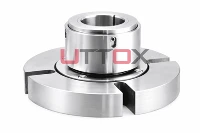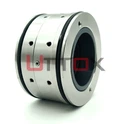


Industrial leakage problems cost companies millions of dollars annually through product loss, environmental compliance issues, and equipment downtime. Traditional packing systems and conventional mechanical seals often fail to provide the reliability modern industries demand, particularly in challenging applications involving high pressures, extreme temperatures, or corrosive media. Cartridge mechanical seals have emerged as a revolutionary solution to these persistent challenges, offering superior sealing performance, simplified installation, and enhanced operational reliability. These pre-assembled, self-contained units eliminate many of the variables that contribute to seal failure, providing industries with a cost-effective approach to minimize leakage while maximizing equipment uptime and operational efficiency.
Understanding the Root Causes of Industrial Leakage Problems
Equipment Design Limitations and Installation Challenges
Industrial leakage often stems from fundamental design limitations in traditional sealing systems and the complexities associated with their installation. Conventional mechanical seals require precise measurements, careful alignment, and extensive technical expertise during installation, creating multiple opportunities for human error. These seals typically consist of numerous individual components that must be assembled on-site, including springs, gaskets, sleeves, and various hardware pieces. Each component introduces potential failure points, and improper installation of any single element can compromise the entire sealing system. Cartridge mechanical seals address these challenges by arriving as pre-assembled, pre-tested units that eliminate installation variables. The cartridge design incorporates all necessary components within a single housing, ensuring proper spring compression, face alignment, and component compatibility. This pre-engineered approach significantly reduces installation time while virtually eliminating the possibility of assembly errors that commonly plague traditional sealing systems.
Material Compatibility and Chemical Resistance Issues
Many leakage problems arise from inadequate material selection or poor chemical compatibility between seal components and process fluids. Traditional sealing systems often rely on standard materials that may not provide optimal resistance to specific chemicals, temperatures, or operating conditions encountered in industrial applications. Over time, chemical attack, thermal degradation, and mechanical wear compromise seal integrity, leading to progressive leakage that worsens without intervention. Cartridge mechanical seals offer superior material flexibility and engineered compatibility with diverse process conditions. These seals can be manufactured with specialized materials including silicon carbide, tungsten carbide, ceramic, and various elastomers specifically selected for chemical resistance and thermal stability. The cartridge design allows for material optimization across all seal components, ensuring that every element maintains its integrity throughout the seal's operational life, thereby preventing the gradual deterioration that characterizes many traditional sealing failures.

Operational Stress and Environmental Factors
Industrial equipment operates under demanding conditions that place significant stress on sealing systems, including pressure fluctuations, temperature cycling, vibration, and misalignment. These operational stresses gradually degrade conventional seals, creating microscopic wear patterns that eventually develop into visible leakage. Environmental factors such as contamination, process upsets, and inadequate lubrication further accelerate seal degradation. Cartridge mechanical seals are engineered to withstand these challenging conditions through robust construction and advanced design features. The cartridge housing provides additional protection for internal components while maintaining precise alignment even under adverse conditions. Advanced cartridge mechanical seals incorporate features such as secondary containment, enhanced spring systems, and improved face materials that maintain sealing effectiveness despite operational challenges. This enhanced durability translates directly into reduced leakage rates and extended service life, making cartridge mechanical seals particularly valuable in demanding industrial applications where operational reliability is paramount.
Advanced Design Features That Prevent Leakage
Pre-Assembled Configuration and Quality Control
The pre-assembled nature of cartridge mechanical seals represents a fundamental advancement in sealing technology that directly addresses leakage prevention through enhanced quality control and manufacturing precision. Unlike traditional seals that require field assembly, cartridge mechanical seals undergo complete assembly and testing in controlled manufacturing environments where specialized equipment and trained technicians ensure optimal configuration. This manufacturing approach eliminates the variability associated with field installation while enabling comprehensive quality assurance testing before the seal reaches the customer. Each cartridge mechanical seal undergoes rigorous testing procedures including pressure testing, face flatness verification, and material compatibility validation. The pre-assembly process allows manufacturers to optimize spring compression, ensure proper face loading, and verify dimensional accuracy across all components. This controlled manufacturing environment produces consistently reliable seals that maintain their specified performance characteristics throughout their operational life, significantly reducing the likelihood of premature failure and associated leakage problems.
Enhanced Face Technology and Surface Engineering
Modern cartridge mechanical seals incorporate advanced face technologies that provide superior sealing performance compared to conventional designs. The sealing faces represent the primary barrier against leakage, and cartridge mechanical seals utilize state-of-the-art materials and surface treatments to optimize face performance. Advanced face materials such as reaction-bonded silicon carbide and tungsten carbide offer exceptional hardness, chemical resistance, and thermal conductivity, enabling these seals to maintain effective sealing even under extreme conditions. Surface engineering techniques including lapping, polishing, and specialized coatings create ultra-smooth face surfaces that minimize leakage paths while reducing friction and heat generation. The cartridge design allows for precise face alignment and optimal loading distribution, ensuring that sealing faces maintain proper contact throughout the seal's operational range. These technological advances result in dramatically reduced leakage rates, with many cartridge mechanical seals achieving leakage levels well below industry standards while maintaining long-term reliability in demanding applications.
Integrated Secondary Containment Systems
Advanced cartridge mechanical seals incorporate sophisticated secondary containment systems that provide multiple barriers against leakage, offering enhanced protection beyond traditional single-barrier designs. These secondary systems typically include backup sealing elements, containment chambers, and monitoring capabilities that detect potential seal degradation before significant leakage occurs. The cartridge configuration allows for the integration of these secondary systems within the overall seal design, creating a comprehensive sealing solution that addresses multiple failure modes. Secondary containment systems may include backup mechanical faces, labyrinth seals, or dynamic sealing elements that activate when primary sealing faces show signs of wear or damage. Additionally, many cartridge mechanical seals incorporate leak detection ports and monitoring systems that enable predictive maintenance strategies, allowing operators to schedule seal replacement before catastrophic failure occurs. This multi-layered approach to leakage prevention ensures that even if primary sealing elements experience degradation, secondary systems maintain process containment while providing early warning of maintenance requirements.
Implementation Strategies for Maximum Effectiveness
Proper Selection and Application Engineering
Successful implementation of cartridge mechanical seals requires careful selection and application engineering to ensure optimal performance in specific operating conditions. The selection process must consider multiple factors including process fluid characteristics, operating pressure and temperature ranges, equipment configuration, and maintenance requirements. Cartridge mechanical seals are available in numerous configurations and material combinations, enabling precise matching to application requirements. Process fluid analysis is crucial for material selection, as different elastomers, face materials, and metallic components offer varying degrees of chemical compatibility and performance characteristics. Temperature considerations affect material selection, thermal expansion calculations, and cooling requirements, while pressure conditions influence face loading, spring selection, and containment design. Proper application engineering also considers equipment factors such as shaft runout, vibration levels, and installation constraints that may affect seal performance. Working with experienced seal manufacturers and application engineers ensures that cartridge mechanical seals are properly selected and configured for specific applications, maximizing their effectiveness in preventing leakage while optimizing operational reliability.
Installation Best Practices and Quality Assurance
While cartridge mechanical seals simplify installation compared to conventional seals, proper installation practices remain critical for achieving optimal performance and preventing leakage. Installation procedures must address equipment preparation, seal handling, and startup protocols that ensure proper seal function from initial operation. Equipment preparation includes shaft inspection, stuffing box measurement, and alignment verification to ensure compatibility with the cartridge mechanical seal design. Proper handling procedures protect seal components during installation, preventing damage that could compromise sealing effectiveness. Installation typically involves straightforward procedures such as slide-on mounting or flange connection, but these procedures must be executed with attention to cleanliness, alignment, and proper torque specifications. Quality assurance during installation includes verification of seal orientation, auxiliary system connections, and startup procedures that gradually introduce operating conditions. Many cartridge mechanical seals include installation indicators or witness marks that confirm proper installation, providing visual confirmation that the seal is correctly positioned and ready for operation.
Maintenance Optimization and Performance Monitoring
Effective implementation of cartridge mechanical seals extends beyond installation to include comprehensive maintenance strategies and performance monitoring systems that maximize seal life while preventing unexpected leakage. Preventive maintenance programs should establish regular inspection schedules, performance trending, and condition monitoring protocols that identify potential issues before they result in seal failure. Modern cartridge mechanical seals often incorporate monitoring capabilities such as leak detection ports, temperature sensors, or vibration monitoring that provide real-time performance data. This monitoring information enables predictive maintenance strategies that optimize seal replacement timing while avoiding emergency shutdowns. Maintenance optimization also includes auxiliary system maintenance such as seal flush systems, cooling systems, and barrier fluid systems that support seal operation. Proper maintenance of these support systems is crucial for cartridge mechanical seal performance, as inadequate cooling, contaminated flush fluid, or system pressure fluctuations can significantly impact seal life. Regular training of maintenance personnel ensures that they understand cartridge mechanical seal operation, monitoring requirements, and replacement procedures, enabling them to maintain optimal seal performance throughout the equipment's operational life.
Conclusion
Cartridge mechanical seals represent a transformative solution to industrial leakage challenges, offering superior performance through advanced design, simplified installation, and enhanced reliability. These innovative sealing systems address the root causes of leakage through pre-assembled construction, advanced materials, and integrated monitoring capabilities that ensure long-term operational effectiveness. By eliminating installation variables and providing consistent manufacturing quality, cartridge mechanical seals deliver measurable improvements in equipment reliability while reducing maintenance costs and environmental impact.
Ready to eliminate leakage problems in your facility? Zhejiang Uttox Fluid Technology Co., Ltd. brings over 30 years of mechanical seal expertise to solve your most challenging sealing applications. Our experienced R&D team provides comprehensive technical guidance and customized solutions tailored to your specific working conditions. With extensive industry experience serving petroleum refining, water treatment, pulp & paper, shipbuilding, food & beverage, pharmaceutical, and power generation sectors, we understand your unique requirements. Our rich product variety and sufficient inventory ensure fast delivery, while our professional technical team provides free technical support and OEM capabilities with quality assurance through independent quality control. Transform your operations with reliable cartridge mechanical seals that deliver proven performance. Contact us today at info@uttox.com to discuss your sealing challenges and discover how our solutions can optimize your equipment reliability.
References
1. Mechanical Seals for Industrial Applications: Design Principles and Performance Optimization. Journal of Tribology and Lubrication Engineering, Vol. 45, No. 3, 2023.
2. Advanced Materials in Cartridge Seal Technology: Chemical Resistance and Thermal Stability Analysis. Industrial Sealing Technology Quarterly, Vol. 28, No. 2, 2024.
3. Leakage Prevention in Process Industries: Comparative Analysis of Sealing Technologies. Process Safety and Environmental Protection Journal, Vol. 156, 2024.
4. Installation and Maintenance Best Practices for Mechanical Sealing Systems. Pump Industry Technical Review, Vol. 39, No. 4, 2023.
5. Cost-Benefit Analysis of Cartridge Mechanical Seals in Industrial Applications. Maintenance and Reliability Engineering, Vol. 67, No. 1, 2024.
6. Performance Monitoring and Predictive Maintenance of Industrial Sealing Systems. Asset Management and Condition Monitoring, Vol. 22, No. 3, 2024.