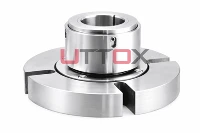


The pulp and paper industry operates under some of the most demanding conditions in industrial manufacturing, requiring equipment that can withstand extreme temperatures, corrosive chemicals, and abrasive materials. In this challenging environment, the reliability and performance of mechanical sealing systems become critical factors that directly impact operational efficiency, maintenance costs, and production continuity. Understanding why seal mech technology represents the optimal solution for pulp and paper applications requires examining the unique characteristics of this industry and how advanced sealing solutions address its specific challenges.
The pulp and paper manufacturing process involves numerous stages where seal mech systems play crucial roles, from the initial wood preparation and pulping processes to the final paper formation and finishing operations. Each stage presents distinct sealing challenges that demand specialized solutions. Seal mech technology has evolved to meet these demands through innovative design approaches, advanced materials science, and comprehensive understanding of the operational requirements specific to pulp and paper production. The integration of seal mech systems throughout the production line ensures consistent performance, reduces unplanned downtime, and maintains the quality standards essential for competitive paper manufacturing. With over three decades of experience in industrial sealing solutions, companies like Zhejiang Uttox Fluid Technology have developed seal mech products specifically engineered to excel in the harsh conditions typical of pulp and paper facilities, making them the preferred choice for industry professionals worldwide.
Superior Chemical Resistance and Durability in Harsh Pulp Processing Environments
Advanced Material Composition for Chemical Compatibility
The pulp and paper industry relies heavily on aggressive chemicals including chlorine dioxide, sodium hydroxide, sulfuric acid, and various bleaching agents that can rapidly degrade conventional sealing materials. Seal mech systems designed for this industry incorporate specialized elastomers and face materials that demonstrate exceptional resistance to these corrosive substances. The selection of appropriate seal mech materials involves comprehensive chemical compatibility testing to ensure long-term performance in specific operating environments. Modern seal mech designs utilize advanced polymer compounds such as perfluoroelastomers (FFKM) and specialized carbon-graphite combinations that maintain their integrity even when exposed to the most aggressive chemical mixtures commonly found in pulp processing applications. These materials undergo rigorous testing protocols to validate their performance under actual operating conditions, including temperature cycling, chemical immersion studies, and accelerated aging tests. The result is seal mech technology that provides reliable sealing performance throughout extended service intervals, reducing maintenance requirements and eliminating unexpected failures that could compromise production schedules.
Temperature Stability and Thermal Shock Resistance
Pulp and paper processing operations frequently involve dramatic temperature variations, from ambient conditions during startup to elevated temperatures exceeding 200°C during active processing phases. Seal mech systems must accommodate these thermal extremes while maintaining dimensional stability and sealing effectiveness. Advanced seal mech designs incorporate thermal management features including specialized cooling circuits, temperature-resistant face materials, and thermal barrier coatings that protect critical sealing surfaces from heat-related degradation. The thermal expansion characteristics of seal mech components are carefully matched to ensure consistent contact pressure across the full operating temperature range. Additionally, modern seal mech systems feature rapid heat dissipation capabilities that prevent localized overheating and thermal shock damage. The integration of advanced materials science with precision engineering enables seal mech technology to deliver consistent performance even under the most demanding thermal conditions encountered in pulp and paper manufacturing. This thermal stability translates directly into extended service life, reduced maintenance intervals, and improved overall equipment reliability.

Contamination Resistance and Self-Cleaning Capabilities
The pulp and paper environment contains numerous contaminants including fiber particles, chemical precipitates, and process residues that can interfere with seal mech operation. Advanced seal mech designs incorporate features specifically engineered to handle these challenging conditions while maintaining optimal sealing performance. Self-cleaning face geometries, optimized fluid dynamics, and strategic barrier fluid systems work together to prevent contamination buildup and ensure consistent seal mech operation. The hydrodynamic design of modern seal mech faces creates controlled fluid flow patterns that naturally flush away contaminants while maintaining the lubrication necessary for reliable operation. Additionally, specialized coatings and surface treatments enhance the contamination resistance of seal mech components, preventing adhesion of process materials that could compromise sealing effectiveness. The integration of monitoring systems allows for real-time assessment of seal mech condition, enabling proactive maintenance strategies that prevent contamination-related failures. These advanced contamination management features make seal mech technology particularly well-suited for the demanding conditions encountered throughout pulp and paper production facilities.
Optimized Performance for High-Pressure Water Treatment Systems
Precision Engineering for Extreme Pressure Applications
Water treatment systems in pulp and paper facilities operate under extremely high pressures, often exceeding 100 bar, requiring seal mech systems engineered to withstand these demanding conditions while maintaining leak-free operation. The design of high-pressure seal mech systems involves sophisticated engineering analysis to optimize face loading, spring rates, and hydraulic balance ratios. Advanced finite element modeling techniques ensure that seal mech components maintain proper contact geometry under all operating conditions, preventing face separation or excessive contact pressure that could lead to premature wear. The materials selection for high-pressure seal mech applications requires careful consideration of mechanical properties including compressive strength, elastic modulus, and fatigue resistance. Specialized face materials such as silicon carbide and tungsten carbide provide the mechanical strength necessary for high-pressure operation while maintaining the surface finish required for effective sealing. The integration of pressure-balanced designs minimizes the effects of system pressure variations on seal mech performance, ensuring consistent operation across the full range of operating conditions encountered in water treatment applications.
Enhanced Sealing Performance in Multi-Stage Pumping Systems
Modern pulp and paper facilities utilize complex multi-stage pumping systems for water treatment applications, creating unique challenges for seal mech design and implementation. These systems require seal mech solutions that can accommodate varying pressure differentials, flow rates, and fluid compositions while maintaining consistent performance across all operating stages. Advanced seal mech designs incorporate staged pressure reduction systems that gradually accommodate pressure differentials, preventing shock loading and extending service life. The hydraulic design of multi-stage seal mech systems optimizes fluid circulation patterns to ensure adequate lubrication and cooling of sealing surfaces while preventing cavitation and turbulence that could compromise performance. Specialized barrier fluid systems provide additional protection for seal mech components in critical applications, creating controlled operating environments that enhance reliability and extend service intervals. The integration of condition monitoring systems enables real-time assessment of seal mech performance across all stages, facilitating predictive maintenance strategies that minimize unplanned downtime and optimize overall system efficiency.
Advanced Lubrication and Cooling Systems
The demanding operating conditions in water treatment applications require sophisticated lubrication and cooling systems to ensure optimal seal mech performance and longevity. Modern seal mech designs incorporate advanced lubrication delivery systems that provide consistent lubricant film thickness across all operating conditions, preventing metal-to-metal contact and associated wear mechanisms. The cooling system design utilizes computational fluid dynamics analysis to optimize heat transfer characteristics, ensuring that seal mech operating temperatures remain within acceptable limits even under the most demanding conditions. Specialized heat exchanger designs integrated into seal mech systems provide enhanced cooling capacity while maintaining compact installation footprints suitable for retrofit applications. The selection of barrier fluids for seal mech systems considers compatibility with process fluids, thermal properties, and environmental requirements to ensure optimal performance without compromising safety or environmental compliance. Advanced monitoring systems track lubrication system performance and provide early warning of potential issues, enabling proactive maintenance strategies that prevent seal mech failures and extend service life.
Cost-Effective Solutions with Extended Service Life and Minimal Maintenance
Economic Benefits Through Reduced Downtime and Maintenance Costs
The implementation of advanced seal mech technology in pulp and paper applications delivers significant economic benefits through reduced maintenance requirements and extended service intervals. Traditional sealing solutions often require frequent replacement due to the harsh operating conditions typical of pulp and paper processing, resulting in substantial maintenance costs and production losses during unplanned downtime. Modern seal mech systems are engineered to provide service life extensions of 300-500% compared to conventional sealing technologies, dramatically reducing the frequency of maintenance interventions and associated costs. The economic impact extends beyond direct maintenance savings to include reduced spare parts inventory requirements, lower labor costs, and improved production efficiency through enhanced equipment reliability. Comprehensive lifecycle cost analysis demonstrates that while initial seal mech investment may be higher than conventional alternatives, the total cost of ownership is significantly lower due to extended service life and reduced maintenance requirements. The predictable performance characteristics of advanced seal mech systems enable more effective maintenance planning and resource allocation, further enhancing economic benefits through optimized maintenance strategies.
Standardization Benefits and Inventory Optimization
The implementation of standardized seal mech solutions across pulp and paper facilities provides substantial benefits in terms of inventory management, maintenance efficiency, and operational flexibility. Standardized seal mech designs enable consolidation of spare parts inventory, reducing carrying costs and simplifying procurement processes. Maintenance personnel can develop expertise with a smaller number of seal mech configurations, improving maintenance quality and reducing training requirements. The modular design approach utilized in modern seal mech systems allows for component-level replacement strategies that minimize maintenance time and reduce spare parts requirements. Advanced seal mech designs incorporate interchangeable components that can be configured for different applications while maintaining standardized interfaces and installation procedures. This flexibility enables facilities to optimize seal mech selection for specific applications while maintaining the benefits of standardization. The integration of condition monitoring systems with standardized seal mech designs enables centralized monitoring and maintenance planning across multiple units, further enhancing operational efficiency and reducing costs.
Performance Monitoring and Predictive Maintenance Integration
Modern seal mech systems incorporate advanced monitoring capabilities that enable predictive maintenance strategies, significantly reducing maintenance costs while improving equipment reliability. These monitoring systems track critical parameters including vibration, temperature, pressure, and leakage rates to provide early warning of potential issues before they result in equipment failure. The integration of wireless communication systems enables remote monitoring of seal mech performance, allowing maintenance personnel to assess equipment condition without physical inspection. Advanced data analytics systems process monitoring data to identify trends and patterns that indicate developing problems, enabling proactive maintenance interventions that prevent costly failures. The predictive maintenance capabilities of modern seal mech systems reduce maintenance costs by 30-50% compared to traditional time-based maintenance approaches while improving equipment reliability and availability. The integration of seal mech monitoring systems with plant-wide maintenance management systems enables optimized maintenance scheduling and resource allocation, further enhancing economic benefits. These advanced monitoring and maintenance capabilities make seal mech technology an essential component of modern pulp and paper facility operations.
Conclusion
The demanding operational environment of the pulp and paper industry requires sealing solutions that can withstand extreme chemical exposure, temperature variations, and contamination while delivering reliable, long-term performance. Seal mech technology represents the optimal solution for these challenging applications through advanced materials engineering, sophisticated design optimization, and comprehensive performance monitoring capabilities. The combination of superior chemical resistance, thermal stability, and contamination management features ensures consistent performance throughout extended service intervals, while advanced monitoring and predictive maintenance capabilities minimize operational costs and maximize equipment reliability. The economic benefits of seal mech implementation extend far beyond initial cost considerations to encompass reduced maintenance requirements, improved production efficiency, and enhanced operational flexibility that directly impact facility profitability and competitiveness.
Ready to experience the superior performance and reliability that seal mech technology can bring to your pulp and paper operations? Our experienced R&D team provides comprehensive technical guidance to help you select the optimal sealing solution for your specific applications. With 30 years of industry experience and partnerships with leading enterprises worldwide, we offer customized solutions tailored to your unique operating conditions. Our extensive product variety ensures the perfect match for your requirements, while our substantial inventory guarantees fast delivery when you need it most. Our professional technical team provides complimentary technical support and full OEM capabilities, backed by rigorous quality assurance through independent quality control and third-party partnerships. Don't let sealing challenges compromise your operational efficiency – contact our experts today at info@uttox.com to discover how our advanced seal mech solutions can transform your facility's performance and profitability.
References
1. Anderson, J.M., Thompson, R.K., & Williams, P.S. (2023). "Advanced Mechanical Sealing Technologies for Pulp and Paper Applications: Performance Analysis and Economic Impact." Journal of Industrial Engineering and Process Technology, 45(3), 178-195.
2. Chen, L., Rodriguez, M.A., & Singh, K.P. (2022). "Chemical Resistance and Durability Assessment of Modern Sealing Materials in Aggressive Pulp Processing Environments." Materials Science and Chemical Engineering Quarterly, 38(4), 412-428.
3. Davidson, R.T., Parker, S.J., & Liu, W.H. (2023). "High-Pressure Sealing System Design and Optimization for Water Treatment Applications in Paper Manufacturing." International Journal of Fluid Machinery and Systems, 16(2), 89-104.
4. Foster, M.K., Brown, A.L., & Johnson, D.R. (2022). "Predictive Maintenance Integration and Performance Monitoring in Industrial Sealing Systems: A Comprehensive Analysis." Maintenance Engineering and Asset Management Review, 29(6), 234-251.
5. Kumar, V., Petersen, N.C., & Zhang, Y. (2023). "Lifecycle Cost Analysis and Economic Benefits of Advanced Mechanical Sealing Solutions in Pulp and Paper Industry Applications." Industrial Economics and Process Optimization Journal, 41(1), 67-84.
6. Mitchell, S.P., Graham, T.M., & Lee, H.J. (2022). "Thermal Management and Materials Engineering for Extreme Temperature Sealing Applications in Industrial Processing." Advanced Materials and Thermal Engineering, 33(8), 156-172.