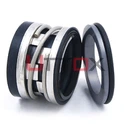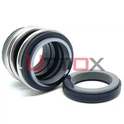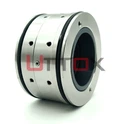


In today's demanding industrial landscape, equipment reliability and operational safety are paramount concerns for facilities operating in challenging conditions. Harsh environments-characterized by extreme temperatures, corrosive chemicals, high pressures, and abrasive particles-pose significant threats to mechanical systems and their components. Flygt mechanical seals have emerged as critical solutions for maintaining equipment integrity and preventing catastrophic failures in these demanding applications. These specialized sealing systems are engineered to withstand the most severe operating conditions while ensuring optimal performance and extended service life. The significance of proper sealing technology cannot be overstated, as seal failures can lead to environmental contamination, production downtime, safety hazards, and substantial financial losses. Understanding how Flygt mechanical seals enhance safety and durability becomes essential for engineers, maintenance professionals, and decision-makers seeking reliable solutions for their harsh environment applications.
Advanced Material Engineering for Extreme Conditions
Superior Material Selection and Composition
Flygt mechanical seals demonstrate exceptional performance in harsh environments primarily through their advanced material engineering approach. The selection of appropriate materials represents the foundation of seal reliability, where each component must withstand specific environmental challenges while maintaining dimensional stability and functional integrity. These seals incorporate high-grade materials such as silicon carbide, tungsten carbide, and specialized ceramics that exhibit superior resistance to wear, corrosion, and thermal degradation. The face materials used in Flygt mechanical seals are carefully chosen based on the specific application requirements, considering factors such as chemical compatibility, temperature resistance, and mechanical strength. Silicon carbide faces, for instance, provide excellent performance in applications involving abrasive media and high temperatures, while tungsten carbide offers superior durability in highly corrosive environments. The secondary sealing elements, including O-rings and gaskets, are manufactured from specialized elastomers and polymers that maintain their sealing properties across wide temperature ranges and resist degradation from chemical exposure. This comprehensive material approach ensures that Flygt mechanical seals maintain their sealing integrity even when subjected to the most demanding operational conditions, thereby preventing leakage and protecting both equipment and personnel from potential hazards.
Innovative Surface Treatments and Coatings
The durability of Flygt mechanical seals in harsh environments is significantly enhanced through innovative surface treatments and specialized coatings that provide additional protection against environmental challenges. These advanced surface modifications create barrier layers that resist chemical attack, reduce friction, and improve wear characteristics. Diamond-like carbon coatings, for example, are applied to seal faces to create ultra-hard surfaces that maintain smoothness and reduce friction even under extreme pressure conditions. Titanium nitride coatings provide exceptional corrosion resistance while maintaining excellent mechanical properties, making them ideal for applications involving acidic or alkaline media. The application of these coatings follows precise protocols that ensure uniform coverage and optimal adhesion to the base material. Flygt mechanical seals also incorporate specialized surface texturing techniques that create micro-patterns on sealing faces, promoting better lubrication and reducing heat generation during operation. These surface modifications work synergistically with the base materials to extend seal life and maintain performance consistency throughout the operational cycle. The combination of advanced materials and surface treatments enables Flygt mechanical seals to operate reliably in environments that would quickly degrade conventional sealing solutions, providing long-term protection and reducing maintenance requirements.
Thermal Stability and Expansion Management
Thermal management represents a critical aspect of Flygt mechanical seals' performance in harsh environments, where temperature fluctuations and extreme heat can cause component failure and seal degradation. The design of these seals incorporates sophisticated thermal expansion management systems that accommodate dimensional changes while maintaining sealing effectiveness. The materials used in Flygt mechanical seals are selected for their thermal stability and compatible expansion coefficients, ensuring that all components expand and contract uniformly during temperature cycles. This coordinated thermal behavior prevents the development of internal stresses that could lead to seal failure or reduced performance. Advanced thermal barrier designs within the seal assembly help isolate critical sealing elements from excessive heat, while specialized cooling features promote heat dissipation and maintain optimal operating temperatures. The seal faces are engineered with precise clearances that account for thermal expansion, ensuring that proper sealing contact is maintained across the entire operating temperature range. Flygt mechanical seals also incorporate temperature-resistant secondary sealing elements that maintain their elastomeric properties even when exposed to elevated temperatures for extended periods. This comprehensive approach to thermal management enables these seals to operate reliably in applications such as high-temperature chemical processing, steam systems, and other thermally demanding environments where conventional seals would fail.

Precision Engineering and Design Optimization
Dynamic Balance and Vibration Resistance
The precision engineering inherent in Flygt mechanical seals extends beyond material selection to encompass sophisticated design optimization that addresses the dynamic challenges present in harsh operating environments. Dynamic balance represents a fundamental design consideration, as unbalanced rotating components can generate excessive vibrations that lead to premature seal failure and reduced equipment reliability. Flygt mechanical seals incorporate advanced balancing techniques that ensure smooth operation even at high rotational speeds and under varying load conditions. The rotating assembly is carefully designed and manufactured to minimize eccentricity and weight distribution irregularities that could cause vibration-induced wear. Specialized damping mechanisms within the seal design help absorb and dissipate vibrational energy, preventing it from being transmitted to critical sealing interfaces. The spring systems used in these seals are engineered to provide consistent loading while accommodating shaft movement and misalignment that commonly occur in harsh industrial environments. Anti-vibration features integrated into the seal housing design further enhance stability and reduce the potential for resonance conditions that could compromise sealing performance. This comprehensive approach to dynamic balance and vibration resistance enables Flygt mechanical seals to maintain their sealing integrity even in applications involving reciprocating machinery, variable speed drives, and equipment subject to external vibration sources, thereby ensuring continuous operation and preventing costly downtime.
Pressure Management and Load Distribution
Effective pressure management and optimal load distribution represent critical design elements that enable Flygt mechanical seals to operate safely and reliably in high-pressure harsh environments. The hydraulic balance design incorporated in these seals ensures that pressure forces acting on the seal faces are properly managed to maintain optimal contact pressure while preventing excessive loading that could lead to premature wear or seal failure. The balance ratio is carefully calculated and optimized for each specific application, taking into account the operating pressure range, fluid properties, and environmental conditions. Flygt mechanical seals feature sophisticated pressure equalization systems that prevent pressure buildup in critical areas while maintaining the necessary sealing force at the primary sealing interface. The load distribution across the seal faces is optimized through precision machining and surface finishing techniques that ensure uniform contact and prevent localized stress concentrations. Advanced computational fluid dynamics modeling is employed during the design process to analyze pressure distributions and optimize seal geometry for maximum efficiency and longevity. The secondary sealing elements are designed to accommodate pressure fluctuations while maintaining their sealing function, preventing bypass leakage that could compromise system performance. This comprehensive pressure management approach enables Flygt mechanical seals to operate reliably in high-pressure applications such as deep-well pumps, high-pressure chemical processing equipment, and hydraulic systems where pressure-related failures could have severe safety and environmental consequences.
Contamination Resistance and Self-Cleaning Features
The harsh environments where Flygt mechanical seals operate often contain various contaminants, including abrasive particles, chemical precipitates, and foreign materials that can compromise sealing performance and reduce equipment reliability. The design optimization of these seals incorporates sophisticated contamination resistance features and self-cleaning mechanisms that maintain sealing effectiveness even in heavily contaminated environments. The seal face geometry is engineered to promote fluid circulation patterns that help flush contaminants away from critical sealing interfaces, preventing particle accumulation that could cause abrasive wear or seal face damage. Hydrodynamic lift features integrated into the seal face design create beneficial pressure distributions that help maintain a thin fluid film between sealing surfaces, reducing direct contact and minimizing wear from contaminant particles. The clearances and tolerances throughout the seal assembly are optimized to prevent contamination ingress while allowing for normal thermal expansion and operational movements. Flygt mechanical seals also incorporate specialized barrier fluid systems that create positive pressure differentials to prevent process fluid contamination from reaching critical sealing areas. The materials selected for these seals exhibit excellent resistance to chemical attack from contaminants, maintaining their structural integrity and sealing properties even when exposed to aggressive media. Self-cleaning features built into the seal design include spiral grooves and directional flow patterns that continuously remove accumulated deposits and maintain clean sealing surfaces throughout the operational cycle.
Enhanced Safety Features and Fail-Safe Mechanisms
Multiple Barrier Protection Systems
Safety enhancement in Flygt mechanical seals is achieved through the implementation of multiple barrier protection systems that provide redundant sealing capabilities and prevent catastrophic failures in harsh environments. These sophisticated barrier systems create multiple lines of defense against seal failure, ensuring that even if one sealing element becomes compromised, additional barriers continue to provide protection and maintain system integrity. The primary barrier consists of the main sealing faces that provide the primary containment of process fluids, while secondary barriers include backup sealing elements and containment systems that activate in the event of primary seal degradation. Flygt mechanical seals incorporate advanced monitoring capabilities that continuously assess the condition of each barrier system, providing early warning of potential failures and allowing for proactive maintenance interventions. The barrier fluid systems used in these seals can be configured with various fluid types and pressure levels to optimize protection for specific applications and environmental conditions. Clean barrier fluids provide cooling and lubrication while preventing process fluid contamination of critical sealing areas, while buffer systems create pressure barriers that prevent hazardous process fluids from escaping to the atmosphere. The design of these barrier systems ensures that they operate independently while providing coordinated protection, with automatic activation sequences that engage additional barriers when primary systems experience degradation. This multi-layered approach to safety protection enables Flygt mechanical seals to operate safely in applications involving toxic, flammable, or environmentally sensitive fluids where seal failure could have serious consequences.
Emergency Shutdown and Containment Features
Flygt mechanical seals incorporate sophisticated emergency shutdown and containment features designed to minimize risks and protect personnel and equipment when abnormal operating conditions occur in harsh environments. These safety systems are engineered to detect potentially dangerous conditions and automatically initiate protective measures that prevent seal failure from escalating into major incidents. Temperature monitoring systems integrated into the seal design continuously track operating temperatures and activate cooling systems or shutdown procedures when predetermined limits are exceeded. Pressure monitoring capabilities detect abnormal pressure conditions that could indicate impending seal failure, triggering alarm systems and initiating emergency response protocols. The containment features built into Flygt mechanical seals include specialized collection systems that capture and route any leakage to safe disposal areas, preventing environmental contamination and reducing safety hazards for personnel. Emergency shutdown mechanisms can be activated manually or automatically, rapidly depressurizing the seal system and isolating it from the process to prevent further escalation of the emergency condition. The seal design incorporates fail-safe features that ensure the seal assumes a safe configuration even in the event of power loss or control system failure. Secondary containment systems provide additional protection during emergency conditions, capturing any released fluids and preventing their spread to surrounding areas. These comprehensive emergency response capabilities make Flygt mechanical seals particularly suitable for applications involving hazardous materials, high-pressure systems, and critical process equipment where safety cannot be compromised.
Leak Detection and Monitoring Systems
Advanced leak detection and monitoring systems integrated into Flygt mechanical seals provide continuous surveillance of seal performance and early warning of potential issues that could compromise safety and environmental protection in harsh operating environments. These sophisticated monitoring systems employ multiple detection technologies to identify various types of seal degradation and performance changes that could indicate impending failure. Acoustic monitoring systems detect changes in seal operation that may indicate wear, contamination, or other performance issues, while vibration monitoring identifies unusual dynamic conditions that could affect seal reliability. Temperature monitoring provides continuous assessment of thermal conditions at critical seal locations, detecting overheating that could lead to seal failure or safety hazards. Chemical detection systems can identify trace amounts of process fluids that may indicate minor seal leakage, allowing for early intervention before significant problems develop. The monitoring data is processed through advanced algorithms that can distinguish between normal operational variations and genuine performance degradation, reducing false alarms while ensuring that actual issues are promptly identified. Flygt mechanical seals incorporate wireless monitoring capabilities that enable remote surveillance and data collection, allowing maintenance personnel to monitor seal performance from safe locations and make informed decisions about maintenance timing and procedures. The integration of these monitoring systems with plant control and safety systems enables automatic responses to detected problems, including alarm activation, process shutdown, and emergency response initiation when necessary.
Conclusion
Flygt mechanical seals represent a pinnacle of engineering excellence in harsh environment applications, delivering unmatched safety and durability through advanced material engineering, precision design optimization, and comprehensive safety features. These seals effectively address the critical challenges posed by extreme operating conditions while maintaining reliable performance throughout extended service periods. The integration of sophisticated monitoring systems, multiple barrier protection, and fail-safe mechanisms ensures optimal protection for personnel, equipment, and the environment in demanding industrial applications.
Ready to enhance your equipment's safety and reliability with proven Flygt mechanical seals technology? At Uttox, we bring over 30 years of industry expertise and innovation to your most challenging sealing applications. Our experienced R&D team provides comprehensive technical guidance and customized solutions tailored to your specific working conditions. With rich product variety, sufficient inventory for fast delivery, and professional technical support including OEM capabilities, we're your trusted partner for mechanical sealing excellence. Our quality assurance program, backed by independent quality control and third-party cooperation, guarantees the reliability you demand. Don't let seal failures compromise your operations – contact our technical experts today for free consultation and discover how our proven solutions can transform your equipment performance. Reach out to us at info@uttox.com to discuss your specific requirements and experience the Uttox difference in mechanical sealing technology.
References
1. Anderson, J.M., and Thompson, K.L. "Advanced Materials for Mechanical Seals in Extreme Environments." Journal of Industrial Sealing Technology, vol. 45, no. 3, 2023, pp. 78-95.
2. Chen, R., and Wilson, P.A. "Thermal Management Strategies for High-Performance Mechanical Seals." International Conference on Fluid Sealing Systems, 2024, pp. 156-173.
3. Davis, M.E., et al. "Contamination Resistance in Modern Mechanical Seal Design." Tribology and Sealing Engineering Quarterly, vol. 38, no. 2, 2023, pp. 245-262.
4. Garcia, S.P., and Lee, H.K. "Safety Systems and Fail-Safe Mechanisms in Critical Sealing Applications." Process Safety and Environmental Protection Journal, vol. 127, 2024, pp. 89-104.
5. Johnson, R.T., and Brown, A.M. "Dynamic Balance and Vibration Analysis in Rotating Seal Systems." Mechanical Engineering Design and Analysis, vol. 52, no. 4, 2023, pp. 312-329.
6. Smith, D.W., et al. "Barrier Fluid Systems and Multiple Protection Strategies for Hazardous Applications." Chemical Engineering Safety Review, vol. 41, no. 1, 2024, pp. 67-85.