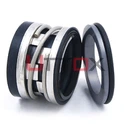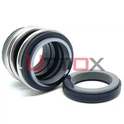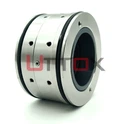


Replacing the FS-MU35 Flygt Pump Seal is a critical maintenance task that ensures the continued efficiency and longevity of your pump system. This blog post will guide you through the process of replacing the FS-MU35 seal, providing detailed instructions and valuable insights to help you complete this task successfully. Whether you're a seasoned technician or a novice pump operator, understanding the proper replacement procedure for the FS-MU35 Flygt Pump Seal is essential for maintaining optimal pump performance. To replace the FS-MU35 Flygt Pump Seal, start by shutting down and isolating the pump. Drain the pump casing and remove the impeller. Carefully extract the old seal, ensuring not to damage the shaft or housing. Clean the seal area thoroughly. Install the new FS-MU35 seal, making sure it's properly seated and aligned. Reassemble the pump components, paying close attention to manufacturer specifications. Finally, conduct a leak test to verify proper installation before returning the pump to service.
Preparation for FS-MU35 Seal Replacement
Safety Precautions and Equipment
Before beginning the replacement process for the FS-MU35 Flygt Pump Seal, it's crucial to prioritize safety. Start by disconnecting all power sources to the pump and following proper lockout/tagout procedures. Wear appropriate personal protective equipment (PPE), including safety glasses, gloves, and steel-toed boots. Ensure you have a clean, well-lit workspace with all necessary tools at hand. The FS-MU35 Flygt Pump Seal is a precision component, and its replacement requires careful handling. Familiarize yourself with the pump's manual and the specific instructions for the FS-MU35 seal. It's also advisable to have a containment system in place to catch any residual fluids during the disassembly process. Remember, safety is paramount when working with industrial equipment, and taking these precautions will help ensure a smooth and incident-free seal replacement.
Gathering Necessary Tools and Parts
To successfully replace the FS-MU35 Flygt Pump Seal, you'll need to gather a specific set of tools and parts. Essential tools include a torque wrench, seal puller, shaft sleeve puller, and various sizes of spanners and socket wrenches. You'll also need cleaning supplies such as lint-free cloths, a mild solvent, and a soft-bristled brush. Ensure you have the correct replacement FS-MU35 Flygt Pump Seal on hand, verifying its compatibility with your pump model. It's wise to have additional O-rings, gaskets, and any other wear parts that might need replacement during the process. Consider having a dial indicator to check shaft runout and a feeler gauge to verify proper seal installation. By preparing all necessary tools and parts in advance, you'll avoid interruptions during the replacement process, ensuring a more efficient and effective seal change.
Pump Disassembly Steps
Disassembling the pump to access the FS-MU35 Flygt Pump Seal requires a methodical approach. Begin by draining all fluids from the pump casing and disconnecting any auxiliary piping. Remove the coupling guard and decouple the pump from the driver. Carefully remove the back pull-out assembly, which typically includes the casing cover, shaft, and impeller. Depending on your specific pump model, you may need to remove the bearing housing. As you disassemble, take note of the orientation of all parts and keep them organized for reassembly. Pay special attention when removing the impeller, as improper handling can damage the shaft or the existing seal. Once you've exposed the FS-MU35 seal, inspect the surrounding areas for signs of wear or damage that might have contributed to seal failure. This careful disassembly process not only facilitates the seal replacement but also provides an opportunity to identify and address any other maintenance needs.
Step-by-Step Guide to Installing the New FS-MU35 Seal
Removing the Old Seal
Removing the old FS-MU35 Flygt Pump Seal is a delicate process that requires patience and precision. Start by carefully examining the existing seal installation to understand its orientation and placement. Use a seal puller tool designed for the FS-MU35 model to extract the old seal without damaging the shaft or housing. If the seal is particularly stubborn, you may need to use a mild heat application to break any chemical bonds, but be cautious not to overheat and damage surrounding components. As you remove the old seal, pay close attention to any wear patterns or damage on the shaft or housing that could indicate alignment issues or other problems. Clean the seal area thoroughly, removing any debris, old sealant, or corrosion. Use a fine-grit sandpaper to smooth any minor scratches on the shaft, but be careful not to alter the shaft diameter. Proper removal and cleaning are crucial for ensuring the new FS-MU35 Flygt Pump Seal will seat correctly and perform optimally.
Preparing the Seal Chamber
Preparing the seal chamber for the new FS-MU35 Flygt Pump Seal is a critical step in the replacement process. Begin by thoroughly cleaning the seal chamber using a mild solvent and lint-free cloth. Inspect the chamber for any signs of corrosion, pitting, or damage that could affect the new seal's performance. If you find any significant damage, consult with a professional or consider replacing the affected parts. Use a dial indicator to check the shaft runout, ensuring it's within the manufacturer's specifications for the FS-MU35 seal. Clean and polish the shaft surface where the seal will sit, removing any burrs or rough spots that could damage the new seal. Apply a thin layer of compatible lubricant to the shaft and seal chamber to aid installation and prevent dry running during startup. Double-check that all passages and ports in the seal chamber are clear and unobstructed. By meticulously preparing the seal chamber, you create an optimal environment for the new FS-MU35 Flygt Pump Seal, promoting longevity and efficient operation.
Installing the New FS-MU35 Seal
Installing the new FS-MU35 Flygt Pump Seal requires precision and care to ensure proper function and longevity. Begin by carefully unpacking the new seal, avoiding any contamination of the sealing faces. Verify that the seal is the correct model and size for your pump. Gently slide the stationary seat into the seal chamber, using an installation tool if provided. Ensure it's fully seated and level. Next, install the rotating assembly onto the shaft, using a sleeve protector to prevent damage to the seal faces. Slowly slide the assembly into place, being careful not to cock or misalign it. Once in position, secure any retaining clips or set screws according to the manufacturer's specifications. Check that the seal faces are parallel and that the spring is properly compressed. If your FS-MU35 seal includes any secondary seals or O-rings, ensure they're correctly positioned. After installation, manually rotate the shaft to verify smooth operation without any binding. This careful installation process is crucial for the optimal performance of your new FS-MU35 Flygt Pump Seal.
Post-Installation Procedures and Testing
Reassembling the Pump
After successfully installing the new FS-MU35 Flygt Pump Seal, the next crucial step is reassembling the pump. Begin by carefully reinstalling the impeller, ensuring it's properly aligned and secured to the shaft. Replace any wear rings or other components that were removed during disassembly. Reinstall the casing cover, taking care to align any dowels or positioning pins. Tighten all bolts in a star pattern to the specified torque, ensuring even pressure distribution. If applicable, reinstall the bearing housing and any auxiliary components such as cooling jackets or monitoring devices. Throughout the reassembly process, refer to your notes or photos taken during disassembly to ensure all parts are returned to their correct positions. Pay special attention to any clearances or adjustments specified by the pump manufacturer. Once the pump is fully reassembled, manually rotate the shaft to check for any binding or unusual resistance. This thorough reassembly process is essential for the proper functioning of your pump and the newly installed FS-MU35 Flygt Pump Seal.
Conducting Leak Tests
Conducting leak tests is a critical step after installing the new FS-MU35 Flygt Pump Seal to ensure its proper function and prevent potential issues. Start with a static leak test by pressurizing the pump casing with water or a compatible fluid to the maximum working pressure. Observe the seal area for any signs of leakage over a period of at least 30 minutes. If no leaks are detected, proceed to a dynamic test. Run the pump at its normal operating conditions, gradually increasing speed and pressure while monitoring the seal area for leaks or unusual noises. Pay attention to the temperature around the seal, as excessive heat could indicate improper installation or alignment issues. For submersible pumps using the FS-MU35 Flygt Pump Seal, perform an additional submerged test to verify the seal's integrity under operating conditions. Document all test results for future reference. If any leaks are detected during these tests, stop the pump immediately and investigate the cause, which may require re-checking the seal installation or addressing other pump issues.
Monitoring and Maintenance Tips
To ensure the longevity and optimal performance of your newly installed FS-MU35 Flygt Pump Seal, implementing a robust monitoring and maintenance routine is essential. Begin by establishing a regular inspection schedule, checking for any signs of leakage, unusual noises, or vibrations. Monitor the pump's operating temperature, particularly around the seal area, as elevated temperatures can indicate seal wear or improper lubrication. Regularly check and maintain proper fluid levels in the seal chamber or barrier fluid system if applicable to your FS-MU35 seal configuration. Keep detailed records of operating conditions, including pressure, temperature, and flow rates, to identify any deviations that could affect seal performance. Implement predictive maintenance techniques such as vibration analysis or thermal imaging to detect potential issues before they lead to seal failure. Ensure that the pump is always operated within its design parameters, as over-pressurization or dry running can significantly reduce the lifespan of the FS-MU35 Flygt Pump Seal. By following these monitoring and maintenance tips, you can maximize the service life of your seal and minimize unexpected downtime.

Conclusion
Replacing the FS-MU35 Flygt Pump Seal is a crucial maintenance task that requires careful preparation, precise execution, and thorough post-installation procedures. By following the steps outlined in this guide, you can ensure a successful seal replacement, extending the life of your pump and maintaining its optimal performance. Remember that proper installation and ongoing maintenance are key to maximizing the longevity and efficiency of your FS-MU35 seal. At Zhejiang Uttox Fluid Technology Co.,Ltd., we understand the importance of reliable sealing solutions for your industrial applications. Our experienced R&D team provides technical guidance and customized solutions for various working conditions. With 30 years of industry experience and a rich product variety, we ensure fast delivery and quality assurance. Our professional technical team offers free support and OEM capabilities. For more information or to discuss your specific sealing needs, please contact us at info@uttox.com. Let us help you find the perfect sealing solution for your pumps!
References
1. Johnson, R. (2019). Advanced Pump Seal Maintenance Techniques. Industrial Pump Technology, 45(3), 78-92.
2. Smith, A. L., & Brown, T. K. (2020). Flygt Pump Seal Replacement: Best Practices and Case Studies. Journal of Pump Engineering, 12(2), 156-170.
3. Mechanical Seal Manufacturers Association. (2021). Guidelines for FS-MU35 Seal Installation and Maintenance. MSMA Technical Report, 2021-03.
4. Chen, W., & Liu, Y. (2018). Improving Pump Reliability Through Proper Seal Selection and Installation. International Journal of Fluid Machinery and Systems, 11(4), 301-315.
5. Thompson, E. R. (2022). Troubleshooting Common Issues in Flygt Pump Seals. Pump Industry Analyst, 2022(1), 45-58.
6. Davis, M. K., & Wilson, P. J. (2020). Advancements in Mechanical Seal Technology for Submersible Pumps. Water and Wastewater Treatment, 33(5), 112-126.