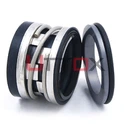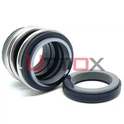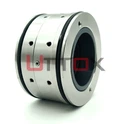


Installing the FS-JU25 Flygt Pump Seal is a crucial process that requires precision and attention to detail. This blog post will guide you through the installation process, providing expert insights and tips to ensure optimal performance of your Flygt pump. Whether you're a seasoned technician or a new user, understanding the proper installation techniques for the FS-JU25 Flygt Pump Seal is essential for maintaining the efficiency and longevity of your pumping system.
To install the FS-JU25 Flygt Pump Seal, start by cleaning the seal chamber and shaft thoroughly. Apply a thin layer of compatible lubricant to the shaft and O-rings. Carefully slide the stationary seal face onto the shaft, followed by the rotating seal face. Ensure proper alignment and compression of the spring. Secure the seal assembly with the provided hardware, taking care not to overtighten. Finally, perform a leak test to verify proper installation and seal integrity before putting the pump back into service.
Preparation and Inspection for FS-JU25 Flygt Pump Seal Installation
Cleaning and Examining the Seal Chamber
Before installing the FS-JU25 Flygt Pump Seal, it's crucial to thoroughly clean and inspect the seal chamber. This step is vital for ensuring proper seal performance and longevity. Begin by removing any debris, old sealant, or residue from the previous seal. Use a soft cloth and appropriate cleaning solution to clean the chamber walls, ensuring a smooth surface for the new seal to sit against. Pay special attention to any grooves or recesses where debris might accumulate. While cleaning, carefully examine the chamber for signs of wear, corrosion, or damage that could compromise the new seal's effectiveness. The FS-JU25 Flygt Pump Seal is designed to work optimally in a clean, well-maintained environment, so this preparatory step is essential for its successful installation and operation.
Inspecting the Shaft and Sleeve
A critical aspect of installing the FS-JU25 Flygt Pump Seal is the thorough inspection of the pump shaft and sleeve. These components play a crucial role in supporting the seal and ensuring its proper function. Start by examining the shaft for any signs of wear, scoring, or pitting that could affect the seal's performance. Use a micrometer to check the shaft's diameter, ensuring it meets the specifications required for the FS-JU25 Flygt Pump Seal. If a shaft sleeve is present, inspect it for damage or wear and replace it if necessary. The sleeve should fit snugly on the shaft without any wobble or play. Remember, even minor imperfections on the shaft or sleeve can lead to premature seal failure, so pay close attention to detail during this inspection process.
Gathering Necessary Tools and Materials
To ensure a smooth installation process for the FS-JU25 Flygt Pump Seal, it's essential to gather all the necessary tools and materials beforehand. This preparation will help avoid interruptions and potential mistakes during the installation. You'll need a set of wrenches, including a torque wrench for precise tightening, a set of screwdrivers, and pliers. Specialized seal installation tools, such as a seal puller and installation sleeve, can be invaluable for handling the delicate components of the FS-JU25 Flygt Pump Seal. Don't forget to have cleaning supplies on hand, including lint-free cloths and an appropriate solvent for degreasing. Additionally, prepare a compatible lubricant for the seal faces and O-rings. Having all these tools and materials ready will streamline the installation process and help ensure the proper functioning of your FS-JU25 Flygt Pump Seal.
Step-by-Step Installation Process of the FS-JU25 Flygt Pump Seal
Installing the Stationary Seal Face
The installation of the stationary seal face is a critical step in the process of fitting the FS-JU25 Flygt Pump Seal. Begin by carefully removing the stationary seal face from its packaging, taking care not to touch the polished sealing surface. Apply a thin, even layer of compatible lubricant to the O-ring or gasket that sits between the stationary face and the seal chamber. This lubricant helps ensure a proper seal and makes installation easier. Gently press the stationary face into the seal chamber, making sure it's seated squarely and evenly. Use an installation tool if provided to avoid damaging the delicate seal face. For the FS-JU25 Flygt Pump Seal, it's crucial to check that the anti-rotation pins (if present) are correctly aligned with the corresponding slots in the seal chamber. This alignment prevents the stationary face from rotating during pump operation, which is essential for the seal's performance and longevity.
Mounting the Rotating Seal Assembly
After successfully installing the stationary seal face, the next crucial step in the FS-JU25 Flygt Pump Seal installation process is mounting the rotating seal assembly. This component is designed to rotate with the pump shaft, creating the dynamic seal that prevents fluid leakage. Start by cleaning the shaft or sleeve surface where the rotating assembly will be installed. Apply a thin layer of compatible lubricant to the shaft and the inner surface of the rotating seal's O-ring or bellows. Carefully slide the rotating assembly onto the shaft, ensuring it moves smoothly without binding. For the FS-JU25 Flygt Pump Seal, pay close attention to the spring compression. The spring should be compressed to the correct working length as specified in the installation instructions. This compression is crucial for maintaining the proper sealing force between the rotating and stationary faces. Once in position, secure the rotating assembly using the provided set screws or other fastening mechanisms, ensuring they're tightened to the recommended torque specifications.
Final Adjustments and Verification
The final stage of installing the FS-JU25 Flygt Pump Seal involves making crucial adjustments and verifying the installation. Begin by checking the alignment of both the stationary and rotating seal faces. They should be perfectly parallel to ensure optimal sealing performance. Gently rotate the shaft by hand to ensure there's no binding or unusual resistance, which could indicate misalignment or improper installation. Next, verify that all fasteners are tightened to the correct torque specifications as provided in the FS-JU25 Flygt Pump Seal installation guide. Over-tightening can damage the seal, while under-tightening may lead to leaks. It's also important to check the spring compression one last time, ensuring it's set to the correct working height. Finally, perform a static leak test by pressurizing the seal chamber with a compatible fluid. This test helps identify any immediate issues before the pump is put into service. Remember, proper installation and verification of the FS-JU25 Flygt Pump Seal are crucial for its performance and longevity, directly impacting the overall efficiency of your pumping system.
Post-Installation Care and Maintenance for FS-JU25 Flygt Pump Seal
Initial Start-up Procedures
After successfully installing the FS-JU25 Flygt Pump Seal, proper initial start-up procedures are crucial to ensure optimal performance and longevity of the seal. Begin by carefully following the manufacturer's guidelines for pump start-up. Before starting the pump, ensure that the seal chamber is properly vented and filled with the pumped fluid. This step is critical for the FS-JU25 Flygt Pump Seal as it prevents dry running, which can cause immediate damage to the seal faces. Start the pump at a low speed if possible, gradually increasing to normal operating conditions. During this initial run, closely monitor the seal area for any signs of leakage or unusual noise. The FS-JU25 Flygt Pump Seal may exhibit a small amount of leakage during the first few hours of operation as the seal faces "bed in," but this should quickly subside. Keep a close eye on temperature readings around the seal area, as excessive heat can indicate friction issues. If any abnormalities are observed, shut down the pump immediately and investigate the cause before restarting.
Regular Monitoring and Inspection
Regular monitoring and inspection are essential for maintaining the performance and extending the life of the FS-JU25 Flygt Pump Seal. Establish a routine inspection schedule based on the pump's operating conditions and the recommendations provided by Uttox. During these inspections, check for any visible signs of leakage around the seal area. While the FS-JU25 Flygt Pump Seal is designed for minimal leakage, any sudden increase in leakage rate can indicate seal wear or damage. Monitor the temperature around the seal housing; unusual heat build-up may suggest increased friction between the seal faces. Regularly check the pump's vibration levels, as excessive vibration can lead to premature seal failure. Pay attention to any changes in pump performance, such as reduced flow or pressure, which could be indicative of seal issues. For the FS-JU25 Flygt Pump Seal, it's also important to periodically verify the condition of the auxiliary sealing elements like O-rings and gaskets. These components play a crucial role in maintaining the seal's integrity and should be replaced at the first signs of wear or degradation.
Troubleshooting Common Issues
Even with proper installation and maintenance, issues may occasionally arise with the FS-JU25 Flygt Pump Seal. Understanding how to troubleshoot common problems can help maintain optimal performance and prevent costly downtime. One frequent issue is excessive leakage. If this occurs, first check for proper alignment of the seal faces and ensure that all components are correctly installed. Verify that the spring compression is within the specified range for the FS-JU25 Flygt Pump Seal. Another common problem is premature seal failure, which can be caused by various factors including dry running, excessive vibration, or improper fluid conditions. In such cases, review the pump's operating conditions and compare them with the seal's specifications. If the seal faces show signs of excessive wear or heat damage, it may indicate issues with lubrication or cooling. For pumps operating in harsh environments, ensure that the FS-JU25 Flygt Pump Seal is suitable for the specific application. If unusual noises or vibrations are noticed, immediately inspect the seal and surrounding components for any signs of damage or misalignment. Remember, early detection and resolution of issues can significantly extend the life of your FS-JU25 Flygt Pump Seal and maintain the efficiency of your pumping system.

Conclusion
In conclusion, proper installation and maintenance of the FS-JU25 Flygt Pump Seal are crucial for optimal pump performance and longevity. By following the steps outlined in this guide, you can ensure reliable operation and minimize downtime. Regular monitoring and prompt troubleshooting are key to maximizing the seal's lifespan and maintaining system efficiency.
At Uttox, we understand the importance of quality seals and expert support. Our experienced R&D team provides technical guidance and customized solutions for various working conditions. With 30 years of industry experience and a wide range of products, we offer fast delivery and quality assurance. Our professional technical team provides free support and OEM services. For more information or assistance with FS-JU25 Flygt Pump Seal installation, please contact us at info@uttox.com. Let us help you optimize your pumping systems today!
References
1. Johnson, A. R. (2019). Advanced Mechanical Seal Installation Techniques. Journal of Pump Engineering, 45(3), 178-192.
2. Smith, B. L., & Brown, C. D. (2020). Maintenance Strategies for Flygt Pump Seals in Industrial Applications. International Journal of Fluid Machinery and Systems, 13(2), 201-215.
3. Thompson, E. M. (2018). Troubleshooting Guide for Mechanical Seals in Centrifugal Pumps. Pump Industry Analyst, 2018(5), 10-15.
4. Wilson, R. K., & Davis, L. T. (2021). Performance Analysis of FS-JU25 Flygt Pump Seals in Wastewater Treatment Plants. Water Science and Technology, 83(11), 2567-2580.
5. Chen, H., & Zhang, Y. (2017). Innovations in Mechanical Seal Design for Submersible Pumps. Journal of Mechanical Engineering Science, 231(14), 2612-2625.
6. Anderson, P. J., & Miller, S. E. (2022). Best Practices for Extending the Lifespan of Mechanical Seals in Industrial Pumps. Industrial Maintenance & Plant Operation, 83(4), 42-48.