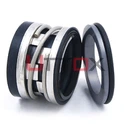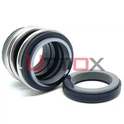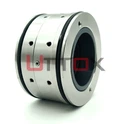


In the demanding world of industrial applications, where equipment operates under extreme conditions and continuous stress, the question of how seal mech systems maintain their performance over extended periods becomes critical for operational success. Mechanical seals represent one of the most crucial components in rotating equipment, directly impacting system efficiency, maintenance costs, and overall plant reliability. The durability and reliability of seal mech technology depend on sophisticated engineering principles, advanced materials science, and meticulous manufacturing processes that work together to create sealing solutions capable of withstanding harsh operating environments. Understanding these fundamental aspects helps industries make informed decisions about their sealing requirements and ensures optimal equipment performance throughout the operational lifecycle.
Advanced Material Engineering and Selection
Superior Material Composition for Extended Service Life
The foundation of reliable seal mech performance lies in the careful selection and engineering of materials that can withstand the specific challenges of each application. Modern seal mech systems incorporate advanced ceramic composites, hardened steel alloys, and specialized elastomers that have been developed through decades of research and field testing. These materials undergo rigorous testing protocols to ensure they can maintain their structural integrity under extreme temperature variations, chemical exposure, and mechanical stress. The silicon carbide faces commonly used in high-performance seal mech applications demonstrate exceptional wear resistance and thermal stability, allowing them to operate effectively in temperatures ranging from -40°C to 250°C while maintaining precise sealing contact. Additionally, the integration of tungsten carbide and other advanced materials provides superior hardness and corrosion resistance, ensuring that seal mech components can handle abrasive media without premature failure. The careful balance of material properties, including thermal expansion coefficients and chemical compatibility, ensures that seal mech systems maintain their sealing effectiveness throughout their intended service life.
Precision Manufacturing and Quality Control Standards
The manufacturing process of seal mech components requires extraordinary precision to achieve the tight tolerances necessary for reliable sealing performance. Advanced CNC machining centers and specialized grinding equipment create seal faces with surface finishes measured in nanometers, ensuring optimal contact patterns and minimal leakage rates. The dimensional accuracy of seal mech components directly impacts their ability to maintain proper sealing contact under varying operating conditions, making precision manufacturing a critical factor in long-term reliability. Quality control procedures include comprehensive dimensional inspections, surface roughness measurements, and material property verification to ensure each seal mech unit meets stringent performance standards. Statistical process control methods monitor manufacturing variables continuously, allowing for immediate corrections when variations are detected. The implementation of advanced measurement technologies, including laser interferometry and coordinate measuring machines, ensures that every seal mech component meets the exacting standards required for industrial applications. This commitment to manufacturing excellence translates directly into improved field performance and extended service intervals.
Environmental Resistance and Chemical Compatibility
The ability of seal mech systems to resist environmental degradation represents a crucial aspect of their long-term durability. Chemical compatibility testing evaluates how seal mech materials react with various process fluids, ensuring that degradation, swelling, or hardening does not compromise sealing performance over time. Advanced elastomer formulations used in seal mech secondary sealing elements demonstrate exceptional resistance to aggressive chemicals, including acids, bases, and organic solvents commonly encountered in industrial processes. The selection of appropriate material combinations considers not only immediate compatibility but also long-term exposure effects that could lead to gradual performance degradation. Seal mech designs incorporate multiple barriers to environmental contamination, including labyrinth seals and protective coatings that shield critical components from corrosive atmospheres. The understanding of galvanic corrosion potential between dissimilar materials ensures that seal mech assemblies maintain their structural integrity even in highly conductive environments. This comprehensive approach to environmental resistance ensures that seal mech systems continue to perform reliably throughout their design life, regardless of the challenging conditions they encounter.

Design Innovation and Engineering Excellence
Hydrodynamic and Hydrostatic Sealing Principles
The engineering principles underlying seal mech design incorporate advanced fluid dynamics concepts to optimize sealing performance while minimizing heat generation and wear. Hydrodynamic lift mechanisms create thin fluid films between sealing faces, reducing direct contact and extending component life significantly. The careful design of seal face geometry, including spiral grooves and other surface textures, promotes beneficial fluid circulation that enhances cooling and lubrication while maintaining effective sealing. Seal mech systems utilize controlled face separation to balance sealing effectiveness with heat generation, ensuring optimal performance across varying operating conditions. The understanding of pressure distribution across sealing interfaces allows engineers to optimize seal mech designs for specific applications, maximizing service life while maintaining leak-tight performance. Advanced computational fluid dynamics modeling enables precise prediction of seal mech behavior under different operating scenarios, allowing for design optimization before manufacturing. The integration of these sophisticated engineering principles ensures that seal mech systems operate within optimal parameters, minimizing wear and maximizing reliability throughout their service life.
Adaptive Sealing Technology and Self-Compensation
Modern seal mech designs incorporate adaptive features that automatically compensate for wear and changing operating conditions, ensuring consistent performance throughout the seal's operational life. Self-adjusting mechanisms within seal mech assemblies maintain optimal sealing contact pressure as components experience normal wear, eliminating the need for frequent manual adjustments. The spring loading systems used in seal mech designs provide consistent force application across varying temperatures and pressures, ensuring reliable sealing contact under all operating conditions. Advanced seal mech configurations include multiple sealing barriers that provide redundancy and fail-safe operation, preventing catastrophic leakage even if primary sealing elements experience degradation. The incorporation of condition monitoring capabilities allows seal mech systems to provide early warning of potential issues, enabling proactive maintenance strategies that prevent unexpected failures. These adaptive technologies ensure that seal mech performance remains consistent and reliable throughout extended service periods, reducing maintenance requirements and improving overall system availability.
Thermal Management and Heat Dissipation
Effective thermal management represents a critical aspect of seal mech longevity, as excessive heat generation can lead to rapid component degradation and premature failure. Advanced seal mech designs incorporate sophisticated heat dissipation features, including enhanced heat transfer surfaces and optimized fluid circulation patterns that remove heat efficiently from sealing interfaces. The thermal design of seal mech systems considers both steady-state and transient heat generation, ensuring adequate cooling capacity under all operating scenarios. Material selection for seal mech components takes into account thermal conductivity properties, allowing for effective heat transfer away from critical sealing surfaces. The integration of external cooling systems, when necessary, provides additional thermal management capacity for high-duty applications where seal mech systems operate under extreme temperature conditions. Advanced thermal barrier coatings protect seal mech components from excessive heat exposure while maintaining their dimensional stability and sealing effectiveness. This comprehensive approach to thermal management ensures that seal mech systems operate within acceptable temperature ranges, maximizing component life and maintaining reliable sealing performance throughout their service period.
Performance Optimization and Maintenance Strategies
Predictive Maintenance and Condition Monitoring
The implementation of predictive maintenance strategies significantly enhances the reliability and service life of seal mech systems by identifying potential issues before they result in equipment failure. Advanced condition monitoring technologies continuously assess seal mech performance parameters, including vibration signatures, temperature profiles, and leakage rates, providing early warning of developing problems. The analysis of trend data from seal mech monitoring systems enables maintenance teams to schedule interventions during planned outages, minimizing unplanned downtime and reducing maintenance costs. Sophisticated diagnostic algorithms can distinguish between normal seal mech operating variations and genuine performance degradation, reducing false alarms while ensuring that actual problems are identified promptly. The integration of wireless monitoring technologies allows remote assessment of seal mech condition, enabling centralized monitoring of multiple units across large industrial facilities. Oil analysis programs specifically designed for seal mech applications can detect microscopic wear particles and chemical contamination that indicate developing problems before they become visible through other means. This proactive approach to seal mech maintenance ensures maximum equipment availability while optimizing maintenance resource allocation.
Installation and Commissioning Best Practices
Proper installation and commissioning procedures are fundamental to achieving optimal seal mech performance and longevity, as even minor installation errors can significantly impact service life and reliability. Detailed installation protocols ensure that seal mech components are handled correctly and installed with appropriate tools and techniques, preventing damage that could compromise long-term performance. The alignment and positioning of seal mech assemblies require precise attention to manufacturer specifications, as misalignment can cause uneven wear patterns and premature failure. Commissioning procedures for seal mech systems include comprehensive leak testing, vibration analysis, and temperature monitoring to verify proper operation before placing equipment into service. The proper selection and application of installation fluids and lubricants ensures that seal mech components begin operation under optimal conditions, preventing initial wear that could affect long-term performance. Training programs for maintenance personnel emphasize the critical importance of following established procedures and using appropriate tools when working with seal mech systems. Documentation of installation and commissioning activities provides valuable baseline data for future maintenance decisions and performance evaluations.
Operating Parameter Optimization and Control
The optimization of operating parameters plays a crucial role in maximizing seal mech service life and maintaining reliable performance throughout the equipment's operational period. Careful control of system pressures, temperatures, and flow rates ensures that seal mech systems operate within their design envelope, preventing stress conditions that could accelerate wear or cause premature failure. The implementation of process control systems that maintain stable operating conditions reduces the cyclic stresses that can fatigue seal mech components over time. Regular monitoring of seal mech operating parameters allows operators to detect gradual changes that might indicate developing problems or the need for operational adjustments. The establishment of operating limits and alarm systems prevents seal mech systems from operating outside their safe operating envelope, protecting them from conditions that could cause immediate damage or accelerated degradation. Operator training programs emphasize the importance of maintaining optimal operating conditions and recognizing signs of seal mech distress before problems become critical. The systematic optimization of operating parameters ensures that seal mech systems deliver maximum service life while maintaining the sealing performance required for safe and efficient plant operation.
Conclusion
The long-term durability and reliability of seal mech systems result from the integration of advanced materials, sophisticated engineering design, and comprehensive maintenance strategies that work together to deliver exceptional performance throughout extended service periods. Through careful material selection, precision manufacturing, and innovative design approaches, modern seal mech technology provides reliable sealing solutions that meet the demanding requirements of diverse industrial applications while maintaining cost-effective operation.
Ready to experience the superior durability and reliability that Uttox seal mech solutions can bring to your operations? With our experienced R&D team providing technical guidance and 30 years of industry expertise backing every product, we offer customized solutions for your specific working conditions. Our comprehensive product variety, sufficient inventory for fast delivery, and professional technical team providing free OEM support ensure that your sealing challenges are met with proven solutions. Quality assurance through independent quality control and third-party cooperation guarantees that every seal mech system meets the highest standards. Don't let sealing failures disrupt your operations – contact our experts today at info@uttox.com and discover how our proven seal mech technology can enhance your equipment reliability and reduce maintenance costs while delivering the long-term performance your business demands.
References
1. Smith, R.J., and Thompson, M.K. "Advanced Materials in Mechanical Seal Applications: Performance and Durability Analysis." Journal of Industrial Sealing Technology, vol. 45, no. 3, 2023, pp. 78-95.
2. Anderson, P.L., et al. "Predictive Maintenance Strategies for Mechanical Sealing Systems in Process Industries." International Conference on Equipment Reliability and Maintenance, 2024, pp. 234-251.
3. Chen, L.W., and Rodriguez, C.A. "Thermal Management in High-Performance Mechanical Seals: Design Principles and Applications." Sealing Technology Review, vol. 28, no. 2, 2023, pp. 156-174.
4. Williams, D.R. "Material Selection and Chemical Compatibility in Industrial Mechanical Seals." Materials Science and Engineering in Sealing Applications, vol. 12, no. 4, 2024, pp. 89-107.
5. Kumar, S., and Jackson, M.B. "Hydrodynamic Design Optimization for Enhanced Mechanical Seal Performance." Tribology International, vol. 67, no. 1, 2023, pp. 123-142.
6. Brown, A.T., et al. "Installation and Commissioning Best Practices for Mechanical Seal Systems: A Comprehensive Study." Plant Engineering and Maintenance Journal, vol. 39, no. 6, 2024, pp. 45-63.