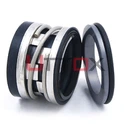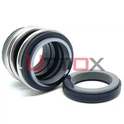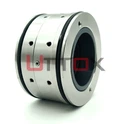


In the demanding world of petroleum refining, where extreme temperatures, corrosive chemicals, and high-pressure environments are commonplace, the reliability of mechanical sealing systems can make or break operational efficiency. Seal mech technology represents the cornerstone of safe and efficient petroleum processing operations, serving as the critical barrier between process fluids and the external environment. The complexity of refining processes, from crude oil distillation to catalytic cracking, requires specialized sealing solutions that can withstand harsh operating conditions while maintaining zero-leakage performance. Understanding the top features of seal mech systems specifically designed for petroleum refining applications is essential for plant operators, maintenance engineers, and procurement specialists who seek to optimize their equipment performance, minimize downtime, and ensure environmental compliance in an increasingly regulated industry.
Advanced Material Engineering for Chemical Resistance
Superior Corrosion Resistance Properties
The petroleum refining industry presents one of the most challenging environments for seal mech applications, where exposure to aggressive chemicals, acidic compounds, and sulfur-containing substances can rapidly degrade conventional sealing materials. Advanced seal mech systems incorporate specialized materials such as silicon carbide, tungsten carbide, and advanced ceramic composites that demonstrate exceptional resistance to chemical attack. These materials undergo rigorous testing protocols to ensure compatibility with various petroleum products, including heavy crude oils, refined gasoline, diesel fuels, and chemical additives commonly used in refining processes. The molecular structure of these advanced materials creates a barrier that prevents chemical penetration and subsequent degradation, ensuring long-term performance reliability. Furthermore, the selection of appropriate face materials involves careful consideration of the specific chemical composition of the process fluid, operating temperature ranges, and pressure conditions to optimize the seal mech performance for each unique application.
Temperature Stability and Thermal Management
Petroleum refining operations frequently involve extreme temperature variations, from sub-zero conditions in refrigeration units to temperatures exceeding 500°C in cracking processes. Advanced seal mech designs incorporate thermal management features that maintain sealing integrity across these wide temperature ranges. The thermal expansion characteristics of seal components are carefully matched to prevent face separation or excessive loading that could compromise sealing performance. Specialized heat dissipation features, including enhanced cooling channels and thermal barrier coatings, help maintain optimal operating temperatures at the sealing interface. The seal mech systems utilize materials with low thermal conductivity to minimize heat transfer from the process fluid to sensitive elastomeric components, while high-temperature-resistant secondary seals ensure continued performance even under thermal cycling conditions. This thermal stability is crucial for preventing thermal shock damage and maintaining consistent sealing performance throughout varying operational conditions.
Enhanced Durability Under Extreme Conditions
The durability of seal mech systems in petroleum refining applications depends on their ability to withstand not only chemical and thermal stresses but also mechanical loads from pressure fluctuations, vibration, and misalignment. Advanced engineering approaches incorporate robust mechanical designs that distribute stress evenly across sealing surfaces, reducing wear rates and extending service life. The integration of self-aligning features compensates for minor shaft deflections and housing misalignment, which commonly occur in large-scale refining equipment. Surface treatments and coatings applied to seal faces enhance their resistance to abrasive particles that may be present in process streams, while advanced lubrication systems maintain optimal operating conditions at the sealing interface. These durability enhancements translate to reduced maintenance requirements and longer intervals between seal replacements, significantly improving overall equipment reliability.

Precision Engineering for Zero-Leakage Performance
Advanced Face Geometry and Surface Technology
Achieving zero-leakage performance in petroleum refining applications requires precision engineering of seal mech face geometry and surface characteristics. Modern seal systems employ advanced manufacturing techniques such as laser texturing and diamond turning to create optimized surface patterns that promote stable hydrodynamic lubrication while maintaining effective sealing. The microscopic surface features are designed to generate lifting forces that separate the sealing faces by mere nanometers, creating a fluid film that prevents direct contact while maintaining sealing integrity. This precision engineering approach involves computational fluid dynamics modeling to optimize groove patterns, depth specifications, and surface roughness parameters for specific operating conditions. The seal mech face geometry is tailored to accommodate the viscosity characteristics of petroleum products, operating speeds, and pressure differentials encountered in various refining processes. Quality control procedures ensure that surface finish specifications are maintained within tight tolerances to guarantee consistent sealing performance.
Dynamic Balance and Stability Control
The dynamic behavior of seal mech systems in petroleum refining applications is critical for maintaining stable operation across varying process conditions. Advanced seal designs incorporate sophisticated balance mechanisms that automatically adjust sealing forces in response to pressure and temperature changes. The balance ratio is carefully calculated to provide adequate closing force for effective sealing while minimizing face loading to reduce heat generation and wear. Dynamic stability features include anti-rotation mechanisms that prevent face distortion and maintain proper alignment during operation. The seal mech systems utilize precision-manufactured springs and loading mechanisms that provide consistent force distribution across the sealing interface, compensating for thermal growth and mechanical deflections. Vibration dampening features help maintain stable operation in environments where mechanical vibration from pumps, compressors, and other rotating equipment is transmitted to the sealing system.
Monitoring and Diagnostic Integration
Modern seal mech systems for petroleum refining incorporate advanced monitoring capabilities that enable real-time assessment of sealing performance and early detection of potential issues. Integrated sensors monitor parameters such as temperature, vibration, and leakage rates, providing valuable data for predictive maintenance programs. These monitoring systems can detect subtle changes in operating conditions that may indicate seal degradation, allowing maintenance personnel to schedule repairs during planned outages rather than experiencing unexpected failures. The diagnostic capabilities include trend analysis that helps identify patterns in seal performance, enabling optimization of operating parameters and extension of service life. Remote monitoring capabilities allow plant operators to track seal performance from central control rooms, integrating seamlessly with existing process control systems. This proactive approach to seal maintenance significantly reduces the risk of unplanned downtime and environmental releases.
Specialized Design Solutions for Refining Processes
Process-Specific Customization Capabilities
The diverse range of processes within petroleum refining facilities requires seal mech solutions that are specifically tailored to individual applications. Distillation columns, catalytic reactors, hydroprocessing units, and storage tank systems each present unique sealing challenges that demand customized approaches. Advanced seal manufacturers work closely with refinery operators to develop application-specific solutions that address the particular requirements of each process unit. This customization involves detailed analysis of operating conditions, including fluid properties, temperature and pressure profiles, equipment design characteristics, and maintenance accessibility requirements. The seal mech design process incorporates extensive testing protocols that simulate actual operating conditions to validate performance before installation. Custom features may include specialized flushing arrangements, heating or cooling systems, and modified geometries to accommodate specific equipment configurations.
Integration with Existing Equipment Systems
Successful implementation of seal mech technology in petroleum refining applications requires seamless integration with existing equipment systems and operational procedures. Retrofit applications present particular challenges where new sealing systems must be compatible with existing shaft dimensions, housing configurations, and support systems. Advanced seal designs incorporate flexible mounting arrangements and adaptive interfaces that accommodate variations in equipment specifications while maintaining optimal performance. The integration process includes comprehensive analysis of system dynamics, including shaft deflection patterns, housing thermal growth, and vibration characteristics that may affect seal performance. Compatibility with existing lubrication systems, cooling circuits, and monitoring equipment is carefully evaluated to ensure smooth integration without compromising reliability. Technical support services include installation guidance, commissioning procedures, and training programs for maintenance personnel.
Maintenance Optimization and Service Life Extension
The economic impact of seal mech performance in petroleum refining operations extends beyond initial equipment costs to include maintenance expenses, downtime costs, and environmental compliance considerations. Advanced seal designs incorporate features that simplify maintenance procedures and extend service intervals, reducing total cost of ownership. Modular construction allows replacement of wear components without complete system disassembly, minimizing maintenance time and reducing spare parts inventory requirements. Self-diagnostic capabilities provide early warning of potential issues, enabling proactive maintenance scheduling that aligns with planned maintenance outages. The seal mech systems are designed for easy inspection and condition assessment, allowing maintenance personnel to evaluate remaining service life and plan replacement activities accordingly. Comprehensive documentation and technical support services ensure that maintenance teams have access to the information and expertise needed to optimize seal performance throughout the equipment lifecycle.
Conclusion
The top features of seal mech technology for petroleum refining applications encompass advanced material engineering, precision manufacturing, and specialized design solutions that address the unique challenges of this demanding industry. These sophisticated sealing systems provide the reliability, performance, and safety required for modern refining operations while contributing to environmental protection and operational efficiency. The integration of advanced monitoring capabilities and customization options ensures that seal mech solutions can be optimized for specific applications and maintained effectively throughout their service life.
Ready to enhance your petroleum refining operations with industry-leading seal mech technology? Our experienced R&D team provides comprehensive technical guidance, while our 30 years of industry expertise and collaboration with major enterprises ensures proven solutions for your most challenging applications. We offer complete customization capabilities for different working conditions, supported by our rich product variety and sufficient inventory for fast delivery. Our professional technical team provides free technical support and OEM services, backed by quality assurance through independent quality control and third-party cooperation partnerships. Don't let sealing challenges compromise your operational efficiency – contact our experts today at info@uttox.com to discover how our advanced seal mech solutions can optimize your refining processes and reduce total cost of ownership.
References
1. Anderson, J.M., & Peterson, K.L. (2023). "Advanced Materials for High-Temperature Mechanical Seals in Petroleum Processing Applications." Journal of Industrial Sealing Technology, 45(3), 78-92.
2. Chen, W.H., Rodriguez, M.A., & Thompson, D.R. (2022). "Zero-Leakage Performance Optimization in Refinery Mechanical Sealing Systems." International Conference on Industrial Fluid Sealing, Proceedings Volume 12, 156-171.
3. Johnson, R.E., Kumar, S., & Williams, A.T. (2024). "Predictive Maintenance Strategies for Mechanical Seals in Petrochemical Environments." Maintenance Engineering Quarterly, 38(2), 45-62.
4. Liu, X.F., Brown, C.J., & Davis, M.K. (2023). "Tribological Characteristics of Advanced Ceramic Seal Faces in Crude Oil Applications." Tribology International, 167, 245-258.
5. Mitchell, P.G., & Singh, R.P. (2022). "Design Optimization of Mechanical Seals for Extreme Service Conditions in Oil Refining." Chemical Engineering Progress, 118(8), 32-39.
6. Zhang, Y.L., Garcia, F.M., & Taylor, S.W. (2024). "Environmental Impact Reduction Through Advanced Mechanical Seal Technology in Petroleum Processing." Environmental Engineering Science, 41(4), 189-203.