

Have you ever wondered why industrial pumps don't leak despite handling high-pressure fluids constantly? The answer lies in a crucial component that often goes unnoticed: the pump mechanical seal. When pumps fail catastrophically, costly downtime, environmental contamination, and safety hazards follow immediately. Understanding how mechanical seals work in pumps is essential for preventing these disasters and ensuring reliable operation across industries from petroleum refining to water treatment. This comprehensive guide will demystify the intricate workings of pump mechanical seals, helping you make informed decisions that protect both your equipment and your bottom line.

What Are Pump Mechanical Seals and Their Primary Components?
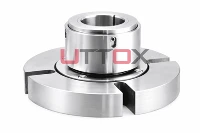
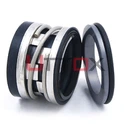
Pump mechanical seals are precision-engineered devices designed to prevent fluid leakage between rotating and stationary components in pump systems. These critical components create a dynamic barrier that maintains process integrity while allowing the pump shaft to rotate freely. A pump mechanical seal consists of four fundamental components that work in perfect harmony to achieve reliable sealing performance.
The Four Essential Components of Pump Mechanical Seals
The rotating seal face, typically made from materials like silicon carbide or tungsten carbide, attaches directly to the pump shaft and rotates with it. This component must maintain perfect flatness and surface finish to ensure effective sealing. The stationary seal face, constructed from complementary materials such as carbon or ceramic, remains fixed to the pump housing and creates the sealing interface with the rotating face. Both faces are machined to extraordinary precision, typically within two to three light bands of flatness. The spring mechanism provides the necessary closing force to maintain contact between the seal faces under various operating conditions. These springs can be single or multiple coils, wave springs, or bellows configurations, depending on the application requirements. Finally, secondary seals including O-rings, gaskets, and bellows prevent leakage around the seal components while accommodating thermal expansion and minor misalignments.
Material Selection Criteria for Pump Mechanical Seals
Material selection for pump mechanical seals depends heavily on the process fluid characteristics, operating temperature, pressure conditions, and chemical compatibility requirements. Hard face materials like silicon carbide and tungsten carbide offer excellent wear resistance and chemical inertness, making them ideal for abrasive or corrosive applications. Carbon-based materials provide excellent thermal conductivity and self-lubricating properties, particularly beneficial in high-temperature applications. The secondary seal materials must demonstrate chemical compatibility with the process fluid while maintaining elasticity across the operating temperature range. Fluoroelastomers, EPDM, and PTFE are common choices, each offering specific advantages for different chemical environments. Proper material selection ensures optimal pump mechanical seal performance and longevity in demanding industrial applications.
The Operating Principles Behind Pump Mechanical Seal Functionality
Understanding how pump mechanical seals create an effective barrier requires examining the complex interplay of forces, fluid dynamics, and material properties. The fundamental principle relies on maintaining an extremely thin fluid film between two precisely machined faces while managing the various forces acting upon the seal system.
Force Balance and Seal Face Dynamics
The pump mechanical seal operates under a delicate balance of opening and closing forces. Closing forces include spring pressure and hydraulic force from the sealed fluid, which push the seal faces together to prevent leakage. Opening forces consist of vapor pressure from the sealed fluid and centrifugal force, which tend to separate the faces. The optimal balance maintains sufficient contact pressure to prevent gross leakage while allowing a microscopic fluid film to provide lubrication. This thin fluid film, typically measured in micrometers, serves multiple critical functions. It provides lubrication to minimize wear between the seal faces, carries away frictional heat generated by the sliding contact, and creates the actual sealing barrier. The film thickness is dynamically controlled by the balance of forces, surface topography, and fluid properties. When properly designed and operated, the pump mechanical seal maintains this delicate equilibrium automatically across varying operating conditions.
Heat Generation and Thermal Management
Friction between the seal faces generates heat that must be effectively managed to prevent seal failure. Excessive heat can cause thermal distortion of the seal faces, vaporization of the sealed fluid, and degradation of elastomeric components. The sealed fluid itself often serves as the primary cooling medium, carrying heat away from the seal faces through convection and conduction. Advanced pump mechanical seal designs incorporate features to enhance heat dissipation and thermal stability. These may include enlarged cooling chambers, external cooling systems, or specialized face geometries that promote better heat transfer. Understanding thermal management is crucial for selecting appropriate seal designs and ensuring reliable operation in high-temperature applications or when handling volatile fluids.
Types of Pump Mechanical Seals and Their Applications
Different pump applications require specific seal configurations to address varying operating conditions, reliability requirements, and maintenance preferences. The primary classifications of pump mechanical seals include cartridge seals, component seals, and specialized designs for unique applications.
Cartridge Seals for Enhanced Reliability
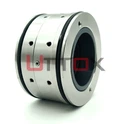
Cartridge pump mechanical seals represent the most advanced and user-friendly seal technology available today. These pre-assembled units arrive completely configured and balanced, eliminating installation errors that commonly plague component seals. The cartridge design incorporates all seal components into a single assembly that slides onto the pump shaft and bolts to the seal chamber, significantly reducing installation time and complexity. The reliability advantages of cartridge pump mechanical seals extend beyond installation simplicity. These seals often feature enhanced cooling systems, improved face lubrication, and better contamination resistance compared to traditional component seals. The self-contained design also facilitates easier maintenance and replacement, minimizing downtime during service operations. Industries such as chemical processing, petroleum refining, and water treatment increasingly prefer cartridge seals for critical applications.
Component Seals for Cost-Sensitive Applications
Component pump mechanical seals consist of individual parts that are assembled during installation, offering flexibility and cost advantages for certain applications. These seals allow customization of materials and configurations to meet specific process requirements while maintaining lower initial costs. However, proper installation requires greater technical expertise and attention to detail to ensure optimal performance. The modular nature of component seals makes them particularly suitable for applications with unique space constraints or non-standard shaft configurations. Maintenance personnel can replace individual components as needed, potentially extending overall seal life in some applications. Despite their complexity, component pump mechanical seals remain popular in industries where cost considerations and maintenance flexibility are primary concerns.
Installation Best Practices and Performance Optimization
Proper installation techniques are critical for achieving optimal pump mechanical seal performance and reliability. Even the highest quality seals will fail prematurely if installation procedures are inadequate or if system conditions are not properly addressed.
Pre-Installation System Preparation
Before installing any pump mechanical seal, the entire pump system must be thoroughly inspected and prepared. This includes verifying shaft runout, checking seal chamber dimensions, and ensuring proper surface finishes on all mating components. Excessive shaft runout or seal chamber irregularities can cause premature seal failure regardless of seal quality or design. The pump stuffing box or seal chamber must be completely clean and free from debris, old gasket material, or corrosion products. Any scratches, gouges, or surface irregularities should be addressed before seal installation. Additionally, the pump shaft should be inspected for wear, corrosion, or damage that could affect seal performance. Proper system preparation significantly impacts pump mechanical seal longevity and reliability.
Alignment and Commissioning Procedures
Accurate alignment during installation is crucial for pump mechanical seal success. The seal must be square to the shaft and properly positioned according to manufacturer specifications. Misalignment creates uneven loading on the seal faces, leading to rapid wear and premature failure. Using appropriate installation tools and following detailed procedures ensures proper seal positioning. Commissioning procedures for pump mechanical seals require careful attention to startup sequences and initial operating parameters. The system should be gradually brought to operating conditions while monitoring for proper seal function and any signs of distress. Initial leak rates, temperature rise, and vibration levels should be documented to establish baseline performance criteria for future monitoring and maintenance planning.
Troubleshooting Common Pump Mechanical Seal Problems
Understanding common failure modes and their root causes enables proactive maintenance and improved seal selection for specific applications. Most pump mechanical seal failures can be traced to installation errors, system design issues, or operating condition changes that exceed the seal's design parameters.
Identifying and Addressing Seal Failure Symptoms
Excessive leakage is the most obvious symptom of pump mechanical seal failure, but early detection of developing problems can prevent catastrophic failure and costly emergency repairs. Gradually increasing leak rates, elevated seal chamber temperatures, and unusual noise or vibration patterns often indicate developing seal problems before complete failure occurs. Face wear patterns provide valuable diagnostic information about operating conditions and potential system problems. Uniform wear across the seal face indicates proper operation, while uneven wear patterns suggest misalignment, shaft deflection, or contamination issues. Heat checking or thermal cracking of the seal faces typically indicates insufficient cooling or excessive operating temperatures. Understanding these failure symptoms helps maintenance personnel address root causes rather than simply replacing failed components.
Preventive Maintenance Strategies
Effective preventive maintenance programs for pump mechanical seals focus on monitoring key performance indicators and addressing system conditions that contribute to seal degradation. Regular monitoring of leak rates, seal chamber temperatures, and vibration levels helps identify developing problems before they result in seal failure. System factors such as proper cooling water flow, adequate seal flush arrangements, and contamination control significantly impact pump mechanical seal performance. Implementing comprehensive monitoring programs and addressing these system factors proactively extends seal life and improves overall pump reliability. Regular training for maintenance personnel ensures consistent application of best practices and early recognition of potential problems.
Conclusion
Pump mechanical seals are sophisticated devices that play a critical role in industrial pump reliability and environmental protection. Understanding their operating principles, proper selection criteria, and installation requirements enables optimal performance and extended service life across diverse applications.
Cooperate with Zhejiang Uttox Fluid Technology Co.,Ltd.
Partner with Zhejiang Uttox Fluid Technology Co.,Ltd., a leading China pump mechanical seal manufacturer with over 30 years of expertise. As a trusted China pump mechanical seal supplier, we offer high-quality pump mechanical seal solutions at competitive pump mechanical seal prices. Our China pump mechanical seal factory provides comprehensive technical support, OEM services, and fast delivery from sufficient inventory. Whether you need pump mechanical seal for sale or custom solutions, our experienced team delivers pump mechanical seal wholesale options for petroleum, water treatment, pharmaceutical, and power plant applications. Contact our China pump mechanical seal factory today at info@uttox.com for professional guidance and competitive quotes.
FAQ
Q: How long do pump mechanical seals typically last?
A: Pump mechanical seal lifespan varies from months to several years, depending on application conditions, proper installation, and maintenance practices.
Q: What causes pump mechanical seals to fail prematurely?
A: Common causes include improper installation, misalignment, inadequate cooling, contamination, and operating beyond design parameters.
Q: Can pump mechanical seals be repaired or must they be replaced?
A: Most pump mechanical seals require complete replacement when they fail, though some cartridge seals may allow face replacement.
Q: How do I select the right pump mechanical seal for my application?
A: Consider fluid properties, temperature, pressure, shaft speed, and chemical compatibility when selecting appropriate seal materials and design.
References
1. "Mechanical Seals: Design and Application" by John H. Crane Company Technical Staff, Industrial Press Inc.
2. "Centrifugal Pump Design and Performance" by A.J. Stepanoff, John Wiley & Sons Engineering Publications.
3. "Pump Handbook" by Igor J. Karassik and Joseph P. Messina, McGraw-Hill Professional Engineering.
4. "Mechanical Seal Technology for Pumps" by Heinz P. Bloch, Fairmont Press Technical Publications.