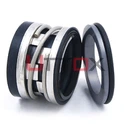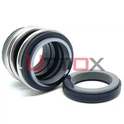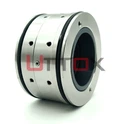


Selecting the right supplier for your 491 mechanical seal requirements directly impacts equipment reliability, production continuity, and maintenance costs across industrial operations. The 491 mechanical seal design, originally engineered for demanding applications in chemical processing, pulp and paper mills, and wastewater treatment facilities, prevents fluid leakage in rotating equipment such as centrifugal pumps, mixers, and agitators. When equipment downtime costs thousands per hour and seal failures can trigger safety incidents, choosing a supplier who understands your operational challenges becomes a strategic decision rather than a simple purchasing transaction. This comprehensive guide walks procurement managers, maintenance engineers, and OEM product developers through the critical factors that differentiate reliable suppliers from those who cannot deliver when your operations depend on it.

Understanding the 491 Mechanical Seal and Its Industrial Importance
491 mechanical seals are a type of single-component, balanced seals that are specifically made for abrasive slurry environments and uses where regular multi-spring seals fail too soon. Standard mechanical seals have springs that get clogged up when fluids contain solids. The 491 design has a finger-spring configuration that doesn't get clogged up because it is placed away from the process media. This choice in architecture stops the buildup of particles that often cause seal faces to get stuck and catastrophic leaks to happen.
Technical Architecture and Material Science
High-performance versions have single-piece seal faces made of Silicon Carbide or Tungsten Carbide, which were chosen because they are very hard and don't react with chemicals. The balanced design lowers the hydraulic closing forces on the seal faces. This means that less frictional heat is generated during operation, which makes the parts last longer in high-pressure situations up to 31 bar. Dynamic O-rings made from Fluorocarbon (FKM), EPDM, or perfluoroelastomer compounds are chemically compatible with a wide range of process fluids and stay flexible at temperatures ranging from -40°C to 150°C. When you put together advanced materials and careful engineering, you get a closing solution that solves certain problems that come up in fields where rough particles, changing temperatures, and chemical attacks all come together.
Where 491 Seals Deliver Maximum Value
These seals are used in chemical processing plants for acid and caustic transfer pumps where changes in vapour pressure make it hard to keep the seal face stable. They are used in medium-consistency stock pumps in the wood and paper industry to handle fiber-filled slurries that would destroy regular seals in just a few weeks. When mining operations and municipal wastewater treatment plants switch to 491-style sealing technology, the Mean Time Between Failures is significantly extended. This is because grit content regularly exceeds 5% by weight in these places. When procurement teams know these application scenarios, they can tell when the 491 standard fits their practical reality and when simpler seal designs are enough.
Core Criteria for Selecting a 491 Mechanical Seal Supplier
Evaluation of a supplier goes far beyond just getting price quotes at first. How well the seals work and how well the provider can do their job decides whether your equipment is designed to be reliable or whether it becomes a constant maintenance problem that lowers working efficiency and profits.
Manufacturing Quality and Certification Standards
Mechanical seal manufacturers with a good reputation keep their ISO 9001 certification as proof of their quality management systems, but this isn't enough for important uses on its own. Check to see if providers follow size guidelines like EN 12756 (DIN 24960) L1K, which makes sure that the pumps can be used with current systems without any changes. Companies that offer OEM approvals from major pump makers show that their products meet strict performance standards and are checked by a third party. Having coordinate measuring tools, surface finish analysers, and pressure testing facilities in-house shows that the company is dedicated to making sure that goods are accurate in terms of size and performance before they are sent to customers.
Technical Support Infrastructure
The expert teams at your suppliers should be able to help you choose the right seals like Chesterton 491 Mechanical Seal by giving you engineering advice on how to match specific models to the fluid properties, working pressure, temperature range, shaft speed, and equipment configuration. Engineers with decades of experience in the field can find possible failure modes during the specification phase, which keeps expensive mistakes from being made. According to studies in the industry, about 60% of premature seal failures are caused by mistakes during installation. Having access to installation training, either in person or through detailed documentation and video resources, cuts down on these mistakes. Troubleshooting help when seal performance doesn't match expectations tells you which sellers stand behind their goods and which ones disappear after the sale.
Supply Chain Reliability and Lead Times
Instances of production stopping because of a lack of seals lead to a chain reaction of organisational issues, including missed output goals, late deliveries to customers, and higher freight costs for quick replacements. If suppliers keep strategic amounts of standard designs in stock, they can meet urgent replacement needs in days instead of weeks. Custom specifications, such as different seal face materials, specialised elastomers for specific chemical compatibility, or different size requirements for non-standard equipment, must be able to be met by manufacturers. This is especially important for original equipment manufacturers (OEMs) who are designing new equipment or for facilities that are still using old equipment that the original manufacturer no longer supports. Clear communication about lead times, order status, and early warnings of possible delays helps build the trust that is needed for long-term partnerships.
Comparing Leading Suppliers of 491 Mechanical Seals
There are both well-known global names and specialised companies that make mechanical seals that offer appealing alternatives that balance performance with cost. Knowing how competitors are positioned helps buyers make smart choices that fit their budgets and meet their performance needs.
Premium OEM Brand Considerations
Brands like Chesterton got their 491 seal image by doing a lot of field testing in a lot of different industries and building up huge service networks and application files over many years. Their products usually have higher prices, which is ok because the brand is well-known, there is a lot of information about them, and repair parts are easy to get through established channels of distribution. These suppliers are great at helping with big projects where standardisation across many facilities saves money on purchases and makes training for maintenance workers easier. Their position around the world means that customers can always get products and expert support, no matter where they are in the world. This is helpful for multinational businesses or installations that are far away.
Specialized Manufacturers Offering Competitive Alternatives
Companies like Uttox have made high-performance mechanical seal options that are designed to be drop-in replacements for well-known designs like the Chesterton 491 seal setup. Most of the time, these providers can offer big savings on prices-often 30–40% less than expensive brands-without sacrificing important performance traits. Specialised manufacturers gain deep expertise and can better meet the needs of specific applications when they only work on mechanical sealing technology and don't try to sell a wide range of industrial products.
The UTTOX 491-series is a good example of this approach because it has advanced features like a non-fretting design that keeps shaft sleeves from getting damaged by having dynamic O-rings move on protective surfaces instead of directly on equipment shafts. The monolithic seal face technology keeps the temperature stable even when the pressure changes and there is no air flow, which is typical in chemical processing settings. Keeping springs away from process fluids stops them from getting clogged in slurry applications. This directly addresses the main failure mode seen in mine and garbage operations. Built to meet or exceed EN 12756 standards for dimensions, these alternatives work with existing equipment perfectly and offer performance levels similar to high-end brands at a much lower total cost of ownership.
When comparing specialised manufacturers to well-known names, you should look at more than just the initial buy price. Flexibility in order quantities, quick responses to technical questions, and the ability to provide samples for validation testing are some of the things that often set smaller providers apart from larger companies that are limited by standard business processes. When you can talk directly to engineers who have the power to make decisions, you can solve problems faster than when you have to go through the many organisational layers that are common in global companies.
How to Align Your Industrial Needs with Supplier Offerings
To build a good relationship with a seller, you must first be clear about what you need for your business and then find makers whose skills exactly match those needs. Generic ways of buying things end up with answers that don't work well enough or work too well and cost too much.
Application Parameter Documentation
Start by writing down in a clear way the most important operating conditions, such as the type of fluid and its concentration, the pH level, the particle size and load, the operating temperature and pressure ranges, the shaft diameter and speed, and the equipment duty cycle. When providers have this knowledge, they can suggest the best seal face material combinations, elastomer choices, and spring configurations for your surroundings. Chemical compatibility charts help you find materials that aren't affected by your process fluids. However, experienced suppliers know that these charts are only suggestions and not absolute guarantees. The actual performance depends on temperature, concentration, and the presence of synergistic effects from mixing chemicals.
Balancing Standardization with Customization
Through design-for-manufacturability teamwork, OEMs that are making new equipment can get help from suppliers who are ready to create custom seal configurations that improve performance within certain design boundaries. This could increase reliability while lowering component costs. On the other hand, repair companies that work with a wide range of equipment can be more efficient by sticking to a few different types of seals that can be used in a number of situations. They are willing to give up some performance in exchange for less inventory and less training for technicians. Tell your suppliers about your strategic tastes early on in the conversation. Manufacturers who are familiar with your business model will organise their products to fit your needs.
Procurement Strategy Development
Single-source and multi-source methods each have their own benefits. Single-source relationships with preferred suppliers give you more power to negotiate prices based on volume, easier administrative tasks, and better technical collaboration as suppliers take the time to understand your specific needs. Multi-source approaches reduce supply chain risk and keep prices competitive, but relationship depth and technical support are usually still more transactional. Many companies use a mix of strategies, like getting all of their standard seal designs from one source while also keeping backup sources for custom configurations. This way, they can balance the benefits of having multiple sources with the risks of managing relationships.
Installation, Maintenance, and Troubleshooting Support from Your Supplier
How well a mechanical seal works depends just as much on how well it was designed as on how well it was installed and maintained. When suppliers offer full help throughout the seal's lifecycle, they create a lot of value that goes beyond the actual part.
Professional Installation Guidance
Most early failures are caused by bad fitting, such as wrong seal face loading, contamination during assembly, misalignment, or not properly preparing the shaft. Detailed installation directions that cover the specifics of the tools you're using will help you avoid common mistakes. Video tutorials that show important steps in action are visual references that go along with written documentation. Some suppliers offer on-site installation supervision for first-time installations or uses that are particularly difficult. This makes sure that the right steps are taken and that performance standards for the seal are set. This hands-on help is especially helpful when switching to a new seal technology or teaching maintenance staff who don't have much experience with sealing systems.
Preventive Maintenance Protocols
Regular maintenance makes seals like Chesterton 491 Mechanical Seal last longer and stops them from breaking down without warning, which can stop operations. Suppliers should tell customers how often to check their products, how to tell when they're nearing the end of their useful life, and how to replace them in a way that causes the least amount of downtime. When compared to reactive methods that are based on failures, scheduled maintenance programs that are organised with process shutdowns make better use of resources. Condition monitoring recommendations from suppliers, such as vibration analysis, temperature measurement, or acoustic emission detection, help find problems before they become catastrophic. This means that maintenance can be planned for convenient times instead of having to be done quickly during production runs.
Responsive Troubleshooting and Warranty Support
When a seal doesn't work as expected, quickly figuring out what's wrong keeps production as low as possible. Suppliers with knowledgeable technical support teams can look at failure modes through photo documentation, inspection of returned parts, or site visits to find the root causes, which could be application mismatches, changes in operating conditions, installation mistakes, or real product defects. People can trust that providers will stand behind their goods when they have clear guarantee policies that spell out coverage terms, claim processes, and reaction times. Instead of avoiding responsibility, being willing to do a failure analysis and share the results shows a commitment to continuous improvement.
Conclusion
When choosing a 491 mechanical seal source, you need to weigh the technical performance requirements against the business needs, as well as each possible partner's ability to help your long-term operational success. Because these seals are so specialized-they're made to work with rough slurries and tough process conditions-they need to come from sources who know a lot about applications, not just general industrial product sellers. Partnerships that work well are built on things like quality standards, the ability to make things, a reliable supply chain, and the ability to provide technical help. Whether you choose well-known premium names or specialised makers that make cheap alternatives, your choice should be based on a full analysis of the total cost of ownership, not just the original purchase price. Suppliers who take the time to understand your specific business problems and suggest the best ways to solve them create value that goes far beyond the physical seal component.
FAQ
1.What distinguishes the 491 mechanical seal from other single seal designs?
The 491 layout has a special finger-spring arrangement that keeps the springs away from the process fluids. This keeps the coil-spring designs from getting clogged, which can happen in slurry applications. Its balanced design lowers the pressure on the seal face, which means it makes less heat and lasts longer in high-pressure settings up to 450 psig.
2.How can buyers verify supplier credibility and product authenticity?
Ask for proof of ISO certifications, OEM approvals, and that the product meets the dimensions required by EN 12756 standards. Before you commit to large orders, ask for customer references in your business and ask for samples of the goods to test for quality. Manufacturers who are honest will gladly give you technical data sheets, certifications for materials, and performance test results.
3.What lead times should buyers expect for 491 mechanical seal procurement?
Standard setups from providers who keep stock usually ship between 3 and 7 business days. Custom specifications that need special materials or changes to the size may make lead times longer, up to three to six weeks, depending on how complicated the manufacturing is and how many orders are placed. Setting up blanket purchase orders with planned releases helps sellers predict demand and keep the right amount of inventory on hand.
Partner with Uttox for Reliable 491 Mechanical Seal Solutions
Uttox has been making mechanical seals for more than 30 years and can help businesses make their tools more reliable and run more efficiently. Since we are a specialist in 491 mechanical seals, we've created high-performance options to expensive brands that can be used as drop-in replacements and don't lower performance. Our technical team offers free application engineering help to help you choose the best seal configurations for your specific operating conditions, whether you're dealing with abrasive slurries in wastewater treatment, chemical processing, or pulp and paper production. We guarantee fast delivery when your operations need replacements right away because we keep a large stock of standard configurations and are able to make to your specific needs. If you are a procurement manager looking for a reliable 491 mechanical seal maker for long-term supply partnerships or immediate repair needs, you can email our engineering team at info@uttox.com to talk about your needs and get detailed technical suggestions that are specific to your equipment.
References
1. Summers, Robert D. Mechanical Seal Practice for Improved Performance. Institution of Mechanical Engineers, 2018.
2. Lebeck, Alan O. Principles and Design of Mechanical Face Seals. Wiley-Interscience Publication, 1991.
3. Flitney, Robert K. Seals and Sealing Handbook, Sixth Edition. Butterworth-Heinemann, 2014.
4. Mechanical Seals Standards Committee. ISO 3069: End-Suction Centrifugal Pumps - Dimensions of Cavities for Mechanical Seals. International Organization for Standardization, 2017.
5. Heinz, Richard P. Pump User's Handbook: Life Extension, Third Edition. Fairmont Press, 2013.
6. Adams, Wilfred V. and Davis, Roger. Centrifugal Pumps: Application, Selection, and Maintenance. McGraw-Hill Professional, 2004.