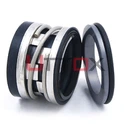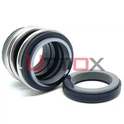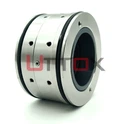


Selecting the right replacement for a 491 mechanical seal can directly impact your equipment uptime, maintenance costs, and operational safety. The challenge often lies in balancing OEM reliability with aftermarket cost-effectiveness while ensuring the replacement seal matches your specific operating conditions. Whether you're managing pumps in chemical processing plants or servicing industrial equipment across multiple facilities, understanding the nuances of seal selection-from material compatibility to supplier credibility-is essential to avoid costly failures and production interruptions.

Understanding the Chesterton 491 Mechanical Seal
The 491 mechanical seal has a good name in industrial settings because it is well-balanced and doesn't get clogged. This design addresses common failure points in rotating equipment. This one-piece seal has a special finger-spring system that keeps the springs away from the process fluids. This makes it very useful in places with slurry, abrasive, or sticky media where regular coil-spring seals often fail.
Core Design Features and Operating Principles
The 491 mechanical seal works by keeping a thin film of fluid between two perfectly lapped faces, one of which rotates with the shaft and the other of which stays still inside the housing. The balanced design lowers the hydraulic closing forces on the seal sides. This keeps heat from building up and increases the seal's useful life in high-pressure situations up to 450 psig. This seal is different because it has a fixed finger-spring design that stays separate from the pumped fluid. This keeps the seal from getting clogged, which can happen with traditional multi-spring designs in dirty media.
The seal is made with a moving O-ring that moves on a clean, non-corroding surface. This pretty much gets rid of the problems with getting stuck that lead to early failure in tough chemical environments. This design doesn't fret, which keeps the shaft sleeve from getting damaged. This is a typical problem with bad seals because the O-ring cuts grooves into expensive shaft parts over time. The choice of material is very important for performance. Faces made of high-purity Silicon Carbide or Tungsten Carbide are very resistant to wear, and elastomers like Fluorocarbon (FKM) and EPDM can work in temperatures ranging from -40°C to 150°C, based on the needs of the application.
Common Failure Modes and Prevention Strategies
Knowing why mechanical seals break helps procurement managers decide which ones to replace. Inadequate lubrication at the seal sides can cause thermal warping, which is one of the most common reasons why things fail. The monolithic seal face technology in high-quality 491-type seals makes them more thermally stable, so they don't warp like multi-piece face assemblies do when temperatures change.
When chemicals attack rubber parts, they often aren't noticed until they break in a very bad way. It is very important to choose the right O-ring material for your process chemistry. EPDM works best in water-based situations, while Fluorocarbon can handle most acids and solvents. About 30% of initial seal failures are caused by damage that happened during fitting. Even the best seal can be broken by surface contamination, incorrect torqueing, and misalignment. By following the right construction steps and keeping things clean, you can make seals last longer and avoid having to call for repair more often.
Comparing the Chesterton 491 Seal with Other Mechanical Seals
Learn how the 491 mechanical seal compares to other seal choices when looking at your seal options. This will help you make purchasing decisions that fit your operational goals and budget.
Structural Differences and Performance Benchmarks
Single mechanical seals, like the 491 design, are easy to use and don't cost a lot of money for general commercial uses with process fluids that are suitable. They are reliable and don't need much maintenance in centrifugal pumps that handle clean to moderately contaminated liquids. Double seals, on the other hand, have two sealing surfaces and a barrier fluid system between them. This adds another layer of safety for expensive or dangerous process fluids, but it costs a lot more to set up and run.
Cartridge seals make installation easier by putting all the parts together ahead of time on a sleeve that goes onto the shaft. This cuts down on installation time and gets rid of common alignment mistakes. The 491 component seal needs more skill to install, but it is easier to fix and costs less to replace because only a few parts need to be replaced instead of the whole cartridge assembly. This means that maintenance teams that are in charge of large installed bases will save a lot of money over the life of the equipment.
Application-Specific Performance in Chemical Processing
When they work with acidic media, changing temperatures, and changing pressures, chemical process engineers have to deal with very difficult seal uses of Chesterton 491 Mechanical Seal. The 491 mechanical seal has been used successfully in acid transfer pumps, caustic service, and liquid handling. Its balanced design lets it handle changes in vapour pressure without losing touch with the seal face. Data from pulp and paper mills in the real world shows that the non-clogging finger springs allow operation in medium-consistency stock pumps with fibre content that would quickly clog conventional seals. This makes the Mean Time Between Failures three to five times longer than with standard multi-spring designs.
Grit and solid particles that are used in industrial wastewater applications wear down seal faces very quickly. Better 491-type replacements have better abrasion resistance because they use better face materials and seal geometry that reduces particle impingement. This means they last longer in sludge thickener pumps and contaminated fluid systems where inferior seals fail in weeks instead of months.
How to Select the Right Replacement Solution for Chesterton 491 Seal
To get around in the market for new seals, you need a methodical approach that takes into account technical needs, supply chain issues, and the total cost of ownership. As a procurement manager or maintenance engineer, the choices you make affect not only the cost of repairs right away, but also the stability and efficiency of operations in the long run.
Evaluating Operating Conditions and Technical Requirements
First, write down all of your exact working conditions, such as the type and chemistry of fluid, the temperature range, the pressure, the speed of the shaft, and any solids or abrasives that may be present. These specs tell you what materials work with each other and what the design needs to be. If a seal works perfectly in clean water at room temperature, it will quickly break down in hot caustic solution or slurry service. Chemical compatibility charts from reputable seal makers are very helpful, but when working conditions aren't normal, talking to experienced application engineers is the best way to avoid making mistakes that cost a lot of money.
The shaft diameter, the size of the stuffing box, and the way the equipment is set up must all be exactly the same. Even small differences in size can make the seal less effective or even stop it from being installed. The EN 12756 (formerly DIN 24960) and ISO 3069 standards make sure that measurements are consistent, but you can avoid mistakes during installation by comparing measurements to the paperwork that came with the equipment. The age and state of the equipment are also important. Bearing problems, worn shaft covers, or too much runout will cause seals to fail early no matter how good the seals are.
OEM Versus Aftermarket Alternatives: Making the Strategic Choice
When choosing between OEM and aftermarket, it's not just a matter of price. Original equipment maker seals ensure exact dimensional conformity and material specs. They are backed by a warranty that covers all aspects of use. Because of these things, OEM goods are the safest choice for important tasks where failure would have bad results. However, OEM premium prices and possible supply chain constraints can have an effect on project budgets and maintenance schedules, especially when working in remote areas or managing large installed bases.
Value arguments for quality aftermarket options from well-known makers are very strong. The UTTOX High-Performance Mechanical Seal is a high-end replacement that works just as well as OEM products without costing as much. This rotary internal single seal is made to meet or exceed EN 12756 standards. It fits, looks, and works exactly like the 491 mechanical seal in centrifugal pumps, mixers, and agitators. The special non-fretting design keeps the shaft sleeve from getting damaged by using a moving O-ring on a protective surface. The monolithic seal face technology keeps the seal stable at high temperatures, so it doesn't change shape when there is a lot of pressure or vacuum.
Supplier Evaluation and Risk Mitigation
Buying from reputable makers and authorised dealers greatly lowers the risks of buying things. Check out possible providers' technical skills, quality control systems, inventory levels, and customer service after the sale. Suppliers who have ISO 9001 certification and written quality control processes show that they are dedicated to providing consistent product quality. Manufacturing experience is important. Companies that have been making seals for decades have honed their techniques and gathered information that younger companies don't have.
Dependability in the supply chain is becoming more and more important. When suppliers keep a lot of inventory on hand, they can quickly send new parts when they are needed, which cuts down on costly downtime. Consistent lead times help with planning maintenance, and flexible minimum order numbers can be used for both regular maintenance and fixes that need to be done right away. Excellent providers are different from average ones when it comes to technical support. Quick engineering help for tricky uses and troubleshooting help during installation and use add value that goes far beyond the price of the product.
Step-by-Step Installation and Maintenance Guide
Depending on how well it is installed and maintained, your seal investment may last as long as it's supposed to or break down early, causing unplanned downtime and safety risks. By following organised steps, installation mistakes are kept to a minimum, and problems are caught early on, before they become major fails.
Installation Preparation and Best Practices
Before you start installing the new parts like chesterton 491 seal equivalent, make sure they are free of any damage, contamination, or flaws that might have happened during shipping. Even tiny particles on the faces of seals cause leaks and wear right away. Use lint-free cloths and the right solvents to clean all the mating surfaces, making sure that there is no gasket material, corrosion, or scale left in the stuffing box. The state of the shaft or sleeve has a direct effect on how well the seal works. Check for scoring, corrosion, or too much runout, which could damage the seal or stop it from fitting properly.
Using the right tools during fitting keeps the seal from getting damaged. For gland nuts, use calibrated torque tools to get even compression without overtightening, which changes the shape of the seal. When seals are pressed or pushed into place, they chip and crack. To avoid this, seal installation tools that support the seal face during installation are used. Before installation, check that the shaft's runout and end play are within acceptable limits. If the shaft moves too much, it will wear out faster and fail before its time, no matter how good the seal is.
Routine Maintenance and Troubleshooting
During operation, regular checks find problems as they start to show up before they become too big to fix. Visual checks for leaks at the seal faces give early warning of seal wear, so replacements can be planned instead of emergency repairs. If the seal area gets too hot, it means that the bearings aren't properly oiled, aren't aligned, or are under too much hydraulic load. These are all problems that need to be fixed right away to keep the face from getting damaged. Strange noises or vibrations can be signs of bearing, cavitation, or shaft problems that will quickly destroy even a seal that is working properly.
When problems happen, systematic fixing steps save time and cut down on mistakes. Periodic leakage is usually caused by pressure or temperature changes that are higher than what the seal was designed to handle, not a problem with the seal itself. Continuous leakage right after installation is usually caused by mistakes during installation, dirty seal faces, or the wrong way of putting together parts. Leakage that happens slowly over time is a normal sign of wear, and the time between replacements depends on how hard the system is used and how well it is maintained. Keeping detailed records of maintenance tasks like installation dates, working conditions, failure modes, and service life helps the organization learn more about what it needs to buy in the future and find problems that keep happening that need systematic answers.
Procurement Insights: Where and How to Buy 491 Mechanical Seals
Strategic procurement practices reduce costs, make sure there is a steady supply of goods, and build ties with suppliers that give you benefits over others that go beyond price. Understanding the different routes you can use and planning how you will buy things will help you get the most out of your tools over its entire life.
Purchasing Channels and Ordering Strategies
Industrial distributors have a wide range of products in stock and can deliver quickly, making it easy for routine maintenance needs and emergency replacements. Consolidation is what makes them useful-buying many product lines from one seller makes things easier and might even get you savings for buying in bulk. But distributor markups and a lack of technical know-how can make prices go up and make it harder to get application support for tough sealing problems.
OEMs, large end users, and maintenance service providers with a lot of ongoing needs often get better deals when they work directly with manufacturers. Manufacturers such as Uttox offer expert support, custom solutions for non-standard uses, and price models that represent direct sourcing without the markups that come from distributors. This method works especially well when a standard seal design needs to be used in multiple buildings or types of equipment. This lets people make volume promises that allow them to get better prices and faster delivery.
Optimizing Lead Times and Managing Inventory
To find the right balance between the costs of keeping supplies and the risks of downtime, you need to know how important your equipment is and how often it breaks down for Chesterton 491 Mechanical Seal. Critical pumps in ongoing processes make it worth keeping extra seals on-site, even though it costs money to keep them in stock. Standard equipment that can handle a reasonable amount of downtime can work with just-in-time deliveries from providers who keep a lot of stock on hand. The important thing is to make sure that your stocking strategy matches the real operational risks, not just keeping too much inventory because you do it all the time or because you don't know how failure will affect things.
Ordering in bulk and getting solutions that are made just for your needs should be carefully thought through. Buying in bulk usually lowers the cost per unit, but you need to be able to invest cash and store the goods. Custom-engineered seals can solve problems in applications that standard goods can't, but they take longer to make and cost more to build. Working with providers who can both quickly deliver standard products and do custom work gives you options as your needs change. Uttox keeps a steady supply of stock to make sure that urgent replacement needs are met quickly. They also have a technical support team with 30 years of experience that can help with difficult or application-specific issues.
Conclusion
To find the best replacement for a 491 mechanical seal, you need to carefully consider how it will be used, whether the materials are compatible, the supplier's skills, and the total cost of ownership. Quality aftermarket options from well-known brands offer the same level of reliability as OEM parts without the high prices, especially when they come with full technical support and a consistent supply chain. Proper fitting using organised steps and regular upkeep will extend the life of the seal and reduce unplanned downtime. Strategic ties with capable suppliers give you access to products as well as application knowledge and quick help, which makes operations more reliable. Maintenance and procurement professionals protect equipment, cut costs, and keep operations running smoothly in harsh industrial settings by taking a comprehensive approach to choosing seals, installing them, and managing them on an ongoing basis.
FAQ
1.What makes the 491 mechanical seal suitable for slurry applications?
The stationary finger-spring design keeps the springs away from the process fluids. This keeps them from getting clogged, which happens quickly with regular multi-spring seals in slurry service. This setup lets it work with media that has up to 5% solids by weight of solids without needing expensive external cleaning systems. Optimised face materials and seal geometry make them more resistant to wear, which stretches their useful life even more in rough settings where regular seals break quickly.
2.How do I verify dimensional compatibility when selecting a replacement seal?
Match the size of your new seal to either EN 12756 or ISO 3069 standards, depending on what your equipment needs. If you don't have or trust the paperwork, you can measure the shaft diameter, stuffing box depth, and bore diameter straight from your tools. Suppliers of high-quality seals give thorough measurement drawings and can check compatibility when you give them equipment model numbers and serial numbers. This keeps you from making mistakes that cost a lot of money when you place an order.
3.What factors determine seal service life in chemical applications?
The main factor is how well the seal materials and process fluids react chemically with each other. Even short contact to chemicals that don't react well breaks down elastomers quickly. The operating temperature changes the properties of the material and the stability of the lubrication film at the seal faces. Changes in pressure have an effect on hydraulic stress and seal face contact. Proper installation and shaft condition also have a big effect on service life. Incorrect installation and shaft problems are to blame for 30–40% of early breakdowns.
Partner with Uttox for Reliable 491 Mechanical Seal Solutions
Uttox offers high-performance 491 mechanical seal options that are both affordable and designed to go beyond OEM requirements without charging more. The non-fretting design and solid face technology of our 491-series replacement seals make sure they work reliably in tough chemical processing, pulp and paper, and industrial wastewater uses. We help OEM makers, maintenance teams, and wholesalers improve seal performance and cut down on downtime. We have 30 years of experience in manufacturing and a technical team of experts who offer free application support. As a reliable 491 mechanical seal supplier with customers in more than 50 countries, we keep a large inventory on hand to ensure quick delivery and can make solutions that fit your specific needs. Email our engineering team at info@uttox.com to talk about your specific sealing problems and find out how our tried-and-true products and quick support can help you be more reliable in your work.
References
1. Lebeck, A.O. (1991). Principles and Design of Mechanical Face Seals. John Wiley & Sons, New York.
2. Machinery's Handbook, 31st Edition (2020). Mechanical Seals and Packing. Industrial Press Inc.
3. Hydraulic Institute (2014). ANSI/HI 9.6.6 Rotodynamic Pumps Guideline for Mechanical Seal Installations.
4. Flitney, R.K. (2014). Seals and Sealing Handbook, 6th Edition. Butterworth-Heinemann, Oxford.
5. API Standard 682 (2014). Pumps-Shaft Sealing Systems for Centrifugal and Rotary Pumps, 4th Edition. American Petroleum Institute.
6. Summers-Smith, J.D. (1992). Mechanical Seal Practice for Improved Performance. IMechE Conference Publications, London.