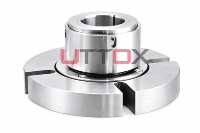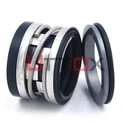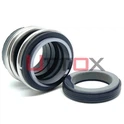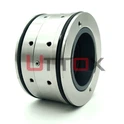


Choosing the right mechanical seal for Wilo EMU pump systems is one of the most consequential decisions a maintenance engineer or procurement manager will make. The seal acts as the primary barrier between the wet end and the motor housing, keeping raw sewage, abrasive sludge, and corrosive effluent away from the electrical components. Get this choice wrong, and you are looking at unplanned downtime, flooded motors, and costly emergency callouts. This guide walks through everything you need to evaluate before placing an order.
Understanding Mechanical Seals in Wilo EMU Pumps
What a Mechanical Seal Does and Why It Matters
A mechanical seal for Wilo EMU pump applications is a dynamic rotary device engineered to maintain a continuous fluid barrier as the shaft rotates. Unlike traditional rope packing, a mechanical seal uses two precision-lapped faces - one stationary, one rotating - pressed together by a spring load. The interface between those faces is where sealing actually happens, and the clearance is measured in microns [¹].
Wilo EMU submersible pumps, including the widely deployed FA and TR/TRE series, are built around a double mechanical seal (tandem configuration). This design creates a buffer zone - typically filled with white oil or transformer oil - between the process fluid side and the motor side. If the outer seal degrades, the buffer chamber absorbs the leakage before it reaches sensitive windings. Internal probes monitor oil conductivity and trigger an alarm when contamination is detected, giving operators a window to act before motor failure occurs [²].
Key Materials and Their Trade-offs
The face material selection determines longevity in aggressive media. Common pairings used in submersible pump seals include:
Silicon Carbide (SiC) vs. Silicon Carbide - Superior hardness and chemical inertness, ideal for abrasive slurries and chemically variable effluents. Pressure ratings regularly exceed 16 bar, with operating temperatures spanning -20 °C to +140 °C.
Tungsten Carbide (TC) vs. TC - Higher impact resistance when the pump ingests hard solids or fibrous debris, though somewhat less chemically inert than SiC.
Resin Carbon vs. SiC - A cost-conscious pairing suited to cleaner wastewater with lower abrasive loading.
Secondary elastomers are equally important. FKM (Viton) handles a broad pH range and resists hydrocarbons, while EPDM suits higher-temperature clean-water circuits. Metallic components are typically SS304 or SS316 depending on chloride exposure. These material combinations are fully consistent with DIN EN 12756, the international standard governing dimensional and performance interchangeability for mechanical seals [³].
Key Criteria to Consider When Choosing a Mechanical Seal for Your Wilo EMU Pump
Matching Shaft Diameter and Housing Geometry
Every Wilo EMU model carries a specific model code - for example, FA 10.33 - that encodes shaft diameter, housing depth, and seal chamber bore. Shaft diameters across the EMU range typically span 30 mm to 60 mm, and even a 1 mm deviation will prevent correct face loading. Always confirm the exact model code with your maintenance team before requesting a quotation. Cross-referencing dimensional drawings against the supplier's interchange table is the safest verification method to ensure the correct mechanical seal for Wilo EMU pump selection.
Assessing Fluid Conditions and Operating Pressure
Fluid type, solids concentration, and operating pressure directly govern which face pair and elastomer you select. Raw municipal sewage carries grit, sand, and fibrous rags that score soft carbon faces quickly. Industrial effluent from chemical processing plants introduces pH swings that degrade NBR elastomers. A wastewater facility operating pumps at 10–12 bar submersion depth needs a seal rated to handle continuous hydrostatic loading without face separation.
Beyond materials, maintenance interval planning is a critical purchasing factor. A well-matched submersible pump seal in a typical sewage application should deliver 12 to 24 months of continuous service before scheduled inspection. Factors that shorten this window include dry-running events, voltage fluctuations causing shaft vibration, and operating outside the pump's best efficiency point [⁴].
Comparing Mechanical Seal Solutions: Finding the Best Fit for Your Wilo EMU Pump
OEM Seals vs. Quality Aftermarket Alternatives
Original Wilo seals carry the assurance of factory-verified dimensions and materials, and they preserve the manufacturer's warranty on new equipment. The trade-off is cost - OEM pricing is substantially higher, and lead times during peak demand periods (pre-flood-season procurement, for example) can stretch beyond acceptable windows for operational teams. Reputable aftermarket suppliers now manufacture EMU pump mechanical seals to DIN EN 12756 tolerances using the same SiC, TC, and FKM material grades.
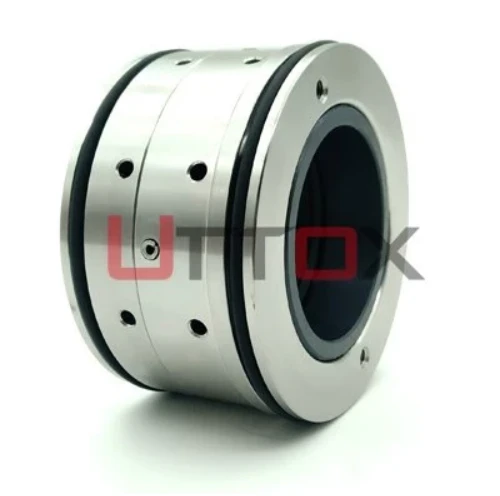
Here is where the UTTOX mechanical seal for Wilo EMU pump systems stands out as a tested alternative. Developed by Zhejiang Uttox Fluid Technology Co., Ltd. - a manufacturer with over 30 years of mechanical seal production experience - the UTTOX replacement seal is engineered to match the operational requirements of Wilo EMU series submersible pumps.
Here are the core advantages that make UTTOX a compelling procurement option:
Direct interchangeability with existing Wilo EMU pump configurations, covering common shaft diameters from 30 mm to 60 mm, enabling installation with minimal adjustment.
Durable face and elastomer materials - SiC, TC, Resin Carbon, Antimony Carbon, FKM, EPDM, and NBR - selected specifically for sewage, sludge, and contaminated fluid environments.
Stable inventory and fast dispatch, with the ability to fulfil urgent orders within 3 to 5 business days, directly addressing the operational risk of pre-season seal shortages.
Responsive technical support, including installation guidance for maintenance teams less familiar with aftermarket seal fitting, backed by Uttox's dedicated after-sales team.
12-month minimum quality assurance, providing procurement managers with documented accountability throughout the warranty cycle.
Installation, Maintenance, and Troubleshooting Guidelines for Wilo EMU Pump Mechanical Seals
Installation Best Practices
Correct installation is as important as correct selection. The most frequent installation error is axial misalignment - forcing the mechanical wilo emu mechanical seal for Wilo EMU pump systems onto the shaft without confirming the spring compression matches the manufacturer's specified working length. This over-compresses the faces, accelerating wear. Always clean the shaft and seal chamber thoroughly, inspect the O-ring seats for scoring, and apply a thin film of compatible lubricant (non-conductive white oil) to elastomers before assembly [⁵].
Routine Maintenance and Early Fault Diagnosis
Check the oil chamber condition at each scheduled service interval. A milky or darkened appearance in the buffer oil indicates the outer seal has allowed process fluid ingress. Vibration signatures above baseline on the pump's condition monitoring system often precede seal face separation. If the insulation resistance reading drops suddenly without an obvious cause, a compromised seal is a primary suspect. Addressing these signals proactively avoids unplanned pump pulls and emergency replacement costs.
Procurement and Supplier Recommendations for Mechanical Seals for Wilo EMU Pumps
When evaluating a mechanical seal for Wilo EMU pump procurement, the supplier evaluation checklist should include: verified dimensional interchangeability data, traceable material certifications, documented quality control procedures, confirmed stock levels, and clear warranty terms. Uttox supplies Wilo-compatible mechanical seals to clients across the United States, Europe, Southeast Asia, and other markets. The company operates as both a manufacturer and a direct supplier, which means shorter supply chains, faster responses, and direct access to technical support. Visit www.uttox.com to review the full product catalogue.
Conclusion
Selecting the right mechanical seal for Wilo EMU pump installations requires careful attention to shaft dimensions, fluid conditions, face material compatibility, and supplier reliability. A mismatch at any of these points translates directly into premature seal failure, motor damage, and unplanned downtime. Whether you manage a municipal sewage station or an industrial effluent system, taking a systematic approach to seal selection - backed by a dependable supplier - protects both equipment and operational continuity. UTTOX mechanical seals offer a well-validated, cost-effective path to that outcome.
FAQ
1.How do I know when my Wilo EMU pump seal needs replacement?
Watch for moisture detected in the oil chamber via the leakage sensor, a sudden drop in insulation resistance, or visible oil contamination turning milky. These are reliable early indicators that the mechanical seal for Wilo EMU pump is degrading.
2.Can I use a single mechanical seal instead of the original double seal?
No. Wilo EMU pumps are engineered specifically for tandem or double seal configurations. Replacing a double seal with a single seal removes the buffer zone and dramatically increases the risk of immediate motor flooding upon any seal face failure.
3.Are UTTOX replacement seals compatible across all EMU models?
UTTOX covers common shaft diameter ranges from 30 mm to 60 mm. However, you should always verify the specific Wilo model code before ordering, as shaft diameters and housing depths vary between EMU sub-series.
4.What lubricant should I use in the buffer chamber?
A non-conductive, environmentally compatible white oil or approved transformer oil is standard. This fluid serves dual purposes: lubricating the inner seal faces and enabling leak detection via the pump's internal conductivity probes.
5.How long should a quality aftermarket EMU pump seal last?
Under normal sewage conditions with correct installation, a quality seal should deliver 12 to 24 months of service. Dry-running and shaft misalignment are the leading causes of premature failure.
Partner with Uttox for Reliable Wilo EMU Pump Sealing Solutions
Uttox brings over 30 years of mechanical seal manufacturing expertise to every order. As a trusted mechanical seal for Wilo EMU pump supplier, we combine verified interchangeability, fast global dispatch, and direct technical support to keep your pump stations running without interruption. Request a customised quote or compatibility check today - reach our team at info@uttox.com or explore our full product range at www.uttox.com.
References
1. European Sealing Association (ESA). Mechanical Seals - Principles, Design and Application. ESA Publication, 2018. https://www.europeansealing.com/technical-handbook/
2. Wilo SE. EMU Submersible Pump Installation and Operating Instructions (FA Series). Wilo Technical Documentation, 2021. https://www.wilo.com/en/products/pumps/sewage-pumps/emu-fa.html
3. DIN Deutsches Institut für Normung e.V. DIN EN 12756: Mechanical Seals - Principal Dimensions, Designation and Material Codes. Beuth Verlag, 2019. https://www.din.de/en/getting-involved/standards-committees/nap/publications/wdc-beuth:din21:319451243
4. Hydraulic Institute. Pump Life Cycle Costs: A Guide to LCC Analysis for Pumping Systems. Hydraulic Institute, 2020. https://www.pumps.org/product/pump-life-cycle-costs-a-guide-to-lcc-analysis-for-pumping-systems/
5. STLE (Society of Tribologists and Lubrication Engineers). Mechanical Seal Installation and Maintenance Best Practices. STLE Technical Report, 2019. https://www.stle.org/
6. British Pump Manufacturers' Association (BPMA). Best Practice Guide for Submersible Pump Maintenance in Wastewater Applications. BPMA Technical Guide, 2022. https://www.bpma.org.uk/technical-information/