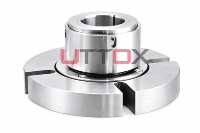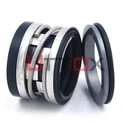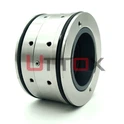


Choosing the right 58u mechanical seal starts with understanding your pump's operating conditions - pressure, temperature, shaft size, and fluid type. The 58u mechanical seal is a multi-spring, unbalanced design built to DIN 24960 / EN 12756 standards, available in shaft sizes from 14 mm to 100 mm. It supports temperatures from -40°C to +200°C and pressures up to 1.2 MPa. Matching seal face materials (Carbon, SiC, Tungsten Carbide) and elastomers (Viton, EPDM, FFKM) to your specific media ensures reliable, long-term sealing performance and reduces costly maintenance intervals.

Understanding the 58U Mechanical Seal: Design, Function, and Benefits
The 58U mechanical seal is a multi-spring pusher seal that was carefully designed to close with the same amount of force on all of its faces. In contrast to single-spring designs, its spread spring setup accounts for shaft run-out and vibration, keeping the face in touch at speeds of up to 20 m/s. Because of this, it is a reliable choice for centrifugal pumps in water treatment, petrochemical, and chemical systems.
Core Material Combinations That Drive Performance
The most important technical choice in the design process is the choice of face material. For rough or particle-filled fluids, hard-on-hard pairs like Silicon Carbide (SiC) versus Tungsten Carbide (TC) work best. For clean water and light chemical tasks, Carbon versus Ceramic pairs work best. Fluid chemistry determines which elastomer to use. Viton (FKM) is good for most hydrocarbon and mild acid environments, while FFKM is only used in harsh solvents and high temperatures. The best way to make sure this combo works well is to get it right when you're making the specifications.
Why the 58U Outperforms Single-Spring Designs in Industrial Settings
Because the multi-spring design spreads the load evenly across the face, there is lower face wear and more reliable service intervals. An important reason why mechanical seals fail too soon in spinning equipment, according to the European Sealing Association, is uneven face loading. The 58U mechanical seal's small axial size also makes it easier to retrofit into existing pump housings without having to change the gland. This saves engineers time during repair turnarounds.
Criteria for Selecting the Right 58U Mechanical Seal for Your Pump
Systematic selection starts with four working parameters: pressure, temperature, the width of the shaft, and the compatibility of the media. Each measure makes the specification window smaller and points to the right type of seal.
Here are the main things that every buying engineer should check before making an order:
Pressure rating: The normal 58U mechanical seal can handle up to 1.2 MPa of pressure when it is not adjusted. For applications with higher pressures than 1.2 MPa, the balanced 59U version is the best option because it has the same envelope dimensions and can be used with current gland hardware.
Temperature range: The elastomer sets the real limit, but the operating window can be anywhere from -40°C to +200°C. PTFE wedge configurations (Type 59U) improve chemical resistance in harsh environments where regular O-rings would break down quickly, like strong acids and chlorinated solvents.
Shaft diameter coverage: Covers shaft diameters from 14 mm to 100 mm with standard DIN setups. This means that the seal fits most industrial process pumps without having to be machined to fit.
Fluid compatibility: Abrasive slurries need to be paired with SiC/SiC faces. Carbon/Ceramic is less expensive and lasts a long time when used with clean fluids.
With these criteria, you can make a logical screening framework that lowers the chance of specification errors. After confirming the operating window, it is only worth comparing the 58U to cartridge seal alternatives when the difference in cost is greater than the speed of installation or the risk of contamination. For maintenance teams evaluating 59u seal replacement requirements, confirming pressure, temperature, shaft diameter, and fluid compatibility first can also help ensure that the replacement seal matches the existing pump configuration. For most standard centrifugal pump uses, the 58U mechanical seal is still the cheaper and more tried-and-true choice.
Installation, Maintenance, and Troubleshooting of the 58U Mechanical Seal
Whether a seal lasts as long as it's supposed to depends directly on how well it was installed. According to data from the fluid sealing industry's upkeep records, most early breakdowns were caused by mistakes in assembly rather than problems with the materials.
Step-by-Step Installation Priorities
Before fitting, clean the shaft surfaces very well. Any damage, rust, or dirt on the shaft sleeve speeds up O-ring wear and makes a leak path right away. Make sure that the axial movement of the shaft is within ±0.5 mm. If there is too much play, the seal faces can separate under operating loads, letting leaks happen. When putting O-rings together, make sure to use the right oil that is compatible with the rubber. Also, never use grease made from petroleum on EPDM parts.
Routine Inspection and Proactive Maintenance
Every time you do maintenance, check the seal flush lines for blockages. When the flush gets blocked, it causes dry running, which damages the seal faces in minutes. Keep an eye on the rate of leaks; for mechanical seals working with liquids, a controlled leak of less than 0.1 mL/hr is normal. Any dripping that you can see at the gland is a sign of face wear or spring tiredness and needs to be looked into right away. It is much cheaper to replace something as soon as it starts to break down than to shut it down without planning to.
Procurement Considerations: Where and How to Source 58U Mechanical Seals
Reliability of the source is just as important as quality of the seal in activities that require a lot of upkeep. If a supplier can't guarantee that they have a certain shaft size and face material in stock, there is an increased chance of lead time that gets worse when equipment is down.
What Separates a Reliable Supplier from a Commodity Vendor
Baseline conditions that can't be changed include verified factory standards (ISO 9001), traceable material approvals, and proof that the dimensions meet DIN 24960 / EN 12756 tolerances. For buyers sourcing a din mechanical seal, these dimensional standards are particularly important because they help ensure proper compatibility with existing pump equipment and reduce installation issues. Suppliers with a lot of stock in the 14–100 mm shaft range can ship within 48 hours, which is very important for repair shops that need to turn things around quickly. Buying in bulk with clear quality guarantees and an easy-to-understand return policy for products that don't meet standards lowers buying risk even more.
We made the UTTOX 58U/59U mechanical seals as a straight replacement for original types that were widely used, like the John Crane Type 58U and 59U. Since 1990, Zhejiang Uttox Fluid Technology Co., Ltd. has been making these products. They come in two types: the O-ring pusher structure (58U) is used in general industry, and the PTFE wedge structure (59U) is used for strong and toxic media. Standard DIN-compliant duct parts can be used interchangeably in terms of size, so no changes need to be made during installation. Stable inventory across the full size range allows for 48-hour shipping, and technical support is available for questions that are specific to an application.
Case Studies: Proven Results Across Demanding Industries
A chemical processing plant that works with sulfuric acid products moved its centrifugal dosing pumps from OEM-specified seals to UTTOX 59U PTFE wedge seals. Seal repair intervals were greatly increased, and the cost of purchasing each seal dropped significantly compared to the original manufacturer's list price. This happened without any changes being made to the current pump glands. In a refinery pump application, UTTOX 58U seals with SiC/SiC faces worked consistently throughout a full operating cycle in hydrocarbon service. During the monitored period, there were no reports of leaks. These results show how useful the product is in real-world situations by showing how well it can be used with other things and how good the materials are.
Conclusion
There is a structured way to choose the right 58U mechanical seal based on operating data such as pressure, temperature, shaft diameter, and fluid chemistry. The multi-spring DIN design has been shown to work well in a wide range of chemical, petroleum, water treatment, and general industry pump situations. The choice of material, especially face pairs and elastomers, has the biggest impact on the service life. When you buy from a seller with proven manufacturing standards, a large inventory, and dependable technical support, you avoid the hidden costs of design mistakes and supply delays. All of these needs can be met by the UTTOX 58U/59U product line in a single, cost-effective purchasing relationship.
FAQ
1.What is the difference between the 58U and 59U seal?
The O-ring pusher design of the 58U mechanical seal works well with most industrial fluids and reasonable temperatures. In the 59U, the secondary seal is made of PTFE wedges, which are better than O-rings at resisting acidic, violent, or high-temperature media. Both have the same envelope size, which means they can be used with the same gland hardware.
2.Can the 58U handle abrasive fluids?
Yes. Setting up the seal with Silicon Carbide (SiC) versus Silicon Carbide (SiC) face materials lets it work reliably in process fluids that are rough or full of particles.
3.How do I confirm dimensional compatibility before ordering?
Compare the size of your shaft and gland hole to the standard measurements given in DIN 24960 / EN 12756. Before shipping, UTTOX gives you detailed data sheets and pre-sales help to make sure that their products will work with the ones you already have.
4.What causes early seal failure?
The most common reasons are choosing the wrong material for the media, the shaft moving more than 0.5 mm, the machine running dry during startup, and not lubricating the O-rings properly during assembly.
5.What shelf life should I expect for stored seals?
If you store metallic parts the right way, they will last forever. If you store elastomeric parts in a cool, dry, ozone-free environment, they should last between 5 and 10 years.
Get Reliable 58U Mechanical Seals from Uttox - Request a Quote Today
In the years since 1990, Uttox has helped customers in more than 50 countries seal their factories. As a 58U mechanical seal manufacturer with a lot of experience, we keep a lot of stock on hand so that we can ship quickly. We also offer OEM support and provide quick after-sales service for all of our orders. Get in touch with our expert team to talk about your shaft size, how it will be used, and the amount you need. To get a catalog of our products or a competitive quote, email us at info@uttox.com or go to www.uttox.com.
References
1. European Sealing Association. Mechanical Seal Guidelines for Rotating Equipment. ESA, 2021.
2. European Sealing Association. Failure Analysis of Mechanical Seals in Industrial Pumps. ESA, 2020.
3. Hydraulic Institute. Pump Systems Matter: Mechanical Seal Application Guidelines. HI, 2022.
4. SKF Group. Sealing Solutions for Industrial Applications - Technical Reference Guide. SKF, 2021.
5. International Organization for Standardization. ISO 9001:2015 - Quality Management Systems Requirements. ISO, 2015.
6. DIN Deutsches Institut für Normung. DIN 24960 - Mechanical Seals: Dimensions and Designation. DIN, 2019.