

Are you facing unexpected downtime due to pump seal failures that could have been prevented with proper installation? The critical process of fitting mechanical seals in pumps often becomes a nightmare for maintenance teams when improper techniques lead to premature failures, costly repairs, and production interruptions. This comprehensive guide reveals the exact step-by-step process to fit mechanical seals correctly, ensuring optimal pump performance and preventing the devastating consequences of seal failure that plague industrial operations worldwide.
Understanding Mechanical Seals Components and Functionality
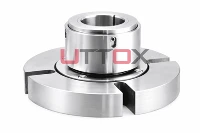
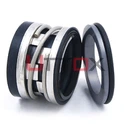
Mechanical seals represent one of the most critical components in pump systems, serving as the primary barrier that prevents fluid leakage along the rotating shaft. These sophisticated devices consist of two primary sealing faces - one rotating with the pump shaft and another stationary component mounted within the pump casing. The fundamental principle behind mechanical seals involves maintaining contact between two extremely smooth and flat surfaces, known as lapped seal faces, which create an effective barrier against fluid migration. The rotating seal face, typically made from carbon or ceramic materials, moves with the pump shaft and maintains constant contact with the stationary face through spring-loaded mechanisms. This contact creates a microscopic fluid film that provides both sealing and lubrication properties. Secondary seals, including O-rings and gaskets, secure these primary sealing faces to their respective mounting surfaces, ensuring complete system integrity. The mechanical loading system, usually comprising springs or bellows, maintains consistent face contact pressure throughout various operating conditions, compensating for thermal expansion, shaft deflection, and normal wear patterns.
Primary Seal Face Materials and Selection
The selection of appropriate seal face materials directly impacts the longevity and performance of mechanical seals in different pumping applications. Carbon-graphite faces offer excellent compatibility with water-based fluids and provide superior thermal conductivity, making them ideal for standard water treatment applications. Silicon carbide faces demonstrate exceptional hardness and chemical resistance, particularly suitable for abrasive or corrosive media found in chemical processing environments. Tungsten carbide faces provide outstanding wear resistance for high-pressure applications, while ceramic faces offer excellent corrosion resistance for pharmaceutical and food processing applications. The mating face combination requires careful consideration, as dissimilar materials often provide better sealing performance and reduced face wear compared to identical material pairings. Hard face combinations typically operate at higher speeds and pressures, while soft face materials accommodate shaft misalignment and surface irregularities more effectively.

Secondary Sealing Systems and Their Critical Role
Secondary seals create static barriers between the mechanical seal components and their mounting surfaces, preventing fluid bypass around the primary sealing elements. These components must accommodate thermal expansion, chemical compatibility, and pressure variations while maintaining leak-tight integrity throughout the seal's operational life. Elastomeric O-rings represent the most common secondary sealing solution, offering excellent sealing performance across wide temperature ranges and chemical compatibility with various process fluids. Gasket-type secondary seals provide enhanced chemical resistance for aggressive media applications, while metallic secondary seals accommodate extreme temperature conditions beyond elastomeric material limitations. The groove design and surface finish quality directly influence secondary seal performance, requiring precise machining tolerances and proper surface treatments. Installation techniques for secondary seals demand careful attention to avoid twisting, cutting, or stretching that could compromise sealing integrity.
Pre-Installation Preparation and Safety Requirements
Proper preparation before mechanical seal installation significantly reduces the likelihood of premature failure and ensures optimal sealing performance throughout the expected service life. The preparation phase encompasses thorough cleaning of all pump components, careful inspection of mating surfaces, and verification of dimensional tolerances according to manufacturer specifications. This critical phase often determines the ultimate success or failure of the mechanical seal installation process. Safety considerations during mechanical seal installation require comprehensive understanding of potential hazards associated with rotating equipment, process fluids, and installation tools. Personnel must utilize appropriate personal protective equipment, including safety glasses, chemical-resistant gloves, and protective clothing suitable for the specific process environment. Lockout/tagout procedures ensure complete isolation of electrical and mechanical energy sources, preventing accidental startup during installation activities.
Component Cleaning and Surface Inspection
All pump components requiring mechanical seal contact must undergo thorough cleaning to remove residual process fluids, deposits, and contamination that could interfere with proper seal operation. Cleaning solvents must demonstrate compatibility with both the pump materials and mechanical seal components to avoid chemical damage or degradation. Abrasive cleaning methods should be avoided on precision-machined surfaces, particularly seal chamber areas and shaft surfaces where dimensional tolerances directly impact sealing performance. Surface inspection encompasses visual examination for scratches, corrosion, pitting, or other defects that could prevent proper seal seating or create leakage paths. Shaft runout measurements verify concentricity within acceptable limits, typically requiring specialized measurement equipment and technical expertise. Seal chamber dimensional verification ensures proper clearances and mounting surfaces meet manufacturer specifications for the specific mechanical seal design.
Shaft and Seal Chamber Assessment
Shaft condition assessment represents a critical factor in mechanical seal performance, as surface imperfections, wear patterns, or dimensional variations directly impact sealing effectiveness. Shaft surface finish requirements typically specify maximum roughness values to ensure proper secondary seal contact without excessive wear or leakage. Shaft straightness verification prevents premature seal face wear and ensures uniform loading distribution across the sealing interface. Seal chamber geometry verification includes depth measurements, concentricity checks, and surface finish evaluation to ensure compatibility with the selected mechanical seal design. Incorrect chamber dimensions can prevent proper seal installation, cause binding during operation, or create excessive clearances that allow process fluid contamination of sealing components. Temperature considerations during inspection account for thermal expansion effects that occur during normal pump operation.
Step-by-Step Mechanical Seal Installation Process
The mechanical seal installation process requires systematic execution of specific steps to ensure proper component positioning, adequate clearances, and correct assembly torque values. Each installation step builds upon previous work, creating a cumulative effect where minor errors can compound into major sealing failures. Professional installation techniques developed through years of field experience provide reliable methods for achieving consistent results across various pump designs and applications. Initial preparation involves organizing all necessary tools, replacement components, and reference materials in the immediate work area. Component identification ensures proper orientation and positioning according to manufacturer specifications, while installation sequence planning prevents interference between components during assembly. Documentation of dimensional measurements and torque values provides valuable reference information for future maintenance activities.
Stationary Seal Component Installation
Stationary seal components require precise positioning within the pump seal chamber to ensure proper alignment with rotating components and adequate clearance for thermal expansion. The installation sequence typically begins with secondary seal placement in designated grooves, followed by careful insertion of the stationary seal assembly. Lubrication of O-rings and sealing surfaces facilitates smooth installation while preventing damage to critical sealing elements. Installation tools must distribute loading forces evenly across the seal assembly to prevent distortion or damage to precision components. Hydraulic or mechanical seal installation tools provide controlled insertion force and prevent the application of excessive pressure that could damage seal faces or secondary sealing elements. Final positioning verification ensures proper depth and alignment according to manufacturer specifications and pump design requirements.
Rotating Seal Component Installation
Rotating seal components mount directly to the pump shaft and require careful alignment to ensure proper contact with stationary seal faces throughout the operational speed range. Installation typically involves sliding the rotating assembly along the shaft to the predetermined position, followed by securing methods appropriate for the specific seal design. Set screws, hydraulic mounting, or mechanical interference fits provide various attachment methods depending on application requirements. Dynamic balance considerations become critical for high-speed applications where rotating seal components contribute to overall system vibration levels. Professional installation practices include verification of component orientation, proper lubrication of sliding surfaces, and careful handling to prevent damage to precision-machined components. Installation torque specifications must be followed precisely to ensure adequate clamping force without creating excessive stress concentrations.
Final Assembly and System Preparation
Final assembly procedures bring together all mechanical seal components, pump internals, and associated systems in preparation for initial startup operations. Component clearance verification ensures adequate space for thermal expansion and prevents binding during operation. Lubrication system preparation includes filling seal chambers with appropriate barrier fluids and verifying circulation system operation where applicable. Installation documentation should record all dimensional measurements, torque values, and component serial numbers for future reference during maintenance activities. Quality control inspections verify proper installation according to manufacturer specifications and industry best practices. System preparation includes verification of support system operation, including cooling water, barrier fluid circulation, and monitoring instrumentation where required.
Common Installation Mistakes and Prevention Strategies
Installation errors represent the leading cause of premature mechanical seal failure, often resulting in costly downtime and emergency repairs that could have been prevented through proper techniques and attention to detail. Understanding common mistakes and implementing prevention strategies significantly improves installation success rates and extends seal service life. These preventive measures require both technical knowledge and disciplined execution of proven procedures. Training programs for maintenance personnel should emphasize the critical nature of proper installation techniques and the economic consequences of installation errors. Regular auditing of installation procedures ensures compliance with established standards and identifies opportunities for improvement. Documentation of failure modes provides valuable feedback for refining installation procedures and preventing recurring problems.
Surface Contamination and Cleaning Deficiencies
Surface contamination represents one of the most frequent causes of mechanical seal installation problems, creating leakage paths, preventing proper component seating, and accelerating wear processes. Foreign particles, residual fluids, or cleaning compound residues can prevent proper seal face contact, leading to immediate leakage or rapid degradation of sealing surfaces. Prevention strategies emphasize thorough cleaning procedures using appropriate solvents and verification methods. Cleaning verification should include visual inspection under adequate lighting conditions, surface roughness measurements where applicable, and cleanliness standards appropriate for the specific application. Protective measures during installation prevent recontamination of cleaned surfaces, while proper storage of components maintains cleanliness until final assembly. Training programs should emphasize the critical importance of surface preparation and provide practical techniques for achieving consistent results.
Improper Torque Application and Assembly Errors
Incorrect torque application during mechanical seal installation creates stress concentrations, component distortion, and premature failure mechanisms that compromise sealing performance. Over-torquing can distort seal chambers, crush O-rings, or create excessive stress in brittle seal face materials. Under-torquing allows movement during operation, creates fretting wear, and prevents proper sealing contact pressure. Torque specifications provided by seal manufacturers account for material properties, thread conditions, and required clamping forces to achieve optimal performance. Calibrated torque tools ensure accurate application of specified values, while proper torquing sequence prevents uneven loading distribution. Documentation of applied torque values provides valuable reference information for future maintenance activities and failure analysis procedures.
Startup Procedures and Performance Verification
Proper startup procedures following mechanical seal installation ensure gradual introduction of operating conditions while monitoring critical parameters that indicate successful installation and normal operation. These procedures typically involve systematic increases in pressure, temperature, and rotational speed while observing seal performance indicators. Initial startup represents a critical period where installation errors become apparent and corrective actions remain possible. Performance verification encompasses measurement of leakage rates, monitoring of seal chamber conditions, and observation of system operating parameters that indicate proper mechanical seal function. Baseline measurements established during initial startup provide reference points for future condition monitoring and maintenance planning. Documentation of startup parameters creates valuable historical records for performance trending and failure analysis.
Initial Pressure and Temperature Introduction
Initial pressure introduction should follow a gradual progression that allows mechanical seal components to accommodate thermal expansion and achieve proper sealing contact without shock loading. Rapid pressure increases can cause seal face separation, thermal distortion, or damage to secondary sealing elements. Temperature introduction requires similar graduated approaches, particularly for applications involving significant thermal shock conditions. Monitoring equipment during initial startup should include pressure gauges, temperature sensors, and leakage detection systems that provide immediate indication of seal performance. Vibration monitoring becomes critical for high-speed applications where installation errors could create dynamic imbalance or misalignment conditions. System parameters should remain within acceptable ranges throughout the startup sequence, with any deviations requiring immediate investigation and corrective action.
Performance Monitoring and Baseline Establishment
Baseline performance measurements provide essential reference points for ongoing condition monitoring and maintenance planning activities. These measurements should include leakage rates, seal chamber pressure and temperature, and any relevant process parameters that influence mechanical seal operation. Statistical analysis of baseline data helps establish normal operating ranges and alarm setpoints for automated monitoring systems. Long-term performance tracking requires consistent measurement techniques, calibrated instrumentation, and systematic data recording procedures. Trend analysis of performance data reveals gradual changes that indicate developing problems, allowing proactive maintenance interventions before catastrophic failures occur. Performance baselines should be updated periodically to account for normal wear patterns and changing operating conditions.
Conclusion
Proper mechanical seal installation requires systematic execution of proven procedures, attention to critical details, and comprehensive understanding of component interactions that ensure reliable sealing performance throughout extended service life, preventing costly failures and production interruptions.
Cooperate with Zhejiang Uttox Fluid Technology Co.,Ltd.
As a leading China mechanical seals manufacturer established in 1990, Zhejiang Uttox Fluid Technology Co.,Ltd. brings over 30 years of specialized experience in mechanical seals and pump seals design and manufacturing. Our experienced R&D team provides technical guidance and customized solutions for diverse working conditions across petroleum refining, water treatment, pulp & paper, shipbuilding, food & beverage, pharmacy, and power plant industries. With recognition from customers in over 50 countries, we offer high quality mechanical seals, rich product variety, sufficient inventory for fast delivery, and professional technical support including OEM services. Contact our China mechanical seals supplier at info@uttox.com for mechanical seals price and technical consultation.
FAQ
Q: How long does mechanical seal installation typically take?
A: Professional mechanical seal installation usually requires 2-4 hours depending on pump size and complexity, including proper preparation and startup procedures.
Q: What tools are essential for proper mechanical seal installation?
A: Essential tools include calibrated torque wrenches, seal installation fixtures, measuring instruments, appropriate lubricants, and safety equipment specific to the application.
Q: Can mechanical seals be reused after removal?
A: Mechanical seals should not be reused as removal typically damages critical sealing surfaces and secondary seals, compromising future performance.
Q: What causes most mechanical seal installation failures?
A: Surface contamination, improper torque application, incorrect component alignment, and inadequate cleaning represent the most common causes of installation-related seal failures.
References
1. "Mechanical Seals for Centrifugal Pumps: Design and Application Guidelines" - American Petroleum Institute Standard API 682
2. "Industrial Pump Installation and Maintenance Manual" - Hydraulic Institute Standards
3. "Mechanical Seal Technology and Applications" - Engineering Society for Advancing Mobility
4. "Pump Sealing Systems: Theory and Practice" - International Association of Mechanical Seal Manufacturers